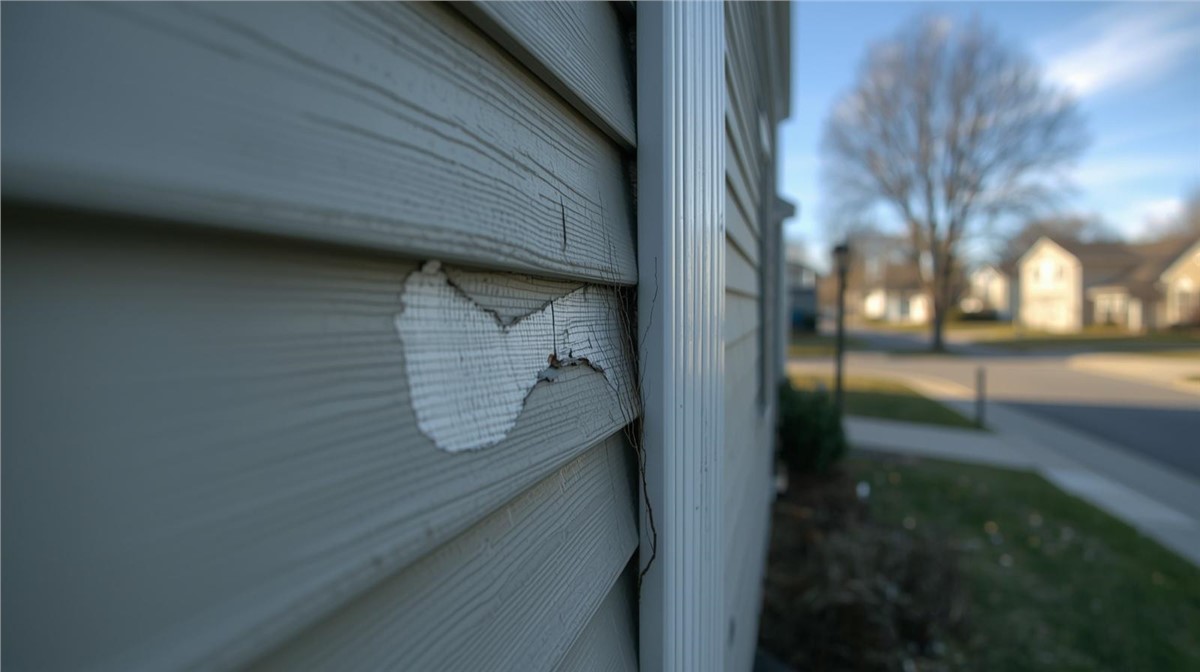
Replacing siding is one of the biggest exterior upgrades a homeowner can make. New siding can improve curb appeal, protect the home from moisture, reduce drafts around exterior walls, and help update the look of the entire property.
For homeowners in Naperville, IL, siding replacement cost can vary widely. A simple vinyl siding replacement on a smaller home may cost much less than a full exterior upgrade with fiber cement, insulated panels, trim replacement, moisture repairs, or storm damage restoration.
This 2026 pricing guide explains the main factors that affect siding replacement cost and what homeowners should expect before requesting an estimate.
2026 Siding Replacement Cost Overview
Siding pricing depends on the material and the details of the home. Illinois-focused cost guidance lists installed vinyl siding around $5 to $11 per square foot, engineered wood around $7 to $13 per square foot, and fiber cement around $10 to $17 per square foot. A Naperville-specific cost guide places many complete siding replacement projects between about $8,000 and $25,000, with the final cost depending on home size, material, complexity, and condition.
These numbers are useful for planning, but they are not a substitute for an on-site inspection. Your actual siding replacement cost depends on your home’s layout, exterior condition, and project goals.
Why Online Siding Cost Estimates Vary
Online siding cost ranges can feel confusing because they often use different assumptions. Some estimates include only basic materials. Others include labor, tear-off, trim, disposal, insulation, or repairs.
Cost can vary because of:
- Home size
- Number of stories
- Siding material
- Tear-off needs
- Wall condition
- Trim and corner details
- Window and door openings
- Insulation upgrades
- Moisture damage
- Storm damage
- Labor and access conditions
A detailed estimate should explain what is included so homeowners can compare options fairly.
Home Size Is a Major Cost Factor
The larger the exterior wall area, the more siding, trim, fasteners, labor, and cleanup are needed. However, home square footage does not always equal siding square footage.
A home with multiple stories, large gables, additions, dormers, attached garages, or many wall sections may require more material and labor than a simpler home of similar size.
Contractors typically measure the exterior wall area and openings before preparing a final estimate.
Siding Material Choice
Material choice is one of the biggest pricing factors. Different siding materials have different costs, maintenance needs, appearances, and durability levels.
Common siding options include:
- Vinyl siding
- Insulated vinyl siding
- Fiber cement siding
- Engineered wood siding
- Wood siding
- Metal siding or accent materials
Vinyl siding is often one of the more budget-friendly options. Fiber cement and engineered wood may cost more but can offer different appearance and durability benefits. Premium colors, profiles, textures, and accent styles can also affect pricing.
Vinyl Siding Cost Factors
Vinyl siding is popular because it is low maintenance, available in many colors, and usually more affordable than many premium siding materials.
Vinyl siding cost may depend on:
- Panel thickness
- Standard vs insulated panels
- Color selection
- Profile style
- Trim package
- Home height
- Installation complexity
- Existing siding removal
Basic vinyl may cost less, while insulated or premium vinyl siding may increase the project cost.
Fiber Cement and Engineered Wood Cost Factors
Fiber cement and engineered wood siding are often selected for durability, texture, and curb appeal. These materials may cost more than standard vinyl, but they can provide a more substantial finished look.
Cost can be affected by:
- Product type
- Finish or color
- Trim details
- Labor requirements
- Fastening method
- Painting or finishing needs
- Wall preparation
- Moisture protection details
These options should be installed carefully, especially around seams, windows, doors, and trim.
Tear-Off and Disposal
Removing old siding can add to the project cost, but it is often important. Tear-off allows the contractor to inspect the wall surface beneath the siding.
Tear-off may reveal:
- Moisture damage
- Rotted sheathing
- Damaged house wrap
- Pest damage
- Poor previous installation
- Hidden storm damage
- Soft trim around openings
Covering old damage with new siding can trap moisture and lead to bigger problems later.
Moisture Damage and Wall Repairs
Moisture damage can change siding replacement pricing. If water has entered behind the old siding, the damaged materials may need repair before new siding is installed.
Warning signs include:
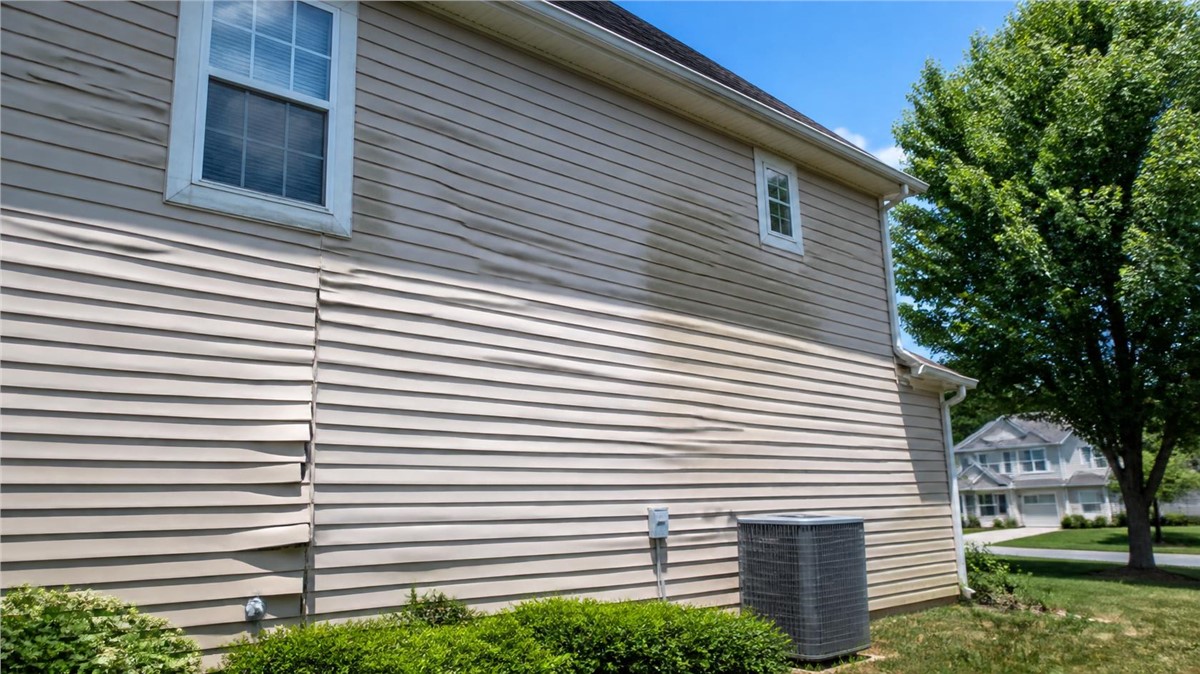
- Warped siding
- Soft trim
- Interior wall stains
- Musty odors
- Mold or mildew
- Peeling paint near windows
- Damaged sheathing
- Water stains below gutters
Repairing these areas before installation helps protect the new siding system.
Trim, Windows, and Door Details
Siding replacement is not just about the wall panels. Trim around windows, doors, corners, rooflines, vents, and utility penetrations can affect both appearance and cost.
Pricing may change based on:
- Window trim replacement
- Door trim replacement
- Corner posts
- Fascia or soffit repairs
- Decorative accents
- Flashing details
- Caulking and sealing
- Custom cuts around openings
Homes with many windows, doors, or architectural details usually require more labor.
Insulation and House Wrap
Some siding projects include insulation upgrades or new weather-resistant barriers. These details can affect cost, but they also help improve the performance of the siding system.
Homeowners may consider:
- House wrap replacement
- Foam backing
- Insulated siding
- Air sealing around openings
- Moisture barrier improvements
- Wall condition repairs
These steps can help reduce drafts, improve comfort, and protect the wall system from moisture.
Storm Damage and Siding Replacement Cost
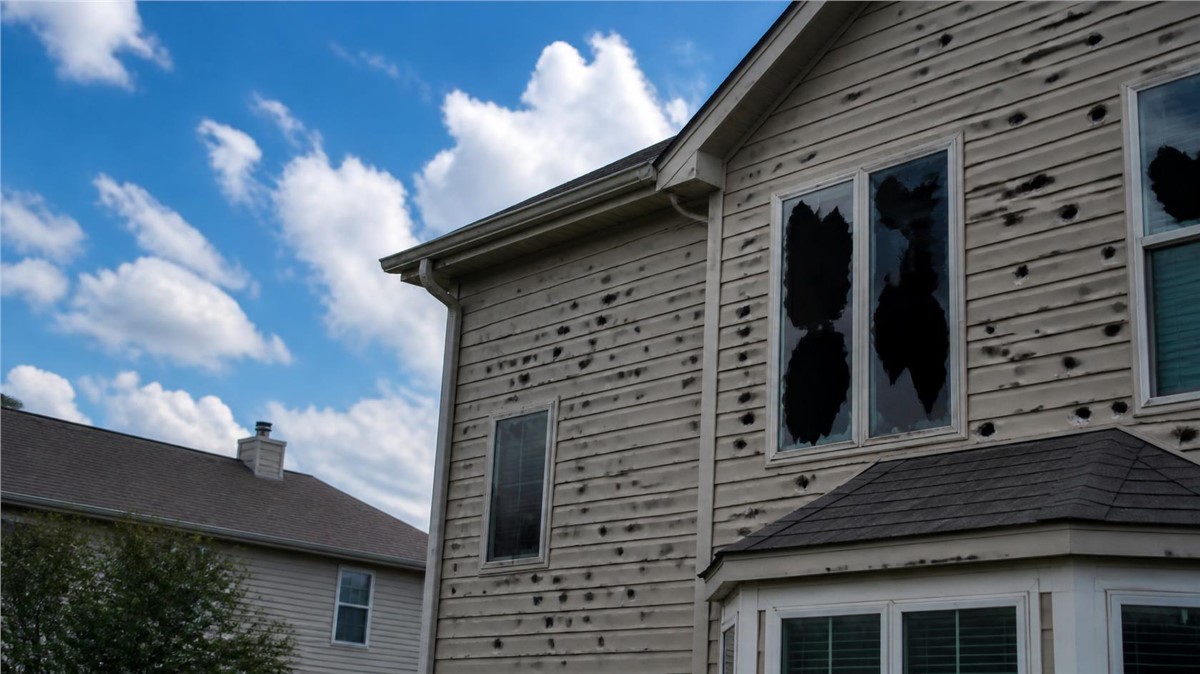
Naperville homes can be affected by hail, wind, heavy rain, snow, ice, and freeze-thaw cycles. Storm damage may increase the repair or replacement scope.
Storm-related siding issues may include:
- Cracked siding
- Holes or punctures
- Loose panels
- Dented trim
- Damaged gutters
- Torn window screens
- Water behind siding
- Soft trim after leaks
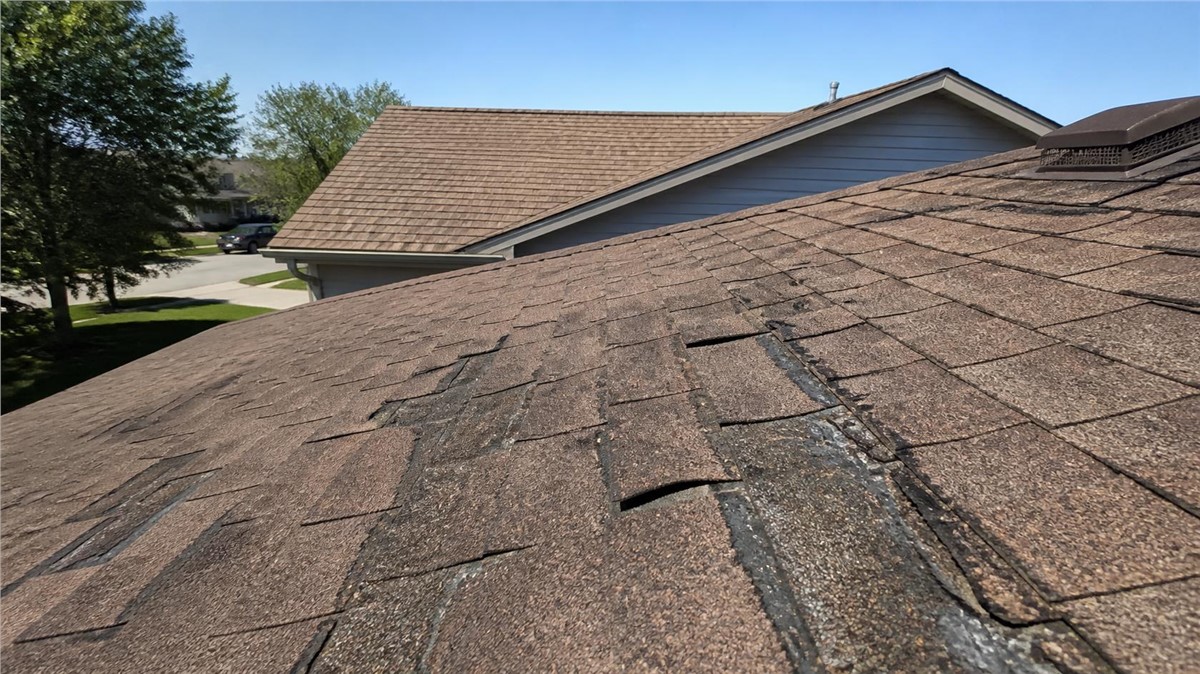
If storm damage is present, roofing, gutters, windows, fascia, and soffit should also be checked.
Gutters and Drainage Can Affect Siding
Gutters help protect siding by moving water away from the roofline and exterior walls. If gutters overflow, leak, or drain too close to the home, new siding may be exposed to repeated water problems.
Gutter-related cost considerations may include:
- Gutter replacement
- Downspout extensions
- Fascia repair
- Soffit repair
- Drainage corrections
- Water stains below gutters
If gutters are contributing to siding damage, they should be included in the exterior plan.
Labor, Access, and Project Complexity
Labor costs can vary depending on how difficult the project is. A simple single-story home with clear access is usually easier to complete than a tall or complex home.
Project complexity may increase with:
- Multiple stories
- Steep rooflines
- Tight property access
- Heavy landscaping
- Many exterior openings
- Complex gables
- Detailed trim
- Large tear-off needs
- Hidden repairs
A good estimate should explain any complexity that affects pricing.
Repair vs Replacement
Siding repair may be enough when the damage is minor and isolated.
Repair may make sense if:
- Only a few panels are damaged
- Matching material is available
- Trim damage is limited
- No hidden moisture damage is found
- The siding is still in good condition overall
Replacement may be better if:
- Damage affects multiple walls
- Siding is faded, brittle, or warped
- Moisture damage is present
- Storm damage is widespread
- Repairs would not match well
- Panels keep coming loose
- You want a full curb appeal update
A professional inspection can help homeowners make the right decision.
What Should Be Included in a Siding Estimate?
A siding replacement estimate should be clear and detailed. Homeowners should understand what is included before approving the project.
A good estimate may include:
- Siding material
- Color and profile
- Tear-off details
- House wrap or moisture barrier
- Insulation options
- Trim details
- Flashing around openings
- Wall repair allowances
- Cleanup and disposal
- Timeline expectations
- Warranty information
- Cost factors
The lowest estimate is not always the best value if important details are missing.
Why a Full Exterior Inspection Helps
Siding replacement should be planned with the full exterior system in mind. Roofing, gutters, windows, trim, fascia, soffit, flashing, and drainage all affect how well siding performs.
A full exterior inspection may include:
- Siding condition
- Roofing and roof edges
- Gutters and downspouts
- Windows and doors
- Fascia and soffit
- Flashing
- Interior moisture signs
- Storm damage areas
Huskie Exteriors provides roofing, siding, window, gutter, and storm damage restoration services, helping homeowners evaluate the full exterior system.
Why Local Exterior Experience Matters
A local contractor understands how Illinois weather affects siding replacement planning. In Naperville, IL, siding needs to handle hail, wind, heavy rain, snow, ice, humidity, heat, and freeze-thaw cycles.
Local experience helps homeowners understand whether pricing is affected by material choice, storm damage, moisture problems, installation complexity, trim details, or drainage concerns.
Conclusion
Siding replacement cost in Naperville, IL depends on home size, siding material, tear-off needs, trim details, wall condition, insulation, storm damage, gutters, and installation complexity. Online 2026 pricing guides can help with planning, but an on-site inspection is the best way to understand your actual project cost.
If your siding is cracked, warped, faded, storm-damaged, moisture-damaged, or ready for a full exterior update, Huskie Exteriors can inspect your home and recommend the right next step.
Contact Huskie Exteriors for professional roofing, siding, window, gutter, and storm damage services in Illinois and Wisconsin.
Subscribe to Huskie Exteriors's Blog





Comments