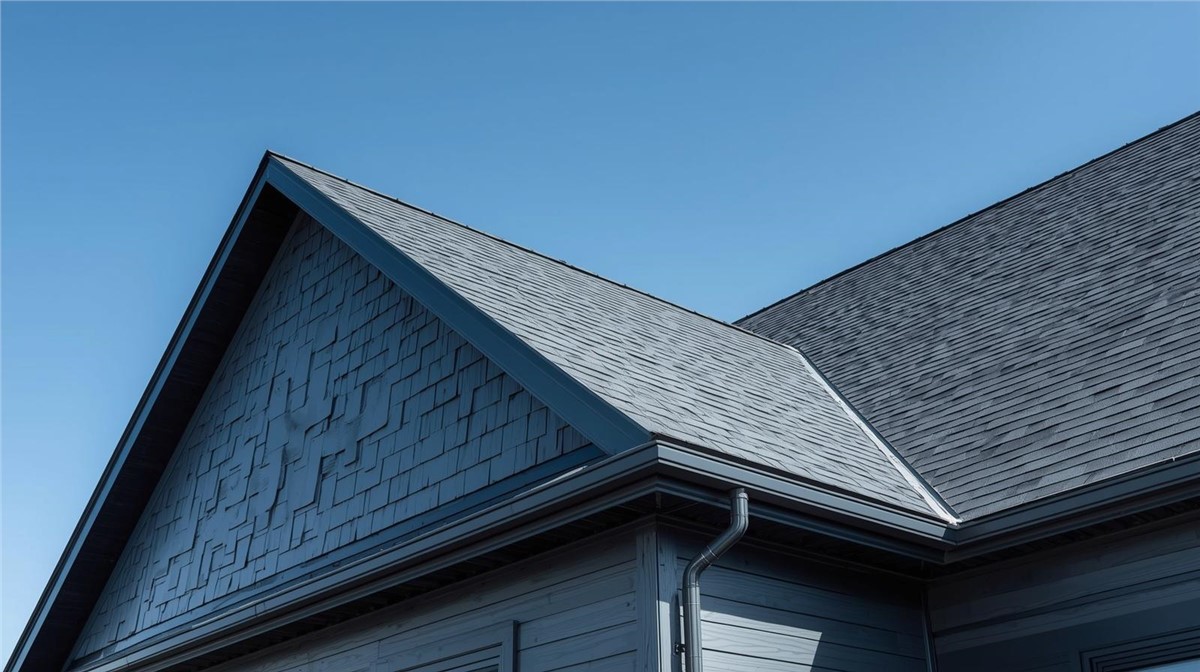
Replacing a roof is a major home investment, and cost is usually one of the first questions homeowners ask. The challenge is that no two roofs are exactly the same. A simple single-story roof may cost much less than a steep, complex roof with multiple valleys, layers, damaged decking, or ventilation issues.
For homeowners in Kankakee, IL, roof replacement cost should also account for Midwest weather. Hail, wind, heavy rain, snow, ice, humidity, heat, and freeze-thaw cycles can affect shingles, flashing, roof edges, gutters, fascia, soffit, and attic ventilation.
This 2026 homeowner guide explains what affects roof replacement pricing and what to expect before requesting an estimate.
2026 Roof Replacement Cost Overview
National 2026 cost sources commonly place professional roof replacement around the high four figures to low five figures for many homes, with pricing changing based on roof size, material, pitch, location, and project complexity. Angi lists professional roof replacement at about $9,602 on average, while HomeAdvisor lists asphalt shingle installation at about $10,057 on average, with many homeowners falling within a wider range.
Illinois-focused contractor cost guides often show asphalt shingle replacement ranges near $4.00 to $7.50 per square foot installed, depending on the source, material level, roof design, tear-off needs, and labor conditions.
These numbers are helpful for general planning, but they should not replace a local roof inspection. Your actual cost depends on your home.
Why Online Roof Cost Averages Can Be Misleading
Online averages are useful, but they cannot see your roof. They do not know whether your roof has storm damage, soft decking, poor ventilation, multiple layers, steep slopes, difficult access, or gutter-related roof edge problems.
Two homes in Kankakee may have the same square footage but very different roof replacement costs because of:
- Roof pitch
- Number of roof sections
- Valleys and dormers
- Chimneys or skylights
- Existing roof layers
- Decking condition
- Material choice
- Ventilation needs
- Flashing details
- Access around the home
- Storm damage repairs
A detailed estimate should explain these factors clearly.
Roof Size Is a Major Cost Factor
Roof size is one of the biggest factors in replacement cost. Larger roofs require more shingles, underlayment, fasteners, flashing, labor, tear-off time, and disposal.
However, roof size is not always the same as home square footage. A 2,000-square-foot home may have a larger or smaller roof surface depending on pitch, overhangs, garage size, additions, and roof design.
That is why contractors measure the actual roof area before preparing an estimate.
Roofing Material Choice
Material choice also affects cost. Asphalt shingles are common for many Kankakee homes because they balance appearance, performance, and affordability.
Common roofing options may include:
- 3-tab asphalt shingles
- Architectural asphalt shingles
- Premium asphalt shingles
- Metal roofing
- Specialty roofing materials
Architectural shingles often cost more than basic shingles but may provide a stronger appearance and better overall performance. Metal and specialty materials usually cost more than asphalt but may offer different durability and design benefits.
Tear-Off and Disposal
Many roof replacements include removing the existing roofing materials before installing the new system. Tear-off adds labor and disposal costs, but it also allows the contractor to inspect the decking underneath.
Tear-off is important when:
- The roof has multiple layers
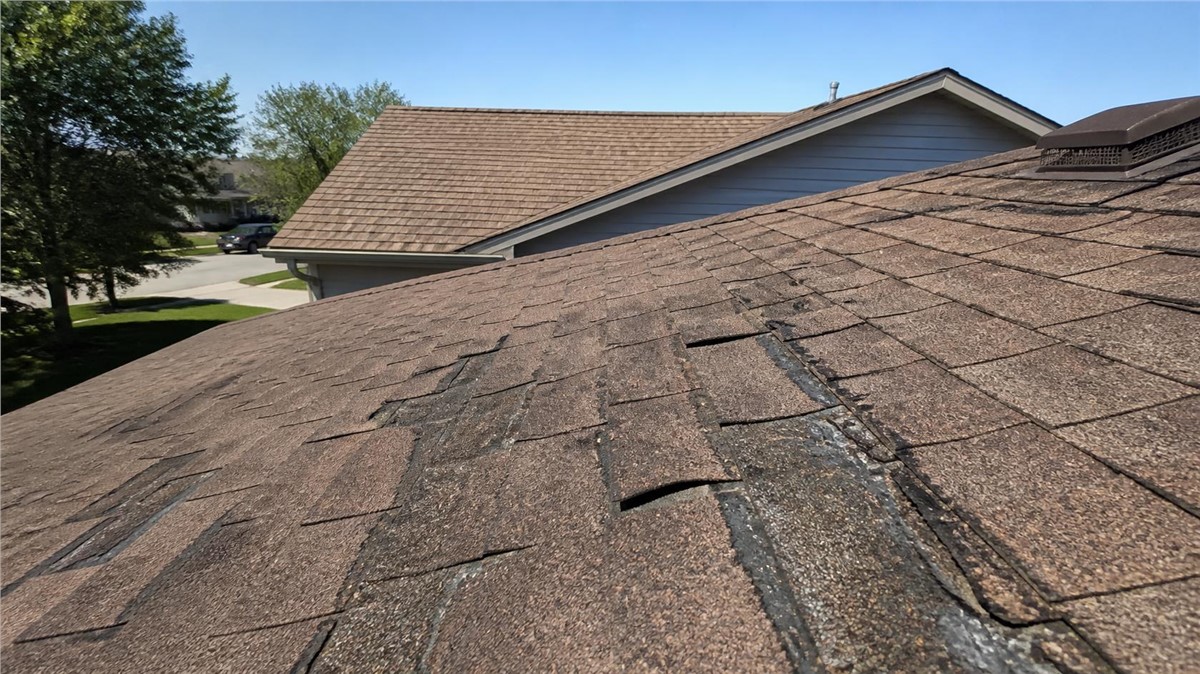
- Shingles are badly worn
- There are leaks
- Storm damage is present
- Decking condition is unknown
- The existing roof is uneven
Installing over old materials is not always the best option, especially if hidden damage may be present.
Roof Decking Repairs
The roof deck is the surface beneath the roofing materials. If decking is soft, rotted, warped, or damaged, it may need repair before new roofing can be installed.
Decking problems may be caused by:
- Long-term leaks
- Poor ventilation
- Ice damage
- Storm damage
- Moisture trapped in the attic
- Aging materials
Decking repairs can affect the final cost because the damage may not be fully visible until the old roof is removed.
Flashing, Valleys, and Roof Details
Flashing protects vulnerable roof areas where water is more likely to enter. These details should be reviewed carefully during roof replacement.
Important areas include:
- Chimneys
- Skylights
- Vent pipes
- Roof valleys
- Dormers
- Wall transitions
- Roof-to-siding connections
- Drip edge
- Ridge areas
If flashing is damaged or poorly installed, a new roof can still leak. A good estimate should include flashing details, not just shingles.
Ventilation and Attic Conditions
Roof ventilation affects roof lifespan, attic moisture, comfort, and winter ice concerns. Poor ventilation can trap heat and moisture, which may damage shingles, decking, and insulation over time.
A roof replacement estimate may include:
- Intake ventilation review
- Exhaust ventilation review
- Attic moisture signs
- Existing vent condition
- Needed ventilation upgrades
- Ice buildup concerns
Ventilation improvements can add cost, but they may also help the new roof perform better.
Gutters and Roof Edge Conditions
Gutters are closely connected to roof performance. Clogged, sagging, leaking, or poorly placed gutters can damage roof edges, fascia, soffit, siding, and foundation areas.
During a roof replacement estimate, homeowners should ask about:
- Gutter condition
- Downspout placement
- Fascia damage
- Soffit concerns
- Drip edge
- Ice buildup
- Water running behind gutters
If gutters are already failing, replacing the roof without addressing drainage may leave part of the problem unresolved.
Storm Damage and Replacement Cost
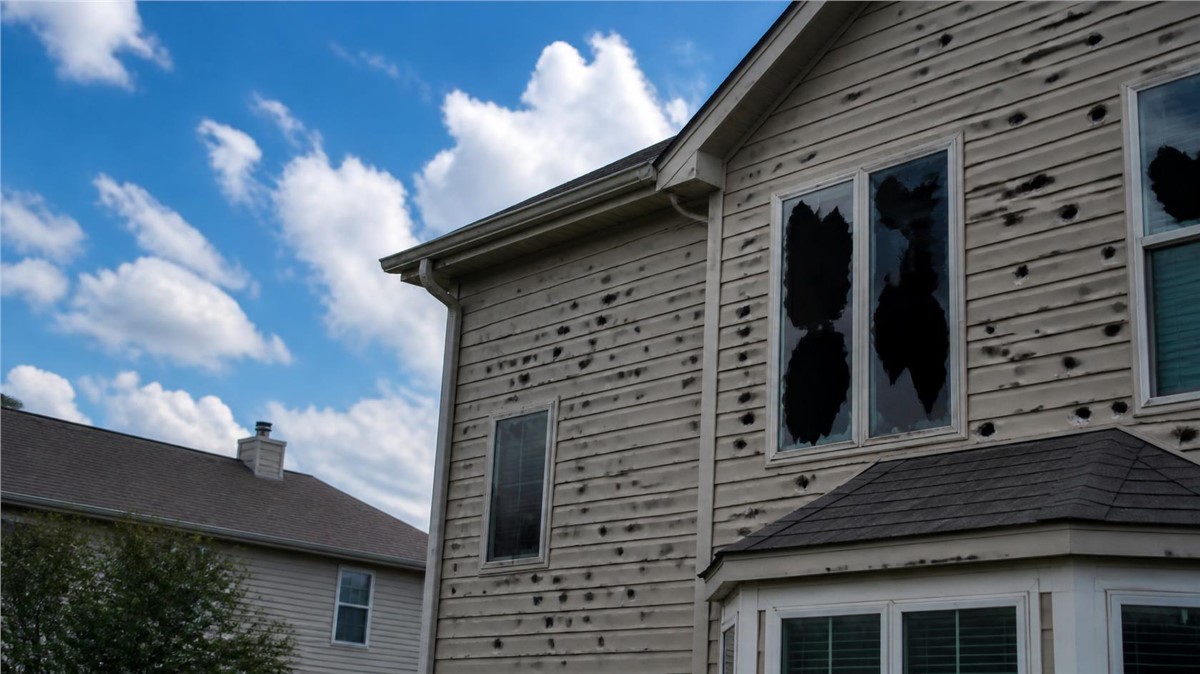
Kankakee homes can experience hail, strong wind, heavy rain, snow, and ice. Storm damage may affect more than the roof surface.
Storm-related issues may include:
- Missing shingles
- Lifted shingles
- Hail impact marks
- Granule loss
- Dented roof vents
- Damaged flashing
- Dented gutters
- Cracked siding
- Torn window screens
If storm damage is involved, the full exterior should be inspected before planning roof replacement.
Labor, Access, and Project Complexity
Labor costs can change depending on how difficult the roof is to access and replace. A simple roof with clear access is usually easier to complete than a steep or complex roof.
Cost may increase when the roof has:
- Steep slopes
- Multiple stories
- Tight property access
- Many roof sections
- Skylights or chimneys
- Heavy tear-off needs
- Extensive flashing work
- Difficult cleanup areas
A professional estimate should explain any complexity that affects pricing.
Repair vs Replacement
Roof repair may be enough if the damage is isolated and the roof is still in good condition overall.
Repair may make sense if:
- Only a few shingles are missing
- One flashing area is leaking
- One roof section has minor damage
- Gutters need adjustment
- No widespread moisture damage is found
Replacement may be better if:
- Leaks keep returning
- Shingles are worn throughout
- Storm damage affects multiple slopes
- Granule loss is heavy
- Decking or insulation is damaged
- Repairs are becoming frequent
- The roof is near the end of its lifespan
A professional inspection helps homeowners make a practical decision.
What Should Be Included in a Roofing Estimate?
A roof replacement estimate should be clear and detailed. Homeowners should understand what is included before approving the work.
A good estimate may include:
- Roof inspection findings
- Material type and color
- Tear-off details
- Underlayment
- Ice and water protection
- Flashing
- Ridge caps
- Ventilation
- Drip edge
- Cleanup and disposal
- Timeline expectations
- Warranty information
- Cost factors
The lowest estimate is not always the best value if important details are missing.
Why a Full Exterior Inspection Helps
Roof replacement should be planned with the full exterior in mind. Roofing, siding, gutters, windows, trim, fascia, soffit, flashing, and drainage all work together to protect the home.
A full inspection may include:
- Roofing
- Gutters and downspouts
- Siding
- Windows and trim
- Fascia and soffit
- Flashing
- Attic moisture signs
- Storm damage areas
Huskie Exteriors provides roofing, siding, window, gutter, and storm damage restoration services, helping homeowners evaluate the full exterior system.
Why Local Exterior Experience Matters
A local contractor understands how Illinois weather affects roofing costs and replacement planning. In Kankakee, IL, roofs need to handle hail, wind, heavy rain, snow, ice, humidity, heat, and freeze-thaw cycles.
Local experience helps homeowners understand whether pricing is affected by aging materials, storm damage, ventilation, drainage, roof complexity, or hidden moisture concerns.
Conclusion
Roof replacement cost in Kankakee, IL depends on roof size, material choice, tear-off needs, decking condition, ventilation, flashing, gutters, labor, and storm damage. Online 2026 cost averages can help with planning, but a professional inspection is the best way to understand your actual project.
If your roof is aging, leaking, missing shingles, showing storm damage, or requiring repeated repairs, Huskie Exteriors can inspect your home and recommend the right next step.
Contact Huskie Exteriors for professional roofing, siding, window, gutter, and storm damage services in Illinois and Wisconsin.
Subscribe to Huskie Exteriors's Blog





Comments