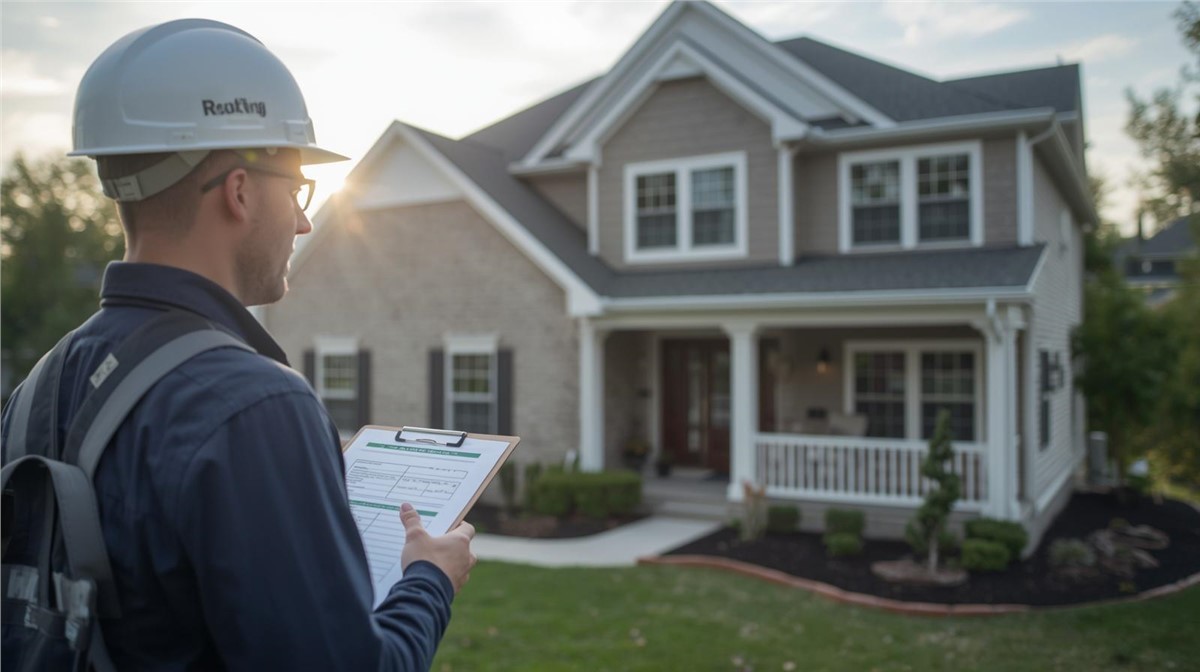
Getting a roofing estimate can feel overwhelming if you are not sure what should be included. A good estimate should do more than list a price. It should help you understand the condition of your roof, what work is recommended, and why certain repairs or replacement steps may be needed.
For homeowners in Mt. Carroll, IL, roofing estimates should account for local weather conditions such as hail, wind, heavy rain, snow, ice, and freeze-thaw cycles. These conditions can affect shingles, flashing, gutters, roof edges, ventilation, and attic moisture.
Knowing what to expect from a roofing estimate can help you compare options and make a more confident decision.
What a Roofing Estimate Should Include
A roofing estimate should provide a clear overview of the project. The details may vary depending on whether you need repair or replacement, but the estimate should be easy to understand.
A thorough estimate may include:
- Roof condition findings
- Recommended repair or replacement scope
- Roofing materials
- Underlayment details
- Flashing needs
- Ventilation review
- Gutter or roof edge concerns
- Labor and installation details
- Cleanup and disposal
- Timeline expectations
- Cost factors
- Warranty information
The goal is to explain the full scope, not just the final number.
Step 1: Roof Inspection
Before an estimate is prepared, the contractor should inspect the roof. Some damage may be visible from the ground, but many concerns require a closer professional look.
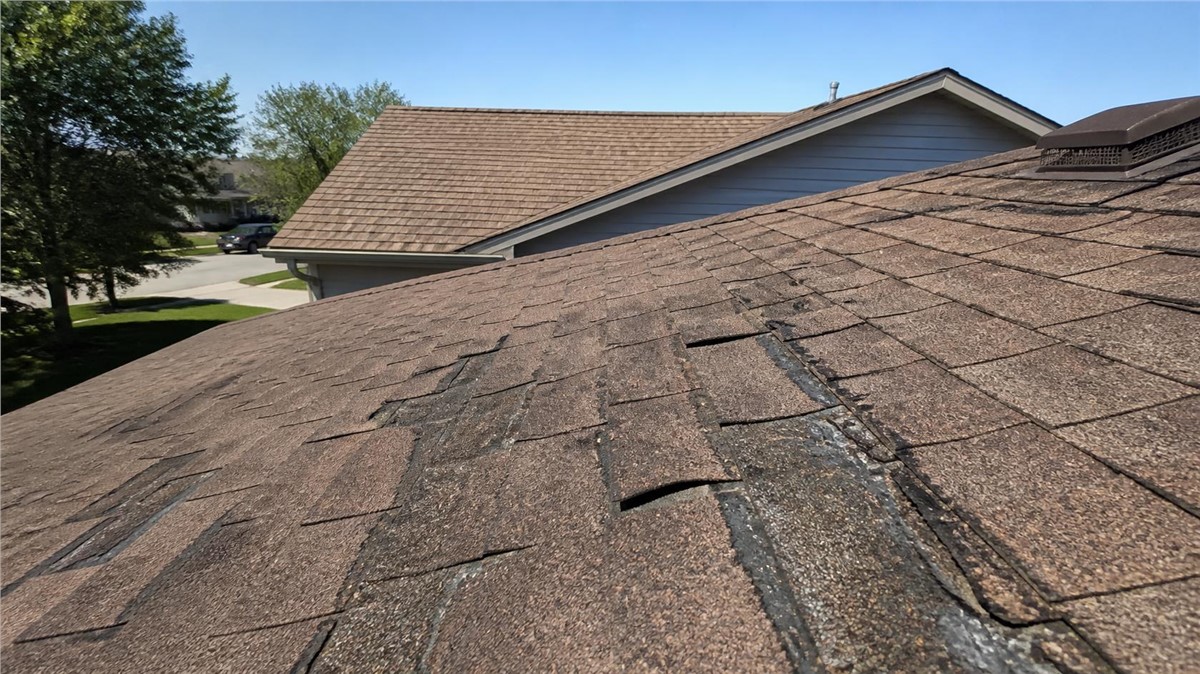
A roof inspection may check:
- Missing shingles
- Lifted shingles
- Curling or cracking
- Granule loss
- Hail impact marks
- Damaged ridge caps
- Flashing
- Roof vents
- Valleys
- Chimneys or skylights
- Roof edges
- Signs of sagging
The inspection helps determine whether repair or replacement is the better option.
Step 2: Leak and Interior Review
If you have noticed water stains or leaks, the estimate should consider possible interior moisture issues. Water can travel through attic spaces, insulation, and wall cavities before showing up inside.
Interior signs may include:
- Ceiling stains
- Damp attic insulation
- Musty odors
- Bubbling paint
- Peeling drywall
- Water near vents or chimneys
- Moisture around exterior walls
A roofing estimate should address where the leak may be coming from and whether hidden damage needs further attention.
Step 3: Storm Damage Evaluation
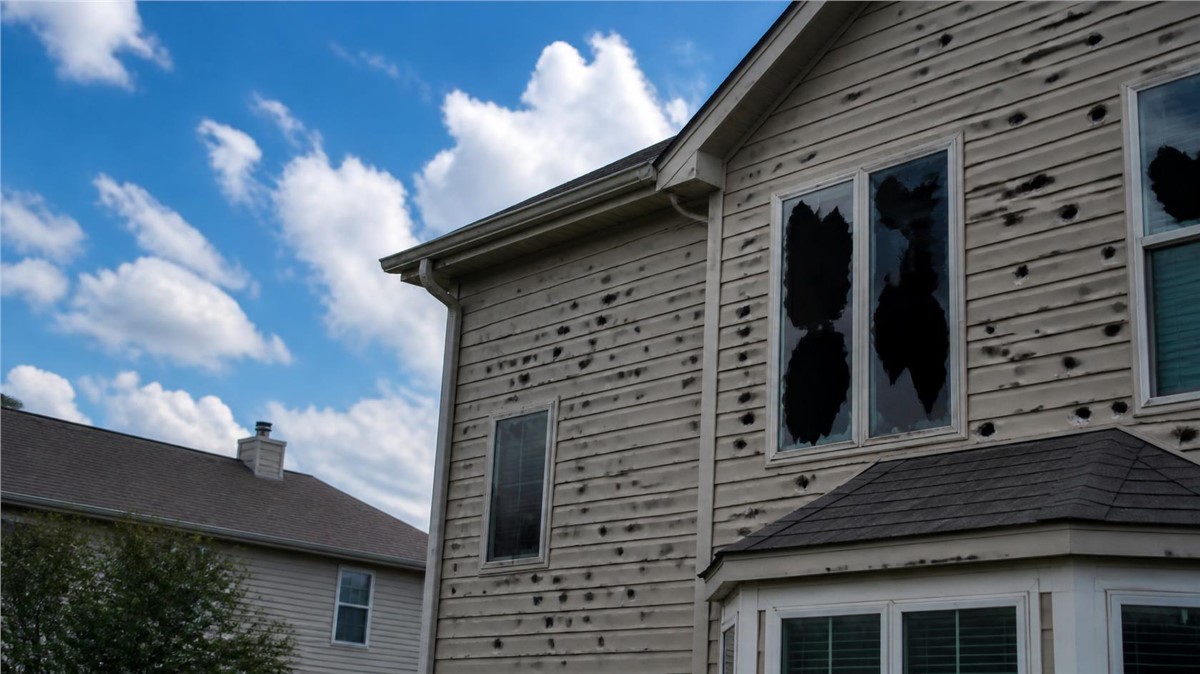
Mt. Carroll homes can be affected by hail, wind, heavy rain, and winter weather. If your estimate is related to storm damage, the contractor should inspect more than just the shingles.
Storm damage may affect:
- Roofing
- Gutters
- Downspouts
- Siding
- Windows and screens
- Fascia and soffit
- Roof vents
- Flashing
- Exterior trim
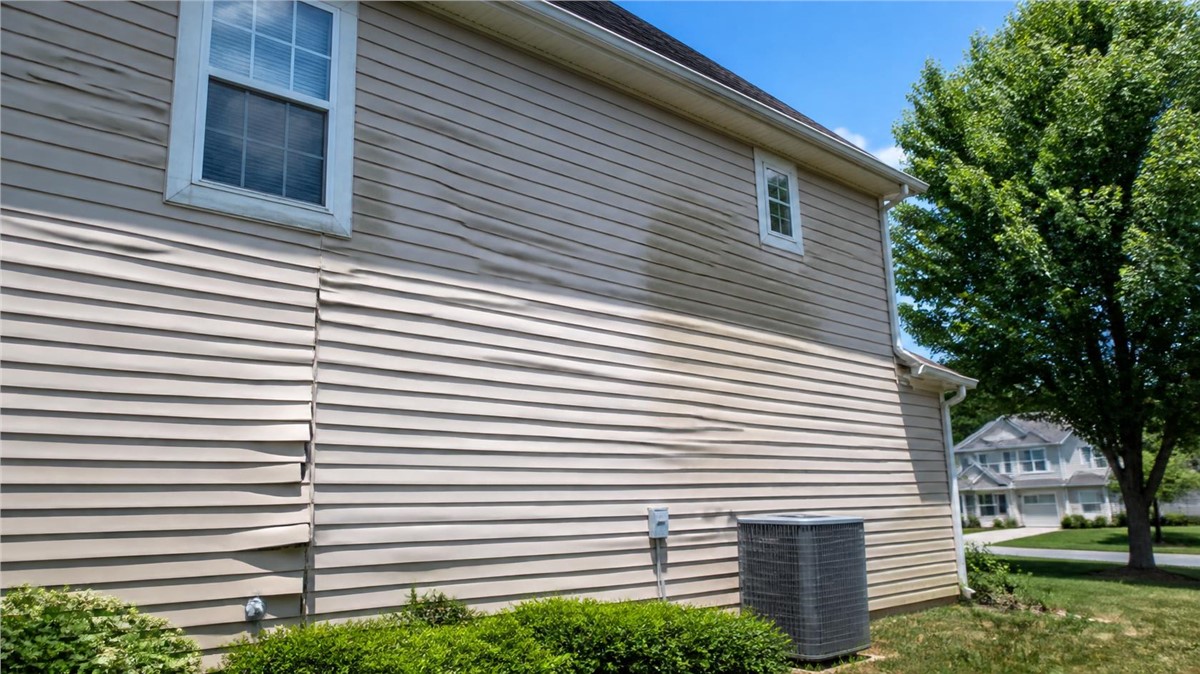
Hail or wind damage on gutters, siding, or screens can be a sign that the roof should be checked carefully too.
Step 4: Material Recommendations
A roofing estimate should explain what materials are being recommended. Different products can affect appearance, durability, performance, and cost.
Material details may include:
- Shingle type
- Shingle color
- Underlayment
- Ice and water protection
- Drip edge
- Flashing
- Ridge caps
- Starter shingles
- Ventilation components
Homeowners should understand what is included so they can compare estimates fairly.
Step 5: Ventilation Review
Roof ventilation is an important part of roof performance. Poor attic ventilation can trap heat and moisture, which may lead to premature shingle wear, attic moisture, mold concerns, or ice-related problems.
A roofing estimate may include a review of:
- Intake ventilation
- Exhaust ventilation
- Attic airflow
- Moisture signs
- Heat buildup
- Existing vents
- Needed ventilation upgrades
If ventilation is ignored, the new roof may not perform as well as expected.
Step 6: Flashing and Roof Details
Flashing protects vulnerable areas where the roof meets walls, chimneys, vents, skylights, valleys, and other transitions. Many leaks happen around these details.
The estimate should mention whether flashing will be repaired, replaced, or inspected during the project.
Important areas include:
- Chimney flashing
- Wall flashing
- Pipe boots
- Skylight flashing
- Valley flashing
- Roof-to-wall transitions
- Drip edge
- Roof penetrations
Clear flashing details help prevent future water intrusion.
Step 7: Gutters and Roof Edge Concerns
Gutters are closely connected to roof performance. If gutters are clogged, sagging, leaking, or pulling away, water may affect roof edges, fascia, soffit, siding, and foundation areas.
A roofing estimate may note:
- Gutter condition
- Downspout placement
- Fascia damage
- Soffit concerns
- Roof edge wear
- Ice buildup risks
- Water drainage issues
If gutter problems are contributing to roof damage, they should be addressed as part of the exterior plan.
Repair Estimate vs Replacement Estimate
A repair estimate is usually focused on a smaller area, such as replacing missing shingles, fixing flashing, sealing a leak, or addressing storm damage in one section.
A replacement estimate is more complete and may include removing the old roof, inspecting decking, installing new underlayment, replacing shingles, updating ventilation, repairing flashing, and cleaning the work area.
Repair may make sense if:
- Damage is isolated
- The roof is still in good condition overall
- Only one leak area is present
- Shingles are not heavily worn
- No widespread storm damage is found
Replacement may be better if:
- Leaks keep returning
- Shingles are worn throughout
- Storm damage affects multiple slopes
- Granule loss is heavy
- Decking or insulation is damaged
- Repairs are becoming frequent
Questions to Ask During a Roofing Estimate
Homeowners should feel comfortable asking questions before approving any roofing work.
Helpful questions include:
- What damage did you find?
- Is repair or replacement the better option?
- What materials are included?
- Will flashing be replaced?
- Will ventilation be checked?
- Are gutters or roof edges affected?
- What happens if damaged decking is found?
- What is included in cleanup?
- How long should the project take?
- What warranty information is available?
Clear answers help homeowners understand the project before work begins.
Cost Factors in a Roofing Estimate
Roofing costs can vary based on the condition of the home and the scope of work. A low price is not always the best value if important details are missing.
Common cost factors include:
- Roof size
- Roof pitch
- Material choice
- Tear-off needs
- Decking condition
- Flashing repairs
- Ventilation upgrades
- Access around the home
- Storm damage repairs
- Cleanup and disposal
A detailed estimate should make the cost easier to understand.
Why a Full Exterior Inspection Helps
Roofing problems are often connected to the full exterior system. A storm can damage shingles, gutters, siding, windows, fascia, soffit, and trim during the same event.
A full exterior inspection may include:
- Roofing
- Gutters and downspouts
- Siding
- Windows and screens
- Flashing
- Fascia and soffit
- Attic moisture signs
- Drainage around the home
Huskie Exteriors provides roofing, siding, window, gutter, and storm damage restoration services, helping homeowners evaluate the full exterior system.
Why Local Exterior Experience Matters
A local contractor understands how northwest Illinois weather affects roofing systems. In Mt. Carroll, IL, roofs need to handle hail, wind, heavy rain, snow, ice, summer heat, and freeze-thaw cycles.
Local experience helps homeowners understand whether roof damage is caused by normal aging, storm damage, ventilation problems, drainage issues, or installation concerns.
Conclusion
A roofing estimate in Mt. Carroll, IL should explain the condition of your roof, the recommended scope of work, material options, ventilation, flashing, gutters, timeline, cleanup, and cost factors. The best estimates help homeowners understand both the visible damage and the hidden details that affect long-term roof performance.
If your roof is leaking, aging, storm-damaged, missing shingles, or showing signs of wear, Huskie Exteriors can inspect your home and recommend the right next step.
Contact Huskie Exteriors for professional roofing, siding, window, gutter, and storm damage services in Illinois and Wisconsin.
Subscribe to Huskie Exteriors's Blog





Comments