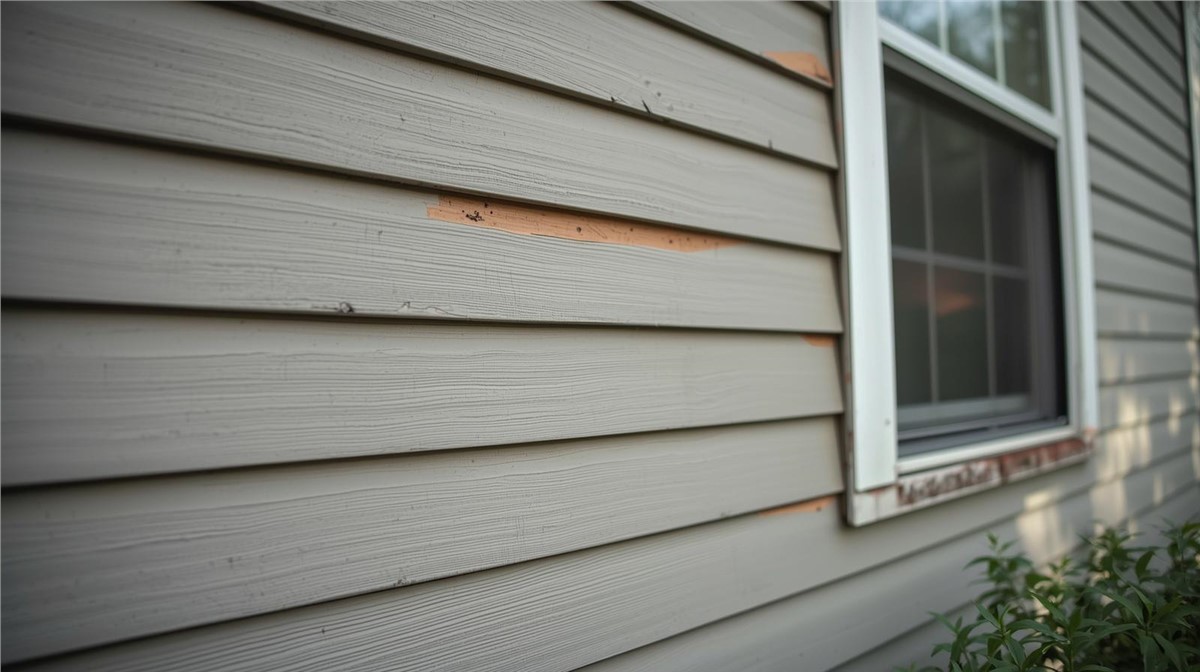
New siding can improve curb appeal, protect your home from weather, and help reduce exterior maintenance. But siding only performs well when it is installed correctly. Even high-quality siding can fail early if the installation details are rushed or overlooked.
For homeowners in Freeport, IL, proper siding installation is especially important because homes face hail, wind, heavy rain, snow, ice, humidity, and freeze-thaw cycles. These conditions can expose small installation mistakes and turn them into moisture problems, loose panels, or exterior damage.
Understanding common siding installation mistakes can help homeowners make better decisions before starting a replacement project.
Mistake 1: Choosing Siding Based Only on Appearance
Color and style matter, but siding should not be chosen on appearance alone. The right siding also needs to fit the home’s weather exposure, maintenance needs, budget, and exterior system.
Homeowners should consider:
- Durability
- Maintenance requirements
- Moisture resistance
- Wind performance
- Color stability
- Trim compatibility
- Local weather exposure
- Long-term repair options
A siding product that looks good but does not fit the home’s needs may create problems later.
Mistake 2: Ignoring Midwest Weather Conditions
Freeport homes need siding that can handle changing seasons. Summer heat, winter cold, heavy rain, hail, snow, and freeze-thaw cycles can all affect siding performance.
Weather-related issues may include:
- Expansion and contraction
- Cracking from impact
- Moisture behind panels
- Loose siding after wind
- Ice near lower walls
- Fading from sun exposure
- Damage from falling debris
A siding installation should account for how materials move, drain, and protect the home through every season.
Mistake 3: Poor Fastening
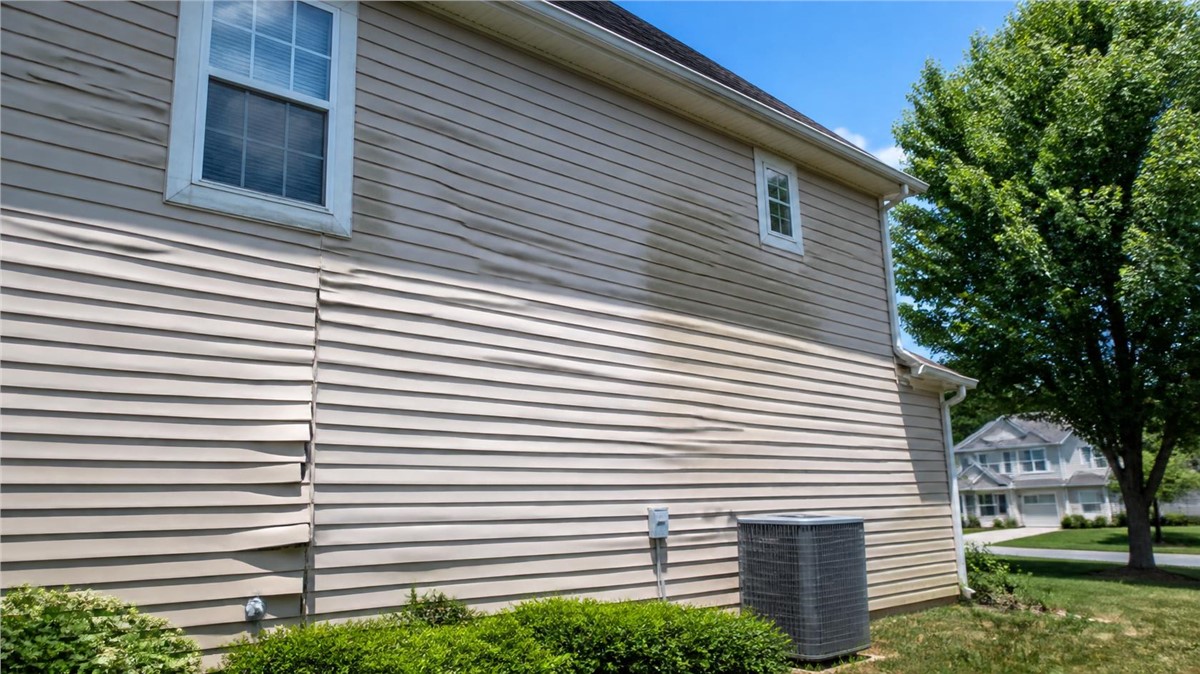
Siding must be fastened correctly. If panels are nailed too tightly, they may not have room to expand and contract. If they are fastened too loosely, they may rattle, shift, or come loose in strong wind.
Poor fastening can lead to:
- Warped panels
- Buckling
- Loose siding
- Rattling during wind
- Gaps at seams
- Early material damage
Proper fastening helps siding stay secure while still allowing normal movement.
Mistake 4: Skipping Proper Flashing
Flashing is one of the most important parts of siding installation. It helps direct water away from vulnerable areas, especially around windows, doors, rooflines, and wall transitions.
Flashing mistakes can lead to:
- Water behind siding
- Window leaks
- Soft trim
- Interior wall stains
- Damaged sheathing
- Mold or mildew concerns
A clean siding surface does not matter if water can enter behind it. Flashing should be planned carefully before installation is complete.
Mistake 5: Not Checking for Existing Moisture Damage
New siding should not simply cover old damage. If moisture, rot, or soft sheathing is hidden behind the existing siding, those issues should be addressed before new materials are installed.
Warning signs of hidden moisture may include:
- Soft trim
- Dark stains
- Musty odors
- Warped siding
- Interior water marks
- Mold or mildew
- Peeling paint near exterior walls
- Damp insulation
Installing new siding over damaged materials can trap moisture and lead to bigger repairs later.
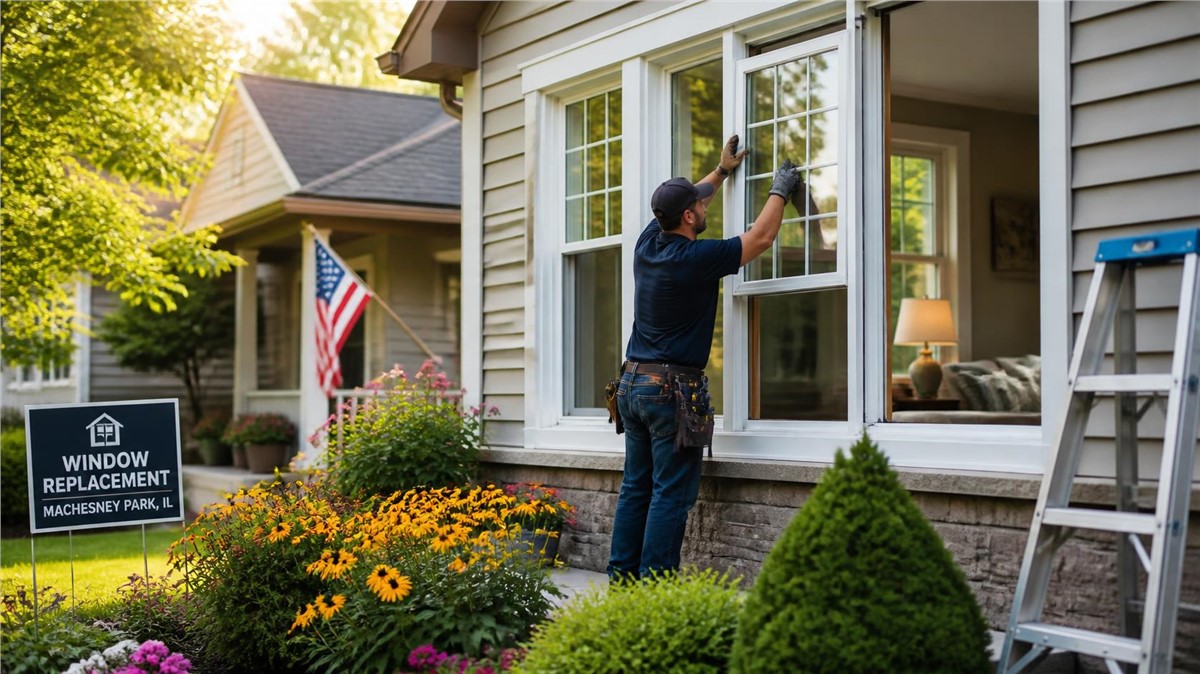
Mistake 6: Poor Window and Door Trim Details
Windows and doors are common areas for siding problems because they include seams, trim, caulking, flashing, and transitions. If these details are not handled correctly, water may enter around the opening.
Watch for:
- Gaps around trim
- Uneven caulking
- Missing flashing
- Poor siding cuts
- Loose trim pieces
- Water stains below windows
- Soft window trim
A good siding installation should protect these openings, not just frame them visually.
Mistake 7: Ignoring Gutters and Downspouts
Gutters and downspouts affect how well siding performs. If gutters overflow or downspouts drain too close to the home, water can run down siding or collect near lower wall areas.
Gutter issues that can damage siding include:
- Clogged gutters
- Leaking seams
- Sagging sections
- Overflow during rain
- Short downspouts
- Water pooling near the foundation
- Ice buildup near roof edges
Before siding installation, gutters and drainage should be reviewed to prevent water from damaging the new exterior.
Mistake 8: Forgetting About Siding Ventilation and Wall Protection
Siding works with the wall system behind it. House wrap, moisture barriers, flashing, trim, and ventilation details all help manage water and airflow.
Problems can happen when installers ignore:
- House wrap condition
- Moisture barrier gaps
- Proper drainage paths
- Vent openings
- Utility penetrations
- Caulking details
- Wall transitions
The goal is not only to cover the wall but to help the exterior manage moisture correctly.
Mistake 9: Installing Over Uneven or Damaged Surfaces
Siding should be installed over a sound surface. If the wall underneath is uneven, damaged, or deteriorated, the finished siding may not sit properly.
This can create:
- Wavy siding
- Poor panel alignment
- Gaps at seams
- Weak attachment points
- Trim problems
- Moisture entry points
A contractor should inspect the wall surface after old siding is removed and make repairs as needed.
Mistake 10: Choosing the Wrong Contractor
Siding installation requires skill, product knowledge, and attention to detail. Choosing based only on the lowest price can lead to shortcuts, poor installation, and future problems.
When reviewing contractors, homeowners should consider:
- Exterior experience
- Knowledge of local weather
- Clear project scope
- Material recommendations
- Installation details
- Communication
- Cleanup expectations
- Full exterior inspection process
The right contractor should explain the project clearly and help homeowners understand what is being installed.
Repair vs Replacement Before Installation
Sometimes homeowners request new siding because of visible damage, but the full exterior should be inspected first.
Repair may make sense if:
- Damage is isolated
- Only a few panels are cracked
- Trim damage is minor
- Moisture has not spread
- Existing siding is still in good condition
Replacement may be better if:
- Damage affects multiple walls
- Siding is faded, brittle, or warped
- Moisture damage is present
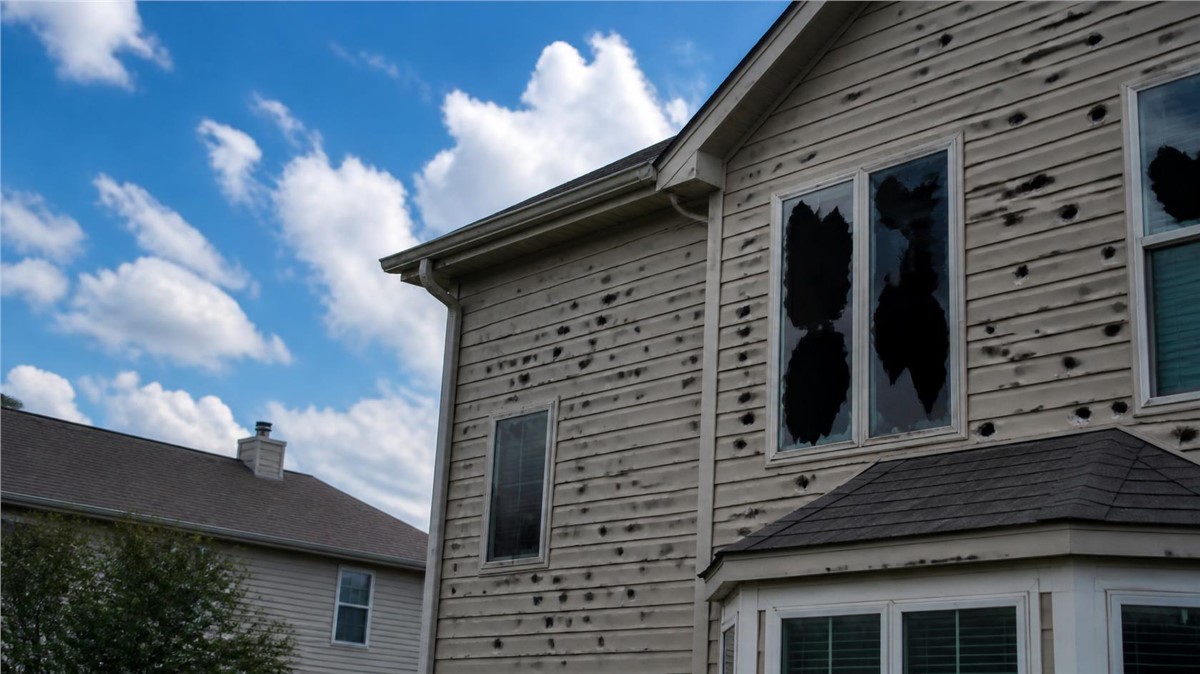
- Storm damage is widespread
- Repairs would not match well
- Panels keep coming loose
A professional inspection helps determine the right approach before installation begins.
Why a Full Exterior Inspection Helps
Siding installation should be planned with the entire exterior system in mind. Roofing, gutters, windows, trim, fascia, soffit, flashing, and drainage all affect siding performance.
A full exterior inspection may include:
- Existing siding condition
- Roofing and roof edges
- Gutters and downspouts
- Windows and doors
- Fascia and soffit
- Flashing
- Trim details
- Moisture signs
- Foundation drainage
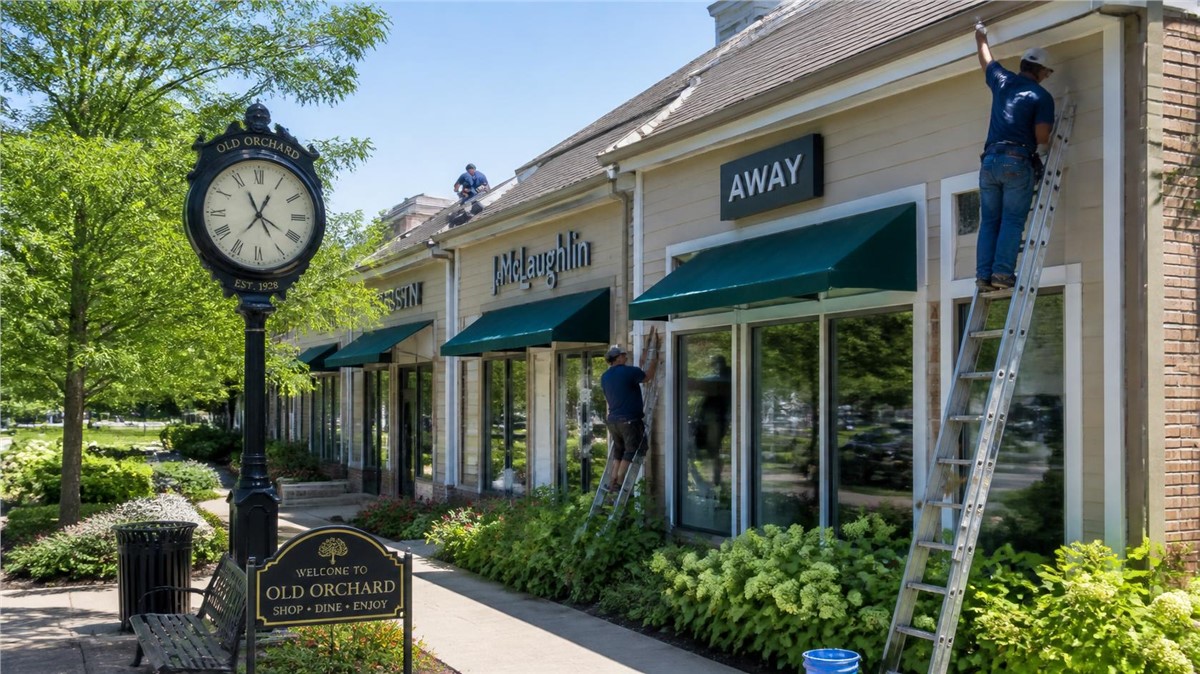
Huskie Exteriors provides roofing, siding, window, gutter, and storm damage restoration services, helping homeowners evaluate the full exterior before siding work begins.
Why Local Exterior Experience Matters
A local contractor understands how northern Illinois weather affects siding. In Freeport, IL, siding must be installed to handle hail, wind, rain, snow, ice, humidity, heat, and freeze-thaw cycles.
Local experience helps homeowners avoid installation mistakes that can lead to loose panels, water intrusion, poor drainage, trim damage, and early replacement needs.
Conclusion
Siding installation mistakes in Freeport, IL can lead to moisture damage, warping, leaks, poor appearance, and shorter siding lifespan. Homeowners should avoid poor fastening, missing flashing, skipped moisture checks, bad trim details, drainage problems, and choosing materials without considering local weather.
If you are planning siding replacement or concerned about existing siding damage, Huskie Exteriors can inspect your home and recommend the right next step.
Contact Huskie Exteriors for professional roofing, siding, window, gutter, and storm damage services in Illinois and Wisconsin.
Subscribe to Huskie Exteriors's Blog





Comments