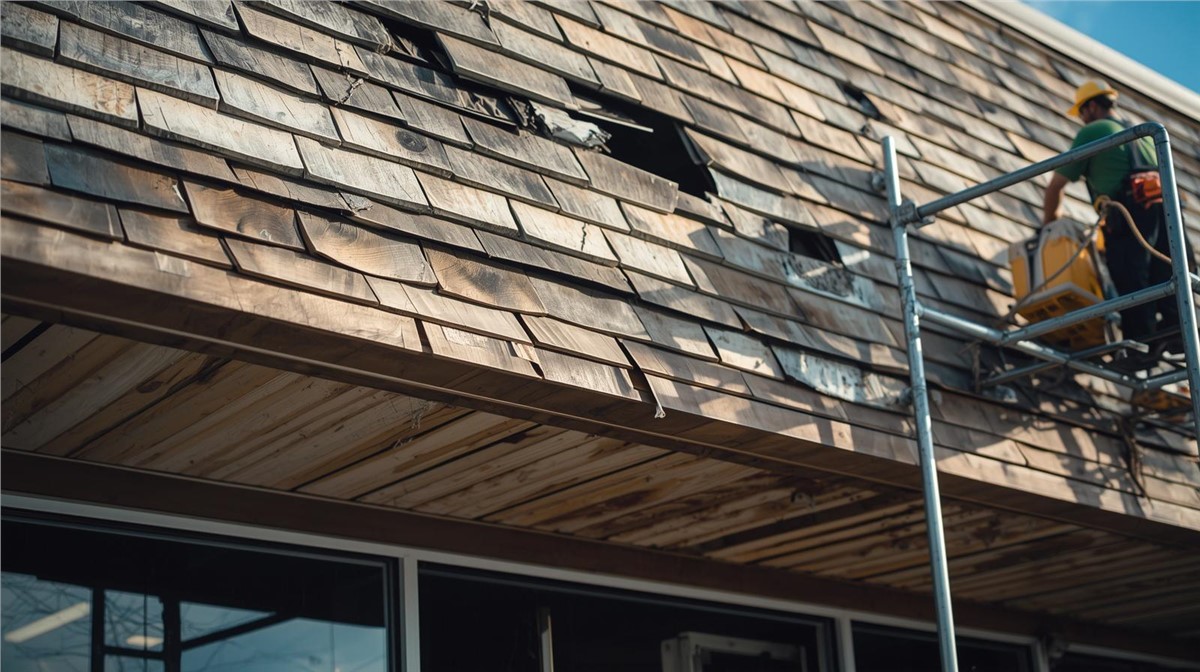
A business exterior does more than create a first impression. It protects the building, employees, customers, tenants, equipment, inventory, and daily operations from weather and moisture damage.
For business owners and property managers in Rock Falls, IL, exterior restoration may be needed after severe storms, aging materials, poor drainage, recurring leaks, or visible wear. Hail, wind, heavy rain, snow, ice, and freeze-thaw cycles can affect roofing, siding, windows, gutters, fascia, soffit, and exterior trim.
Knowing what to inspect and how to prioritize repairs can help protect the building and reduce disruption.
Why Business Exterior Restoration Matters
Commercial buildings often have larger roof areas, more exterior openings, and more drainage demands than residential properties. When one exterior system fails, other parts of the building may be affected.
Exterior restoration can help address:
- Roof leaks
- Damaged siding
- Dented gutters
- Broken or leaking windows
- Loose trim
- Fascia and soffit damage
- Water near entrances
- Foundation moisture concerns
- Interior stains
- Tenant or customer complaints
- Storm-related wear
A well-maintained exterior helps keep the building safer, cleaner, and more reliable.
Start with Safety After Severe Weather
After a storm, safety should come first. Business owners should avoid climbing onto the roof or touching damaged exterior materials.
Check from the ground for:
- Loose siding or panels
- Hanging gutters
- Broken glass
- Fallen branches
- Shingles or roofing materials on the ground
- Water near electrical areas
- Slippery walkways
- Ice near entrances
- Damaged outdoor lighting
- Loose signs or trim
If any area appears unsafe, keep employees, customers, and visitors away until it can be inspected.
Roof Damage Should Be a Priority
The roof is one of the most important parts of a commercial building. Even minor roof damage can lead to leaks, wet insulation, damaged ceiling tiles, and interior moisture problems.
Storm-related roof issues may include:
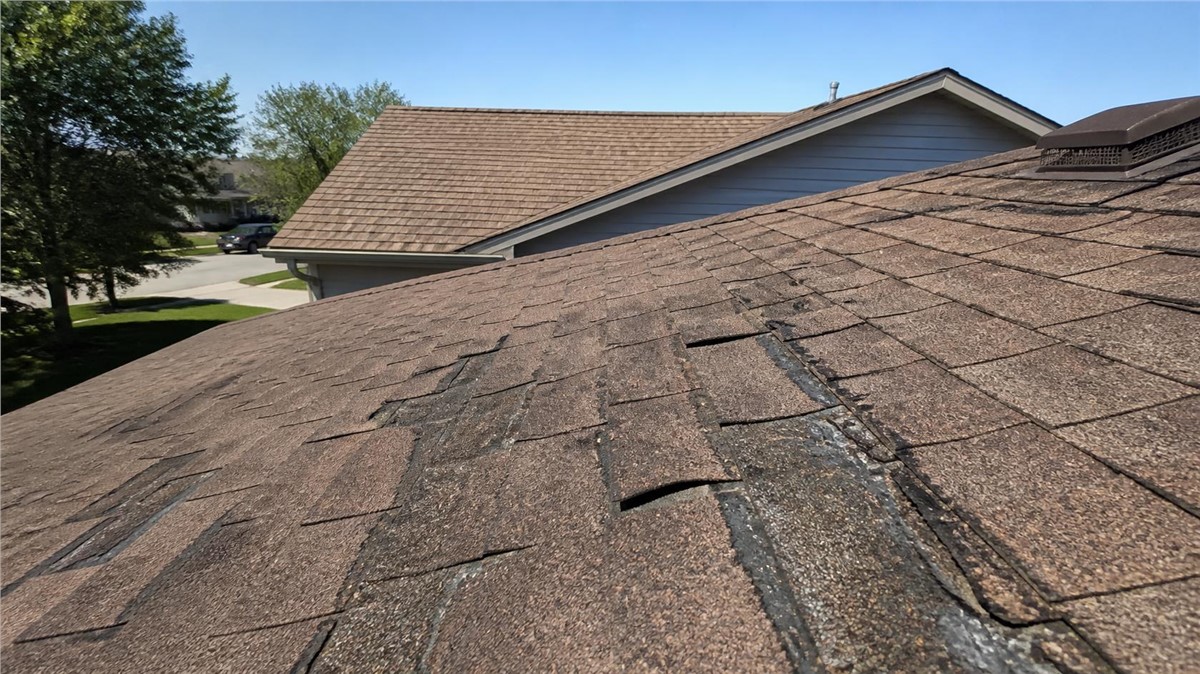
- Missing or lifted shingles
- Punctures or tears on low-slope roofing
- Open seams
- Damaged flashing
- Loose roof edges
- Ponding water
- Clogged drains
- Damaged vents
- Hail impact marks
- Debris on the roof
A professional inspection can help determine whether the roof needs repair, replacement, or temporary protection.
Watch for Interior Moisture Signs
Interior signs can reveal exterior damage that is not visible from the ground. Water may travel through roofing, siding, window openings, or wall systems before appearing inside.
Look for:
- Ceiling stains
- Wet flooring
- Damp insulation
- Discolored ceiling tiles
- Bubbling paint
- Musty odors
- Moisture near windows
- Water along exterior walls
- Repeated leaks in the same area
Even if the water dries, the source should be inspected before the next storm.
Siding and Exterior Wall Damage
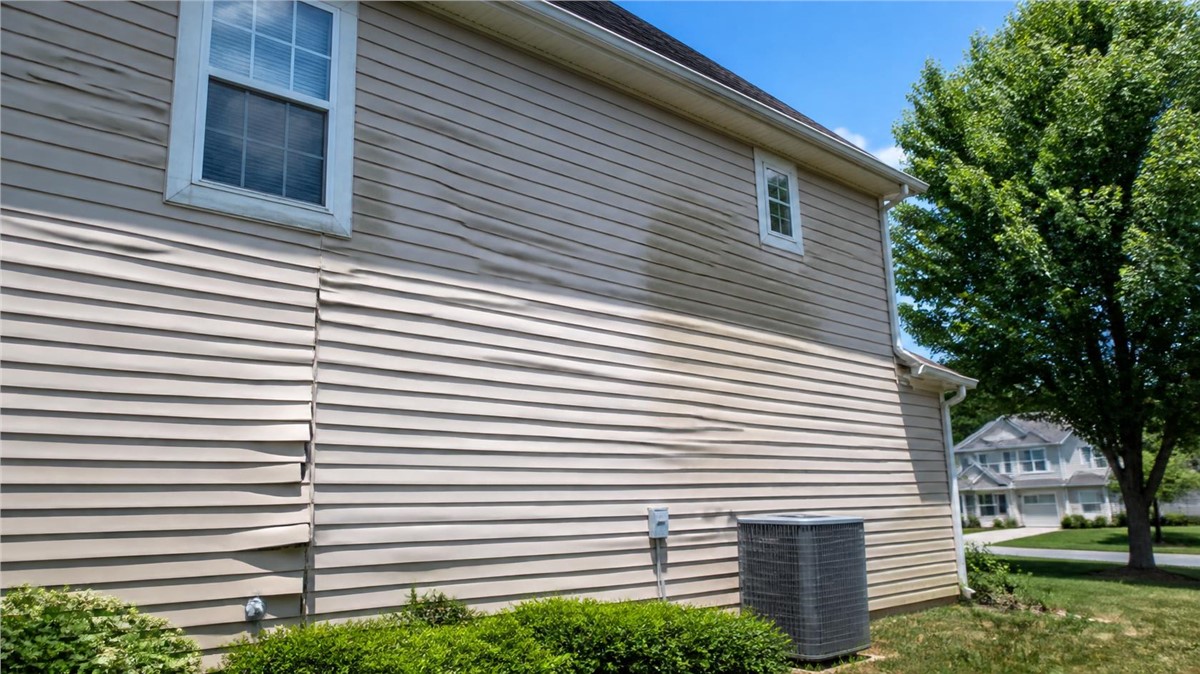
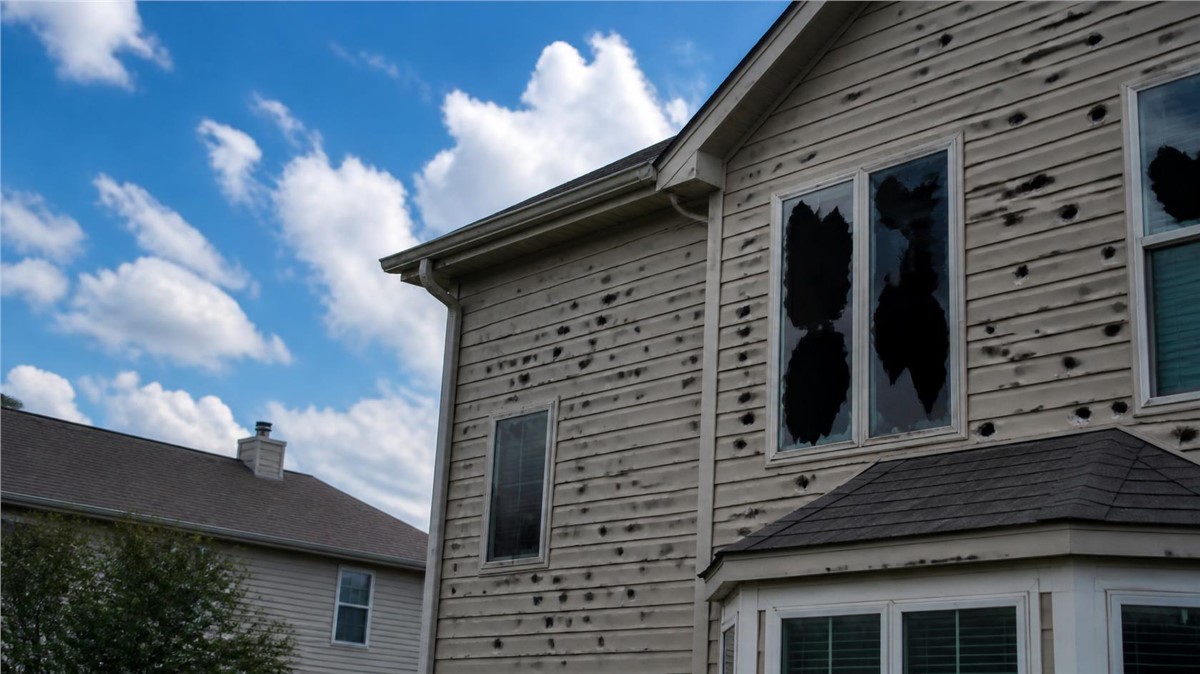
Siding and wall systems protect the building from wind-driven rain, hail, and temperature changes. Damaged siding can allow moisture behind the exterior surface.
Common siding concerns include:
- Cracks
- Dents
- Loose panels
- Holes or punctures
- Warping
- Gaps at seams
- Damaged trim
- Water stains
- Soft materials around openings
If siding damage is widespread, replacement may be more practical than repeated repairs.
Gutters, Downspouts, and Drainage
Gutters and downspouts are critical for controlling water around a business property. When they fail, water can damage the roof edge, siding, foundation, walkways, landscaping, and parking areas.
Check for:
- Overflowing gutters
- Sagging sections
- Leaking seams
- Loose downspouts
- Dented gutters after hail
- Clogged outlets
- Water pooling near the building
- Drainage across entrances
- Ice buildup in winter
Poor drainage can create safety issues and increase moisture risks around the property.
Windows, Doors, and Openings
Windows and doors are common weak points during storms. Wind-driven rain, hail, and debris can affect glass, seals, frames, trim, and flashing.
Warning signs include:
- Cracked glass
- Torn screens
- Fog between panes
- Drafts
- Water stains below windows
- Damaged caulking
- Soft or loose trim
- Doors that no longer close properly
- Moisture near interior walls
A leak near a window may involve the window, siding, gutters, flashing, or roof edge, so the surrounding exterior should be checked too.
Storm Damage vs Normal Wear
Not every exterior issue is storm-related. Some problems develop gradually because of age, poor drainage, sun exposure, moisture, or lack of maintenance.
Storm damage may include:
- Hail dents
- Cracked siding
- Missing shingles
- Torn screens
- Sudden leaks
- Loose roof materials
- Damaged gutters after high winds
Normal wear may include:
- Fading materials
- Aging caulk
- Minor surface stains
- Older seals
- Gradual gutter sagging
- Worn trim
A professional inspection can help identify what caused the damage and what repairs are needed.
Maintenance Priorities for Business Properties
Regular maintenance helps reduce emergency repairs and keeps the exterior performing better through seasonal weather.
Business owners should schedule routine checks for:
- Roof condition
- Gutters and downspouts
- Siding and wall panels
- Windows and doors
- Flashing
- Fascia and soffit
- Exterior trim
- Drainage areas
- Walkways and entrances
- Storm damage signs
Seasonal inspections are especially helpful before winter and after severe storms.
Repair vs Replacement
Business exterior restoration may involve small repairs, full replacement, or a combination of both.
Repair may make sense if:
- Damage is isolated
- One roof area is leaking
- A few siding panels are damaged
- One gutter section is loose
- Window or trim damage is minor
- No widespread moisture damage is found
Replacement may be better if:
- Damage affects multiple areas
- Leaks keep returning
- Roofing is near the end of its life
- Siding is brittle, warped, or damaged throughout
- Gutters are failing across the system
- Windows are drafty or leaking
- Repairs are becoming frequent
A clear inspection report can help property owners decide what comes first.
Planning Around Business Operations
Exterior restoration should be planned with daily business activity in mind. Work areas, entrances, parking lots, deliveries, tenants, and customer access may all need coordination.
Planning may include:
- Safe work zones
- Clear entrance access
- Tenant or employee communication
- Parking adjustments
- Delivery coordination
- Material staging
- Noise expectations
- Cleanup schedule
- Weather planning
A good restoration plan helps reduce disruption while keeping repairs organized.
Why a Full Exterior Inspection Helps
Storm damage and maintenance issues often affect more than one area. A hailstorm may damage roofing, siding, gutters, windows, trim, and vents during the same event. Drainage problems may affect siding, foundations, walkways, and lower walls.
A full exterior inspection may include:
- Roofing
- Siding
- Gutters and downspouts
- Windows and doors
- Fascia and soffit
- Flashing
- Exterior trim
- Interior moisture signs
- Drainage around the building
Huskie Exteriors provides roofing, siding, window, gutter, and storm damage restoration services, helping business owners evaluate the full exterior system.
Why Local Exterior Experience Matters
A local contractor understands how northern Illinois weather affects commercial exteriors. In Rock Falls, IL, business properties need roofing, siding, gutters, and windows that can handle hail, wind, heavy rain, snow, ice, and freeze-thaw cycles.
Local experience helps business owners prioritize urgent repairs, identify hidden damage, and plan maintenance that protects the property long term.
Conclusion
Business exterior restoration in Rock Falls, IL should focus on storm damage, water control, safety, and regular maintenance. Roofing, siding, gutters, windows, trim, and drainage all work together to protect the building and support daily operations.
If your business property has leaks, storm damage, damaged siding, failing gutters, window issues, or exterior wear, Huskie Exteriors can inspect the building and recommend the right next step.
Contact Huskie Exteriors for professional roofing, siding, window, gutter, and storm damage services in Illinois and Wisconsin.
Subscribe to Huskie Exteriors's Blog




Comments