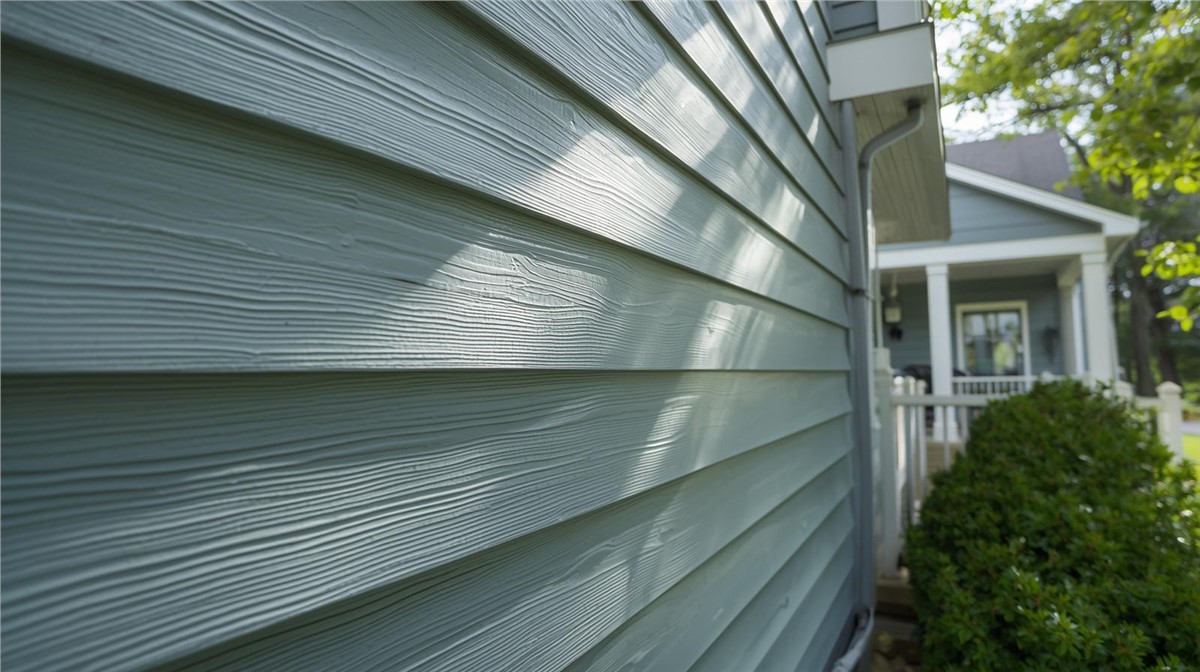
Siding does more than improve curb appeal. It protects your home from rain, wind, moisture, pests, sun exposure, snow, ice, and seasonal temperature changes.
For homeowners in Lake Summerset, IL, siding lifespan can vary depending on the material and how well the exterior system is maintained. Some siding lasts for decades, while other siding may need repair or replacement sooner because of storm damage, poor installation, moisture problems, fading, or impact damage.
Understanding what affects siding life can help homeowners plan ahead and know when it may be time for an inspection.
What Is the Average Siding Lifespan?
Siding lifespan depends heavily on the material. Vinyl siding is common on Midwest homes and can last for many years when installed correctly and maintained. Fiber cement, engineered wood, and other siding products may have different expected lifespans depending on product type, exposure, and upkeep.
However, age alone does not determine whether siding needs replacement. A newer siding system can be damaged by hail, wind, or poor drainage. An older siding system may still protect the home well if it has been maintained and inspected over time.
The real question is whether the siding is still protecting the home from moisture and weather.
Why Lake Summerset Weather Matters
Homes in Lake Summerset face changing Midwest conditions throughout the year. Weather exposure can affect siding surfaces, seams, trim, and wall protection.
Local siding stressors include:
- Hail impact
- Strong wind
- Heavy rain
- Snow and ice
- Freeze-thaw cycles
- Summer heat
- Humidity
- Wind-driven debris
These conditions can gradually weaken siding or create sudden damage after severe weather.
Hail Damage and Siding Life
Hail can shorten siding lifespan by cracking, denting, chipping, or puncturing panels. Damage may be easy to see on one side of the home and harder to notice on another, depending on wind direction and storm intensity.
Hail may cause:
- Cracks in vinyl siding
- Holes or punctures
- Dents in metal trim
- Chipped edges
- Broken corner pieces
- Loose panels
- Damage near windows or doors
If hail has damaged your siding, the roof, gutters, windows, screens, fascia, and soffit should also be checked.
Wind Damage and Loose Panels
Strong wind can loosen siding panels, open seams, or pull pieces away from the wall. Even if the siding does not fall off, lifted or loose panels can allow wind-driven rain behind the exterior.
Signs of wind-related siding damage include:
- Rattling siding
- Gaps at seams
- Loose corner pieces
- Panels pulling away
- Missing siding sections
- Water stains after storms
- Drafts near exterior walls
Loose siding should be repaired before the next storm makes the problem worse.
Moisture Problems Behind Siding
Moisture is one of the biggest threats to siding performance. If water gets behind siding and stays trapped, it can affect sheathing, insulation, framing, and interior walls.
Warning signs may include:
- Warped siding
- Dark stains
- Mold or mildew
- Soft trim
- Bubbling interior paint
- Musty odors
- Damp drywall
- Water stains below windows
- Peeling caulk
Moisture problems should be inspected quickly because hidden damage may spread beyond the visible siding surface.
Fading, Brittleness, and Aging
Over time, siding may fade, become brittle, or lose its original appearance. Fading alone does not always mean siding has failed, but it can be a sign that the material is aging.
Older siding may become more vulnerable to:
- Cracking during temperature changes
- Hail impact
- Wind damage
- Loose fasteners
- Warping
- Poor color matching during repairs
If siding breaks easily or repairs no longer blend well, replacement may be more practical.
Installation Quality Matters
Siding lifespan depends strongly on installation quality. Even good siding can fail early if it is installed incorrectly.
Important details include:
- Proper fastening
- Correct panel spacing
- Clean seams
- Flashing around openings
- Trim installation
- Moisture barrier condition
- Window and door transitions
- Proper ventilation where needed
Siding must be installed with room for temperature movement. If panels are too tight or poorly secured, buckling and warping can happen.
Gutters and Drainage Affect Siding Life
Gutters help protect siding by moving roof runoff away from exterior walls and the foundation. When gutters overflow or leak, water can run down the siding and enter small gaps.
Gutter problems that may damage siding include:
- Clogged gutters
- Overflow during rain
- Leaking seams
- Loose downspouts
- Short downspout extensions
- Sagging gutter sections
- Ice buildup near roof edges
If siding stains appear below gutters or near downspouts, the drainage system should be inspected.
Windows, Doors, and Trim
Siding often fails first around openings because windows and doors have seams, trim, caulking, and flashing that must keep water out.
Check around:
- Window frames
- Door frames
- Corner trim
- Garage doors
- Exterior vents
- Utility penetrations
- Lower wall areas
Cracked caulking, soft trim, or water stains near these areas can indicate that siding protection is weakening.
Repair vs Replacement
Siding repair may be enough when the damage is minor and isolated.
Repair may make sense if:
- Only a few panels are cracked
- A small section is loose
- Trim damage is limited
- Moisture has not reached the wall system
- Matching material is available
- The siding is still in good condition overall
Siding replacement may be better if:
- Damage affects multiple walls
- Siding is brittle, faded, or warped
- Moisture damage is present
- Storm damage is widespread
- Repairs no longer match
- Panels keep coming loose
- You want a full curb appeal update
A professional inspection can help homeowners decide which option makes the most sense.
How to Help Siding Last Longer
Regular maintenance can help extend siding life and catch small issues early.
Homeowners should:
- Rinse siding as needed
- Keep gutters clean
- Trim branches away from the home
- Check siding after storms
- Watch for stains or mildew
- Inspect caulking around openings
- Look for loose panels
- Address drainage problems early
- Schedule inspections after hail or wind events
The goal is to prevent moisture from getting behind the siding.
Why a Full Exterior Inspection Helps
Siding damage is often connected to other exterior issues. Hail, wind, heavy rain, snow, ice, and freeze-thaw cycles can affect the roof, gutters, windows, fascia, soffit, trim, and drainage areas at the same time.
A full exterior inspection may include:
- Siding
- Roofing
- Gutters and downspouts
- Windows and trim
- Fascia and soffit
- Flashing
- Interior moisture signs
- Foundation drainage
Huskie Exteriors provides roofing, siding, window, gutter, and storm damage restoration services, helping homeowners evaluate the full exterior system.
Why Local Exterior Experience Matters
A local contractor understands how northern Illinois weather affects siding lifespan. In Lake Summerset, IL, homes need siding systems that can handle hail, wind, rain, snow, ice, humidity, and freeze-thaw cycles.
Local experience helps homeowners understand whether siding issues are caused by age, storm damage, poor drainage, moisture intrusion, or installation concerns.
Conclusion
How long siding lasts in Lake Summerset, IL depends on material, installation, maintenance, drainage, weather exposure, and storm damage. Siding that is cracked, warped, loose, faded, moisture-damaged, or frequently needing repairs may be near the end of its useful life.
If your siding is aging, storm-damaged, stained, loose, or showing signs of moisture problems, Huskie Exteriors can inspect your home and recommend the right next step.
Contact Huskie Exteriors for professional roofing, siding, window, gutter, and storm damage services in Illinois and Wisconsin.
Subscribe to Huskie Exteriors's Blog





Comments