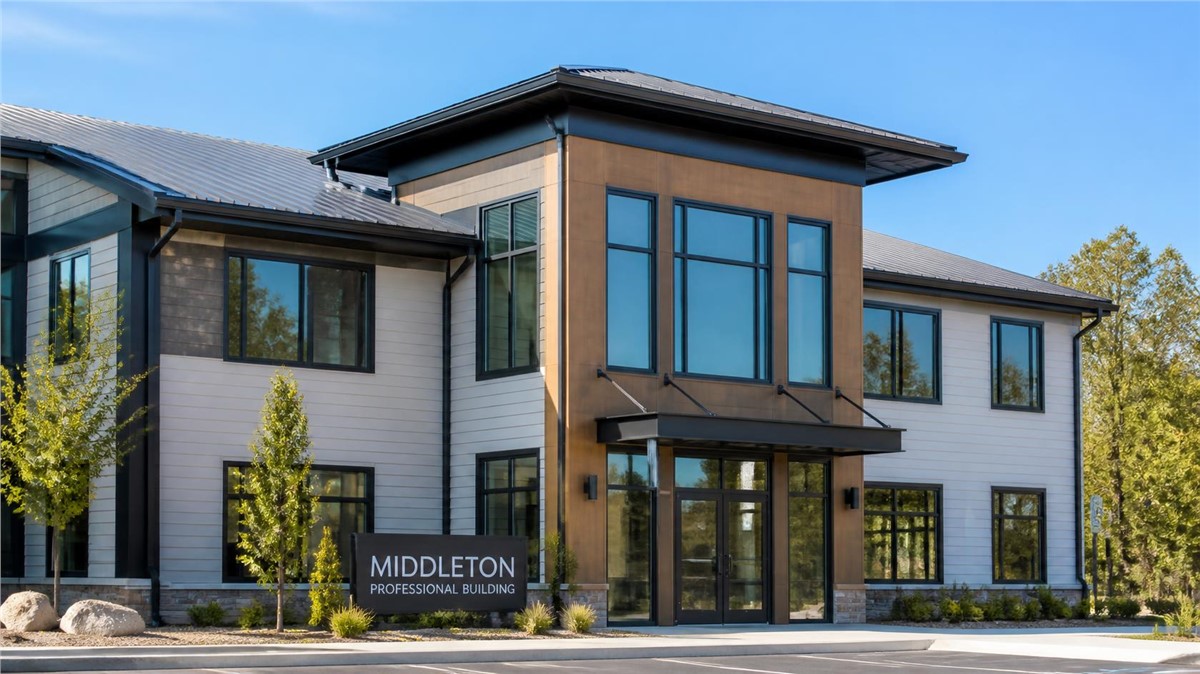
A commercial building’s exterior does more than create a first impression. It protects tenants, employees, customers, inventory, equipment, and interior spaces from weather and moisture. When the roof, windows, siding, or gutters start to fail, the problem can quickly affect daily operations and long-term property value.
For commercial properties in Middleton, WI, exterior upgrades should be planned carefully because Wisconsin weather brings heavy rain, wind, hail, snow, ice, humidity, and freeze-thaw cycles. A roof leak, drafty window, cracked siding panel, or overflowing gutter may seem like an isolated issue, but these systems are often connected.
This guide explains what business owners and property managers should consider when planning roofing, window, siding, and gutter upgrades.
Why Commercial Exterior Upgrades Matter
Commercial exterior upgrades help protect the building envelope. The building envelope includes the exterior parts that separate indoor spaces from outdoor conditions.
Upgrades may help address:
- Roof leaks
- Poor drainage
- Drafty windows
- Damaged siding
- Water stains
- Interior moisture
- Tenant complaints
- Curb appeal concerns
- Storm damage
- Maintenance costs
- Safety risks near entrances and walkways
A well-planned upgrade can improve protection, appearance, and long-term maintenance planning.
Start with a Full Exterior Inspection
Before choosing one upgrade, property owners should understand the full condition of the building. A roof problem may be connected to gutter drainage. A window leak may be connected to siding or flashing. Siding stains may be caused by roof edge runoff.
A commercial exterior inspection may include:
- Roofing and roof edges
- Low-slope roof areas
- Gutters and downspouts
- Windows and doors
- Siding and wall panels
- Fascia and soffit
- Flashing and trim
- Foundation drainage
- Interior moisture signs
- Storm damage areas
This helps determine which repairs are urgent and which upgrades can be planned over time.
Commercial Roofing Upgrades
The roof is one of the most important exterior systems on a commercial property. It protects the building from rain, snow, wind, hail, and temperature changes.
Commercial roofing concerns may include:
- Active leaks
- Ponding water
- Damaged shingles
- Worn roof membrane
- Loose flashing
- Damaged roof vents
- Roof edge issues
- Soft spots
- Interior ceiling stains
- Repeated repair history
A roofing upgrade may involve repair, partial replacement, full replacement, improved flashing, drainage correction, or roof edge work.
Low-Slope Roof Areas
Many commercial buildings have flat or low-slope roof sections. These areas need special attention because they do not shed water like steep-slope roofs.
Low-slope roof issues may include:
- Ponding water
- Open seams
- Membrane punctures
- Drainage blockages
- Damaged scuppers
- Flashing problems
- Rooftop equipment leaks
- Interior moisture
If a commercial roof has low-slope sections, drainage should be reviewed before any upgrade is planned.
Roof Edge and Flashing Details
Roof edge and flashing details are common problem areas on commercial buildings. These details protect transitions where water is more likely to enter.
Important areas include:
- Wall transitions
- Roof edges
- Parapet walls
- Chimneys
- Roof vents
- Pipe penetrations
- HVAC curbs
- Skylights
- Door and window heads
- Siding transitions
A roofing upgrade should not focus only on the main roof surface. Flashing and edge details are often where leaks begin.
Commercial Window Upgrades
Windows affect comfort, appearance, natural light, ventilation, energy performance, and water protection. Older commercial windows may become drafty, difficult to operate, fogged between panes, or stained around the frame.
Window upgrade signs include:
- Drafts
- Fogging between panes
- Water stains
- Failed seals
- Difficult operation
- Damaged frames
- Condensation concerns
- Outdated appearance
- Interior comfort complaints
Window replacement can improve the look of the building while addressing comfort and moisture concerns.
Storefront and Office Windows
Commercial properties may include storefront glass, office windows, entry windows, or multi-unit window systems. Each type has different performance and appearance needs.
When comparing window upgrades, consider:
- Glass package
- Frame material
- Energy performance
- Security needs
- Natural light
- Ventilation
- Exterior appearance
- Maintenance requirements
- Warranty details
- Installation method
The right window choice depends on how the building is used.
Siding and Wall Panel Upgrades
Commercial siding and wall panels protect the building from moisture, wind, impact, and daily weather exposure. They also shape the appearance of the business property.
Siding upgrade signs include:
- Cracked panels
- Loose sections
- Open seams
- Water stains
- Warping
- Fading
- Impact damage
- Hail damage
- Soft trim
- Repeated moisture issues
A siding upgrade may improve curb appeal while restoring exterior protection.
Matching Appearance and Performance
Commercial siding should fit both the building’s function and brand image. A professional, well-maintained exterior can help make the property feel safer, cleaner, and more reliable.
Property owners may compare:
- Siding material
- Color options
- Texture
- Trim style
- Maintenance needs
- Impact resistance
- Weather resistance
- Installation details
- Warranty coverage
A good siding upgrade should support both durability and appearance.
Commercial Gutter Upgrades
Gutters and downspouts move water away from the roofline, siding, foundation, entrances, loading areas, parking areas, and walkways. When commercial gutters fail, water issues can spread quickly.
Gutter upgrade signs include:
- Overflow during rain
- Clogged gutters
- Sagging sections
- Leaking seams
- Loose hangers
- Damaged downspouts
- Water behind gutters
- Ice buildup
- Foundation pooling
- Water near entrances
A gutter upgrade should be planned around roof size, roof pitch, drainage paths, and building layout.
Downspout Placement and Drainage
Downspouts should move water away from high-traffic and vulnerable areas. Poor discharge can create safety and building concerns.
Avoid draining water toward:
- Main entrances
- Sidewalks
- Loading docks
- Basement windows
- Foundation walls
- Parking spaces
- Neighboring structures
- Low spots near doors
Good drainage planning helps protect both the building and the people using it.
Why Roofing, Windows, Siding, and Gutters Should Be Planned Together
These systems overlap in several important areas. Upgrading one system without checking the others can lead to missed problems or repeated work.
For example:
- Gutters attach near fascia and roof edges
- Windows connect to siding, trim, and flashing
- Siding transitions must manage water correctly
- Roof runoff can stain siding
- Poor drainage can affect foundations
- Flashing problems can cause window or wall leaks
Planning upgrades together helps create a cleaner and more reliable exterior system.
Prioritize Water Issues First
When several upgrades are needed, active water problems should usually come first. Water damage can spread behind walls, above ceilings, into insulation, and around structural materials.
High-priority issues include:
- Active roof leaks
- Water near electrical areas
- Ponding water
- Open siding gaps
- Window leaks
- Overflowing gutters
- Damaged flashing
- Wet ceiling tiles
- Foundation pooling
- Moisture near entrances
Cosmetic upgrades matter, but water intrusion should be addressed quickly.
Consider Tenant and Customer Impact
Commercial exterior projects can affect daily operations. Roofing, siding, window, and gutter work may involve noise, parking changes, material staging, entrance access, and temporary safety barriers.
Planning should include:
- Business hours
- Tenant communication
- Customer access
- Employee parking
- Delivery routes
- Loading areas
- Dumpster placement
- Safety signage
- Cleanup expectations
Good project planning helps reduce disruption while work is completed.
Budgeting for Commercial Exterior Upgrades
Commercial exterior upgrades should be planned as part of property maintenance and capital improvement budgeting. Waiting until damage becomes an emergency may limit options and increase disruption.
Budget items may include:
- Roof repair or replacement
- Window replacement
- Siding repair or replacement
- Gutter upgrades
- Fascia and soffit work
- Flashing repairs
- Drainage improvements
- Storm damage repairs
- Preventive maintenance
- Inspection reports
A clear inspection can help prioritize which upgrades should happen first.
Phasing Commercial Exterior Work
Not every commercial property needs all upgrades at once. In many cases, work can be phased in a practical order.
A contractor may help determine:
- Which issues are urgent
- Which repairs can wait
- Which systems should be completed together
- Whether windows should come before siding
- Whether gutters should follow roof edge repairs
- How to avoid duplicate labor
- How to protect finished work during later phases
Smart phasing can help property owners manage budget and operations.
Repair vs Replacement
Some exterior problems can be repaired. Others may require replacement if materials are aging, damaged, or no longer performing well.
Repair may make sense if:
- Damage is isolated
- Materials are still in good condition
- Leaks are limited
- Matching materials are available
- Drainage can be corrected
- No hidden moisture is present
Replacement may be better if:
- Damage is widespread
- Leaks keep returning
- Materials are outdated
- Multiple systems are failing
- Repairs no longer match
- Storm damage is extensive
- Maintenance costs keep increasing
A professional inspection can help determine the right scope.
Storm Damage Considerations
Wind and hail can damage multiple exterior systems during the same storm. A commercial property may need roofing, siding, gutter, window, and trim areas checked together.
After storms, look for:
- Dented gutters
- Cracked siding
- Damaged roof materials
- Loose flashing
- Broken windows
- Torn screens
- Water stains indoors
- Debris on the roof
- Downspout damage
- Moisture near walls
If insurance may be involved, contact the insurance provider for policy-specific guidance.
Documentation for Property Managers
Commercial exterior projects often involve owners, managers, tenants, insurance providers, vendors, and maintenance teams. Good documentation helps everyone stay organized.
Helpful records include:
- Inspection findings
- Photos of damage
- Maintenance history
- Repair estimates
- Storm dates
- Tenant reports
- Temporary repair receipts
- Warranty paperwork
- Material selections
- Project schedule notes
Documentation can also help with future maintenance planning.
What Should Be Included in a Commercial Exterior Estimate?
A commercial exterior estimate should clearly explain the work, materials, and scope.
Depending on the project, it may include:
- Roofing materials
- Window type and glass package
- Siding or wall panel material
- Gutter size and downspout layout
- Flashing details
- Fascia and soffit work
- Removal of old materials
- Moisture damage repairs
- Safety planning
- Cleanup process
- Warranty details
- Project staging
A detailed estimate helps property owners compare value, not only price.
Why Maintenance Should Continue After Upgrades
New exterior systems still need maintenance. Regular checks help protect the investment and catch small issues early.
Ongoing maintenance may include:
- Roof inspections after storms
- Gutter cleaning
- Downspout checks
- Siding seam inspections
- Window seal reviews
- Flashing checks
- Drainage reviews
- Ice buildup monitoring
- Interior moisture checks
Preventive maintenance helps reduce emergency repair needs.
Why a Full Exterior Inspection Helps
Commercial exterior upgrades are connected. A roof leak may involve flashing, gutters, siding, or rooftop equipment. A window leak may involve trim, wall panels, or drainage. A gutter issue may damage fascia, siding, foundations, and walkways.
A full exterior inspection may include:
- Roofing and roof edges
- Windows and doors
- Siding and wall panels
- Gutters and downspouts
- Flashing and trim
- Fascia and soffit
- Rooftop equipment areas
- Foundation drainage
- Interior moisture signs
- Storm damage areas
Huskie Exteriors provides roofing, siding, window, gutter, and storm damage restoration services, helping commercial property owners evaluate the full exterior system before planning upgrades.
Why Local Exterior Experience Matters
A local contractor understands how Wisconsin weather affects commercial exteriors. In Middleton, WI, business properties need roofing, windows, siding, gutters, and drainage systems that can handle heavy rain, wind, hail, snow, ice, humidity, sun exposure, and freeze-thaw cycles.
Local experience helps property owners determine whether exterior problems are caused by aging materials, storm damage, poor drainage, flashing failure, roof edge issues, window leaks, siding damage, or hidden moisture.
Conclusion
Commercial exterior upgrades in Middleton, WI should be planned with the full building system in mind. Roofing, windows, siding, gutters, flashing, fascia, soffit, trim, and drainage all work together to protect the property. By prioritizing water issues, planning around operations, comparing repair and replacement options, and documenting conditions, business owners and property managers can make smarter exterior improvement decisions.
If your commercial property has roof leaks, damaged siding, drafty windows, failing gutters, storm damage, drainage problems, or repeated exterior repairs, Huskie Exteriors can inspect the building and recommend the right next step.
Contact Huskie Exteriors for professional roofing, siding, window, gutter, and storm damage services in Illinois and Wisconsin.
Subscribe to Huskie Exteriors's Blog




Comments