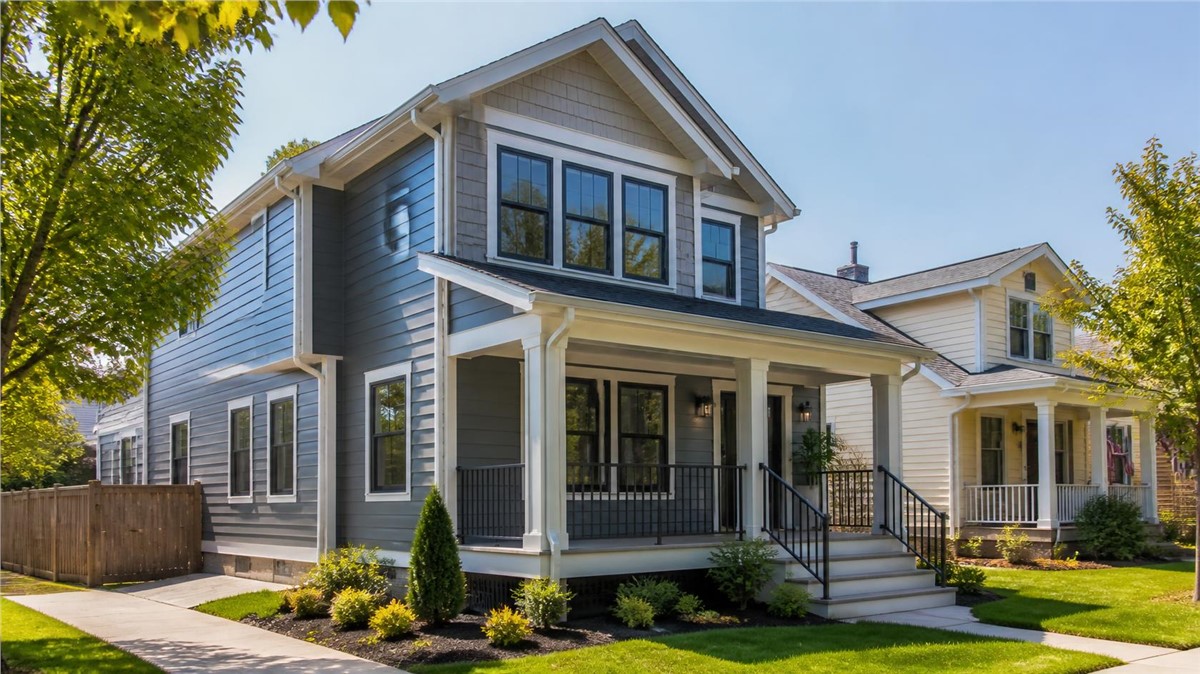
A home’s exterior is made up of connected parts. Siding protects the walls. Gutters move water away from the roofline and foundation. Windows affect comfort, energy performance, natural light, ventilation, and appearance. When one of these systems is aging or damaged, the others may also need attention.
For homeowners in Brooklyn, WI, planning siding, gutter, and window upgrades together can make sense because Wisconsin weather brings wind, hail, heavy rain, snow, ice, humidity, sun exposure, and freeze-thaw cycles. These conditions can affect the full exterior, not just one area.
This guide explains why siding, gutters, and windows work together and what homeowners should compare before starting an exterior upgrade.
Why Upgrade Exterior Systems Together?
Many homeowners replace siding, gutters, or windows one project at a time. That can work in some cases, but a coordinated exterior upgrade may help avoid repeated work around the same areas.
Planning systems together can help with:
- Better moisture protection
- Cleaner trim details
- Improved curb appeal
- More consistent colors and finishes
- Fewer repeated disruptions
- Stronger drainage planning
- Better window and siding transitions
- Long-term repair planning
A full exterior plan helps homeowners understand what should be repaired now and what may need replacement soon.
How Siding, Gutters, and Windows Connect
Siding, gutters, and windows meet at several important points. If those details are not handled correctly, water can enter behind exterior materials or collect where it should not.
Connected areas include:
- Window trim
- Door trim
- Siding seams
- Roof edges
- Fascia
- Soffit
- Downspout locations
- Exterior corners
- Wall penetrations
- Foundation drainage areas
Because these systems overlap, one upgrade can affect another.
Siding Upgrade Considerations
Siding is one of the most visible parts of the home. It protects the wall system and plays a major role in curb appeal.
When comparing siding upgrades, homeowners should consider:
- Material type
- Color and texture
- Weather resistance
- Maintenance needs
- Trim details
- House wrap
- Flashing
- Window and door transitions
- Warranty
- Long-term value
New siding can refresh the appearance of the home while improving exterior protection.
Gutter Upgrade Considerations
Gutters help manage roof runoff and protect the home from water problems. If gutters are clogged, sagging, leaking, or poorly placed, water may damage siding, fascia, soffit, windows, foundation areas, and landscaping.
When comparing gutter upgrades, consider:
- Gutter size
- Downspout size
- Downspout placement
- Gutter pitch
- Hanger strength
- Seamless options
- Gutter guards
- Fascia condition
- Downspout extensions
- Drainage path
A good gutter system should move water away from the home, not just away from the roof.
Window Upgrade Considerations
Windows affect comfort, energy performance, ventilation, appearance, and moisture protection. Older windows may be drafty, difficult to operate, fogged between panes, or leaking around the frame.
When comparing window upgrades, review:
- Window style
- Frame material
- Glass package
- U-factor
- Solar Heat Gain Coefficient
- Air leakage
- Condensation performance
- Trim condition
- Installation method
- Warranty
Window replacement is also a good time to inspect surrounding siding, flashing, and trim.
Why Window Timing Matters with Siding
If siding and windows are both aging, it may be smart to plan them together. Window replacement affects the wall opening, trim, flashing, and siding transitions. If new siding is installed first and windows are replaced later, some siding or trim work may need to be disturbed again.
Coordinating windows and siding can help with:
- Better flashing details
- Cleaner exterior trim
- Reduced duplicate labor
- More consistent appearance
- Improved moisture protection
- Better planning around openings
- Fewer repeated exterior repairs
This does not mean every home needs both projects at once, but it is worth discussing during inspection.
Why Gutters Matter During Siding Work
Gutters and downspouts often attach near fascia and run along siding areas. If gutters overflow or drain poorly, they can stain new siding or create moisture problems near the foundation.
Before or during siding work, gutters should be checked for:
- Overflow
- Sagging sections
- Loose hangers
- Leaking seams
- Poor pitch
- Blocked downspouts
- Water behind gutters
- Downspouts draining too close to the home
New siding should be protected by a gutter system that handles water properly.
Why Fascia and Soffit Should Be Checked
Fascia and soffit are often part of a larger exterior upgrade. These areas sit near the roof edge and connect to gutters, siding, attic ventilation, and trim.
Warning signs include:
- Soft fascia
- Peeling paint
- Water stains
- Loose soffit panels
- Gaps near gutters
- Pest entry points
- Sagging gutter attachments
- Moisture under eaves
If fascia or soffit is damaged, it should be reviewed before new gutters or siding are installed.
House Wrap and Flashing Details
Behind the siding, house wrap and flashing help manage moisture. These details are especially important around windows, doors, rooflines, and wall openings.
A proper exterior upgrade should consider:
- House wrap condition
- Seam taping
- Window flashing
- Door flashing
- Roofline flashing
- Trim integration
- Drainage paths
- Moisture-damaged sheathing
Good installation details help protect the home beyond what is visible from the outside.
Coordinating Colors and Curb Appeal
Siding, gutters, windows, trim, fascia, and soffit all affect the finished look of the home. Planning them together can create a more polished exterior.
Homeowners may compare:
- Siding color
- Window frame color
- Trim color
- Gutter color
- Front door color
- Roof color
- Shutter options
- Stone or brick accents
A coordinated design can improve curb appeal without making the home look too busy.
Energy Comfort Benefits
Window upgrades can help reduce drafts and improve comfort, but siding and insulation details also matter. If windows are replaced but siding gaps or trim issues remain, the home may still feel drafty.
Comfort improvements may involve:
- Energy-efficient windows
- Proper window installation
- Air sealing around openings
- Siding repair or replacement
- House wrap details
- Attic ventilation
- Moisture control
- Draft reduction
A full exterior review can help identify where comfort issues are coming from.
Moisture Protection Benefits
Moisture is one of the biggest reasons to plan exterior upgrades carefully. Water can enter through roof edges, siding seams, window openings, trim gaps, failed flashing, or poor drainage.
A coordinated upgrade can help address:
- Water around windows
- Loose siding
- Failed caulking
- Gutter overflow
- Fascia moisture
- Soffit stains
- Foundation pooling
- Interior wall stains
The goal is to create an exterior system that manages water from the roofline to the ground.
Signs Your Home May Need More Than One Upgrade
Some homes show warning signs in multiple areas. When that happens, a full exterior upgrade may be more practical than isolated repairs.
Signs include:
- Drafty windows
- Fogging between window panes
- Cracked siding
- Loose panels
- Water stains below gutters
- Sagging gutters
- Soft fascia
- Peeling trim paint
- Interior moisture near windows
- Repeated storm damage repairs
These signs may point to aging exterior systems that should be evaluated together.
Repair vs Replacement
Not every exterior issue requires replacement. Some problems can be repaired if damage is isolated and materials are still in good condition.
Repair may make sense if:
- One window has a seal issue
- A few siding panels are damaged
- One gutter section is leaking
- Fascia damage is limited
- Matching materials are available
- No hidden moisture is present
Replacement may be better if:
- Several windows are drafty
- Siding is brittle or cracked throughout
- Gutters sag in multiple areas
- Water problems keep returning
- Exterior materials are aging
- Repairs no longer match
- Multiple systems are failing together
A professional inspection can help homeowners compare repair and replacement options.
Budgeting for a Home Exterior Upgrade
A larger exterior upgrade requires planning, but it can help homeowners organize work more efficiently.
Budget items may include:
- Siding material
- Window style and glass package
- Gutter size and downspouts
- Fascia and soffit repairs
- House wrap
- Flashing
- Trim work
- Removal of old materials
- Cleanup
- Warranty details
A clear estimate helps homeowners understand the full project scope.
Phasing the Work
Some homeowners may not complete siding, gutters, and windows all at once. In that case, the work should be phased in a smart order.
A contractor may help plan:
- Which repairs are urgent
- Which systems are failing first
- Whether windows should come before siding
- Whether gutters should be replaced after fascia work
- Whether drainage needs immediate attention
- How future upgrades will connect
Good phasing can help avoid unnecessary rework.
Questions to Ask Before Starting
Before approving an exterior upgrade, homeowners should ask clear questions.
Helpful questions include:
- What exterior systems are damaged?
- What should be repaired first?
- Are there moisture concerns behind the siding?
- Should windows be replaced before siding?
- Are gutters sized and placed correctly?
- Is fascia or soffit repair needed?
- What materials are included?
- What warranties apply?
- How will the project be staged?
Good answers can help homeowners compare proposals confidently.
What Should Be Included in an Exterior Upgrade Estimate?
An exterior upgrade estimate should be detailed enough to explain the work clearly.
It may include:
- Siding type and color
- Window style and glass package
- Gutter size and downspouts
- Trim details
- House wrap details
- Flashing work
- Fascia and soffit scope
- Material removal
- Cleanup process
- Warranty information
- Project timeline
A vague estimate can make it harder to compare options.
Why a Full Exterior Inspection Helps
Siding, gutters, and windows are connected to roofing, trim, fascia, soffit, flashing, drainage, and interior moisture signs. A full inspection helps identify whether the home needs one repair or a more complete exterior plan.
A full exterior inspection may include:
- Siding and trim
- Windows and doors
- Gutters and downspouts
- Roofing and roof edges
- Fascia and soffit
- Flashing
- House wrap concerns
- Interior moisture signs
- Foundation drainage
- Storm damage areas
Huskie Exteriors provides roofing, siding, window, gutter, and storm damage restoration services, helping homeowners evaluate the full exterior system before planning upgrades.
Why Local Exterior Experience Matters
A local contractor understands how Wisconsin weather affects siding, gutters, and windows. In Brooklyn, WI, homes need exterior systems that can handle wind, hail, heavy rain, snow, ice, humidity, sun exposure, and freeze-thaw cycles.
Local experience helps homeowners determine whether exterior issues are caused by aging materials, storm damage, poor drainage, failed flashing, window leaks, loose siding, or moisture intrusion.
Conclusion
A home exterior upgrade in Brooklyn, WI can be more effective when siding, gutters, and windows are planned together. These systems connect around trim, roof edges, wall openings, drainage areas, and moisture-control details. Coordinating upgrades can improve curb appeal, comfort, water protection, and long-term exterior performance.
If your home has aging siding, drafty windows, leaking gutters, water stains, storm damage, damaged trim, or moisture concerns, Huskie Exteriors can inspect your exterior and recommend the right next step.
Contact Huskie Exteriors for professional roofing, siding, window, gutter, and storm damage services in Illinois and Wisconsin.
Subscribe to Huskie Exteriors's Blog







Comments