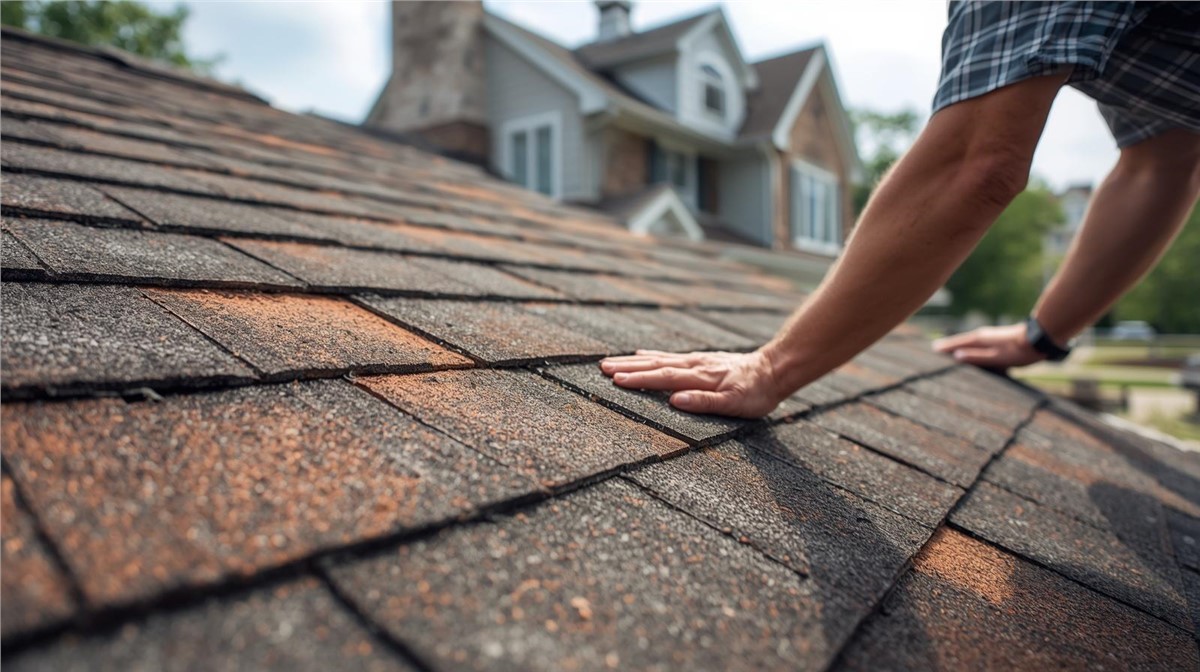
Your roof protects your home from rain, wind, hail, snow, ice, heat, and seasonal temperature changes. When roof damage is missed, small problems can turn into leaks, moisture damage, insulation issues, and expensive repairs.
For homeowners in Woodstock, IL, regular roof inspections are especially important because northern Illinois weather can be tough on roofing systems. Hail can damage shingles. Wind can lift roof edges. Heavy rain can expose leaks. Snow, ice, and freeze-thaw cycles can make small gaps worse.
This roof inspection checklist can help homeowners understand what to look for and when to call a professional.
Why Roof Inspections Matter
A roof may look fine from the ground but still have damage that affects performance. Some issues are easy to spot, while others require a closer inspection.
Roof inspections can help identify:
- Missing shingles
- Lifted or curled shingles
- Hail damage
- Wind damage
- Loose flashing
- Roof leaks
- Gutter problems
- Damaged vents
- Attic moisture
- Fascia or soffit damage
- Signs of aging materials
Catching these concerns early can help protect the home and reduce future repair costs.
When to Schedule a Roof Inspection
Homeowners should consider a roof inspection at least seasonally and after severe weather.
A professional inspection is especially helpful after:
- Hailstorms
- Strong wind
- Heavy rain
- Falling branches
- Winter snow and ice
- Freeze-thaw cycles
- Visible roof damage
- Interior water stains
- Repeated gutter overflow
If your roof is older or has had previous repairs, inspections become even more important.
Ground-Level Roof Checklist
Homeowners should not climb onto the roof. A safe ground-level check can still reveal important signs.
From the ground, look for:
- Missing shingles
- Shingles lifting at the edges
- Shingles in the yard
- Debris on the roof
- Sagging-looking areas
- Damaged roof edges
- Dented roof vents
- Loose flashing
- Branches touching the roof
- Visible storm damage
If you notice anything unusual, schedule a professional inspection before the next storm.
Shingle Condition Checklist
Shingles are one of the first areas contractors check during a roof inspection.
Common shingle concerns include:
- Curling
- Cracking
- Missing sections
- Lifted edges
- Granule loss
- Hail impact marks
- Loose ridge caps
- Brittle or worn areas
- Uneven color or patchy wear
A few damaged shingles may be repairable. Widespread shingle damage may point to the need for roof replacement.
Flashing and Roof Penetration Checklist
Flashing protects vulnerable areas where the roof meets another surface or where something passes through the roof.
Contractors may inspect:
- Chimney flashing
- Vent pipe boots
- Skylight edges
- Roof valleys
- Wall transitions
- Dormers
- Ridge areas
- Roof-to-wall connections
Loose, cracked, rusted, or poorly sealed flashing can allow water into the home during heavy rain or wind-driven storms.
Gutter and Downspout Checklist
Gutters are closely connected to roof performance. When gutters do not drain correctly, water can back up near the roof edge or spill down siding.
Check for:
- Clogged gutters
- Sagging gutter sections
- Leaking seams
- Dented gutters after hail
- Loose downspouts
- Water pooling near the foundation
- Granules near downspouts
- Overflow during rain
- Fascia damage behind gutters
Gutter problems can affect roofing, siding, fascia, soffit, landscaping, and basement areas.
Attic and Interior Checklist
Some roof problems show up inside the home before they are visible outside. Checking attic and ceiling areas can help identify leaks or ventilation concerns.
Look for:
- Ceiling stains
- Damp attic insulation
- Musty odors
- Mold or mildew
- Frost or condensation in the attic
- Water near vents or chimneys
- Bubbling paint
- Peeling drywall
- Daylight showing through roof boards
Water can travel before it becomes visible, so the leak source may not be directly above the stain.
Storm Damage Checklist
Woodstock homeowners should inspect the exterior after severe weather. Hail and wind can damage more than the roof.
After a storm, check for:
- Dented gutters
- Granules near downspouts
- Missing shingles
- Lifted shingles
- Damaged roof vents
- Cracked siding
- Torn window screens
- Loose trim
- Fallen branches
- Water stains indoors
If gutters, siding, or screens show storm damage, the roof should also be checked.
Winter Roof Inspection Concerns
Winter weather can create roof problems that are easy to miss until damage appears inside.
Watch for:
- Ice buildup near roof edges
- Frozen gutters
- Icicles along gutters
- Water stains during thawing
- Snow sitting unevenly on the roof
- Loose shingles after winter wind
- Moisture in the attic
- Damaged fascia or soffit
Freeze-thaw cycles can widen small cracks and gaps. This makes spring inspections especially important after a harsh winter.
Siding, Windows, and Trim Should Be Checked Too
Roof damage is often connected to the full exterior system. A leak may come from flashing, siding, gutters, windows, or trim instead of the roof surface alone.
A full exterior inspection may include:
- Roofing
- Gutters and downspouts
- Siding
- Windows
- Fascia and soffit
- Flashing
- Exterior trim
- Attic moisture signs
- Foundation drainage
Huskie Exteriors provides roofing, siding, window, gutter, and storm damage restoration services, helping homeowners evaluate the full exterior system.
Repair vs Replacement
A roof inspection helps determine whether repair or replacement is the better option.
Roof repair may be enough if:
- Damage is small and isolated
- Only a few shingles are missing
- One flashing area needs attention
- Gutters need minor adjustment
- No widespread moisture damage is found
Roof replacement may be better if:
- Leaks keep returning
- Shingles are worn throughout the roof
- Storm damage affects multiple slopes
- Granule loss is heavy
- Decking or insulation is damaged
- Repairs are becoming frequent
A professional inspection can help homeowners make a practical decision.
Why Professional Roof Inspections Matter
Homeowners can spot many warning signs from the ground, but roof-level damage is often hard to identify safely. A professional contractor has the tools and experience to inspect shingles, flashing, vents, gutters, attic areas, and related exterior systems.
A professional inspection can also help document damage, explain repair options, and identify hidden issues before they become larger problems.
Why Local Exterior Experience Matters
A local contractor understands how northern Illinois weather affects roofing systems. In Woodstock, IL, roofs need to handle hail, wind, heavy rain, snow, ice, humidity, heat, and freeze-thaw cycles.
Local experience helps homeowners understand whether damage is weather-related, storm-related, ventilation-related, drainage-related, or part of normal roof aging.
Conclusion
A roof inspection checklist for homes in Woodstock, IL can help homeowners catch problems early. Missing shingles, flashing issues, gutter problems, attic moisture, storm damage, and winter wear should all be taken seriously.
If your roof is leaking, aging, storm-damaged, or showing signs of wear, Huskie Exteriors can inspect your home and recommend the right next step.
Contact Huskie Exteriors for professional roofing, siding, window, gutter, and storm damage services in Illinois and Wisconsin.
Subscribe to Huskie Exteriors's Blog









Comments