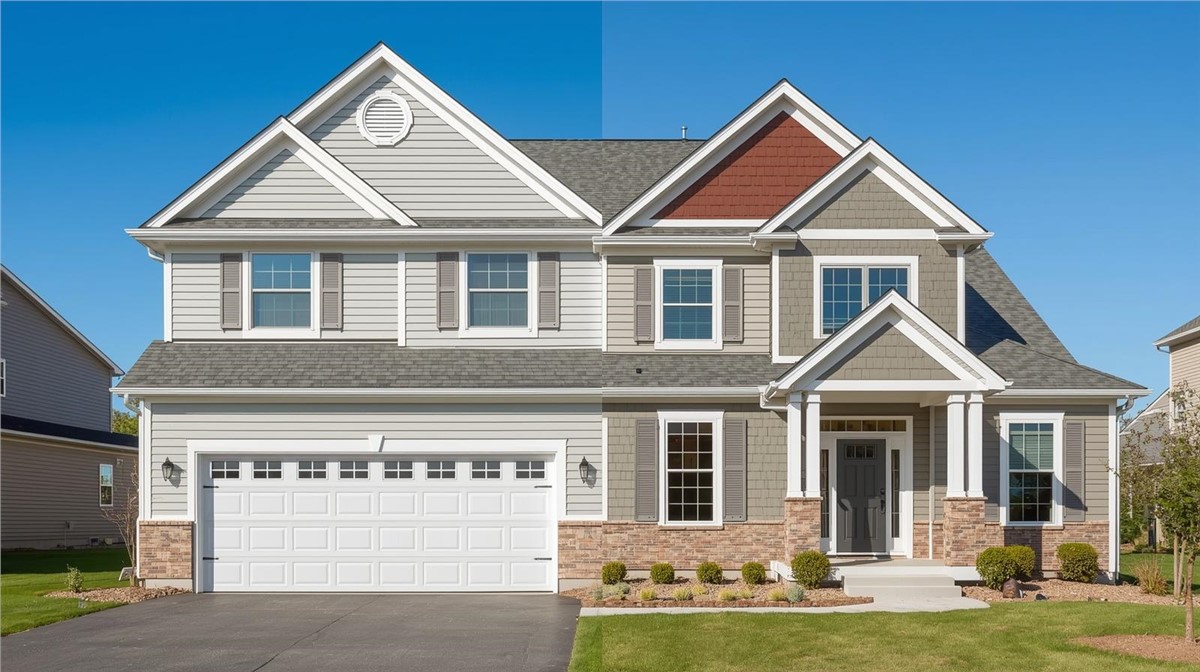
Choosing new siding is a big decision for any homeowner. Your siding affects curb appeal, weather protection, maintenance needs, energy performance, and long-term home value.
For homeowners in North Prairie, WI, the choice often comes down to two popular options: vinyl siding and fiber cement siding. Both can be good choices, but they serve different needs.
Vinyl siding is known for being affordable, low maintenance, and widely available. Fiber cement siding is known for its durability, thicker appearance, and strong resistance to many common exterior problems.
The best option depends on your home, your budget, your style goals, and how much maintenance you want to handle over time.
Why Siding Choice Matters in North Prairie, WI
North Prairie homes deal with a full range of Midwest weather. Heavy rain, hail, high winds, snow, ice, and freeze-thaw cycles can all affect siding performance.
Siding is not just decorative. It helps protect the structure from moisture, wind, pests, and temperature changes. When siding fails, water can get behind the exterior and affect sheathing, insulation, framing, windows, trim, and interior walls.
Choosing the right siding can help reduce problems such as:
- Cracked or loose panels
- Moisture behind siding
- Warped or buckled exterior walls
- Storm damage concerns
- Mold or mildew growth
- Drafts around exterior walls
- Frequent repairs
- Faded or outdated curb appeal
That is why it is important to compare vinyl and fiber cement carefully before planning a siding replacement project.
What Is Vinyl Siding?
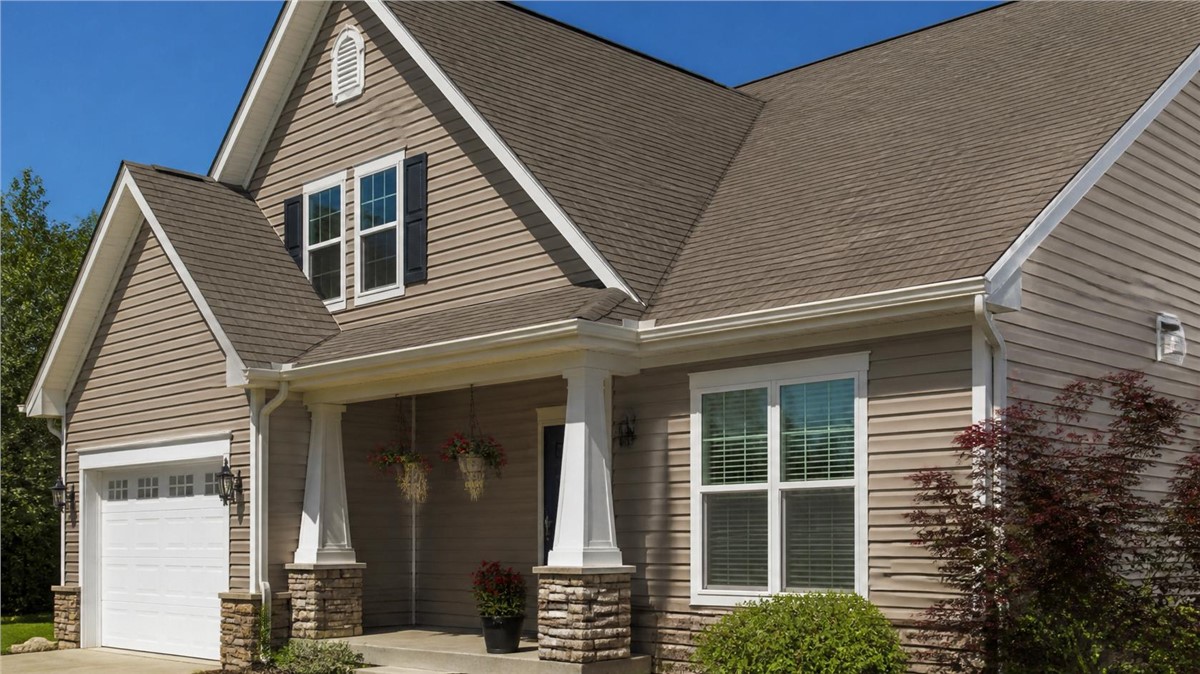
Vinyl siding is made from PVC material and is one of the most common siding choices for residential homes. It comes in many colors, profiles, and styles, making it a flexible option for different home designs.
Vinyl is popular because it is generally more budget-friendly than many other siding materials and does not require painting.
Benefits of Vinyl Siding
Vinyl siding may be a good fit if you want:
- A lower upfront cost
- Low maintenance
- Many color and style options
- A clean, updated appearance
- Faster installation in many cases
- Resistance to peeling, flaking, and surface rot
- A practical option for many home styles
For North Prairie homeowners looking for a straightforward siding replacement, vinyl can be a strong choice.
Things to Consider With Vinyl Siding
Vinyl siding can be damaged by hail, impact, and extreme temperature changes. Older vinyl may become brittle over time, especially after years of sun exposure and Wisconsin winter conditions.
Vinyl can also crack, loosen, or warp if it is not installed properly. Because it expands and contracts with temperature changes, correct installation is important.
Vinyl may be the better choice if your main priorities are affordability, simple upkeep, and a fresh exterior look.
What Is Fiber Cement Siding?
Fiber cement siding is made from a blend of cement, sand, cellulose fibers, and other materials. It is designed to provide a strong, durable exterior with the appearance of wood, lap siding, shakes, or other profiles.
Fiber cement is heavier and more rigid than vinyl. It often creates a thicker, more premium look on the home.
Benefits of Fiber Cement Siding
Fiber cement siding may be a good fit if you want:
- A more substantial exterior appearance
- Strong durability
- Better resistance to impact than many basic siding options
- Good performance against moisture when properly installed
- A material that can mimic painted wood
- Long-term curb appeal
- A premium siding upgrade
For homeowners in North Prairie who want a more refined exterior finish, fiber cement can be an excellent option.
Things to Consider With Fiber Cement Siding
Fiber cement typically costs more than vinyl siding. It also requires professional installation because it is heavier and needs proper cutting, fastening, flashing, and sealing.
Unlike vinyl, fiber cement may need repainting over time depending on the product, finish, and exposure. Maintenance is usually manageable, but it is not completely maintenance-free.
Fiber cement may be the better choice if you want a more durable, higher-end exterior and are comfortable with a higher initial investment.
Vinyl vs Fiber Cement: Appearance
Both materials can improve curb appeal, but they create different looks.
Vinyl siding offers many colors and profiles. It can provide a clean, simple, updated appearance for homes in North Prairie. Modern vinyl products can look much better than older siding styles, especially when paired with updated trim, soffit, fascia, gutters, and windows.
Fiber cement siding often has a thicker and more realistic wood-like appearance. It can create a more custom or upscale look, especially on homes with detailed trim, gables, porches, or mixed exterior materials.
If curb appeal is the top priority, fiber cement often has the edge. If you want a clean update at a more affordable price, vinyl may be the better fit.
Vinyl vs Fiber Cement: Durability
Durability is one of the biggest differences between vinyl and fiber cement.
Vinyl siding performs well for many homes, but it can crack from hail or impact. It can also loosen during strong winds if panels or fasteners are damaged.
Fiber cement is generally more impact-resistant and less likely to crack from normal bumps or debris. It also holds its shape well and does not expand and contract as much as vinyl.
In North Prairie, where storms, hail, wind, snow, and ice can all affect exterior materials, durability is an important part of the decision.
Fiber cement may be better for homeowners who want stronger long-term protection. Vinyl may still be a good option when budget and low maintenance are the main goals.
Vinyl vs Fiber Cement: Maintenance
Vinyl siding is known for low maintenance. It does not need painting, and routine cleaning is usually enough to keep it looking good.
Common vinyl siding maintenance includes:
- Washing dirt and mildew from the surface
- Checking for loose panels after storms
- Inspecting cracks or impact damage
- Keeping gutters from overflowing onto siding
- Checking trim and caulking around openings
Fiber cement siding also requires maintenance, but in different ways. It may need repainting over time, and caulking around joints, trim, windows, and doors should be monitored.
Common fiber cement maintenance includes:
- Cleaning the siding surface
- Checking paint or finish condition
- Inspecting caulking and seams
- Watching for moisture near trim
- Keeping gutters and downspouts working properly
If you want the lowest maintenance option, vinyl may be better. If you are comfortable with occasional repainting or finish care, fiber cement may offer stronger visual and durability benefits.
Vinyl vs Fiber Cement: Weather Performance
Both siding materials can perform well when installed correctly, but local weather matters.
Hail
Hail can crack or puncture vinyl siding, especially older or brittle panels. Fiber cement is generally more resistant to many impact concerns, but severe hail can still cause damage.
Wind
Wind can loosen vinyl panels if they are not properly secured or if the siding has already weakened. Fiber cement is heavier and more rigid, which can help it stay stable when installed correctly.
Heavy Rain
Both materials need proper flashing, house wrap, trim details, and installation to manage water. Water damage usually happens when moisture gets behind the siding through gaps, failed caulking, poor flashing, or damaged panels.
Snow and Ice
Snow and ice can affect lower siding areas, trim, and transitions near rooflines or gutters. Good drainage is important for both materials.
Freeze-Thaw Cycles
Freeze-thaw cycles can worsen small openings around siding, trim, windows, and doors. Fiber cement and vinyl both need proper installation details to reduce moisture problems.
Vinyl vs Fiber Cement: Cost Factors
Vinyl siding usually has the lower upfront cost. This makes it appealing for homeowners who want a practical exterior refresh without the higher investment of premium materials.
Fiber cement siding usually costs more because of material price, labor, weight, installation time, and finishing details.
Cost factors may include:
- Size of the home
- Number of stories
- Siding material selected
- Trim and detail work
- Removal of old siding
- Condition of sheathing underneath
- Window and door flashing
- Soffit, fascia, and gutter updates
- Storm damage repairs
- Accessibility around the home
The better choice is not always the cheapest option. It depends on how long you plan to stay in the home, your maintenance expectations, and how much value you place on appearance and durability.
Repair vs Replacement Considerations
If your existing siding has minor damage, repair may be enough. However, if the damage is widespread or the siding is aging, replacement may be the better option.
Siding repair may make sense if:
- Only a few panels are damaged
- The color and profile can be matched
- Moisture has not reached the wall system
- The rest of the siding is still in good condition
Siding replacement may be better if:
- Damage affects multiple walls
- Siding is faded, brittle, cracked, or warped
- Panels keep coming loose
- Water damage is present
- Storm damage is widespread
- You want a major curb appeal update
For North Prairie homes, repeated storm damage or moisture issues may be a sign that it is time to consider a full siding replacement.
Residential and Commercial Property Considerations
This topic is most common for homeowners, but siding choices can also matter for small commercial buildings, rental properties, and mixed-use properties in North Prairie.
Homeowners often focus on curb appeal, maintenance, comfort, and resale value. Commercial property owners may also consider durability, tenant comfort, exterior appearance, maintenance schedules, and repair access.
Vinyl may be a practical choice for rental properties or budget-conscious updates. Fiber cement may be a stronger option for commercial spaces or properties where appearance and durability are top priorities.
Why Gutters, Windows, and Roofing Should Be Checked Too
Siding does not work alone. Roofing, gutters, windows, soffit, fascia, flashing, and trim all help protect the home from water damage.
Before replacing siding, it is smart to inspect:
- Gutters and downspouts
- Roof edges
- Window and door trim
- Fascia and soffit
- Flashing details
- Areas with water stains
- Storm-damaged sections
If gutters overflow or windows leak, new siding may still be exposed to moisture problems. A full exterior review can help prevent that.
Huskie Exteriors provides roofing, siding, window, gutter, and storm damage restoration services, which helps property owners evaluate the full exterior system before starting a siding project.
Which Siding Is Better for North Prairie Homes?
There is no one-size-fits-all answer.
Vinyl siding may be better if you want:
- Lower upfront cost
- Low maintenance
- Many style options
- A clean exterior update
- A practical choice for many homes
Fiber cement siding may be better if you want:
- Stronger durability
- A more premium appearance
- Better impact resistance
- A wood-like look
- Long-term curb appeal
For many North Prairie homeowners, vinyl is the practical choice. Fiber cement is often the better upgrade when durability, appearance, and long-term performance are the main priorities.
Why Working With a Local Exterior Contractor Matters
A local exterior contractor understands how Wisconsin weather affects siding. Hail, wind, heavy rain, snow, ice, storm damage, and freeze-thaw cycles all influence which siding option makes the most sense.
Local experience also matters during installation. Even the best siding product can fail early if flashing, trim, moisture barriers, and drainage details are not handled correctly.
Working with a local contractor can help you compare vinyl and fiber cement based on your actual home, not just general product features.
Conclusion
Vinyl and fiber cement siding can both be strong options for homes in North Prairie, WI. Vinyl siding is often best for homeowners who want a budget-friendly, low-maintenance exterior update. Fiber cement siding may be better for homeowners who want added durability, a premium look, and strong long-term curb appeal.
The right choice depends on your budget, style goals, maintenance preferences, and how your home handles Midwest weather.
If you are comparing siding options or planning an exterior replacement project, Huskie Exteriors can help you understand the best fit for your property.
Contact Huskie Exteriors for professional roofing, siding, window, gutter, and storm damage services in Illinois and Wisconsin.
Subscribe to Huskie Exteriors's Blog




Comments