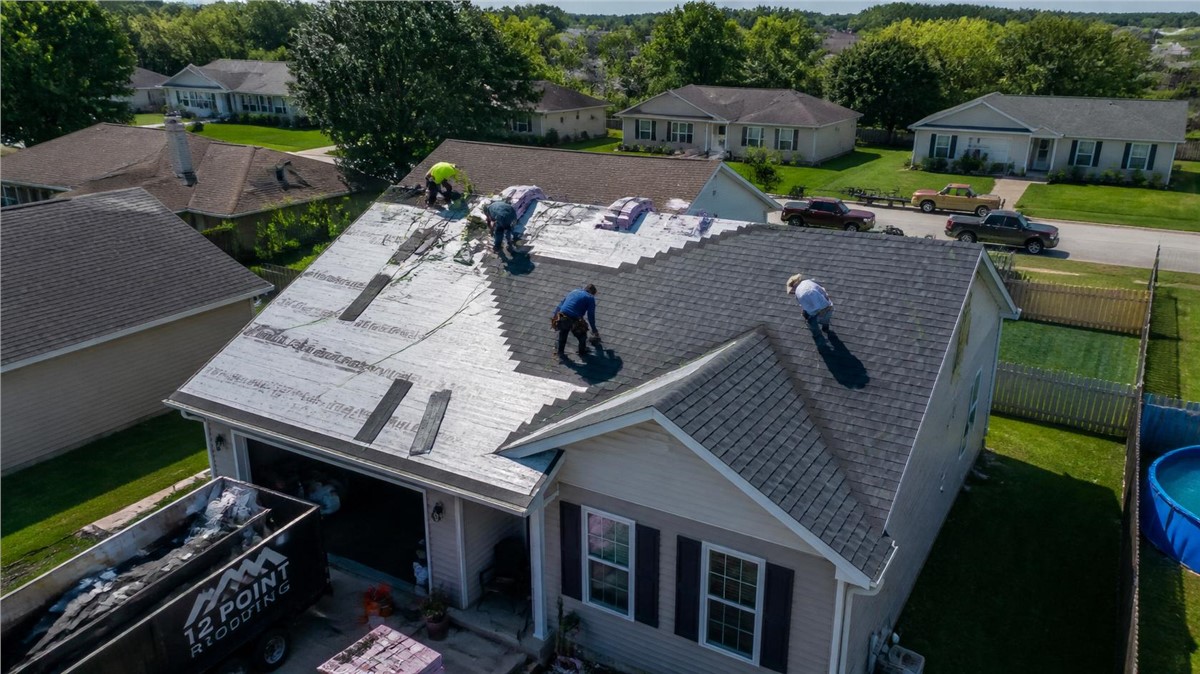
Replacing a roof is a major home improvement decision. When homeowners collect estimates, it can be tempting to choose the lowest number. But roof replacement estimates are not always equal. One estimate may include important details that another leaves out.
For homeowners in Davis Junction, IL, roof replacement planning is especially important because northern Illinois weather can bring wind, hail, heavy rain, snow, ice, humidity, and freeze-thaw cycles. Your roof needs to be installed correctly with materials and details that can handle local conditions.
This guide explains how to compare roof replacement estimates and what homeowners should look for before making a decision.
Why Comparing Estimates Matters
A roof replacement estimate should help you understand the full project. It should explain what will be removed, what will be installed, what materials will be used, and how the contractor will handle problem areas.
Comparing estimates helps homeowners review:
- Roofing materials
- Labor scope
- Tear-off details
- Decking repairs
- Flashing work
- Ventilation
- Gutters and roof edges
- Cleanup
- Warranties
- Timeline
- Payment terms
The lowest price is not always the best value if important work is missing.
Start With the Scope of Work
The scope of work explains what the contractor plans to do. A strong estimate should be clear and specific.
Look for details such as:
- Roof tear-off or overlay
- Shingle type
- Underlayment
- Ice and water protection
- Flashing replacement
- Ridge cap shingles
- Ventilation work
- Pipe boot replacement
- Cleanup process
- Disposal of old materials
If an estimate is vague, ask for clarification before comparing it with others.
Tear-Off vs Overlay
Some estimates may include a full tear-off, while others may suggest installing new shingles over existing shingles. These are very different approaches.
A full tear-off allows the contractor to inspect the roof deck and replace damaged materials. An overlay may cost less upfront, but it can hide existing problems and add weight to the roof system.
Homeowners should ask:
- Will the old roofing be removed?
- How many layers are currently on the roof?
- Will the roof deck be inspected?
- What happens if damaged decking is found?
For many homes, a tear-off provides a better opportunity to correct hidden issues.
Compare Roofing Materials
Not all shingles and roofing materials are the same. Estimates should specify the type, brand, color, style, and performance level of the materials being installed.
Material details may include:
- Asphalt shingle type
- Architectural or three-tab shingles
- Ridge cap shingles
- Starter shingles
- Underlayment
- Ice and water barrier
- Drip edge
- Flashing materials
- Ventilation components
If one estimate uses higher-quality materials and another uses basic materials, the prices may not be directly comparable.
Check Underlayment and Ice Protection
Underlayment is installed beneath shingles and helps provide another layer of protection. Ice and water protection is especially important in areas exposed to snow, ice, and freeze-thaw cycles.
In Davis Junction, winter weather can put stress on roof edges, valleys, and penetrations. Ask whether the estimate includes protection around:
- Eaves
- Valleys
- Chimneys
- Skylights
- Roof penetrations
- Low-slope areas
- Problem leak areas
These details can help reduce future leak risks.
Flashing Details Matter
Flashing is one of the most important parts of a roof replacement estimate. It protects areas where water is more likely to enter.
Flashing should be reviewed around:
- Chimneys
- Skylights
- Roof valleys
- Dormers
- Pipe penetrations
- Wall transitions
- Roof edges
An estimate should explain whether flashing will be replaced, repaired, reused, or inspected. Reusing old flashing may lower the cost, but it may not always be the best choice.
Roof Decking Repairs
The roof deck is the wood surface under the shingles. Decking damage may not be visible until the old roof is removed.
A good estimate should explain:
- How decking will be inspected
- What happens if soft wood is found
- Whether decking replacement is included
- The cost per sheet if extra decking is needed
- How hidden damage will be approved
This is important because decking repairs can affect the final cost.
Ventilation Should Be Included
Attic ventilation affects roof performance. Poor ventilation can trap heat and moisture, leading to shingle wear, condensation, mold or mildew concerns, and ice buildup.
A roof replacement estimate should consider:
- Ridge vents
- Soffit intake vents
- Box vents
- Attic airflow
- Blocked vents
- Bathroom fan routing
- Existing ventilation problems
If ventilation is ignored, the new roof may still face performance issues.
Compare Warranty Information
Warranties can vary by product, manufacturer, and contractor. Homeowners should understand what is covered and what is not.
Ask about:
- Manufacturer material warranty
- Workmanship warranty
- Warranty length
- Transferability
- Registration requirements
- Exclusions
- Storm damage limitations
- Maintenance requirements
A lower estimate with weak warranty coverage may not offer the best long-term protection.
Review Cleanup and Disposal
Roof replacement creates debris. The estimate should explain how old materials will be removed and how the property will be cleaned.
Cleanup details may include:
- Dumpster placement
- Old shingle disposal
- Nail cleanup
- Magnet sweeping
- Driveway protection
- Landscaping protection
- Final property cleanup
- Removal of leftover materials
Clean jobsite practices matter, especially if children, pets, vehicles, or landscaping are nearby.
Ask About Gutters and Downspouts
Roof replacement can affect gutters, downspouts, fascia, and roof edges. If gutters are already damaged, sagging, or clogged, they should be reviewed before work begins.
Ask whether the estimate includes checking:
- Gutter condition
- Downspout drainage
- Drip edge
- Fascia boards
- Soffit areas
- Roof edge damage
- Gutter removal or protection during work
Gutters help move water away from the home, so they should not be overlooked during roof planning.
Look at Timeline and Scheduling
A roof replacement timeline can depend on weather, material availability, crew scheduling, roof size, and hidden damage.
A good estimate may explain:
- Expected project length
- Material delivery timing
- Weather delays
- Crew access needs
- Start window
- Cleanup timing
- Inspection or walkthrough process
In Illinois, rain, wind, snow, heat, and storms can all affect roofing schedules.
Check What Is Not Included
This is one of the most important parts of comparing estimates. Some estimates appear cheaper because they exclude items that may be needed later.
Ask about possible extras such as:
- Decking replacement
- Fascia repairs
- Soffit repairs
- Gutter work
- Chimney flashing
- Skylight work
- Ventilation upgrades
- Permit requirements if applicable
- Additional layers of old roofing
Understanding exclusions helps prevent surprise costs.
Compare Contractor Communication
The way a contractor explains the estimate can tell you a lot. Roof replacement is a major project, so clear communication matters.
Good communication may include:
- Clear written estimate
- Photos from inspection
- Explanation of materials
- Honest repair recommendations
- Timeline expectations
- Answers to questions
- Written warranty details
- Clear payment terms
A contractor should help you understand the project, not pressure you into a fast decision.
Avoid Choosing by Price Alone
Price matters, but it should not be the only factor. A very low estimate may leave out important materials, repairs, cleanup, warranty coverage, or installation details.
Compare overall value by reviewing:
- Material quality
- Installation details
- Flashing work
- Ventilation plan
- Decking repair process
- Cleanup
- Warranty
- Local experience
- Communication
The best estimate is usually the one that clearly explains the full roof system.
Storm Damage Considerations
If roof replacement is connected to storm damage, homeowners should document visible damage and contact their insurance provider for policy-specific guidance.
Helpful documentation may include:
- Storm date notes
- Photos of visible damage
- Contractor inspection findings
- Interior water stain photos
- Temporary repair receipts
- Adjuster notes
Every policy is different, so claim instructions should come directly from the insurance provider.
What Homeowners Should Ask Before Signing
Before approving a roof replacement estimate, ask clear questions.
Helpful questions include:
- What materials are included?
- Is this a full tear-off?
- Will flashing be replaced?
- How is damaged decking priced?
- Is ventilation being addressed?
- What warranties apply?
- What cleanup is included?
- What could change the final price?
- How will weather delays be handled?
These questions make it easier to compare estimates fairly.
Why a Full Exterior Inspection Helps
Roof replacement planning should include the full exterior. Roofing, gutters, siding, windows, fascia, soffit, flashing, ventilation, and drainage all work together to protect the home.
A full exterior inspection may include:
- Roofing and shingles
- Roof decking concerns
- Gutters and downspouts
- Fascia and soffit
- Flashing
- Attic ventilation
- Siding near roof edges
- Windows and trim
- Storm damage areas
Huskie Exteriors provides roofing, siding, window, gutter, and storm damage restoration services, helping homeowners evaluate the full exterior system before roof replacement.
Why Local Exterior Experience Matters
A local contractor understands how Illinois weather affects roofing systems. In Davis Junction, IL, roofs must handle hail, wind, heavy rain, snow, ice, humidity, heat, and freeze-thaw cycles.
Local experience helps homeowners compare estimates based on what matters most for local roof performance, including materials, flashing, ventilation, drainage, and storm damage concerns.
Conclusion
Roof replacement planning in Davis Junction, IL should involve more than choosing the lowest estimate. Homeowners should compare materials, tear-off details, flashing, decking repairs, ventilation, gutters, warranties, cleanup, timeline, exclusions, and contractor communication before making a decision.
If you are comparing roof replacement estimates and want to understand what your home may need, Huskie Exteriors can inspect your exterior and recommend the right next step.
Contact Huskie Exteriors for professional roofing, siding, window, gutter, and storm damage services in Illinois and Wisconsin.
Subscribe to Huskie Exteriors's Blog





Comments