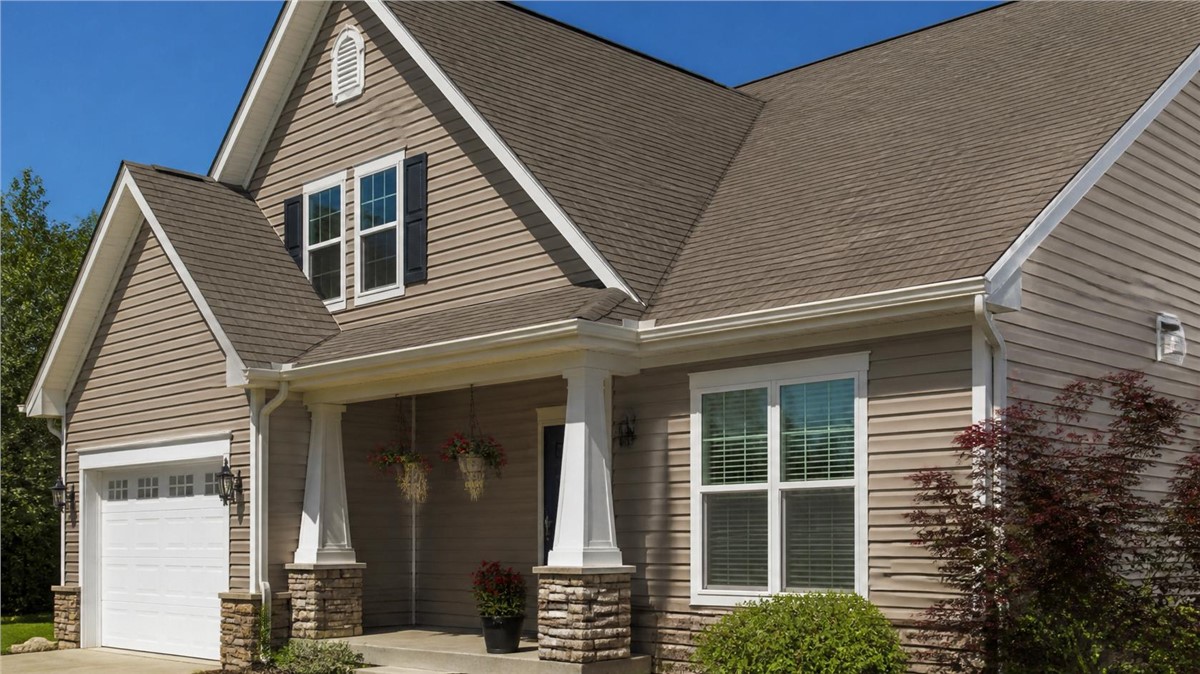
When homeowners think about siding replacement, they often focus on color, curb appeal, and durability. But insulated siding adds another question: is the extra insulation behind the siding worth it?
For homeowners in Davis, IL, this question matters because local homes deal with cold winters, humid summers, wind, rain, snow, ice, and freeze-thaw cycles. Exterior materials need to look good and help protect the home from changing weather conditions.
This guide explains what insulated siding is, when it may be worth considering, and what homeowners should know before choosing it.
What Is Insulated Siding?
Insulated siding is siding with a layer of foam insulation attached to the back of each panel. The foam helps fill the space behind the siding and can add support to the panel.
Insulated siding is often chosen for:
- Better exterior appearance
- Added panel strength
- Reduced drafts in some homes
- Improved comfort
- More consistent siding lines
- Noise reduction
- Exterior wall protection
- Siding replacement upgrades
It is usually considered during a full siding replacement project, not as a small repair.
How Insulated Siding Is Different From Regular Siding
Traditional siding protects the home’s exterior but usually has hollow space behind the panels. Insulated siding fills more of that space with foam backing.
This can help the siding:
- Sit flatter against the wall
- Resist some impact better
- Reduce panel movement
- Add a layer of thermal support
- Improve overall exterior appearance
- Reduce some outside noise
The exact benefit depends on the home, existing insulation, installation quality, and exterior condition.
Why Homeowners Consider Insulated Siding
Homeowners may consider insulated siding when they want more than a basic exterior update. It can be especially appealing if the home already needs new siding.
Common reasons include:
- Old or damaged siding
- Drafty rooms
- High heating or cooling demand
- Uneven indoor temperatures
- Faded or outdated exterior
- Noise from nearby roads
- Desire for stronger siding panels
- Better curb appeal
If siding replacement is already planned, insulated siding may be worth comparing with standard siding options.
Potential Comfort Benefits
Insulated siding can help improve comfort by adding another layer to the exterior wall system. It may help reduce small air movement and temperature transfer through wall areas.
Comfort-related benefits may include:
- Less noticeable drafts near exterior walls
- More stable room temperatures
- Reduced cold spots
- Improved wall coverage
- Better performance than damaged old siding
- Less exterior noise
However, insulated siding should not be viewed as a complete fix for poor attic insulation, drafty windows, or air leaks in other parts of the home.
Energy Efficiency Considerations
Insulated siding may help improve energy performance, but results vary. The home’s overall energy efficiency depends on many parts working together.
Energy performance is affected by:
- Wall insulation
- Attic insulation
- Window condition
- Door seals
- Air leaks
- Siding installation
- House wrap
- Attic ventilation
- HVAC performance
Insulated siding can be part of an energy improvement plan, but it should not be the only thing homeowners consider.
Better Panel Support
One benefit of insulated siding is the foam backing behind the panels. This can help the siding feel more solid and reduce the hollow feel sometimes associated with standard vinyl siding.
Better panel support may help with:
- Straighter siding lines
- Less visible waviness
- Improved impact resistance
- Reduced flexing
- Cleaner appearance
- Stronger exterior feel
This can be especially helpful on older homes where exterior walls may not be perfectly even.
Curb Appeal Benefits
Insulated siding can improve curb appeal by creating a cleaner and more finished look. Because the panels have backing, they may sit flatter and look more uniform.
Curb appeal improvements may include:
- Cleaner siding lines
- Better color consistency
- Updated exterior style
- Improved trim appearance
- Stronger street view
- More polished finish
For homeowners planning to sell in the future, siding condition can affect first impressions.
Noise Reduction
Insulated siding may help reduce some outside noise. It will not make a home soundproof, but the added backing can help soften noise compared with damaged or loose siding.
Noise reduction may be noticeable if the home is near:
- Busy roads
- Open fields with wind exposure
- Commercial areas
- Schools
- Parks
- High-traffic neighborhoods
If noise is a major concern, windows and insulation should also be reviewed.
Weather Protection in Davis, IL
Homes in Davis, IL need siding that can handle Midwest weather. Wind, hail, rain, snow, ice, humidity, and freeze-thaw cycles can all affect siding over time.
Insulated siding may help by:
- Adding panel support
- Improving impact resistance in some cases
- Reducing panel movement
- Helping siding sit more securely
- Supporting better overall exterior performance
Still, no siding is damage-proof. Severe hail, wind, debris, or poor installation can still cause problems.
When Insulated Siding May Be Worth It
Insulated siding may be worth considering when the home already needs siding replacement and the homeowner wants better comfort, appearance, and panel strength.
It may make sense if:
- Existing siding is old or damaged
- The home has drafty exterior walls
- Siding looks wavy or loose
- Rooms feel uneven
- Curb appeal matters
- Noise reduction is a goal
- The homeowner wants an upgraded siding option
- The budget allows for a higher-performance product
A professional inspection can help confirm whether the home is a good fit.
When Standard Siding May Be Enough
Insulated siding is not always necessary. Standard siding may be enough if the home already has good insulation and the main goal is basic exterior protection.
Standard siding may work if:
- Budget is the main priority
- Existing wall insulation is strong
- Drafts are not a concern
- Noise is not an issue
- The home only needs a simple exterior update
- The siding area is limited
- Other repairs are more urgent
The best choice depends on the home’s condition and the homeowner’s priorities.
Insulated Siding Is Not a Cure-All
Insulated siding can help, but it will not solve every comfort or energy issue. If air is leaking through windows, doors, attic spaces, or wall openings, those problems may need separate attention.
Other issues to inspect include:
- Drafty windows
- Failed window seals
- Poor attic ventilation
- Missing attic insulation
- Door gaps
- Gutter overflow
- Moisture behind siding
- Roof leaks
- Foundation drainage
A full exterior inspection helps avoid putting new siding over unresolved problems.
Moisture Must Be Addressed First
Before installing insulated siding, any moisture problem should be inspected. New siding should not cover hidden water damage.
Warning signs include:
- Soft trim
- Interior wall stains
- Musty odors
- Mold or mildew concerns
- Warped siding
- Bulging panels
- Water stains below windows
- Gutter overflow marks
If moisture is trapped behind old siding, repair may be needed before replacement.
Windows and Siding Work Together
Windows are a major part of exterior comfort and energy performance. If the home has old, drafty, leaking, or foggy windows, insulated siding alone may not solve comfort concerns.
Window issues to check include:
- Drafts
- Fogging between panes
- Failed caulking
- Loose trim
- Water stains
- Hard-to-lock windows
- Damaged frames
- Seal failure
If both siding and windows are aging, homeowners may want to plan the projects together.
Gutters and Drainage Matter Too
Gutters protect siding by directing water away from the walls and foundation. If gutters overflow or downspouts drain poorly, moisture can damage siding over time.
Before siding replacement, check for:
- Clogged gutters
- Sagging gutter sections
- Leaking seams
- Short downspouts
- Water running behind gutters
- Stains on siding
- Foundation pooling
- Fascia damage
Good drainage helps protect the investment in new siding.
Installation Quality Matters
Insulated siding must be installed correctly to perform well. Poor installation can lead to gaps, buckling, water issues, uneven appearance, or reduced benefits.
Good installation should consider:
- Wall preparation
- Moisture barriers
- Flashing
- Window and door details
- Trim transitions
- Fastener placement
- Panel movement
- Manufacturer guidelines
The product matters, but the installation matters just as much.
Repair vs Replacement
If your current siding has only minor damage, repair may be enough. But if the siding is failing across multiple areas, replacement may be more practical.
Repair may make sense if:
- Damage is isolated
- Matching siding is available
- No hidden moisture is present
- Panels are not brittle
- The siding still protects the home
- The budget does not allow full replacement yet
Replacement may be better if:
- Siding is cracked throughout
- Panels are warped or loose
- Moisture is behind the siding
- Storm damage is widespread
- Repairs would look mismatched
- The exterior looks outdated
- Comfort issues are part of the concern
A contractor can help compare standard siding and insulated siding options.
What Should Be Included in a Siding Estimate?
A siding estimate should clearly explain the product, scope, and installation details.
A good estimate may include:
- Existing siding condition
- Repair or replacement recommendation
- Material options
- Insulated siding details
- Trim and flashing notes
- Moisture concerns
- Window and door details
- Gutter-related concerns
- Cleanup details
- Warranty information
The estimate should help homeowners understand what is included and why.
Questions to Ask Before Choosing Insulated Siding
Before deciding, homeowners should ask practical questions.
Helpful questions include:
- Is insulated siding a good fit for my home?
- What problem is it helping solve?
- How does it compare with standard siding?
- Are there moisture issues behind the old siding?
- Will windows and trim be inspected?
- What warranty applies?
- What maintenance is needed?
- How will gutters and drainage be handled?
Clear answers make the decision easier.
Why a Full Exterior Inspection Helps
Insulated siding should be considered as part of the full exterior system. Roofing, gutters, windows, fascia, soffit, flashing, trim, and drainage all affect how the home handles weather.
A full exterior inspection may include:
- Existing siding
- Windows and trim
- Gutters and downspouts
- Roofing and roof edges
- Flashing
- Fascia and soffit
- Moisture signs
- Storm damage areas
- Foundation drainage
Huskie Exteriors provides roofing, siding, window, gutter, and storm damage restoration services, helping homeowners evaluate the full exterior before siding replacement.
Why Local Exterior Experience Matters
A local contractor understands how Illinois weather affects siding. In Davis, IL, homes need exterior materials that can handle wind, hail, heavy rain, snow, ice, humidity, sun exposure, and freeze-thaw cycles.
Local experience helps homeowners determine whether insulated siding is worth considering based on siding condition, comfort concerns, moisture risks, drainage, windows, and long-term exterior goals.
Conclusion
Insulated siding in Davis, IL may be worth considering if your home needs siding replacement and you want improved curb appeal, added panel support, comfort benefits, and potential energy performance improvements. It may not be necessary for every home, especially if standard siding meets your needs or other issues like windows, attic insulation, or moisture problems should be addressed first.
If your siding is old, drafty, loose, faded, storm-damaged, moisture-affected, or ready for replacement, Huskie Exteriors can inspect your exterior and recommend the right next step.
Contact Huskie Exteriors for professional roofing, siding, window, gutter, and storm damage services in Illinois and Wisconsin.
Subscribe to Huskie Exteriors's Blog




Comments