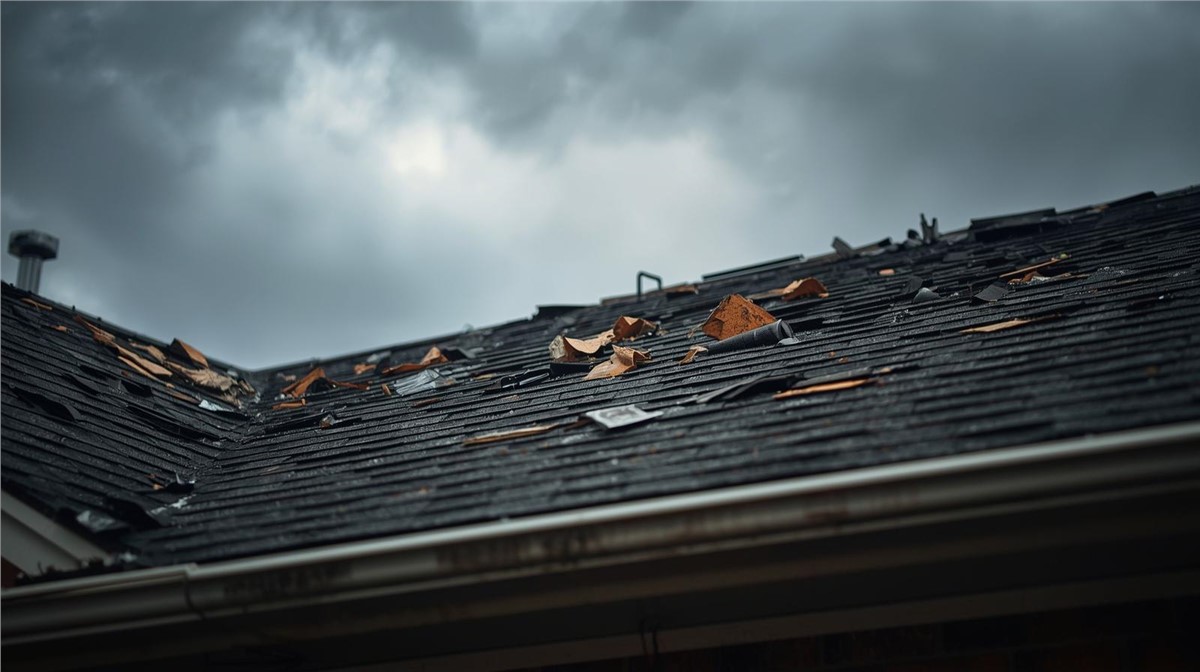
Severe weather can hit Milwaukee, WI homes hard. Hail, strong winds, heavy rain, snow, ice, and freeze-thaw cycles can all damage roofing systems and create hidden problems that may not show up immediately.
After a storm, it is important to know what to do next. Some roof damage is easy to spot, such as missing shingles or branches on the roof. Other damage, like lifted shingles, bruised materials, damaged flashing, or slow leaks, may require a professional inspection.
Taking the right steps after severe weather can help protect your home, reduce water damage risks, and make the roof repair process clearer.
Why Storm Roof Damage Matters in Milwaukee, WI
Milwaukee homes face a wide range of Midwest weather throughout the year. Spring and summer storms can bring hail, heavy rain, and high winds. Fall and winter can add snow, ice buildup, and repeated freezing and thawing.
When a roof is damaged, water can enter through small openings. Over time, this may affect insulation, attic spaces, drywall, framing, siding, gutters, and interior finishes.
Storm-related roof damage may lead to:
- Ceiling stains
- Attic moisture
- Mold or mildew concerns
- Damaged insulation
- Soft roof decking
- Missing or loose shingles
- Gutter and fascia damage
- Interior leaks during future storms
- Higher repair costs if delayed
Even if the storm has passed, roof damage can continue to worsen when the next round of rain, snow, or ice arrives.
Step 1: Check for Immediate Safety Concerns
Before looking for roof damage, make sure the area around your home is safe. Do not climb onto the roof, especially after rain, hail, snow, or wind. Wet shingles, loose materials, and hidden damage can make the roof unsafe.
From the ground, look for:
- Downed branches or debris
- Loose shingles in the yard
- Hanging gutters or downspouts
- Damaged siding or trim
- Broken window screens or glass
- Water near entryways
- Sagging roof areas
If there are electrical hazards, large fallen limbs, or active water intrusion near wiring, avoid the area and call the appropriate professional.
Step 2: Look for Visible Roof Damage From the Ground
You can often spot warning signs without getting on the roof. Walk around the home and look at each roof slope from a safe distance.
Common visible signs include:
- Missing shingles
- Lifted or curled shingles
- Loose ridge caps
- Damaged roof vents
- Bent or loose flashing
- Dented gutters
- Granules near downspouts
- Debris on the roof
- Damaged fascia or soffit
Hail damage may be harder to see from the ground. If you notice dents on gutters, downspouts, vents, or metal trim, the roof may also have impact damage.
Step 3: Check Inside the Home
Roof damage does not always appear outside first. Sometimes the first warning signs show up indoors after heavy rain or melting snow.
Check areas such as:
- Ceilings
- Attic spaces
- Walls near exterior corners
- Around chimneys or vents
- Closets near rooflines
- Insulation
- Window and door openings
Look for water stains, damp spots, peeling paint, musty odors, dripping water, or bubbling drywall. If you see active leaking, place a container under the drip and move furniture or valuables away from the area.
Step 4: Document What You See
Good documentation can help you keep track of storm damage and explain the issue clearly when contacting a roofing contractor.
Take photos or notes of:
- Visible exterior damage
- Interior water stains
- Missing shingles
- Dented gutters
- Damaged siding or windows
- Fallen branches or debris
- The date of the storm
- Any rooms where leaks appeared
You do not need to diagnose the problem yourself. The goal is simply to record what you noticed before conditions change.
Step 5: Schedule a Professional Roof Inspection
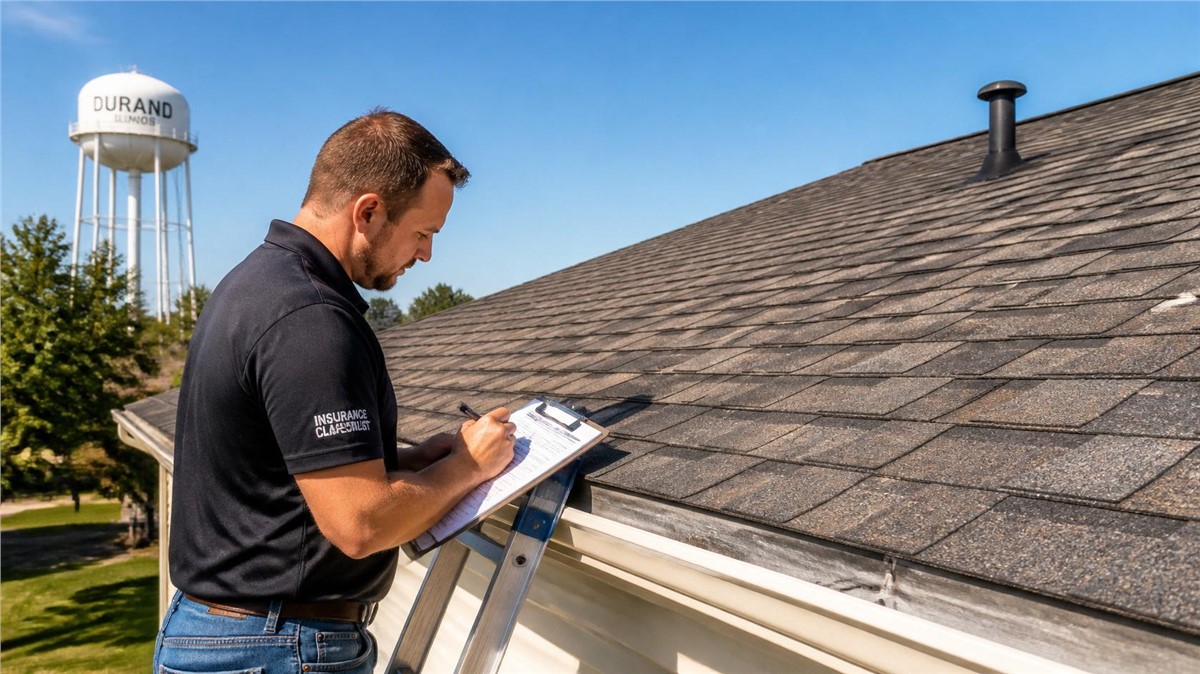
A professional roof inspection is one of the most important steps after severe weather in Milwaukee. Some damage is not easy to identify without training, especially hail bruising, lifted shingles, flashing damage, and early leak points.
A roof inspection may include:
- Shingle condition
- Flashing around chimneys and vents
- Roof valleys
- Ridge caps
- Gutters and downspouts
- Fascia and soffit
- Attic moisture signs
- Storm impact areas
A professional can help determine whether the roof needs a small repair, more extensive storm damage repair, or replacement.
Common Types of Severe Weather Roof Damage
Hail Damage
Hail can bruise shingles, knock away protective granules, dent gutters, and damage vents or flashing. Hail damage may reduce the roof’s ability to shed water properly.
Wind Damage
Strong winds can lift shingles, break seals, loosen flashing, and tear materials from roof edges. A shingle may look attached but still be compromised if it was lifted by wind.
Heavy Rain Damage
Heavy rain can reveal weak points around flashing, valleys, roof penetrations, skylights, and gutters. If leaks appear during storms, the roof should be inspected promptly.
Snow, Ice, and Freeze-Thaw Damage
In Milwaukee winters, snow and ice can create roof edge problems, ice dams, and water backup. Freeze-thaw cycles can expand small openings and make existing roof damage worse.
Repair vs Replacement After a Storm
Not every storm-damaged roof needs replacement. In some cases, a targeted repair can restore protection.
Roof repair may be enough if:
- Damage is limited to one area
- Only a few shingles are missing
- Flashing damage is isolated
- The roof is still in good overall condition
- There is no widespread moisture damage
Roof replacement may be better if:
- Damage affects multiple roof slopes
- Leaks are recurring
- Shingles are aging, brittle, or losing granules
- Hail damage is widespread
- Roof decking is soft or damaged
- Repairs would only be temporary
The right decision depends on the roof’s age, condition, storm impact, and how well the system can continue protecting the home.
Do Not Ignore Gutters, Siding, and Windows
Storm damage often affects more than the roof. Hail, wind, and heavy rain can also damage gutters, siding, windows, fascia, soffit, and trim.
Damaged gutters can cause water to overflow near the roof edge or foundation. Cracked siding can allow moisture behind exterior walls. Window trim damage can lead to leaks around openings.
That is why a full exterior inspection is helpful after severe weather. Huskie Exteriors provides roofing, siding, window, gutter, and storm damage restoration services, helping homeowners look at the full exterior system instead of only one part of the home.
Why Working With a Local Contractor Matters
A local exterior contractor understands how Milwaukee weather affects roofing systems. Midwest storms, lake-effect conditions, snow, ice, hail, wind, and freeze-thaw cycles can all create unique repair needs.
Working with a local team also helps homeowners get practical guidance based on the home’s condition, roof type, storm exposure, and surrounding exterior materials.
Conclusion
After severe weather in Milwaukee, WI, homeowners should take roof damage seriously. Missing shingles, leaks, dented gutters, damaged flashing, granule loss, and attic moisture can all point to storm-related problems.
Start with safety, check the home from the ground, look for interior signs, document visible damage, and schedule a professional inspection. Acting early can help prevent small roof issues from turning into larger water damage concerns.
Contact Huskie Exteriors for professional roofing, siding, window, gutter, and storm damage services in Illinois and Wisconsin.
Subscribe to Huskie Exteriors's Blog






Comments