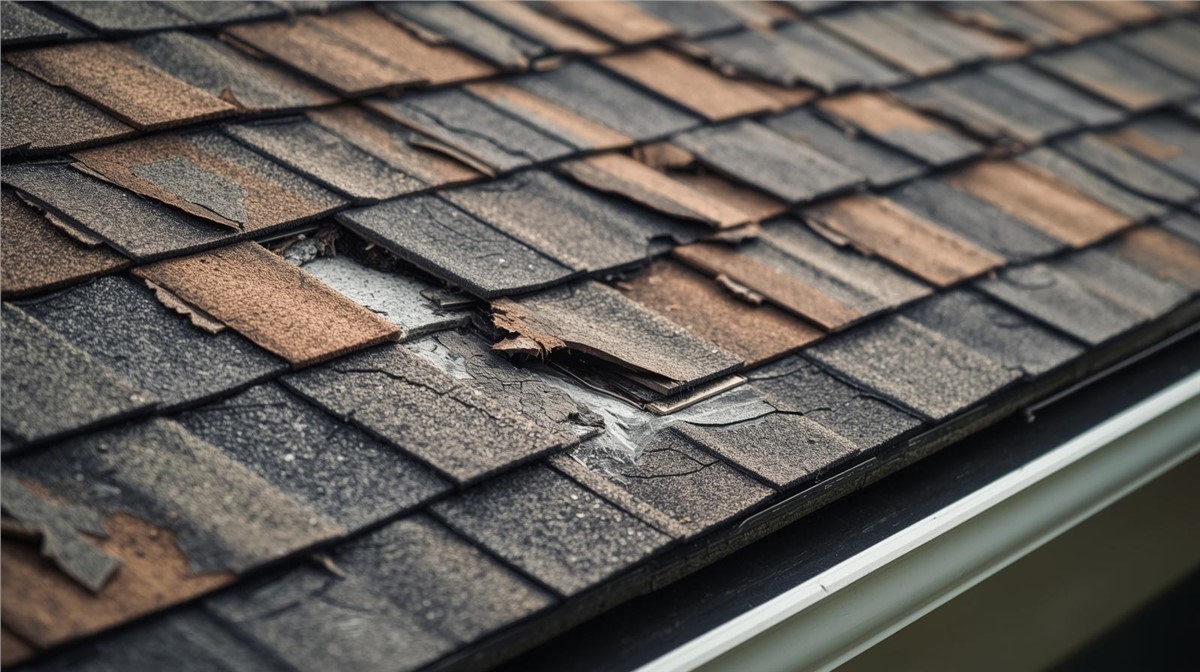
Your roof is one of the most important parts of your home’s exterior. It protects your living space, attic, insulation, framing, siding, gutters, and interior finishes from water and weather damage.
For homeowners in Wauwatosa, WI, roof damage can happen gradually over time or suddenly after a storm. Heavy rain, hail, strong winds, snow, ice buildup, and freeze-thaw cycles can all weaken a roofing system. Some damage is easy to spot, such as missing shingles. Other signs, like slow leaks or damaged flashing, may not be obvious until moisture has already entered the home.
Knowing the warning signs of roof damage can help you take action before a small issue becomes a larger repair or full roof replacement project.
Why Roof Damage Matters for Wauwatosa Homes
Wauwatosa homes experience a wide range of Midwest weather conditions throughout the year. Spring and summer storms can bring wind-driven rain and hail. Fall can bring wet leaves, clogged gutters, and temperature changes. Winter can bring snow, ice dams, freezing temperatures, and repeated thawing and refreezing.
When the roof is damaged, water can find its way into vulnerable areas. Over time, roof problems may lead to:
- Ceiling stains
- Attic moisture
- Damaged insulation
- Mold or mildew concerns
- Wood rot
- Peeling paint
- Siding or gutter damage
- Higher heating and cooling costs
- Interior water damage
- Reduced home value
Roof issues rarely stay isolated forever. A small leak around flashing, a missing shingle, or a weak roof edge can spread damage into other parts of the home if it is not addressed.
Exterior Roof Damage Warning Signs
Many roof problems can first be noticed from outside the home. You should never climb onto a roof without proper training and safety equipment, but you can often spot warning signs from the ground or from an upper window.
Missing or Lifted Shingles
Missing shingles are one of the clearest signs of roof damage. Strong winds can loosen or tear shingles away, leaving the underlayment or roof deck more exposed to rain and snow.
Lifted shingles are also a concern. Even if the shingle is still attached, it may no longer seal properly. Wind-driven rain can get underneath and create leaks.
Cracked, Curled, or Buckled Shingles
Shingles that are cracked, curled, or buckled may be aging or damaged by weather exposure. These problems can make it harder for the roof to shed water properly.
In Wauwatosa, freeze-thaw cycles can make small cracks worse. Water may enter the crack, freeze, expand, and gradually widen the damage.
Granule Loss
Asphalt shingles have protective granules that help shield the roof from sun and weather. If you notice excessive granules in gutters, downspouts, or near the bottom of splash blocks, your shingles may be wearing down.
Some granule loss is normal over time, but heavy or uneven granule loss can mean the roof is losing protection.
Damaged Flashing
Flashing is used around chimneys, walls, vents, skylights, valleys, and other roof transitions. When flashing is bent, loose, rusted, or improperly sealed, water can enter around these vulnerable areas.
Flashing problems are a common source of leaks because they often happen where different materials meet.
Sagging Roof Areas
A sagging roof area should be taken seriously. It may point to moisture damage, weakened decking, structural concerns, or long-term roof failure.
If you notice a dip, uneven roofline, or soft-looking section, schedule a professional inspection as soon as possible.
Interior Warning Signs of Roof Damage
Roof damage does not always appear outside first. Sometimes the earliest signs show up inside the home.
Watch for:
- Brown or yellow ceiling stains
- Water marks on walls
- Peeling paint or bubbling drywall
- Musty odors in the attic
- Damp insulation
- Mold near ceiling corners
- Drips during heavy rain
- Light coming through attic roof boards
- Warped ceiling areas
Interior signs can be misleading because water may travel before it becomes visible. A stain in one room may come from damage several feet away on the roof.
Storm Damage Signs After Hail, Wind, or Heavy Rain
After severe weather in Wauwatosa, it is smart to check your home’s exterior for possible storm damage.
Hail Damage
Hail can bruise shingles, knock off granules, dent gutters, damage roof vents, crack siding, and affect window screens. Hail damage is not always easy to identify from the ground, but other exterior clues can help.
Possible hail damage signs include:
- Dented gutters or downspouts
- Damaged roof vents
- Granules collecting in gutters
- Marks on siding or trim
- Torn window screens
- Shingle impact marks
If you see damage on metal surfaces or siding, the roof may also need inspection.
Wind Damage
Strong winds can lift shingles, loosen flashing, damage ridge caps, and pull gutters away from fascia. Wind damage may be limited to one side of the home or affect several roof slopes.
Warning signs include loose shingles, missing shingles, exposed underlayment, and debris on the roof.
Heavy Rain Damage
Heavy rain can reveal weak points in the roof system. If leaks appear only during storms, the issue may involve flashing, valleys, roof penetrations, gutters, or wind-driven rain entering small openings.
Repeated leaks during rain should not be ignored, even if they stop after the storm passes.
Winter Roof Damage Concerns in Wauwatosa
Winter can be especially hard on roofing systems in Wisconsin. Snow, ice, and freezing temperatures can create several roof-related issues.
Ice Dams
Ice dams can form when snow melts on the roof and refreezes near the roof edge. This can cause water to back up under shingles and enter the home.
Signs of ice dam concerns may include icicles, water stains near exterior walls, or leaks during thawing periods.
Snow Load
Heavy snow can add weight to the roof. Most homes are built to handle normal winter conditions, but older roofs, damaged decking, or blocked drainage can create concerns.
Sagging, cracking sounds, or active leaks after heavy snow should be inspected promptly.
Freeze-Thaw Damage
Freeze-thaw cycles can worsen existing roof damage. Small gaps, cracks, or lifted shingles may expand as water freezes and thaws repeatedly.
This is why fall roof inspections can be helpful before winter weather arrives.
Gutter and Roof Edge Warning Signs
Gutters and roof edges are closely connected to roof health. If gutters are clogged, sagging, leaking, or pulling away, water may back up near the roofline or run down siding.
Roof edge warning signs include:
- Water spilling over gutters
- Fascia stains or soft wood
- Gutters pulling away from the home
- Ice buildup along the eaves
- Granules in downspouts
- Water pooling near the foundation
- Stained siding below roof edges
A roof issue may sometimes look like a gutter issue, and a gutter issue may lead to roof damage. That is why both should be checked together.
When Roof Repair May Be Enough
Roof repair may be the right choice when the damage is small, isolated, and the rest of the roof is still in good condition.
Repair may make sense if:
- Only a few shingles are missing
- One flashing area is leaking
- Storm damage is limited to a small section
- The roof is not near the end of its life
- There is no widespread moisture damage
- The decking and underlayment are still sound
A professional repair can help extend the life of the roof when the overall system is still performing well.
When Roof Replacement May Be the Better Option
Roof replacement may be more practical when damage is widespread, recurring, or connected to an aging roof system.
Replacement may be worth considering if:
- Leaks are happening in multiple areas
- Shingles are curling, cracking, or losing granules throughout the roof
- Storm damage affects several roof slopes
- Repairs are becoming frequent
- The roof is near the end of its expected service life
- Moisture has damaged decking or insulation
- The roof no longer provides dependable protection
For Wauwatosa homeowners, replacement may also be the better long-term choice before winter if the roof is already struggling with leaks or visible wear.
Why a Full Exterior Inspection Matters
Roof damage often affects more than the roof. Hail, wind, ice, and heavy rain can also damage siding, gutters, windows, fascia, soffit, trim, and flashing.
A full exterior inspection can help identify related problems such as:
- Damaged gutters
- Loose or cracked siding
- Window screen or trim damage
- Soft fascia or soffit
- Poor drainage around the home
- Hidden storm damage
Huskie Exteriors provides roofing, siding, window, gutter, and storm damage restoration services, which helps homeowners evaluate the full exterior system instead of focusing on one issue at a time.
Why Working With a Local Exterior Contractor Matters
A local exterior contractor understands how Wisconsin weather affects roofing systems. Wauwatosa homes need roofs that can handle hail, wind, heavy rain, snow, ice, and freeze-thaw cycles.
Local experience also matters because roofing decisions depend on the condition of the home, the age of the roof, the type of damage, and how the rest of the exterior is performing.
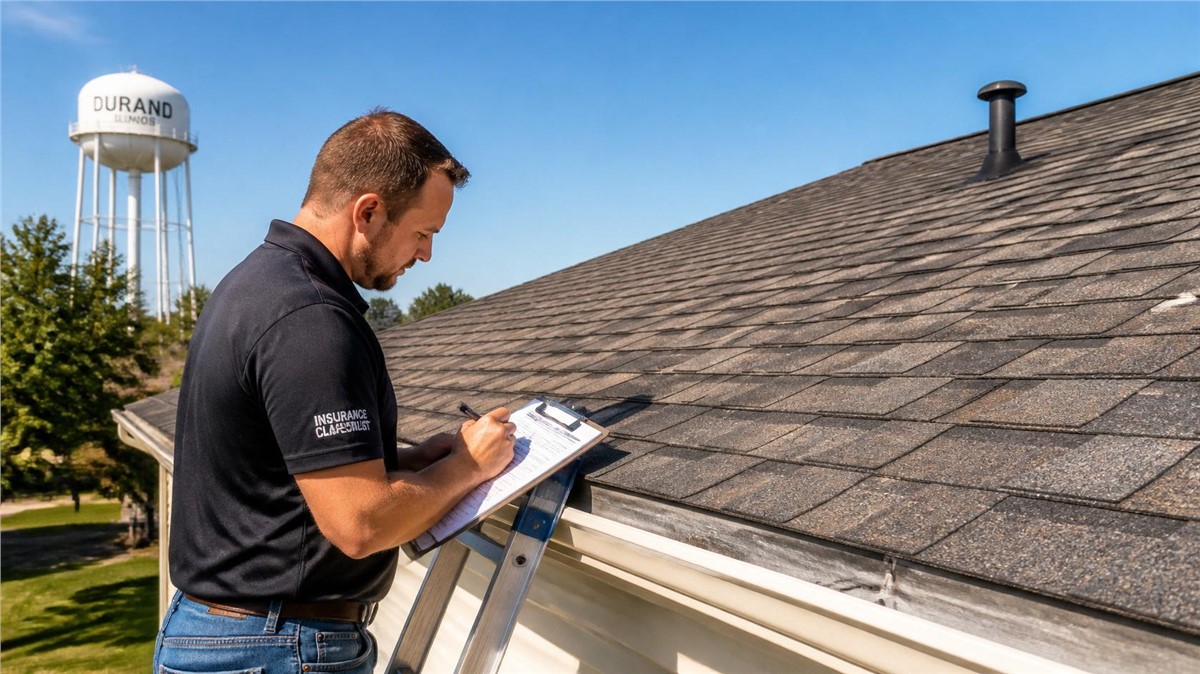
A professional inspection can help determine whether the issue needs a simple repair, more detailed storm damage work, or a full roof replacement.
Conclusion
Roof damage warning signs should not be ignored. Missing shingles, ceiling stains, granule loss, damaged flashing, sagging areas, and storm damage can all point to problems that may become more serious over time.
For Wauwatosa, WI homeowners, Midwest weather makes early roof inspections especially important. Hail, wind, heavy rain, snow, ice, and freeze-thaw cycles can all weaken a roofing system and create hidden damage.
If you notice signs of roof damage around your home, Huskie Exteriors can help inspect the roof and recommend the right next step.
Contact Huskie Exteriors for professional roofing, siding, window, gutter, and storm damage services in Illinois and Wisconsin.
Subscribe to Huskie Exteriors's Blog





Comments