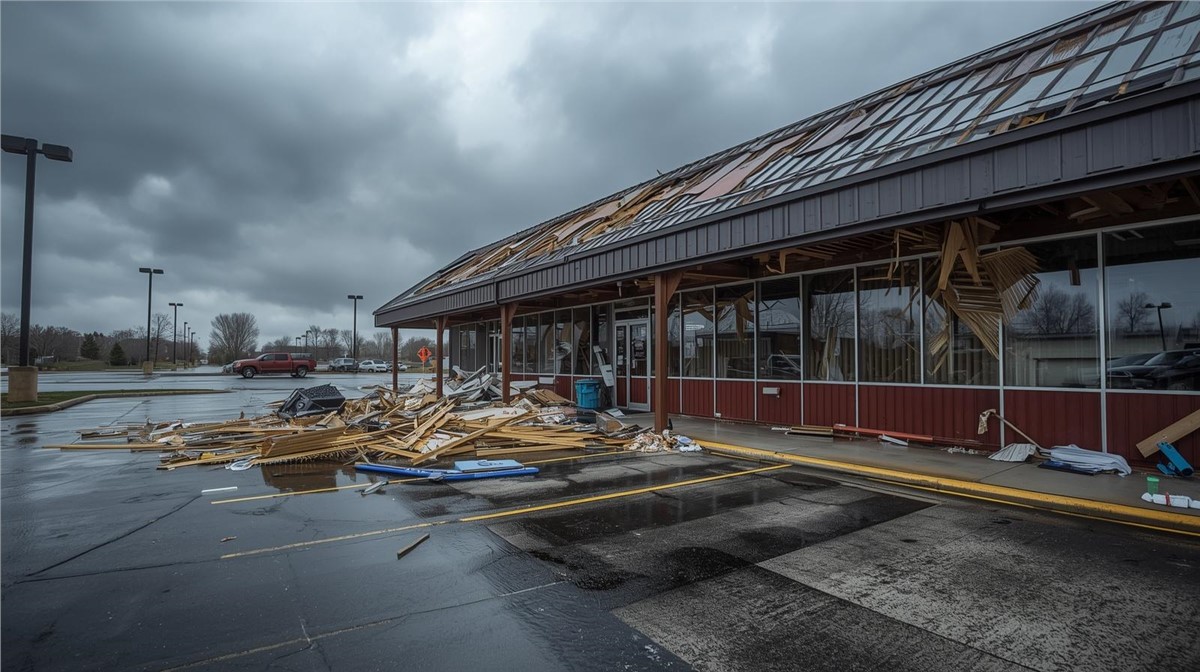
Managing a commercial property means staying ahead of problems before they disrupt tenants, customers, employees, or building operations. After a strong storm in Monona, WI, exterior damage can happen quickly, and not all of it is easy to see from the ground.
Hail may damage roofing materials, gutters, siding, window screens, and exterior trim. High winds can loosen roof edges, pull siding panels away, or disconnect downspouts. Heavy rain can expose weak points around flashing, windows, roof penetrations, and drainage areas.
For property managers, commercial storm restoration is about more than fixing what looks damaged. It is about protecting the building, documenting the condition, planning repairs, and reducing the risk of future water intrusion or business disruption.
Why Storm Restoration Matters for Monona Commercial Properties
Monona properties deal with a wide range of Midwest weather. Spring and summer storms can bring hail, high winds, and heavy rainfall. Fall and winter can bring snow, ice, freezing temperatures, and freeze-thaw cycles that make existing damage worse.
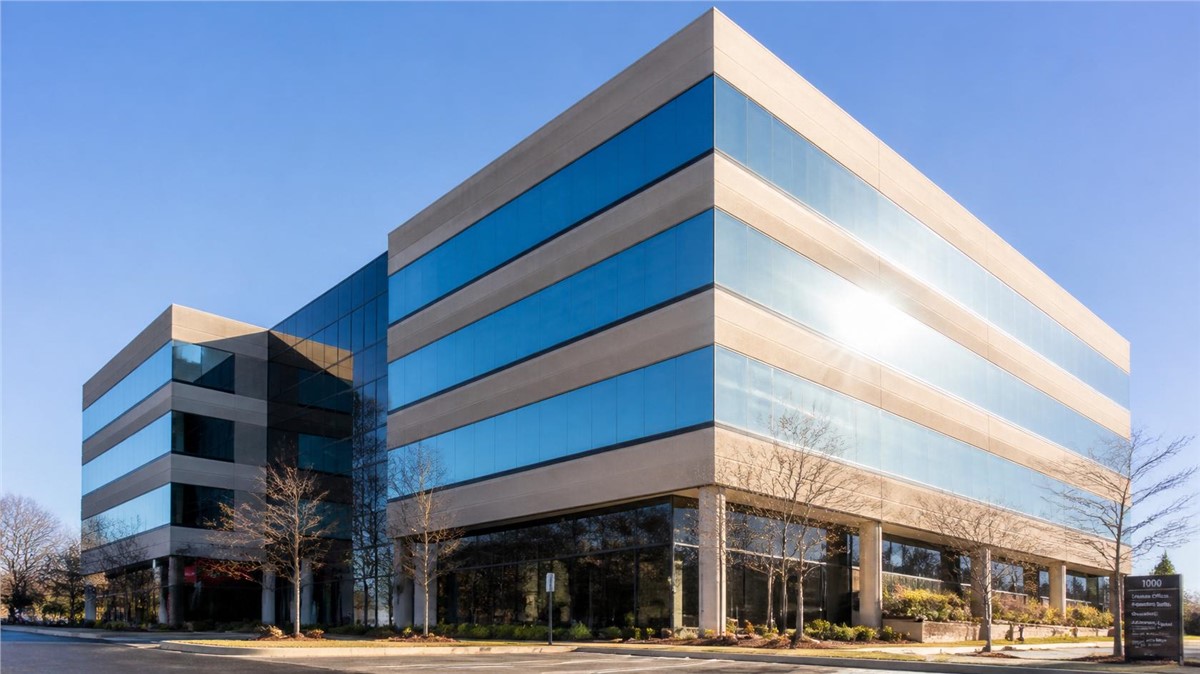
Commercial buildings often have larger roof surfaces, longer gutter runs, more exterior wall area, and more complicated drainage systems than residential homes. This means storm damage may affect several parts of the property at the same time.
Storm damage can lead to:
- Roof leaks
- Damaged siding or exterior panels
- Dented or loose gutters
- Water pooling near entrances
- Interior ceiling stains
- Wet insulation
- Damaged tenant spaces
- Window or trim leaks
- Mold or moisture concerns
- Safety issues around walkways
- Disruption to business operations
For property managers, catching these problems early can help prevent small issues from becoming larger repair projects.
Common Types of Commercial Storm Damage
Storm damage can vary depending on the building type, roof system, exterior material, and storm severity. In Monona, WI, property managers should pay attention to roofing, siding, gutters, windows, and drainage areas after severe weather.
Roof Damage
Commercial roof damage is one of the biggest concerns after a storm. Flat, low-slope, metal, and shingle roofing systems can all be affected by hail, wind, heavy rain, snow, and ice.
Warning signs may include:
- Interior leaks or ceiling stains
- Ponding water on low-slope roofs
- Damaged flashing
- Loose roof edges
- Open seams
- Missing or lifted shingles
- Hail impact marks
- Damaged vents or rooftop equipment areas
- Soft or wet insulation
- Water near roof penetrations
Even if there is no active leak, storm damage can weaken the roof system and create problems later.
Siding and Exterior Wall Damage
Commercial siding and exterior wall systems help protect the structure from moisture and wind. Hail, debris, and wind-driven rain can crack, dent, loosen, or puncture siding materials.
Property managers should watch for:
- Loose or missing siding sections
- Cracks, holes, or impact marks
- Warped exterior panels
- Stained siding
- Soft or damaged trim
- Water marks inside exterior walls
- Gaps around windows, doors, or wall penetrations
If siding damage allows moisture behind the exterior surface, it can affect insulation, sheathing, framing, and interior finishes.
Gutter and Downspout Damage
Gutters and downspouts are critical for moving water away from commercial buildings. After a storm, they may be dented, clogged, disconnected, sagging, or pulling away from the fascia.
Damaged gutters can cause water to overflow near:
- Customer entrances
- Tenant doors
- Sidewalks
- Loading areas
- Landscaping
- Parking lot edges
- Foundations
- Exterior walls
Poor drainage can also lead to ice buildup in winter, creating safety concerns around walkways and entry points.
Window and Trim Damage
Windows are often overlooked after storms, but they can be damaged by hail, wind-driven debris, and heavy rain. Trim and flashing around windows can also loosen or fail.
Signs of window-related storm damage include:
- Cracked glass
- Torn or dented screens
- Damaged exterior trim
- Water stains around window openings
- Drafts after high winds
- Moisture between panes
- Leaks during heavy rain
For multi-tenant buildings, window damage can quickly become a tenant comfort and maintenance issue.
What Property Managers Should Do After a Storm
After severe weather, property managers should have a clear process for checking the building and documenting concerns.
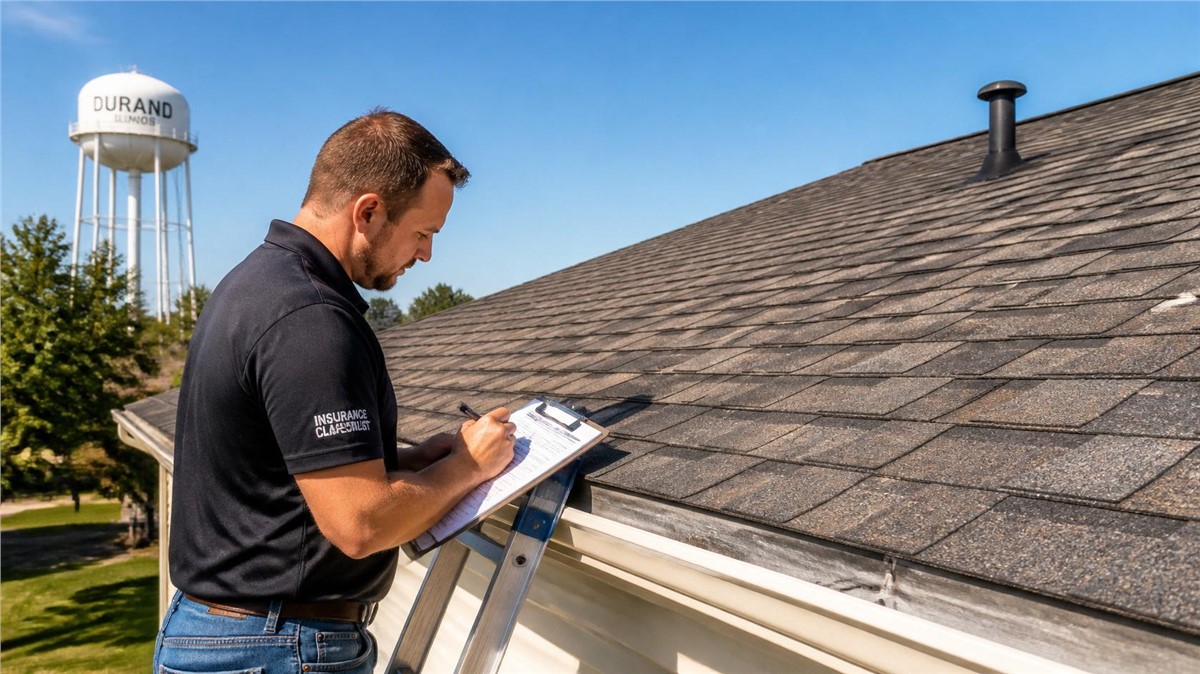
Start with a safe visual review from the ground. Look for obvious exterior damage, water pooling, loose materials, or areas where tenants have reported leaks. Avoid climbing onto the roof or entering unsafe areas without a professional inspection.
Helpful first steps include:
- Walk the property exterior
- Check entrances and walkways for water or debris
- Ask tenants if they noticed leaks or drafts
- Look for ceiling stains or interior moisture
- Take photos of visible damage
- Check gutters and downspouts from the ground
- Note the date and type of storm
- Schedule a professional exterior inspection
A professional inspection is especially important if hail, strong winds, or heavy rain affected the area. Some damage may not be visible until a trained contractor checks the roof, flashing, gutters, siding, and drainage points.
Why Documentation Matters
Good documentation helps property managers track the condition of the building and communicate clearly with owners, tenants, contractors, or insurance representatives.
Documentation may include:
- Photos of visible damage
- Notes from tenant reports
- Dates of storms or water intrusion
- Areas where leaks were found
- Maintenance history
- Prior repair records
- Inspection findings
- Recommended repairs
Keeping clear records makes it easier to understand whether damage is new, recurring, or connected to an older issue.
Repair vs Replacement After Commercial Storm Damage
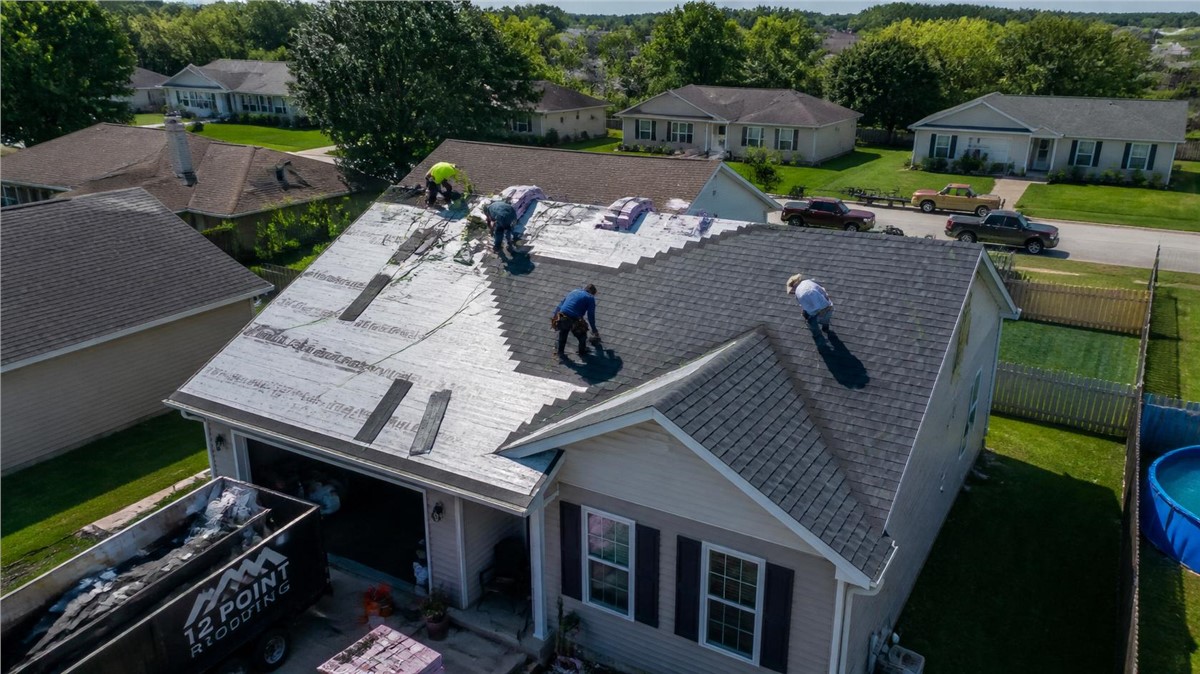
Not every storm-damaged area requires full replacement. In many cases, targeted repairs can restore protection if the damage is limited and the rest of the system is still performing well.
Repair may be enough when:
- Damage is isolated
- The roof or siding system is still in good overall condition
- A gutter section or downspout can be reattached
- A flashing issue has a clear repair path
- Water intrusion is limited and addressed early
- Matching materials are available
Replacement may be the better option when:
- Damage is widespread
- Leaks keep returning
- Roofing materials are aging or failing
- Siding is loose, brittle, or damaged on several walls
- Gutters are sagging, leaking, or undersized throughout the system
- Water has affected insulation, sheathing, or interior spaces
- Storm damage impacts multiple exterior systems
For Monona property managers, the right decision often depends on building age, material condition, tenant needs, budget, and long-term maintenance plans.
Cost Factors for Commercial Storm Restoration
Commercial storm restoration costs can vary depending on the damage and the building’s design. A professional inspection can help identify the full scope before repairs begin.
Common cost factors include:
- Size of the building
- Roof type and accessibility
- Extent of storm damage
- Type of siding or exterior material
- Gutter and downspout layout
- Number of affected windows
- Interior water damage
- Fascia, soffit, or trim repairs
- Safety and access requirements
- Whether work must be phased around tenants
- Whether multiple exterior systems are affected
The lowest-cost repair is not always the best long-term choice. If repeated repairs are needed after every storm, replacement or a larger restoration plan may provide better value.
Planning Repairs Around Tenants and Business Operations
Commercial restoration projects need careful planning. Property managers often have to balance repairs with tenant access, customer traffic, employee schedules, and safety concerns.
A good repair plan should consider:
- Keeping entrances accessible
- Protecting walkways and parking areas
- Reducing disruption during business hours
- Communicating with tenants
- Managing debris and cleanup
- Prioritizing active leaks
- Protecting inventory or equipment
- Planning around weather conditions
- Addressing safety hazards quickly
Urgent issues, such as active roof leaks or loose exterior materials, should be handled as soon as possible. Larger restoration projects may require scheduling, staging, and coordination to minimize disruption.
Midwest Weather Factors That Can Make Damage Worse
Storm damage should not be ignored because Monona weather can make small problems worse over time.
Hail
Hail can bruise roofing materials, crack siding, dent gutters, damage window screens, and mark exterior trim. Damage may be subtle but still affect long-term performance.
Wind
Strong winds can lift roof edges, loosen flashing, pull siding panels away, and disconnect gutters or downspouts. Wind-driven rain can also force water into small gaps.
Heavy Rain
Heavy rain often reveals hidden roof, siding, gutter, and flashing problems. If water appears inside the building during or after storms, the exterior should be inspected promptly.
Snow and Ice
Snow and ice can add weight to roofs and gutters. Ice buildup near roof edges or drainage points can worsen leaks and create safety concerns.
Freeze-Thaw Cycles
Freeze-thaw cycles can expand small cracks and gaps. Water enters an opening, freezes, expands, and gradually creates larger damage around roof seams, siding joints, windows, and gutter connections.
Why a Full Exterior Inspection Is Important
Storms often affect more than one area of a building. A property may have roof damage, dented gutters, cracked siding, and window trim issues from the same weather event.
A full exterior inspection may include:
- Roofing
- Siding
- Gutters
- Downspouts
- Windows
- Fascia and soffit
- Flashing
- Trim
- Drainage areas
- Signs of interior moisture
This complete approach helps property managers avoid missing related damage. It also helps identify whether the issue is isolated or part of a larger building envelope concern.
Huskie Exteriors provides roofing, siding, window, gutter, and storm damage restoration services, helping commercial property owners and managers evaluate the full exterior system after severe weather.
Why Working With a Local Exterior Contractor Matters
Commercial storm restoration in Monona, WI requires practical local experience. A contractor familiar with Wisconsin and Illinois weather understands how hail, wind, heavy rain, snow, ice, and freeze-thaw cycles affect commercial buildings.
Local experience also helps with timing. After major storms, repairs may need to be prioritized based on active leaks, safety concerns, building access, and tenant needs.
A local exterior contractor can also help property managers make informed decisions about whether repair or replacement is the best next step for each part of the property.
Conclusion
Commercial storm restoration is an important part of protecting a property after severe weather. For property managers in Monona, WI, roof, siding, gutter, and window damage should be checked early to reduce the risk of leaks, water damage, tenant complaints, and costly repairs.
Even if the building looks fine from the ground, hail, wind, heavy rain, snow, ice, and freeze-thaw cycles can create hidden damage that worsens over time.
If your commercial property has visible storm damage, active leaks, loose exterior materials, drainage problems, or tenant reports after a storm, a professional inspection can help identify the right next step.
Contact Huskie Exteriors for professional roofing, siding, window, gutter, and storm damage services in Illinois and Wisconsin.
Subscribe to Huskie Exteriors's Blog



Comments