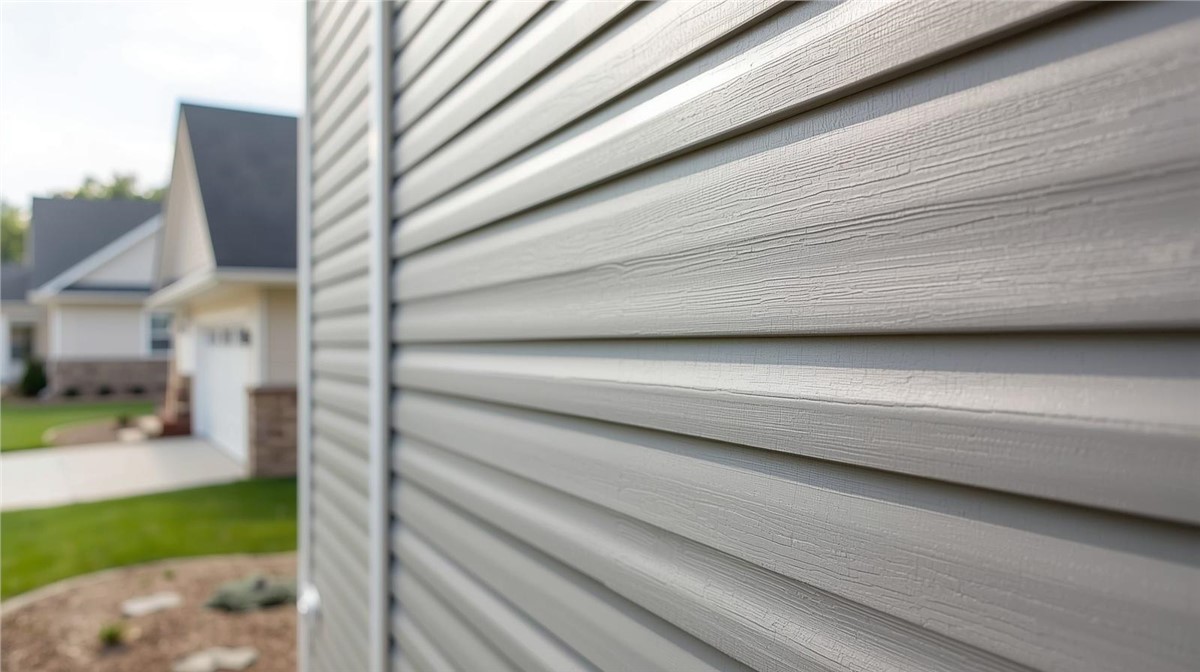
Siding replacement is one of the most important exterior projects a homeowner can plan. Your siding does more than shape the look of your home. It helps protect the structure from rain, snow, wind, hail, ice, pests, and everyday exposure.
For homeowners in Fort Atkinson, WI, siding replacement should be planned carefully. Local homes face a wide range of Midwest weather conditions, including heavy rain, high winds, hail, snow, ice buildup, and freeze-thaw cycles. Over time, these conditions can wear down siding, loosen panels, damage trim, and allow moisture behind the exterior surface.
Whether your siding is old, faded, cracked, storm-damaged, or no longer protecting your home properly, a well-planned replacement project can help restore both function and curb appeal.
Why Siding Replacement Matters for Fort Atkinson Homes
Your siding is one of the largest protective surfaces on your home. When it begins to fail, water and air can enter areas where they do not belong.
Damaged or aging siding may contribute to:
- Moisture behind exterior walls
- Rotting trim or sheathing
- Mold or mildew concerns
- Higher heating and cooling costs
- Drafts near exterior walls
- Pest entry points
- Reduced curb appeal
- Storm damage vulnerability
- More frequent exterior repairs
In Fort Atkinson, siding issues can become worse quickly because of seasonal weather changes. A small crack in fall may expand after winter freeze-thaw cycles. Loose siding after a windstorm may allow heavy rain to reach the wall system. Hail damage that looks minor at first may weaken panels and trim over time.
Planning siding replacement before problems spread can help protect the home and avoid more complicated repairs later.
Signs It May Be Time to Replace Your Siding
Not every siding issue requires full replacement. Sometimes a small repair is enough. However, replacement may be the better option when damage is widespread, recurring, or affecting the performance of the exterior.
Common signs that siding replacement may be needed include:
- Cracked, broken, or missing siding panels
- Warped or buckled siding
- Loose panels after windstorms
- Faded or brittle siding
- Soft or rotted trim
- Water stains on siding or interior walls
- Mold or mildew that keeps returning
- Peeling paint inside near exterior walls
- Rising energy bills from drafts or poor insulation
- Frequent repairs in multiple areas
- Storm damage on several sides of the home
If your Fort Atkinson home has siding damage in several areas, replacing the siding may provide better long-term protection than continuing with repeated repairs.
How Midwest Weather Affects Siding
Siding in Wisconsin has to handle more than normal wear and tear. Local weather plays a major role in how long siding lasts and when replacement becomes necessary.
Hail
Hail can crack vinyl siding, dent metal components, chip finishes, damage trim, and leave impact marks across the exterior. If hail also damaged gutters, roof vents, or window screens, the siding may have been affected too.
Wind
Strong winds can loosen panels, break corner pieces, pull siding away from the wall, and drive rain into small gaps. Once siding becomes loose, the next storm can make the damage worse.
Heavy Rain
Heavy rain can expose weak spots around siding seams, windows, doors, rooflines, and trim. If water gets behind the siding, it can affect insulation, sheathing, and framing.
Snow and Ice
Snow buildup near the base of the home can keep moisture against lower siding. Ice near roof edges and gutters can also cause water to back up and affect siding and trim.
Freeze-Thaw Cycles
Freeze-thaw cycles can expand small cracks and gaps. Water enters an opening, freezes, expands, and gradually makes the damage larger. This is one reason siding problems should not be ignored before winter.
Choosing the Right Siding Material
The best siding material depends on your home, budget, maintenance expectations, and appearance goals. A professional contractor can help compare options based on how they perform in Fort Atkinson’s climate.
Vinyl Siding
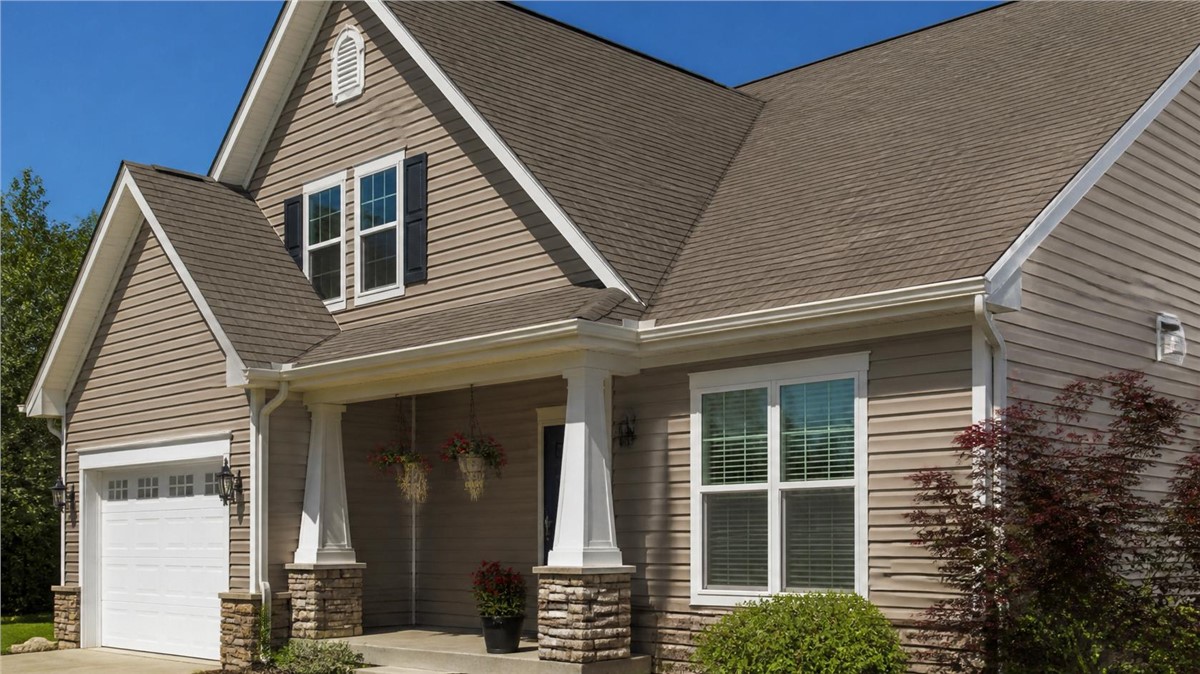
Vinyl siding is a common residential option because it is practical, widely available, and comes in many colors and styles. It can be a good choice for homeowners who want a lower-maintenance exterior with a clean, updated look.
However, vinyl siding can crack from hail impact or become brittle over time, especially if it is older. Proper installation is important so panels can expand and contract with temperature changes.
Fiber Cement Siding
Fiber cement siding is known for durability and a more substantial appearance. It can work well for homeowners who want strong curb appeal and a siding material that can handle changing weather conditions.
It may require more planning and professional installation, but it can be a strong option for homeowners who want a long-term exterior update.
Engineered Wood Siding
Engineered wood siding can offer a warm, natural appearance with improved durability compared to traditional wood products. It may appeal to homeowners who want a more detailed or textured exterior style.
As with any siding product, correct installation, flashing, sealing, and maintenance are important for long-term performance.
Metal Siding Accents
Some homeowners use metal siding or metal accents for a modern or farmhouse-style look. These materials can be used selectively on dormers, gables, porches, or architectural features.
Metal components should be planned carefully with trim, flashing, and drainage details.
Planning Your Siding Replacement Project
A successful siding replacement project starts with clear planning. Before choosing a product or color, homeowners should understand the condition of the existing exterior.
Start With an Exterior Inspection
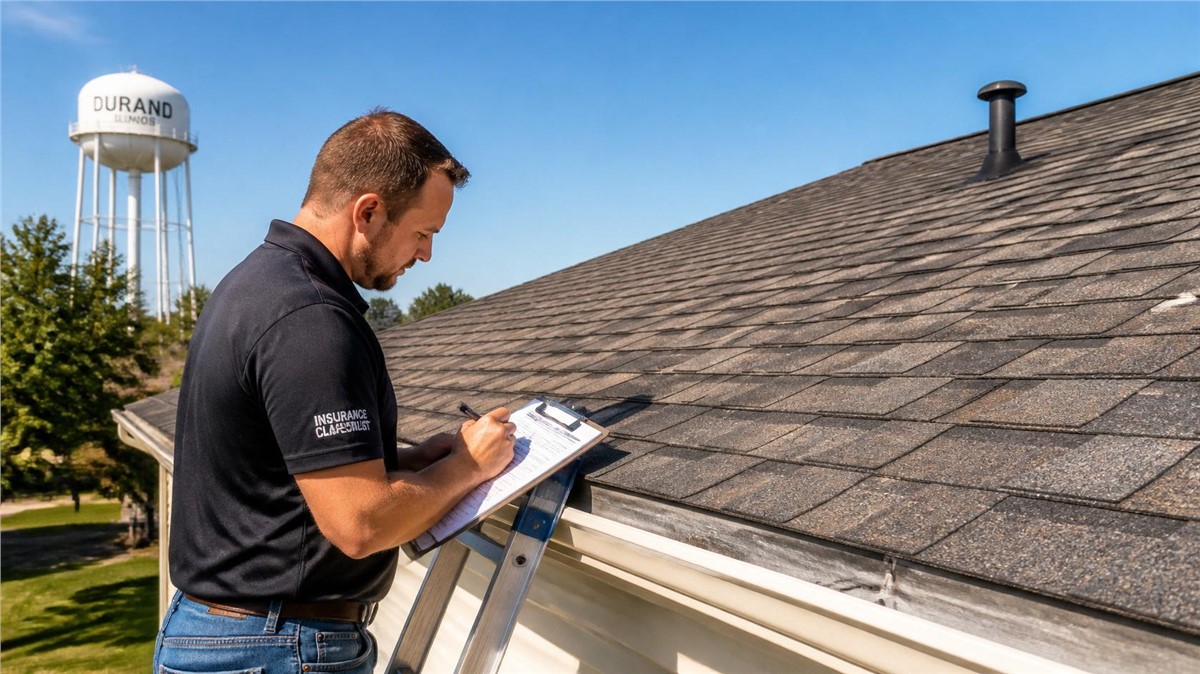
A professional inspection can help identify whether the siding damage is only surface-level or whether moisture has reached the materials behind it.
The inspection may include:
- Siding panels
- Trim and corners
- Window and door areas
- House wrap or moisture barrier
- Sheathing condition
- Fascia and soffit
- Gutters and downspouts
- Roof edges and flashing
- Storm damage signs
This step is especially important if your home has had hail, wind, or water damage.
Think About More Than Color
Color matters, but siding performance matters too. Homeowners should also think about material durability, maintenance, profile, texture, insulation options, trim details, and how the siding works with the rest of the exterior.
A siding replacement project can also be a good time to evaluate gutters, windows, roofing, soffit, fascia, and exterior trim.
Plan Around Weather and Timing
Siding replacement can be affected by weather. Heavy rain, high winds, snow, ice, or very cold conditions may impact scheduling and installation. In Fort Atkinson, spring, summer, and fall are often popular times for exterior projects, but storm damage and urgent repairs may need attention sooner.
Planning early can help homeowners avoid rushing decisions during peak repair seasons.
Repair vs Replacement: How to Decide
Siding repair may be enough when the issue is limited to one small area. For example, a few damaged panels from a minor impact may not require replacing the entire exterior.
Repair may make sense if:
- Damage is isolated
- The siding is still in good condition overall
- Matching panels are available
- There is no moisture behind the siding
- Trim and flashing are still performing well
Replacement may be better if:
- Damage affects multiple sides of the home
- Siding is faded, brittle, warped, or cracked
- Water has reached the wall system
- Repairs are becoming frequent
- Storm damage is widespread
- The home needs better long-term protection
- Matching old siding is difficult
For many Fort Atkinson homeowners, the decision comes down to whether repairs will truly solve the problem or only delay a larger project.
Cost Factors to Consider
The cost of residential siding replacement depends on several factors. Every home is different, so a professional estimate is the best way to understand the full scope.
Common cost factors include:
- Size of the home
- Type of siding material
- Removal of old siding
- Condition of sheathing underneath
- Trim, corners, and detail work
- Window and door flashing
- Number of stories
- Access around the property
- Storm damage repairs
- Gutter, soffit, or fascia updates
- Insulation or house wrap needs
It is also important to consider long-term value. A lower upfront cost may not always be the best option if the material does not meet your durability, maintenance, or appearance goals.
Siding Replacement and Energy Performance
New siding may help improve comfort when combined with proper installation, weather barriers, sealing, and insulation details. If your current siding has gaps, cracks, or loose sections, your home may be more vulnerable to drafts and moisture.
During a siding replacement project, homeowners can also address problem areas around windows, doors, corners, and exterior penetrations. These details matter because small gaps can affect comfort and energy performance over time.
While siding alone is not the only factor in energy efficiency, it plays an important role in the overall exterior system.
Why Gutters, Windows, and Roofing Should Be Checked Too
Siding does not work alone. Gutters, windows, roofing, flashing, soffit, and fascia all help manage water and protect your home.
If gutters overflow, water can run down new siding and cause staining or moisture problems. If windows are poorly sealed, water may enter around the openings. If roof edges or flashing are damaged, water can reach siding and trim.
Before replacing siding, it is smart to inspect nearby exterior components. This can help prevent new siding from being affected by existing water problems.
Huskie Exteriors provides roofing, siding, window, gutter, and storm damage restoration services, which makes it easier to evaluate the full exterior system before starting a project.
Residential Project Details Homeowners Should Know
Before work begins, homeowners should understand what the project may involve. This can make the process smoother and reduce surprises.
A siding replacement project may include:
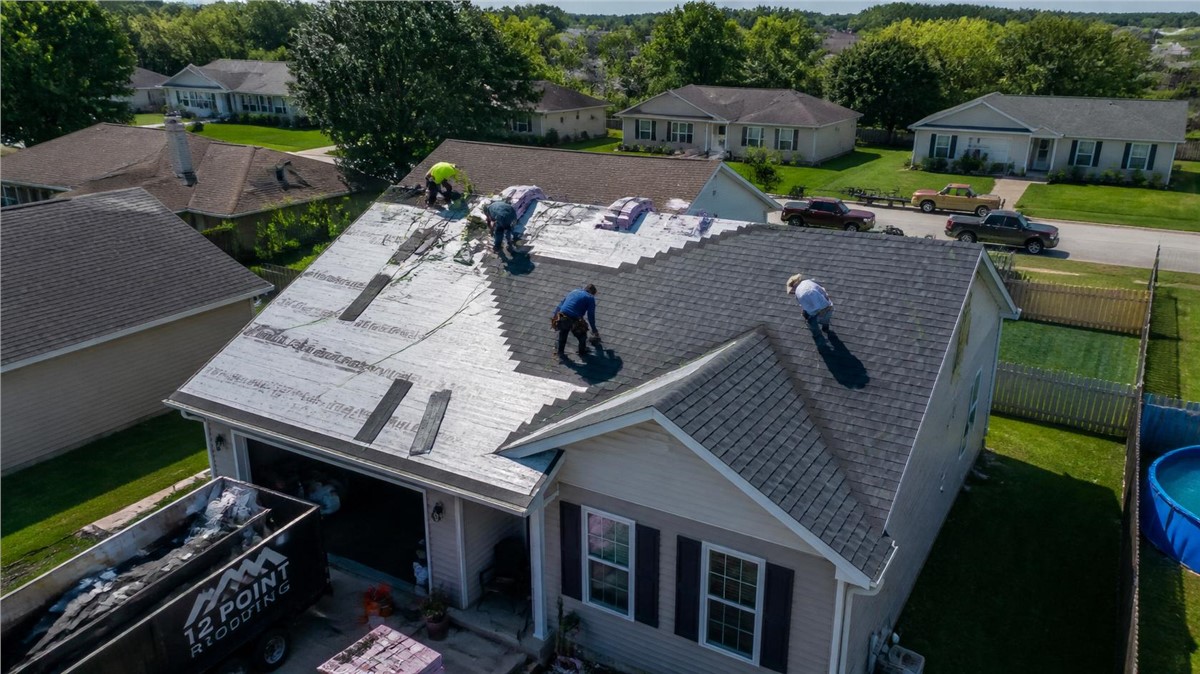
- Removing old siding
- Checking wall sheathing
- Repairing damaged areas
- Installing house wrap or moisture protection
- Adding new siding panels
- Updating trim and corners
- Sealing around windows and doors
- Cleaning up old materials
- Reviewing the completed work
Homeowners should also move outdoor furniture, decorations, grills, planters, or other items away from the work area when needed. Clear access around the home can help the project move more efficiently.
Why Working With a Local Exterior Contractor Matters
A local exterior contractor understands the weather challenges that affect homes in Fort Atkinson, WI. Hail, wind, heavy rain, snow, ice, storm damage, and freeze-thaw cycles all influence how siding should be installed and maintained.
Local experience also matters because exterior problems are often connected. A siding issue may be related to roof runoff, damaged gutters, window leaks, or storm impact. A contractor who understands the full exterior can help homeowners make better decisions.
Working with a local team also gives homeowners practical guidance on material choices, project timing, and what to watch for after future storms.
Conclusion
Residential siding replacement is a major project, but it can be a smart investment when your current siding is damaged, aging, or no longer protecting your home properly. For Fort Atkinson, WI homeowners, planning ahead is especially important because Midwest weather can make siding problems worse over time.
By understanding warning signs, comparing materials, reviewing repair versus replacement, and checking the full exterior system, you can make a more confident decision for your home.
If you are planning a siding replacement project or want to know whether repair is still an option, Huskie Exteriors can help you evaluate your home and choose the right next step.
Contact Huskie Exteriors for professional roofing, siding, window, gutter, and storm damage services in Illinois and Wisconsin.
Subscribe to Huskie Exteriors's Blog




Comments