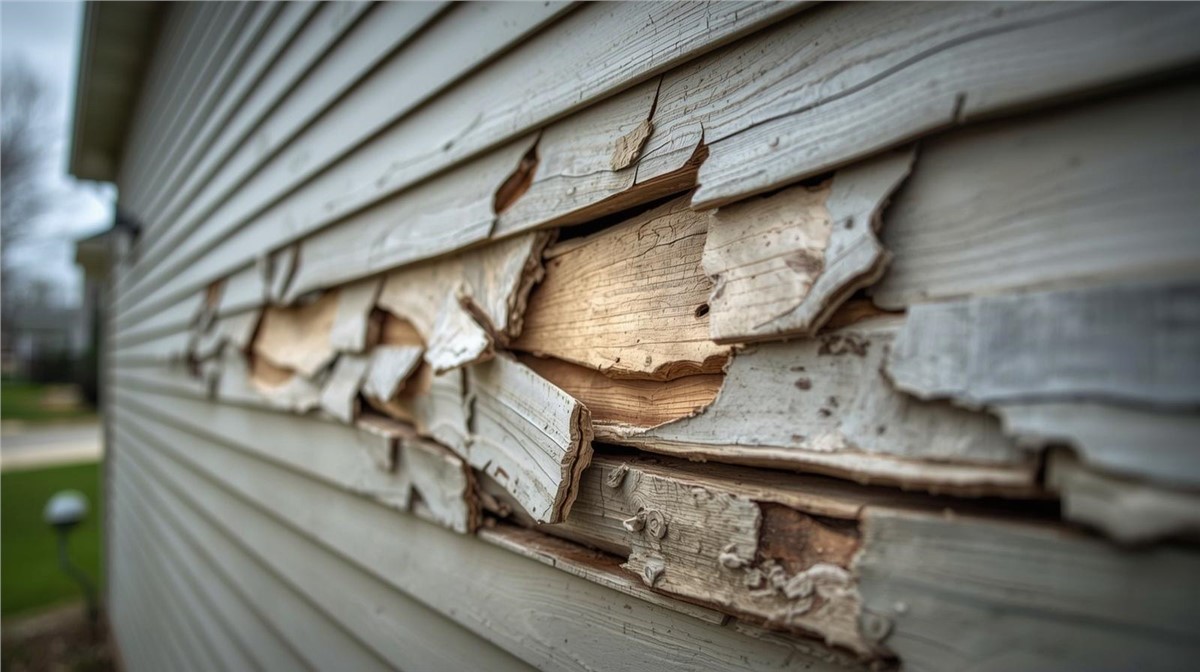
Siding is one of the first lines of defense for your home or commercial property. It protects the structure from rain, wind, snow, ice, hail, debris, and everyday weather exposure. When siding is cracked, punctured, loose, or missing, that protection can quickly weaken.
For property owners in Whitewater, WI, storm damage siding repair is especially important because Midwest weather can be unpredictable. A strong storm may bring hail, high winds, heavy rain, and flying debris in a short amount of time. Even if the damage looks small from the ground, siding problems can allow moisture to get behind the exterior surface.
Cracks, holes, and loose panels should not be ignored. These issues can lead to water damage, insulation problems, mold concerns, energy loss, and damage to the materials behind the siding.
Why Storm-Damaged Siding Matters in Whitewater, WI
Whitewater properties experience all four seasons, and each season can put stress on siding. Spring and summer storms may bring hail and wind-driven rain. Fall can bring moisture and temperature swings. Winter adds snow, ice, and freezing conditions.
When siding is damaged, water can enter through openings and travel behind the panels. Once moisture reaches the wall system, it may affect sheathing, insulation, framing, trim, windows, and interior walls.
Storm-damaged siding may lead to:
- Water stains inside the property
- Mold or mildew growth
- Soft or rotted exterior trim
- Damaged insulation
- Higher heating or cooling costs
- Pest entry points
- Warped or buckled siding
- Peeling paint or bubbling drywall
- Reduced curb appeal
- More expensive repairs later
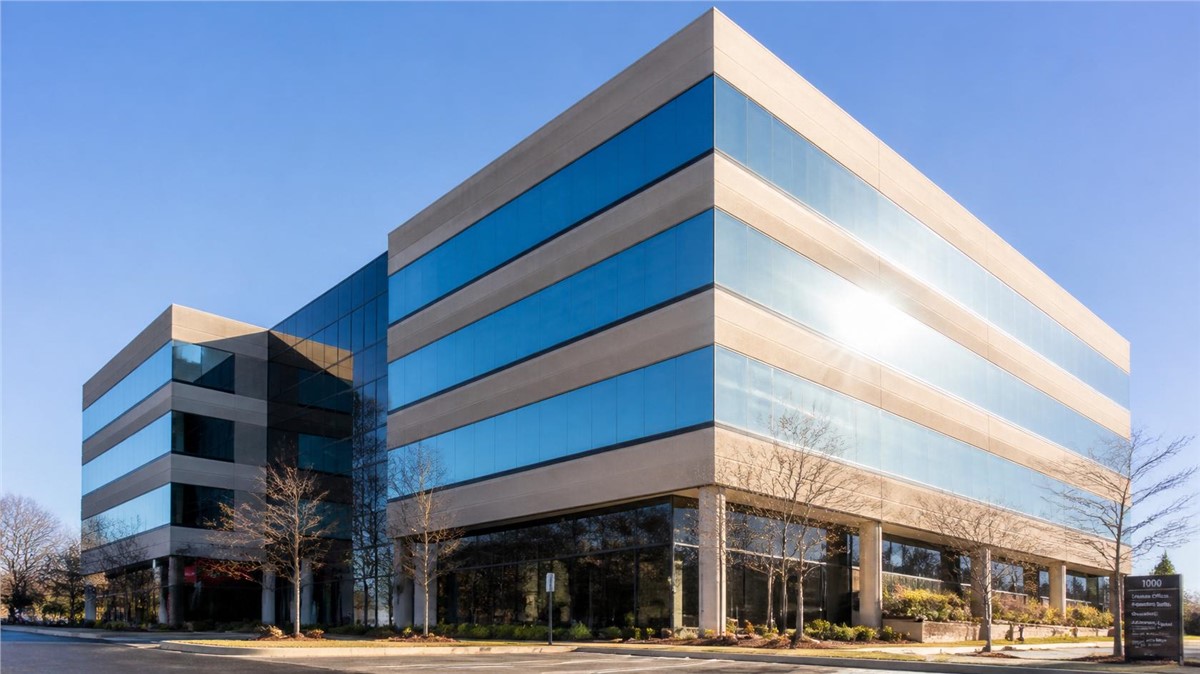
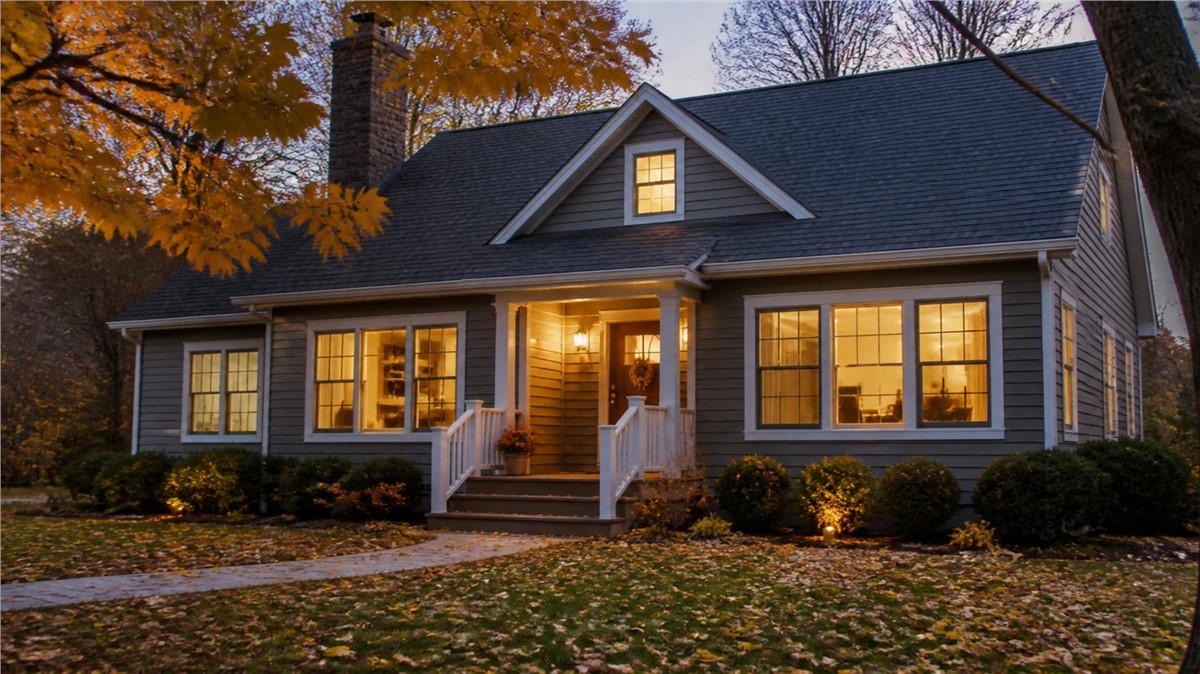
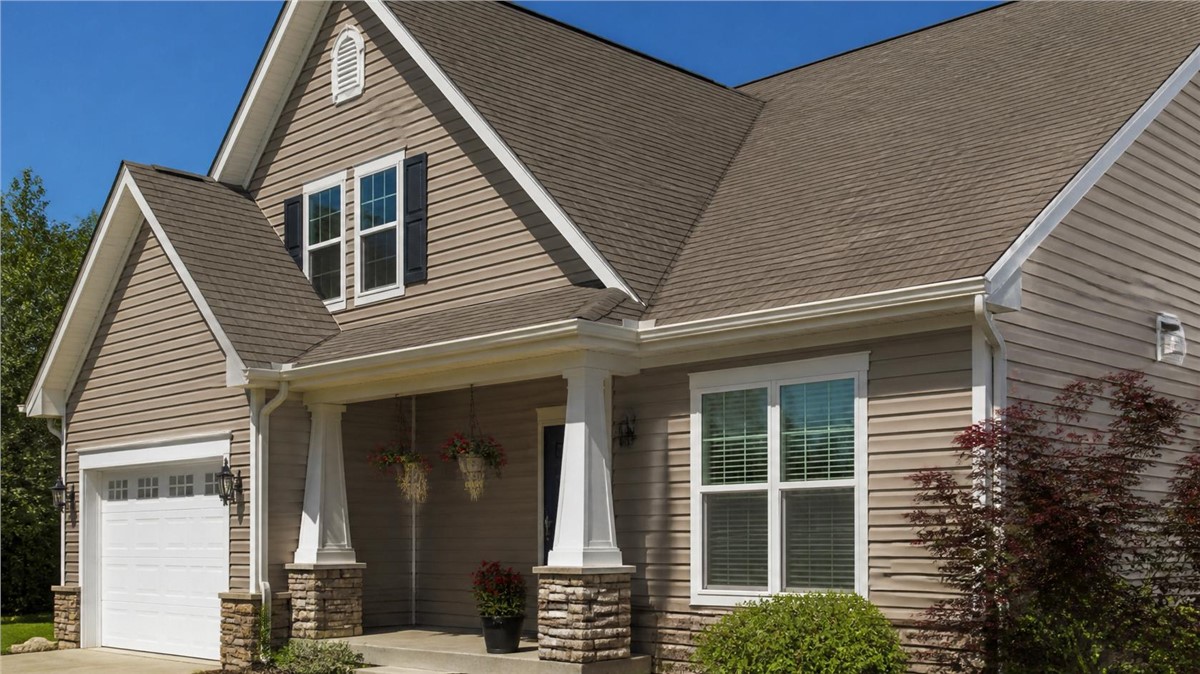
For homeowners, siding damage can affect comfort, appearance, and long-term home value. For commercial property owners, it can affect tenant spaces, customer areas, inventory, equipment, and the professional appearance of the building.
Common Types of Storm Damage to Siding
Storm damage can show up in different ways depending on the siding material, the direction of the storm, and the age of the exterior.
Cracked Siding
Cracks are common after hail impact, flying debris, or strong temperature changes. Vinyl siding can become more brittle over time, especially when exposed to repeated sun, cold, and freeze-thaw cycles.
A small crack may not seem urgent, but it can allow moisture to enter behind the siding. During winter, water can freeze inside the opening, expand, and make the crack worse.
Holes and Punctures
Holes in siding are often caused by hail, branches, wind-blown debris, or impact from outdoor objects. Even a small hole can expose the wall system behind the siding.
If holes are visible after a storm in Whitewater, the siding should be inspected to determine whether the damage is isolated or part of a larger storm-related issue.
Loose Panels
High winds can lift, shift, or pull siding panels away from the wall. Loose panels may rattle, create gaps, or allow wind-driven rain to move behind the siding.
Loose siding should be repaired quickly because it can worsen during the next storm. Once one section is loose, surrounding panels may also begin to shift.
Missing Siding Sections
If siding panels are missing, the property is more exposed to moisture and weather. Missing sections should be addressed as soon as possible, especially before heavy rain or winter weather.
Dents and Impact Marks
Hail can leave dents, chips, or impact marks on siding and trim. Some damage is easy to see, while other damage may be subtle. If hail also damaged gutters, roof vents, or window screens, siding may have been affected too.
Warning Signs Around Your Property
After a storm, it is helpful to walk around the property and look for siding damage from different angles. Some damage is easier to see when sunlight hits the siding from the side.
Look for:
- Cracks in siding panels
- Holes or punctures
- Loose or rattling panels
- Missing siding sections
- Warped or buckled areas
- Gaps around windows or doors
- Dented trim or corner pieces
- Dark streaks or water stains
- Mold or mildew growth
- Soft trim near siding edges
- Peeling paint inside exterior walls
- Musty odors indoors after rain
For commercial properties, also inspect areas near entrances, loading zones, signage, exterior lighting, and high-traffic walls. These areas may be more exposed to impact, water, and wind.
How Midwest Weather Makes Siding Damage Worse
Storm damage in Whitewater, WI is not always a one-time problem. Local weather can turn small siding issues into larger repairs if damage is left unaddressed.
Hail
Hail can crack siding, punch holes through panels, dent metal trim, and damage gutters or roofing at the same time. After a hailstorm, it is wise to check the full exterior system.
Wind
Strong winds can pull siding loose, break corners, and force rain into gaps. Wind-driven rain is especially concerning because it can push moisture behind siding that would normally shed water.
Heavy Rain
Heavy rain can reveal weak points around siding seams, trim, windows, doors, and rooflines. If siding is already cracked or loose, water can enter more easily.
Snow and Ice
Snow buildup against lower siding can keep moisture against the exterior for long periods. Ice near roof edges and gutters can also create water backup that affects siding and trim.
Freeze-Thaw Cycles
Freeze-thaw cycles can make small openings worse. Water enters a crack, freezes, expands, and widens the damage. This is one reason siding problems should be fixed before winter whenever possible.
When Siding Repair May Be Enough
Siding repair may be a good option when damage is limited and the rest of the system is still in good condition. A professional inspection can help determine whether the damage is isolated or widespread.
Repair may be enough if:
- Only a few panels are cracked
- One small area has storm impact damage
- Loose panels can be secured properly
- Trim damage is minor
- There is no moisture damage behind the siding
- The siding is not brittle or failing overall
- The color and material can be matched reasonably well
For Whitewater homeowners, timely siding repair can help prevent water from spreading behind the exterior. For commercial buildings, targeted repairs can protect walls, tenant spaces, and public-facing areas without replacing the entire exterior.
When Siding Replacement May Be Better
Siding replacement may be the better choice when storm damage is widespread, moisture has reached the wall system, or the existing siding is aging and difficult to repair properly.
Replacement may make sense if:
- Multiple walls have cracks, holes, or loose panels
- Siding is brittle, faded, or failing
- Water damage is found behind the siding
- Repairs would leave the exterior mismatched
- Storm damage affects the roof, gutters, and siding together
- Panels keep coming loose after repairs
- Mold, rot, or insulation damage is present
- The property needs a larger exterior update
Replacement can also improve curb appeal and provide more consistent protection across the property. This may be especially helpful for older homes, rental properties, commercial buildings, and properties that have already had repeated storm repairs.
Residential and Commercial Siding Considerations
Residential and commercial siding repairs may involve different priorities.
For homeowners in Whitewater, siding damage often appears around windows, doors, garage walls, rooflines, corners, decks, and areas exposed to wind. Homeowners may also care about matching existing siding, maintaining curb appeal, and protecting interior living spaces.
For commercial property owners, siding damage may affect customer entrances, tenant spaces, offices, storage areas, loading zones, signage areas, and exterior walls facing parking lots or open fields. Commercial repairs may also need to be planned around business hours, safety, and access.
Both residential and commercial properties benefit from a complete inspection after severe weather.
Why a Full Exterior Inspection Is Important
Storms rarely damage only one part of a property. If siding is cracked or loose, other exterior components may also be affected.
A full inspection may include:
- Roofing
- Siding
- Gutters
- Downspouts
- Windows
- Trim
- Fascia and soffit
- Flashing
- Storm impact areas
This matters because water management depends on the entire exterior system. A gutter overflow may stain siding. A roof edge issue may send water behind trim. Hail may damage siding, roofing, and gutters during the same storm.
Huskie Exteriors provides roofing, siding, window, gutter, and storm damage restoration services, helping property owners in Illinois and Wisconsin evaluate the full exterior after severe weather.
Cost Factors for Storm Damage Siding Repair
The cost of siding repair depends on the type of damage, the siding material, the size of the affected area, and whether other exterior repairs are needed.
Common cost factors include:
- Number of damaged panels
- Type of siding material
- Matching existing color and style
- Height and accessibility of the damaged area
- Damage around windows, doors, or trim
- Moisture damage behind siding
- Storm damage to roofing or gutters
- Commercial building size and layout
- Whether repair or replacement is needed
A professional inspection can help clarify the scope of work before the damage gets worse.
Why Working With a Local Exterior Contractor Matters
Working with a local exterior contractor matters because Whitewater, WI properties face specific weather challenges. Hail, wind, heavy rain, snow, ice, and freeze-thaw cycles can all affect siding performance over time.
A local contractor understands how these conditions impact homes and commercial buildings in Wisconsin and Illinois. Local experience is also helpful when deciding whether siding damage is repairable or whether replacement would provide better long-term protection.
For storm damage, it is especially important to work with a contractor who can look beyond one visible issue and evaluate the full exterior system.
Conclusion
Cracks, holes, and loose siding panels should be taken seriously after a storm. Even small openings can allow water, wind, pests, and moisture to reach areas behind the exterior surface.
For homeowners and commercial property owners in Whitewater, WI, siding damage can become worse because of hail, wind, heavy rain, snow, ice, and freeze-thaw cycles. Early inspection and repair can help protect the property and prevent larger exterior problems.
If you notice cracked siding, holes, loose panels, missing sections, or signs of water intrusion after a storm, Huskie Exteriors can help you understand the next step.
Contact Huskie Exteriors for professional roofing, siding, window, gutter, and storm damage services in Illinois and Wisconsin.
Subscribe to Huskie Exteriors's Blog





Comments