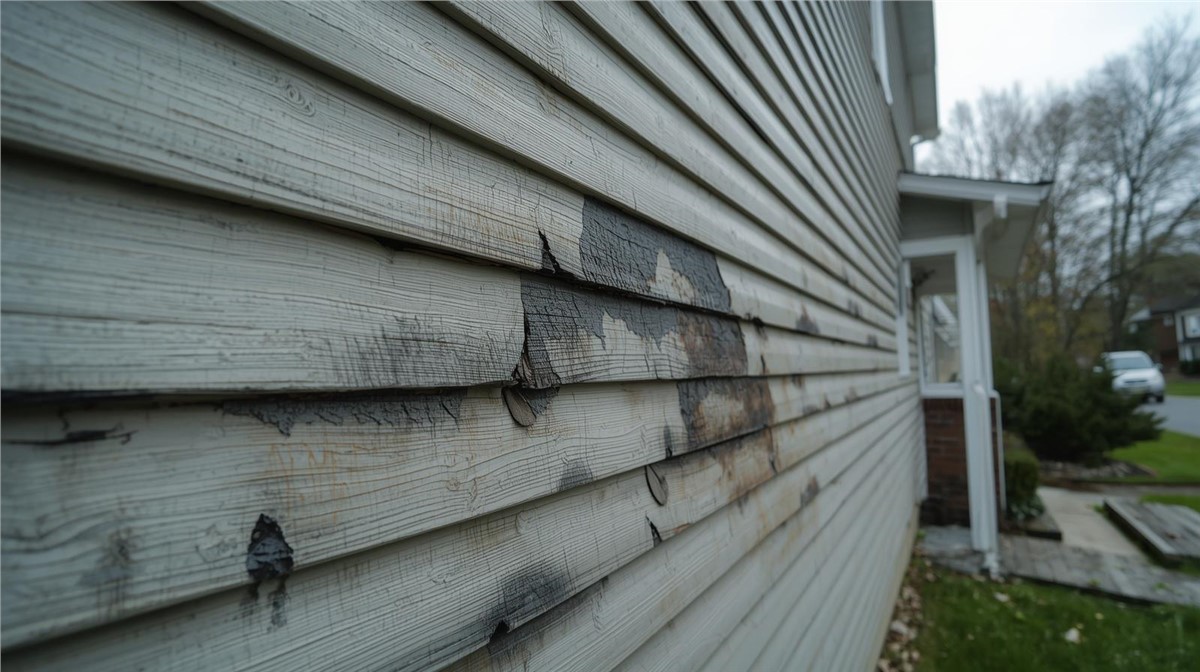
Siding is one of the most important parts of your home or commercial building’s exterior. It helps protect the structure from rain, snow, wind, ice, pests, and daily weather exposure. When siding is damaged or allowing moisture behind it, water problems can spread into walls, insulation, framing, windows, and interior spaces.
For property owners in Milton, WI, siding and water damage should never be ignored. Midwest weather can be tough on exterior materials, especially during heavy rain, hailstorms, high winds, snow buildup, ice, and freeze-thaw cycles. A small gap, loose panel, cracked seam, or damaged flashing area can allow moisture to enter where it should not.
The challenge is that siding-related water damage is not always obvious right away. Some warning signs appear on the outside of the building, while others may show up indoors. Knowing what to look for can help you catch problems early and avoid more expensive repairs later.
Why Siding Water Damage Matters in Milton, WI
Milton property owners deal with changing weather throughout the year. Spring and summer storms can bring heavy rain, wind, and hail. Fall and winter can bring snow, ice, and freezing temperatures. These conditions can wear down siding systems over time.
When siding is not performing properly, water may get behind the panels or trim. Once moisture enters the wall system, it can affect more than the siding itself.
Water damage may lead to:
- Rotting wood behind siding
- Damaged insulation
- Mold or mildew growth
- Interior wall stains
- Peeling paint or bubbling drywall
- Soft fascia, trim, or sheathing
- Window and door moisture problems
- Pest entry points
- Reduced energy efficiency
For homeowners, these problems can affect comfort, appearance, and long-term property value. For commercial property owners, siding and water damage can affect tenant spaces, customer areas, inventory, equipment, and building maintenance costs.
How Siding Helps Protect Your Property
Siding is designed to shed water and protect the structure underneath. It works together with house wrap, flashing, trim, caulking, gutters, windows, doors, soffit, fascia, and roof edges.
When all parts of the exterior system are working properly, water moves away from the building. But when one area fails, moisture can find its way behind the siding.
Common weak points include:
- Gaps around windows and doors
- Damaged or missing caulk
- Loose siding panels
- Cracked siding seams
- Areas near gutters and downspouts
- Roof-to-wall intersections
- Corners and trim boards
- Siding close to the ground
- Storm-damaged sections
That is why siding issues should be looked at as part of the full exterior system, not just as a surface problem.
Exterior Warning Signs of Siding Water Damage
Many siding and moisture problems can be spotted from the outside of the property. After storms or seasonal weather changes, it is smart to walk around the building and look for visible warning signs.
Warped or Buckled Siding
Warped, bowed, or buckled siding can be a sign that moisture has gotten behind the panels. It may also mean the siding has expanded, shifted, or been affected by heat and trapped moisture.
If siding no longer sits flat against the wall, it should be inspected. Gaps behind warped panels can allow more water to enter during heavy rain or melting snow.
Stains or Dark Streaks
Dark streaks, staining, or discoloration on siding may point to water runoff problems. Sometimes this is caused by clogged gutters, damaged downspouts, roof edge issues, or water repeatedly draining over the same area.
Stains may look cosmetic at first, but they can also show that water is not moving away from the property correctly.
Soft or Rotted Trim
Trim around windows, doors, corners, and roof edges can be vulnerable to water exposure. If trim feels soft, appears swollen, or shows signs of rot, moisture may already be affecting the materials behind it.
This is especially important in Milton, WI, where freeze-thaw cycles can make small cracks and openings worse over time.
Loose or Missing Siding Panels
High winds can loosen siding panels or pull them away from the wall. Hail or flying debris can also crack, puncture, or damage siding.
Once siding is loose or missing, rain and snow can get behind the exterior surface. Even one open area can create water damage if it is not repaired.
Mold, Mildew, or Green Growth
Mold, mildew, or algae-like growth on siding may appear in shaded or damp areas. While surface growth can sometimes be cleaned, it may also point to moisture that is lingering too long.
If growth keeps coming back after cleaning, there may be a drainage, gutter, or siding issue that needs attention.
Interior Warning Signs to Watch For
Siding water damage does not always stay outside. If moisture gets behind the exterior wall, it may eventually show up inside the home or building.
Interior warning signs may include:
- Water stains on walls or ceilings
- Peeling paint near exterior walls
- Bubbling drywall
- Musty odors
- Damp carpet near exterior walls
- Mold around windows
- Condensation that seems unusual
- Soft spots around window frames
- Drafts near damaged siding areas
For commercial properties, water may appear near tenant spaces, storage areas, offices, exterior walls, or entry points. If water marks show up indoors after storms, siding, windows, roofing, and gutters should all be checked.
Local Weather Factors That Can Cause Siding Problems
Milton’s Midwest climate can create several siding and moisture concerns. These conditions can affect both residential and commercial buildings.
Heavy Rain
Heavy rain can expose weak points in siding, flashing, trim, and gutters. If water is running behind siding instead of away from the building, damage can spread over time.
Hail
Hail can crack vinyl siding, dent metal siding, chip paint, damage trim, and weaken protective surfaces. Hail damage may also affect roofing, gutters, windows, and screens during the same storm.
Wind
Strong winds can loosen siding panels, damage corners, pull trim away from the wall, and force rain into gaps. Wind-driven rain is especially concerning because it can push moisture into areas that may normally stay dry.
Snow and Ice
Snow buildup near the foundation or against siding can expose lower wall areas to moisture. Ice near roof edges, gutters, and trim can also contribute to water backing up into vulnerable areas.
Freeze-Thaw Cycles
Freeze-thaw cycles can turn small siding gaps into bigger problems. Water enters a crack, freezes, expands, and widens the opening. Over time, this can worsen damage around seams, trim, and fasteners.
When Siding Can Be Repaired
Siding repair may be a good option when the damage is limited and the materials around it are still in good condition.
Repair may make sense if:
- Only one or two siding panels are damaged
- A small section was affected by wind or hail
- Caulking or flashing needs attention
- Trim damage is isolated
- There is no widespread moisture behind the siding
- The siding system is still performing well overall
For Milton homeowners, small siding repairs can help protect the property before water damage spreads. For commercial property owners, targeted repairs may help address localized damage around entrances, exterior walls, or high-exposure areas.
The key is confirming that the issue is truly isolated. If water has already affected the wall system behind the siding, a more detailed repair plan may be needed.
When Siding Replacement May Be the Better Option
Siding replacement may be the better choice when the damage is widespread, recurring, or affecting the performance of the exterior system.
Replacement may be worth considering if:
- Multiple siding areas are warped, cracked, or loose
- Water damage is found behind the siding
- Mold or rot is present
- Storm damage affects several sides of the building
- Siding is old, brittle, faded, or failing
- Repairs are becoming frequent
- Moisture issues keep returning
- The property needs better long-term protection
Replacement can also be a practical option when siding damage is part of a larger exterior update. If roofing, gutters, windows, or trim are also affected, it may be more efficient to plan the exterior improvements together.
The Role of Gutters, Windows, and Roofing
Siding water damage is often connected to other exterior problems. Gutters, windows, and roofing all help manage water around the building.
Clogged or damaged gutters can cause water to overflow and run down siding. Poorly placed downspouts can drain water too close to the foundation. Damaged roof edges or flashing can allow water to travel behind siding. Window leaks can create moisture problems that look like siding damage.
That is why a full exterior inspection is helpful. Looking at siding alone may not reveal the true source of the water problem.
Huskie Exteriors provides roofing, siding, window, gutter, and storm damage restoration services, making it easier for Illinois and Wisconsin property owners to evaluate the full exterior system.
Residential and Commercial Property Considerations
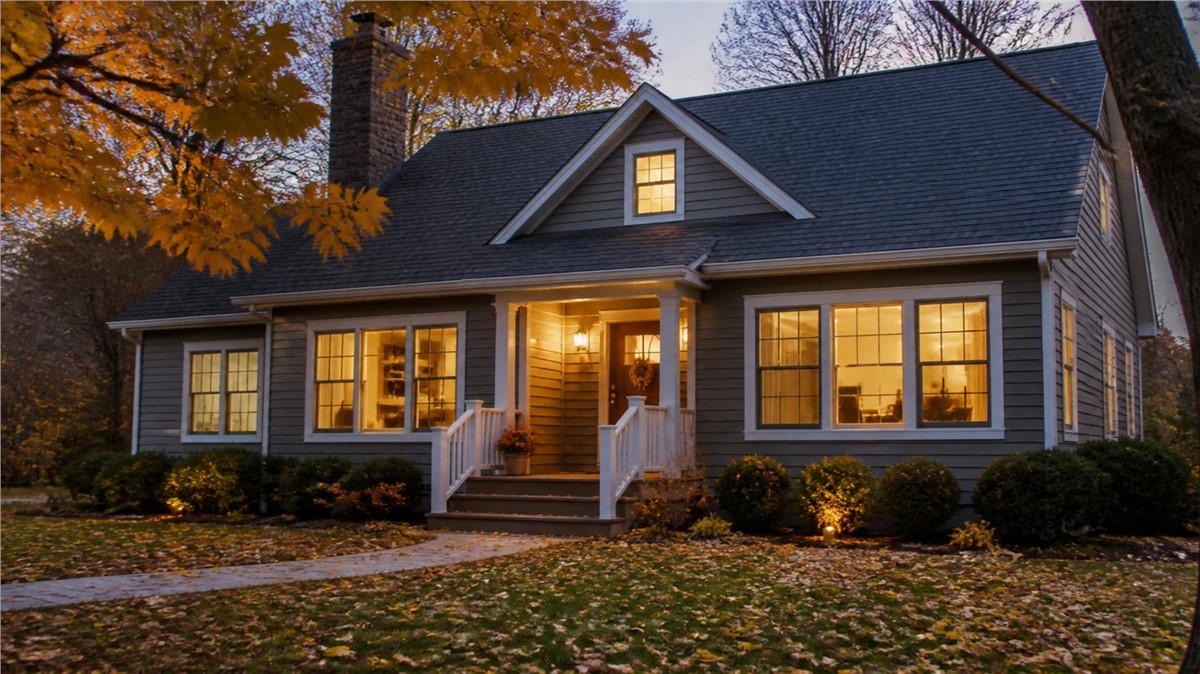
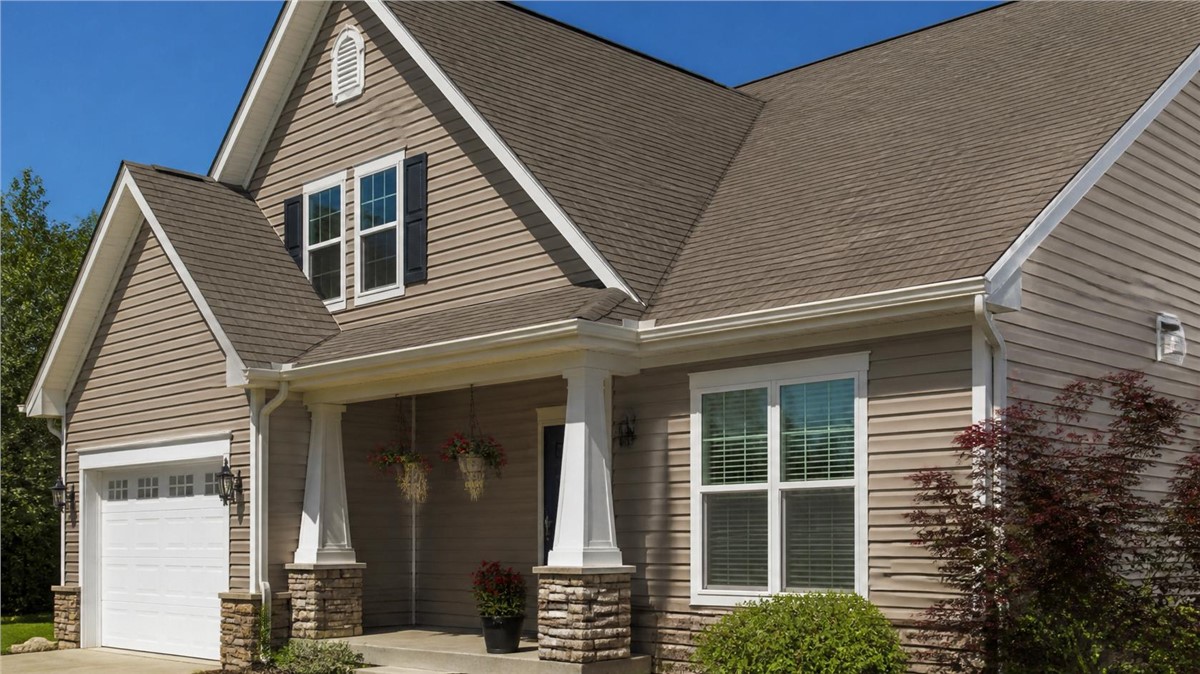
For residential homes in Milton, siding water damage may show up around windows, doors, garages, rooflines, and shaded sides of the home. Homeowners should also watch areas near landscaping, decks, patios, and gutters.
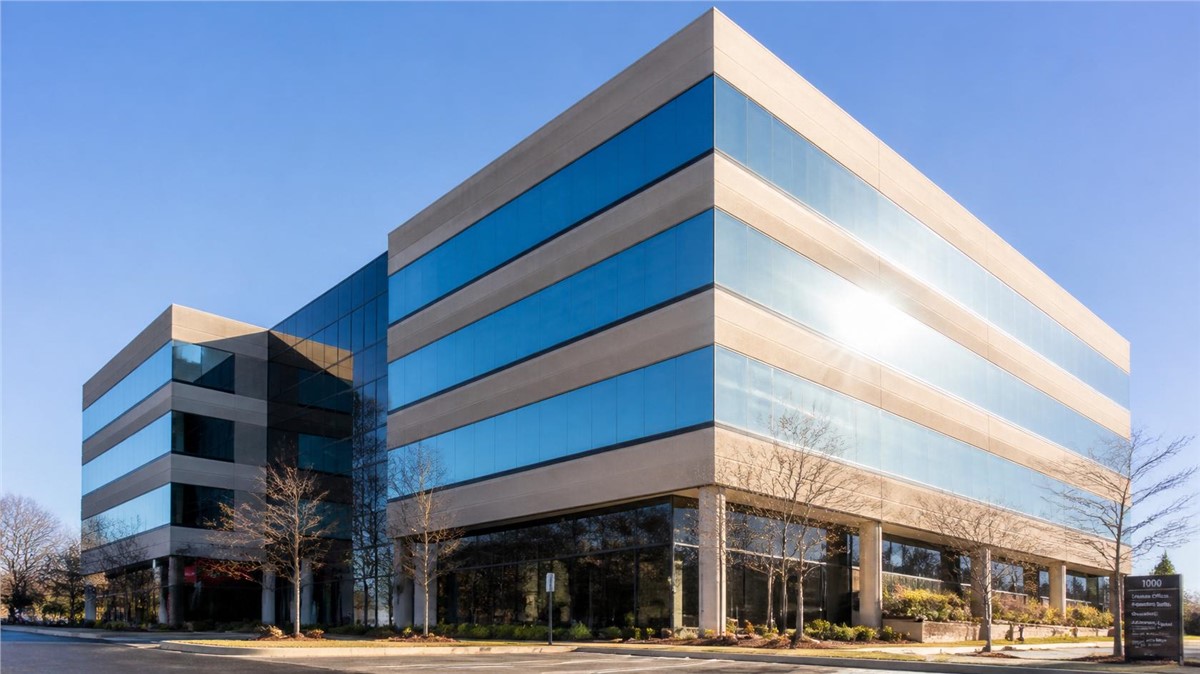
For commercial buildings, water damage concerns can be more complex. Larger wall surfaces, multiple entry points, tenant areas, signage penetrations, and drainage systems can all affect how water moves around the building.
Commercial property owners should pay special attention to:
- Water near customer entrances
- Stains on exterior walls
- Moisture near interior offices or storage areas
- Damaged siding around loading areas
- Gutters and downspouts on larger roof sections
- Exterior wall penetrations for signs, lighting, or utilities
A professional inspection can help determine whether the issue is cosmetic, repairable, or part of a larger water management problem.
Why Working With a Local Exterior Contractor Matters
A local contractor understands how Wisconsin and Illinois weather affects exterior materials. In Milton, siding systems must stand up to wind-driven rain, hail, snow, ice, freeze-thaw cycles, and seasonal storms.
Working with a local exterior team also helps because siding problems may involve several parts of the property. A contractor who can evaluate roofing, siding, gutters, windows, and storm damage can give a clearer picture of what is happening and what should be fixed first.
For property owners, that means fewer guesses and more practical guidance.
Conclusion
Siding and water damage can begin with small warning signs, but the effects can spread if moisture gets behind the exterior walls. Warped siding, stains, soft trim, mold growth, loose panels, and indoor water marks should all be taken seriously.
For homeowners and commercial property owners in Milton, WI, Midwest weather makes early inspections especially important. Heavy rain, hail, wind, snow, ice, and freeze-thaw cycles can all create or worsen siding problems.
If you notice signs of siding or water damage around your property, professional help can identify the source and recommend the right solution.
Contact Huskie Exteriors for professional roofing, siding, window, gutter, and storm damage services in Illinois and Wisconsin.
Subscribe to Huskie Exteriors's Blog





Comments