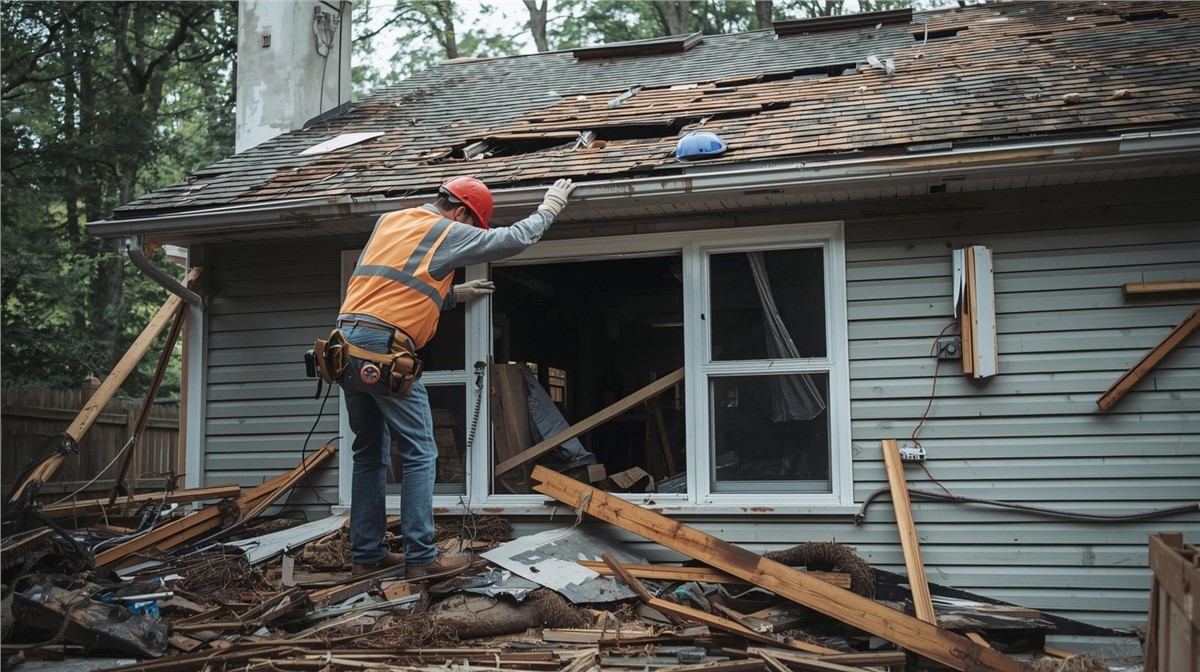
A professional storm damage inspection covers far more than a visual scan of the roof from the ground. In Sycamore, IL, where severe weather events regularly produce hail, high winds, and heavy rain, knowing what a qualified contractor actually looks for during an inspection — and why — helps property owners participate in the process intelligently, ask the right questions, and understand what the findings mean for repair scope and insurance claims.
What Most Homeowners Get Wrong About Storm Inspections
The most common misconception about storm damage inspections is that they are primarily about finding obvious damage. A missing shingle here. A cracked gutter there. Visible holes in siding. If nothing obvious is apparent, the thinking goes, the storm probably did not cause significant damage.
That assumption is wrong often enough to be genuinely costly.
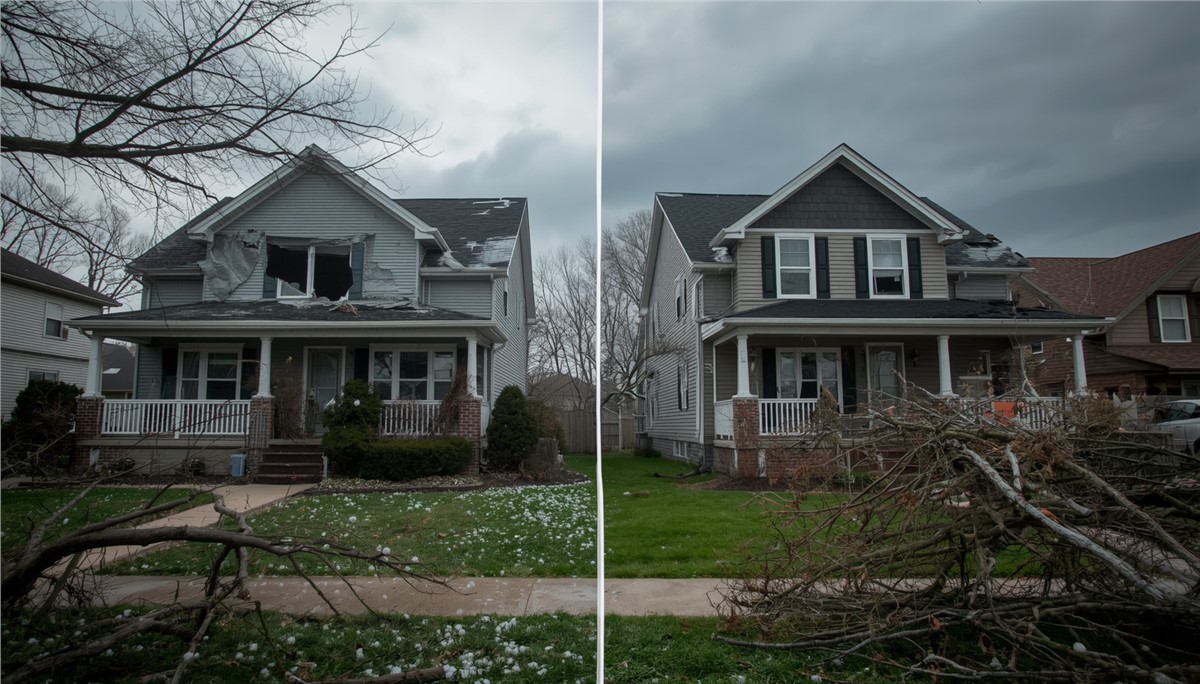
The most consequential storm damage on a residential or commercial property is frequently the damage that is not obvious — the hail bruising on asphalt shingles that has knocked off granules and weakened the mat beneath without cracking the surface. The flashing joint that shifted a fraction of an inch under wind pressure and is now admitting water at a rate too slow to produce immediate interior symptoms. The EIFS impact crater on a commercial building that looks like a surface blemish but has breached the weather barrier beneath.
A professional storm damage inspection is a systematic process — not a quick walk-around — that uses specific techniques and a specific sequence to find what the storm actually did to a property, not just what is visible from the driveway.
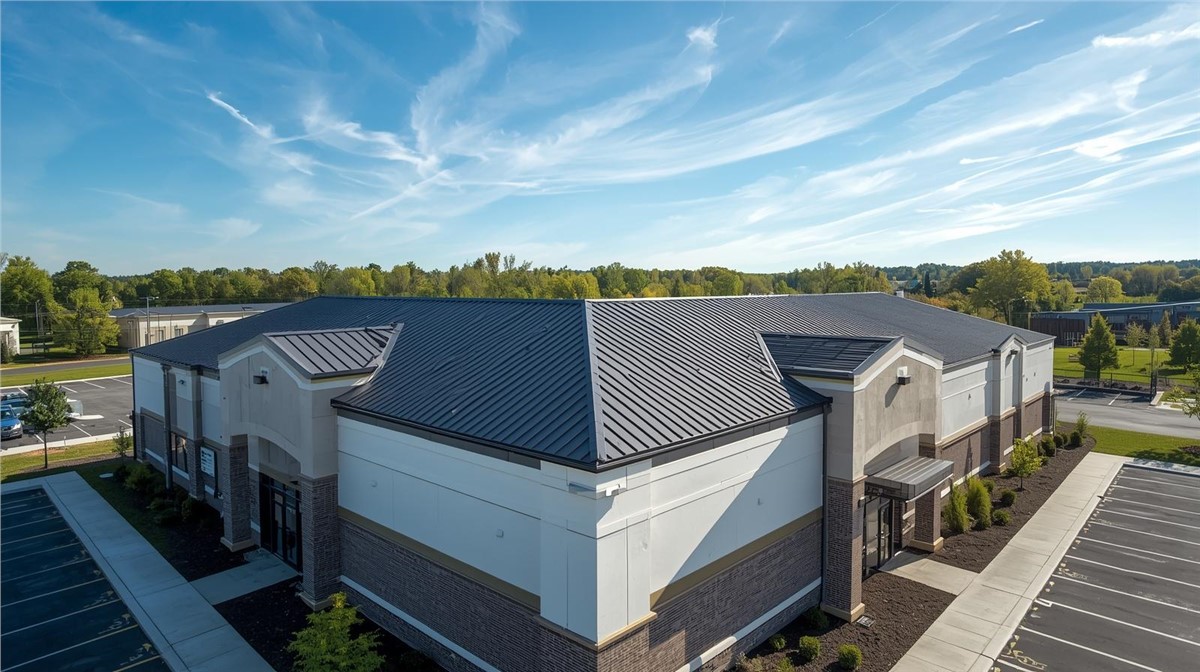
In Sycamore, IL, DeKalb County's county seat, severe weather is a regular part of the seasonal calendar. Spring and summer thunderstorm systems moving across northern Illinois produce hail events, straight-line wind, and heavy rainfall that test every exterior system on residential and commercial properties throughout the area. Understanding what a qualified inspector is looking for — and how they find it — is practical knowledge for any property owner here.
Why the Inspection Sequence Matters
A thorough storm damage inspection follows a sequence for a reason. Each system provides information that informs how adjacent systems are assessed. Findings on the roof connect to findings on the gutters. Gutter findings inform what to look for on siding. Siding findings suggest what to check at window surrounds and penetrations.
Inspecting systems in isolation — just checking the roof without looking at gutters, siding, and downspouts — misses the corroborating evidence that strengthens an insurance claim and produces a complete picture of total damage. Insurance adjusters are trained to look for consistency across systems. A claim supported by documented damage across multiple exterior components — all consistent with the same storm event — is more defensible than one that addresses only the most obvious item.
What Contractors Look for During a Roof Inspection
The roof inspection is the most technically demanding part of a storm damage assessment. It requires walking the full surface, not just the accessible slopes, and using hands-on techniques that cannot be replicated from the ground or from attic access alone.
Shingle Surface Assessment
The first task on the roof surface is a systematic visual scan of every slope — not a general impression, but a section-by-section examination of shingle condition across the full roof area.
What contractors are looking for:
Hail impact points. On asphalt shingles, hail impact displaces granules from the surface and compresses the asphalt mat beneath. The visual signature is a circular dark spot where the granule layer has been knocked away, exposing the mat. Distribution pattern matters — hail impact points are randomly distributed across the shingle surface, distinguishing them from granule loss caused by foot traffic or mechanical abrasion, which tends to follow paths and edges.
Mat bruising. The visible granule loss is only part of the hail damage story. The more consequential damage is the bruising of the asphalt mat beneath — a compression injury that softens and weakens the mat at the impact point. Contractors assess this by pressing firmly on the shingle surface at suspected impact points. A healthy mat has a firm, resilient feel. A bruised mat feels softer — sometimes described as feeling like a bruised apple beneath the skin. This tactile assessment is a primary diagnostic technique that cannot be performed from the ground.
Granule loss patterns. The volume and distribution of granule loss across a roof surface tells a story about the storm's intensity and direction. Slopes facing the storm's direction of travel typically show heavier granule loss than protected slopes. Consistent patterns across the full roof surface distinguish storm-related damage from age-related wear, which tends to be more uniform and less directional.
Cracked or fractured shingles. Larger hailstones and wind-driven debris can crack shingles outright. These are easier to identify than bruising but still require close inspection — cracks at shingle edges, along tab lines, and at the nail strip are not always visible without getting close to the surface.
Wind damage indicators. Lifted tabs, broken adhesive seals, creased shingles, and displaced ridge cap are the primary wind damage findings on the field shingles. Contractors check tab adhesion by lifting shingle edges gently — a properly sealed tab resists lifting; a failed seal allows the tab to lift freely.
Flashing Assessment
Flashing inspection is among the highest-value activities in a storm damage assessment because flashing failures are responsible for a disproportionate share of post-storm water infiltration — and because they are entirely invisible from the ground.
What contractors examine:
- Chimney flashing — base flashing, counter-flashing, and cap flashing at all four sides of the chimney penetration, checking for lifting, separation, cracking at sealant joints, and impact damage to metal surfaces
- Pipe boot flashings around plumbing vents — rubber boots crack with age and impact; metal flanges lift and separate
- Skylight flashing — perimeter flashing, curb flashing, and any step flashing at the upslope end
- Valley flashing — metal or membrane valleys for lifting, cracking, or debris accumulation that slows drainage
- Drip edge — checking for lifting, bending, and separation from the fascia along eaves and rakes
- Wall step flashing at dormers and additions — individual step flashing pieces that can shift under wind pressure
Sealant condition at every flashing joint is assessed — cracked, shrunken, or missing sealant is documented even where the flashing itself appears intact, because sealant failure is an active water infiltration pathway regardless of metal condition.
Ridge and Hip Assessment
Ridge cap shingles and hip cap shingles are inspected individually for cracking, displacement, and granule loss. Being at the highest-pressure zone on the roof, they are disproportionately represented in wind damage findings. Each section is checked for adhesive seal integrity and for any lifting or misalignment that indicates wind movement during the storm.
Ridge vent sections are checked for displacement, lifted or missing baffles, and any debris that has entered the vent opening — all of which can compromise both weather protection and attic ventilation effectiveness.
Decking Assessment
Where access permits — through the attic and at any lifted or missing shingle areas — the roof deck is assessed for moisture damage. Soft spots, discoloration, and delamination of OSB panels indicate water has reached the structural layer, either from the current storm or from previous infiltration events that the current storm has worsened.
What Contractors Look for During a Gutter and Downspout Inspection
Gutters are one of the most reliable storm damage indicators on any property — and one of the most useful forms of corroborating evidence for an insurance claim.
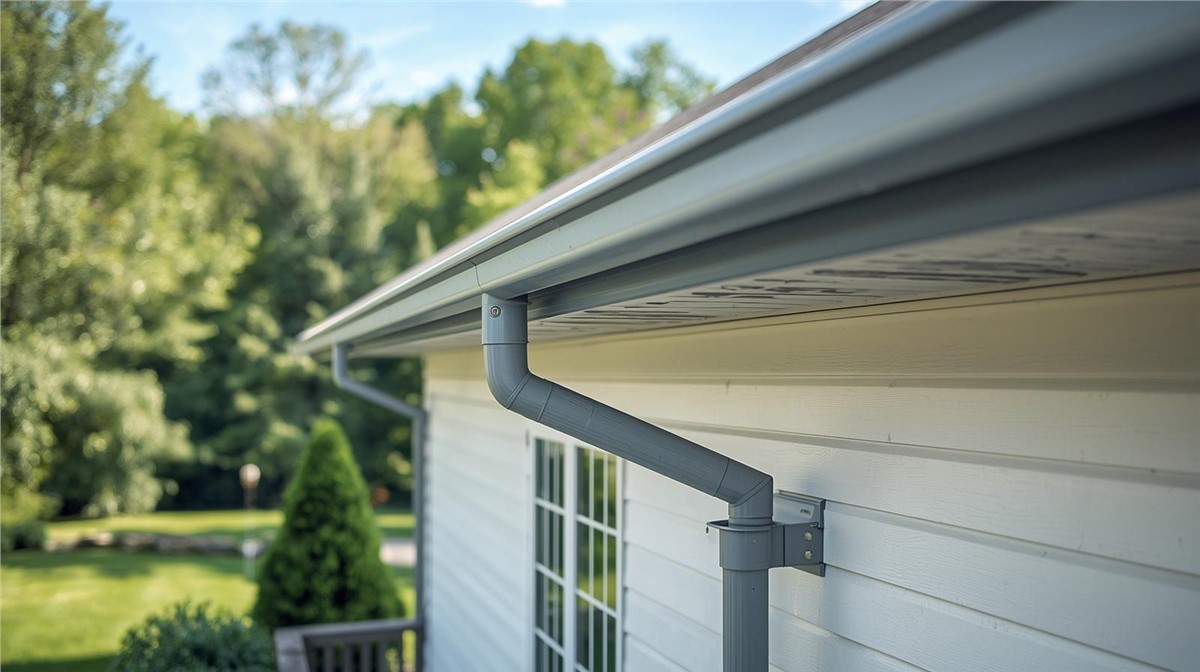
Hail impact denting. Aluminum gutters dent under hail impact with a distinctive circular pattern that mirrors the size of the hailstones. This denting pattern is one of the clearest visual confirmations of hail exposure on a property — visible, measurable, and difficult for an insurer to dispute. Contractors document gutter denting with close-up photography that shows the pattern clearly.
Granule accumulation. The volume of shingle granules in gutters after a storm is documented as corroborating evidence of roof-level impact. Significant granule accumulation consistent with the storm event supports the claim that shingle damage occurred at the roof level even when that damage is not immediately visible from accessible positions.
Structural condition. Gutter sections are checked for pulling away from fascia hangers — a finding that can result from storm loading or from pre-existing hanger failure that the storm exacerbated. Downspout connections and joints are checked for separation and blockage.
Fascia condition behind gutters. Where gutters have pulled away or where water has been overflowing consistently, contractors look at the fascia board behind the gutter for rot, softness, and paint failure. Damaged fascia affects the ability to properly rehang the gutter system and needs to be documented as part of the full damage scope.
What Contractors Look for During a Siding Inspection
Siding inspection after a storm follows a systematic elevation-by-elevation approach, typically starting with the elevation most directly exposed to the storm's direction of travel.
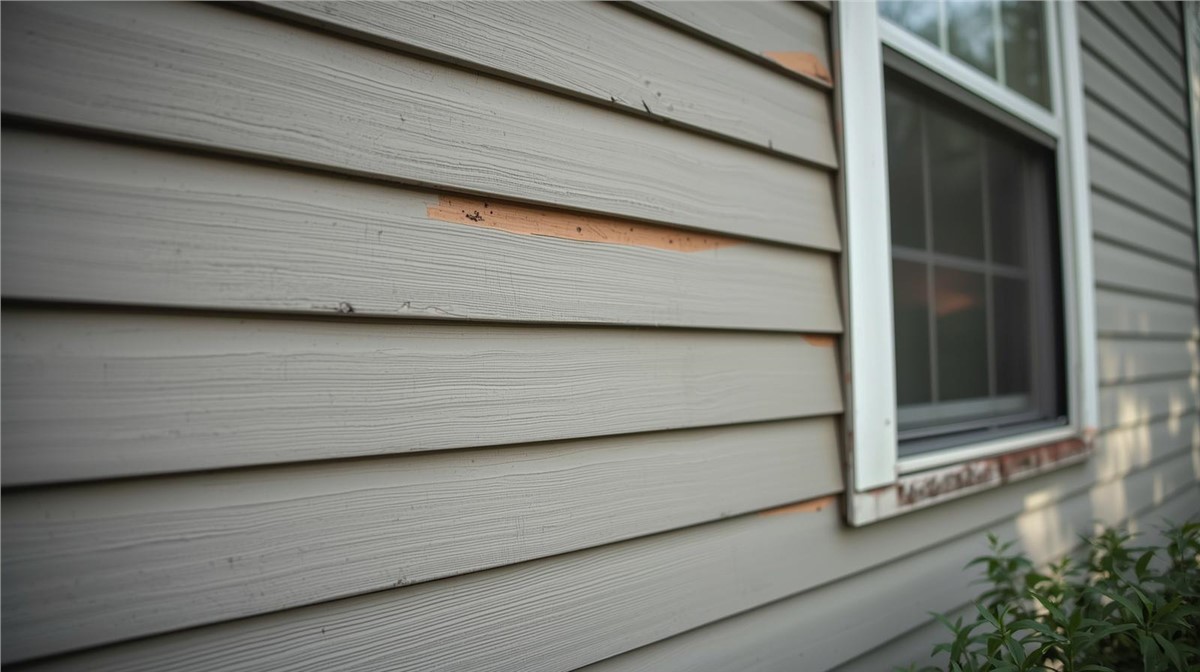
Hail impact on vinyl siding. Direct hail impact cracks vinyl or leaves impact marks — the visibility of the damage depends on hailstone size, impact angle, and the age and temperature of the material at the time of impact. Contractors look carefully at trim pieces, J-channels, window surrounds, and corner posts — thinner components that show impact damage more readily than field panels and that serve as indicators of panel-level damage even when it is subtler.
Hail impact on fiber cement and wood siding. These materials show chipping, fracturing, and surface damage at impact points. Paint failure at impact points — circular areas where paint has been knocked away — is a key indicator on painted surfaces.
Hail impact on aluminum and metal siding. Denting is the primary finding — similar in pattern to gutter denting but on a vertical surface. Metal siding denting is assessed alongside gutter denting as mutually corroborating evidence.
Panel displacement from wind. Siding panels that have been lifted from their locking channels, bowed outward at edges, or separated at seams are documented as wind damage findings. The consistency of panel displacement direction with the storm's wind direction is noted — adjusters look for this consistency.
Water infiltration indicators. Staining at panel edges, efflorescence on masonry siding, and soft spots behind panels that indicate moisture infiltration are documented. Where access permits, the condition of housewrap behind panels is assessed at any openings created by storm damage.
What Contractors Look for During a Window and Door Inspection
Windows and doors are inspected for both direct impact damage and for infiltration evidence that points to storm-compromised seals and frames.
Glass damage. Every glazing unit is inspected for cracks, chips at edges, and shattered panels. Cracked glass is documented photographically with measurements. Even hairline cracks are noted — they represent a compromised unit that will propagate under thermal cycling.
Frame condition. Window frames are checked for denting on metal-clad units, for cracking or deformation on vinyl frames, and for any separation between frame components that indicates impact or wind stress.
Caulk and sealant at frame perimeters. Storm-compromised caulk at window and door surrounds is documented — this is a detail that adjusters sometimes overlook but that represents a real infiltration risk in subsequent rain events.
Threshold and door hardware. Entry doors are checked for frame damage, threshold seal condition, and hardware function. Storm-damaged door frames can compromise both weather protection and security.
What Contractors Look for in the Attic
The attic inspection provides information that no exterior assessment can — direct evidence of whether water has reached the structural layer and how extensively.
Fresh water staining. New staining on the underside of roof decking or on attic framing members that was not present before the storm indicates active infiltration. The location and pattern of staining helps identify the entry point at the roof surface.
Wet insulation. Compressed or saturated attic insulation directly below the roof deck indicates water has moved past the decking. Wet insulation loses its thermal value immediately and creates a mold risk if not dried promptly.
Daylight penetration. Any point where daylight is visible through the roof deck from the attic is documented — it represents a gap that is simultaneously a water entry point and evidence of damage.
Ventilation condition. The attic inspection includes an assessment of ventilation adequacy — intake at soffits, exhaust at ridge or gable vents, and the balance between the two. Ventilation deficiency is not typically a storm damage finding, but it is noted because it affects the rate at which any moisture that has infiltrated will dry out, and because it is information the homeowner needs regardless of the storm damage question.
How the Inspection Becomes a Claim Document
The physical inspection is only half of what a professional storm damage inspection produces. The other half is documentation — a written report with photographs that serves as the evidentiary basis for an insurance claim.
A well-documented inspection report includes:
- Property address and date of inspection
- Storm event date and, where available, National Weather Service data confirming hail size and wind speed at the property location
- System-by-system findings with photographs — wide context shots and close-up detail shots for each documented damage item
- Material specifications of damaged components — shingle manufacturer and product where identifiable, gutter gauge and profile, siding material type
- Scope of repair or replacement recommended for each affected system
- Contractor's professional assessment of whether damage is consistent with the reported storm event
This report is what a homeowner submits alongside their insurance claim — and what protects the claim if the insurer's adjuster disputes the scope or cause of damage. A claim supported by a professionally prepared inspection report from a contractor who has walked the full property is in a significantly stronger position than one supported only by the homeowner's own photographs.
Finding the Right Inspector in Sycamore, IL
Not every contractor who offers a "free inspection" after a storm brings the same capability to the process. What distinguishes a thorough professional inspection from a cursory sales call:
- The inspector walks the full roof surface — not just the accessible slopes from a ladder at the eave
- The inspection covers all exterior systems — roof, gutters, siding, windows — not just the one the contractor specializes in selling
- Findings are documented in writing with photographs, not just communicated verbally
- The contractor is willing to share the inspection report with the homeowner regardless of whether a contract is signed
- The inspector explains what they found and why it matters — not just what needs to be replaced
Huskie Exteriors serves homeowners and commercial property owners across Illinois and Wisconsin, handling roofing, siding, windows, gutters, and storm damage restoration. For property owners in Sycamore and throughout DeKalb County, the team provides thorough storm damage inspections with complete written documentation — prepared to support insurance claims and give property owners an accurate picture of what their exterior has been through.
Knowing What to Look for Changes the Conversation
A property owner who understands what a professional storm damage inspection covers is better equipped to evaluate the quality of the inspection they receive, ask informed questions about findings, and participate meaningfully in the insurance claim process.
The inspection is not the end of the storm damage story — it is the beginning of the repair and restoration process. Getting it done thoroughly, promptly, and by a contractor who documents findings professionally is the step that determines everything that follows.
Contact Huskie Exteriors for professional roofing, siding, window, gutter, and storm damage services in Illinois and Wisconsin. If your Sycamore property was in the path of a recent storm, our team is ready to conduct a thorough inspection, document what we find, and walk you through your options clearly and honestly.
Subscribe to Huskie Exteriors's Blog






Comments