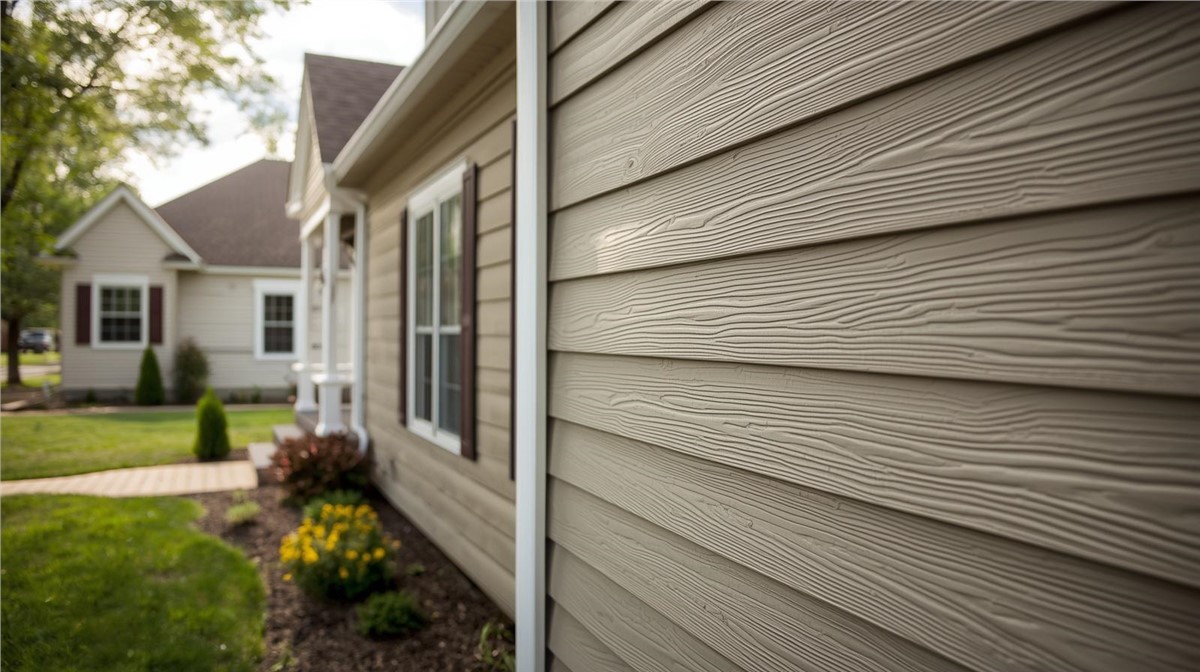
In Naperville, IL, storm-damaged siding should be checked quickly for cracks, loose panels, dents, gaps, water intrusion, and damage around windows, doors, and trim. Many professional siding repairs in 2026 fall around $361 to $1,495, while hidden damage behind the siding can add about $150 to $2,000. Naperville’s current guidance also says a building permit is not required on single-family homes to install vinyl, aluminum, or cement board siding, which often helps simplify straightforward repair or replacement work.
Why This Matters in Naperville, IL
Storm damage to siding is not only cosmetic. Once siding is cracked, lifted, or pulled away from the house, wind-driven rain can get behind the exterior and reach the wall system. That can lead to moisture intrusion, rot, mold cleanup, and more expensive repairs than the original storm damage alone. Current 2026 siding-repair guidance specifically says to budget for hidden damage behind siding because it can add meaningful cost to the job.
This matters even more in Naperville because homes here deal with strong storms, rain, wind, hail, and seasonal freeze-thaw stress. A panel that looks only slightly damaged from the yard may still be allowing water behind the cladding. Even dings and dents can lead to cracking, breaks, or broader material failure over time.
What to Look For After a Storm
Cracked or Broken Siding Panels
This is one of the most obvious signs of storm damage. Wind-blown debris and hail can crack vinyl siding or damage other cladding types. Once the surface is broken, the siding is no longer protecting the wall the way it should.
Loose or Pulled-Away Siding
Strong wind can loosen siding panels, corner pieces, or trim sections. If any portion looks separated from the wall, bent outward, or no longer lined up correctly, that is a sign the system may be open to water intrusion.
Dents, Dings, or Impact Marks
Hail or flying debris can leave dents even when the siding is not fully cracked. Those marks still matter because they can weaken the material or create future failure points.
Gaps Around Windows, Doors, and Trim
Storm damage does not always show up in the middle of the wall. It often appears around transitions and openings where trim pieces or panels may loosen.
Interior Water Stains or Dampness
A siding problem may show up inside first. Water stains on walls or ceilings, peeling paint, or damp insulation can all point to siding failure or storm-created openings in the exterior wall.
What Homeowners Should Do First
1. Document the Damage
Take clear photos of:
- cracked or loose siding
- dents, chips, or missing panels
- damaged trim or corners
- areas around windows and doors
- interior water stains or wall damage
- the date and condition after the storm
This helps establish what happened before repairs begin and gives the contractor a clearer starting point. It also helps if the damage becomes part of an insurance conversation later.
2. Prevent More Water Entry if It Is Safe
If a panel is hanging open or there is an obvious exposed section, take safe temporary steps to reduce more water from getting behind the wall. Do not climb ladders or attempt exterior work in unsafe conditions. The priority is to prevent additional damage without creating a safety risk.
3. Schedule a Professional Inspection Promptly
A contractor should determine whether the damage is:
- limited to a few panels
- spread across one elevation
- affecting multiple sides of the home
- likely to include hidden wall damage
That distinction matters because the project may still be a localized siding repair, or it may already be moving toward broader replacement.
What a Professional Storm Damage Siding Inspection Includes
A proper storm-damage siding inspection should look at both visible damage and the possibility of hidden moisture issues.
Typical checklist:
- cracked, dented, or missing siding
- loose panels and open seams
- trim, corners, and transition pieces
- areas around windows and doors
- signs of water intrusion
- material matching possibilities
- whether the damage is localized or widespread
This matters because some storm damage is repairable with spot work, while broader failure makes full or partial replacement a better option.
What This Typically Costs in Naperville, IL (2026 Pricing)
For homeowners in Naperville, IL, realistic 2026 storm-damage siding repair pricing often starts with broader siding-repair guidance:
- professional siding repair: about $361 to $1,495
- hidden damage behind siding: about $150 to $2,000 added if rot, mold cleanup, or water repairs are found
- full siding replacement benchmark: around $11,577 on average, with many projects between $5,555 and $17,704 depending on size and material
- storm or hail damage may lead to replacement rather than repair when damage combines with older siding or widespread wall exposure
Top Cost Factors
Extent of the Damage
A few damaged panels cost much less than widespread storm damage on multiple sides of the home. The wider the damage area, the more likely the project moves beyond simple repair.
Siding Type
Vinyl, fiber cement, and other materials do not repair the same way. Siding type directly affects repair complexity, with vinyl often needing panel replacement while other materials may require more involved patching or matching.
Hidden Water Damage
Once water gets behind the siding, the repair can become much more expensive. Hidden damage behind the siding is one of the biggest added cost factors.
Age and Matching Issues
Older siding can be harder to match, which sometimes pushes the project toward broader replacement even when the visible damage seems limited.
Permit Notes for Naperville, IL
Naperville’s official building permit page says a permit is not required on single-family homes to install vinyl, aluminum, or cement board siding. That is the most important local note for storm-damaged siding work. If the project involves something beyond ordinary siding replacement or expands into a larger structural scope, the contractor should still verify the city’s current requirement before starting.
When Repair Makes Sense vs Replacement
Repair usually makes sense when:
- damage is limited to a small area
- the rest of the siding is still in good condition
- the material can still be matched
- there is no major hidden damage behind the wall
Replacement usually makes more sense when:
- damage is widespread
- the siding is already aging out
- multiple elevations are affected
- matching is difficult
- hidden water damage is found
That recommendation follows current 2026 repair and replacement cost guidance and the way storm-damage siding decisions shift once moisture or broader material failure is involved.
FAQs
What are the most common signs of storm damage on siding?
Common signs include cracked panels, loose siding, dents, gaps around trim or openings, and interior water stains.
How much does storm-damaged siding repair cost in Naperville, IL?
Many 2026 siding repairs fall around $361 to $1,495, but hidden damage behind the siding can add $150 to $2,000.
Can a small dent or ding turn into a bigger problem?
Yes. Dents and dings may seem minor but can lead to cracking, rust, or breaks over time depending on the siding material.
Do I need a permit for siding repair in Naperville, IL?
For single-family homes, Naperville says a permit is not required to install vinyl, aluminum, or cement board siding. For bigger or less typical scopes, the contractor should verify the city’s current rules.
Get a Free Estimate in Naperville, IL
If you need storm damage siding repair in Naperville, IL, Huskie Exteriors is here to help with honest inspections and practical repair recommendations built for Midwest weather. We serve homeowners across Northern Illinois and Southern Wisconsin with siding, roofing, gutters, and windows designed for long-term performance.
Schedule your free estimate with Huskie Exteriors today. We will inspect the damage, explain what the storm likely affected, and help you decide on the right next step before more moisture causes bigger problems.
Subscribe to Huskie Exteriors's Blog






Comments