
Summer is a good time for business owners and property managers to check the condition of their building exterior. Heat, humidity, strong storms, hail, wind, and heavy rain can create problems with roofing, siding, gutters, roof edges, windows, and drainage.
Read More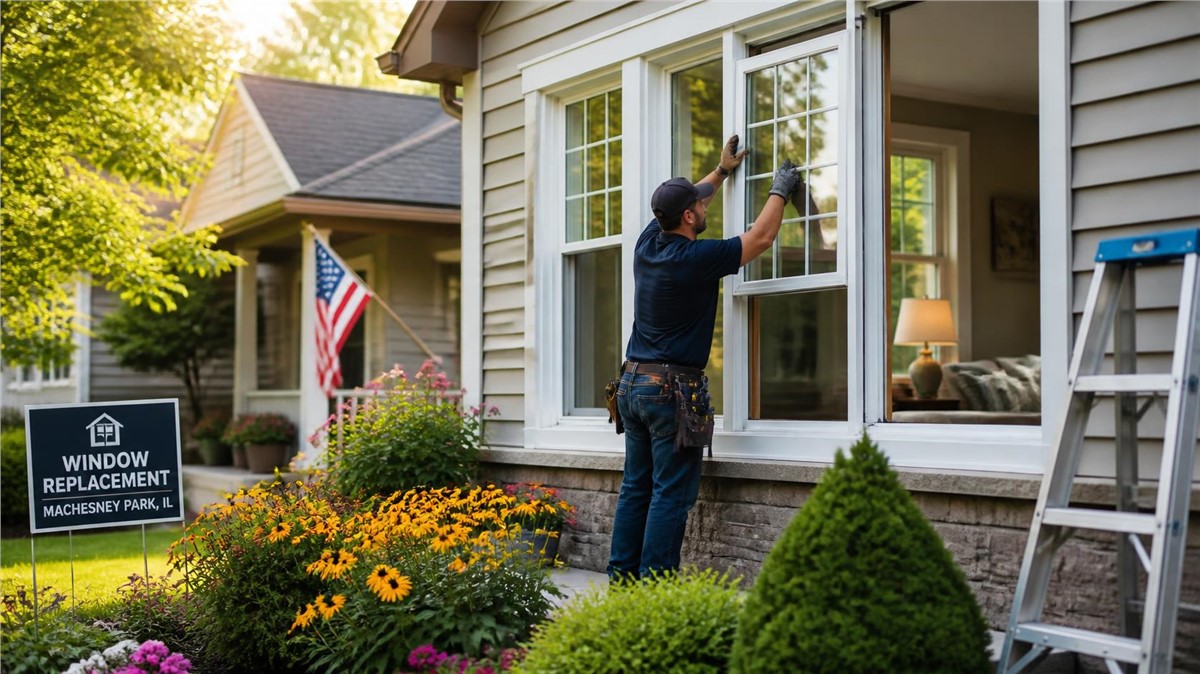
Summer heat can make window problems more noticeable. Rooms may feel warmer near older windows, sunlight may create hot spots, or failing seals may lead to fogged glass and reduced comfort. Windows also affect ventilation, natural light, curb appeal, and protection from wind-driven rain.
Read More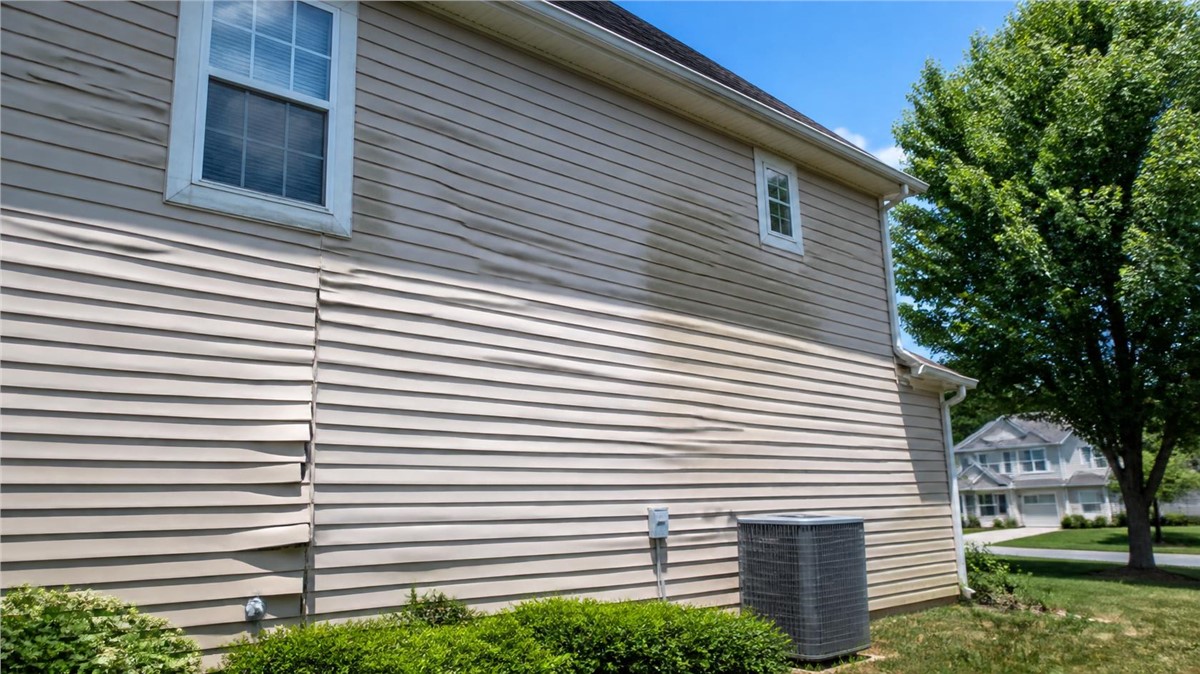
Summer weather can be hard on siding. Hot sun, humidity, strong storms, hail, wind, and heavy rain can all affect how siding looks and performs. Some issues, like fading, develop slowly. Others, like storm damage or loose panels, may happen suddenly.
Read More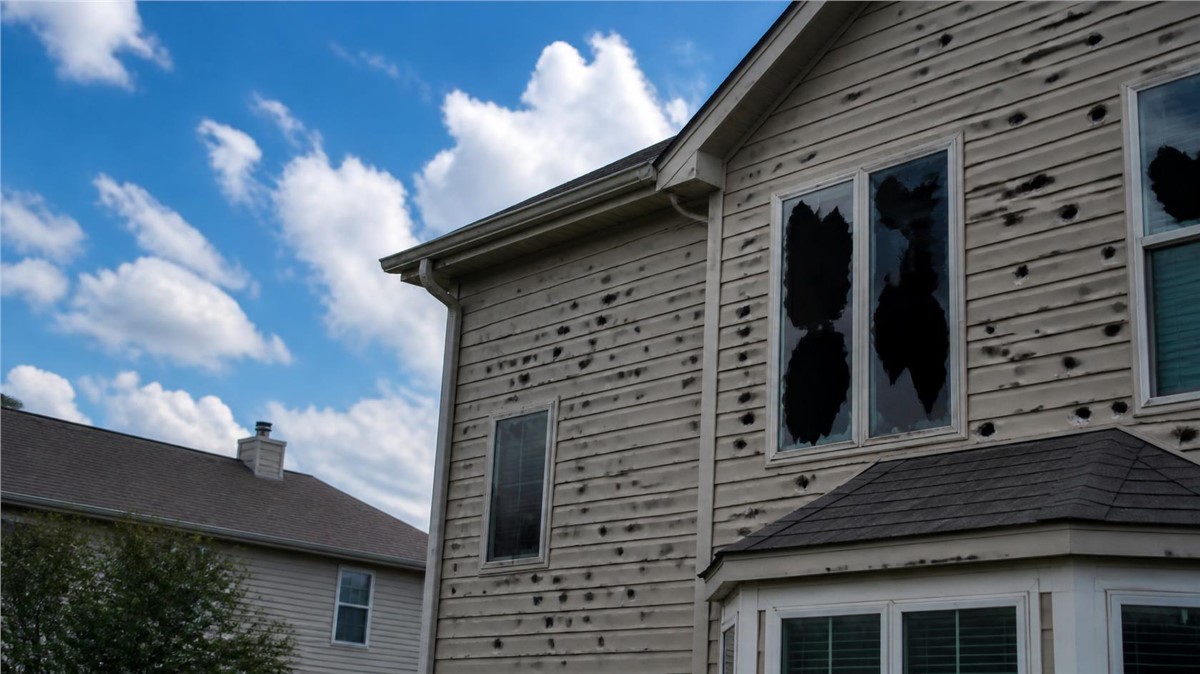
Summer storms can arrive quickly in northern Illinois. Strong wind, heavy rain, and hail can damage several parts of a home’s exterior during the same storm. Some damage is easy to see, like cracked siding or dented gutters.
Read More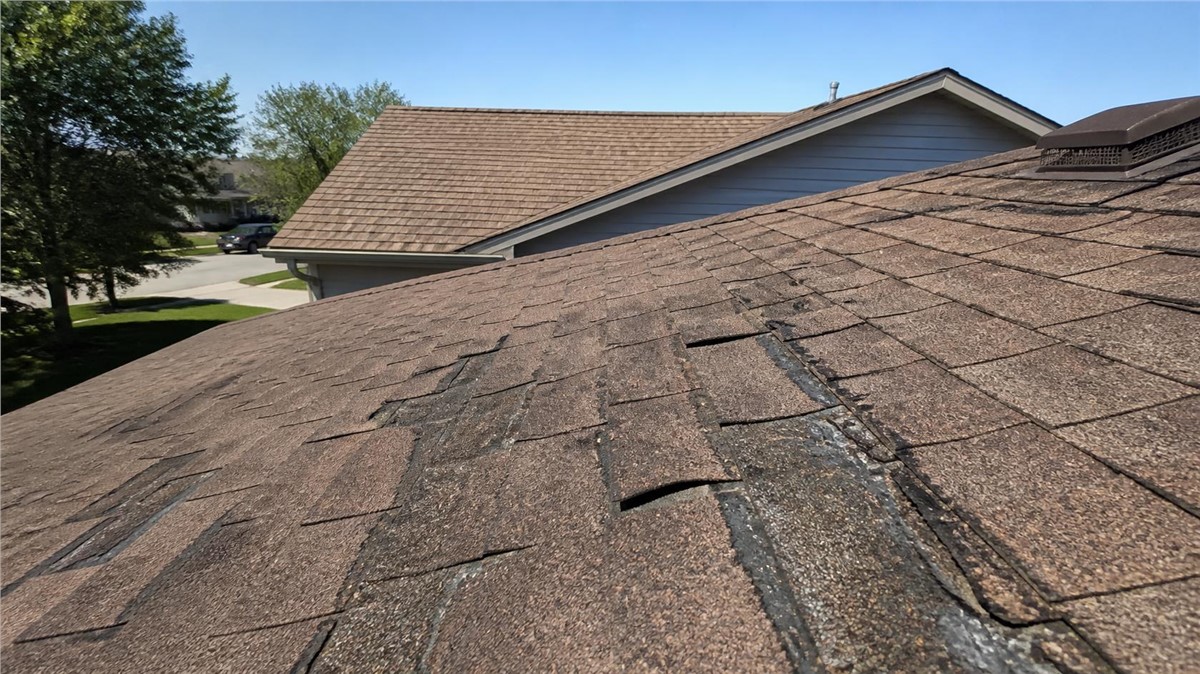
Summer can be tough on a roof. Hot sun, humidity, strong storms, high winds, hail, and heavy rain can all affect shingles, flashing, gutters, vents, and roof edges. Some damage happens suddenly during a storm, while other problems develop slowly from heat exposure and aging materials.
Read More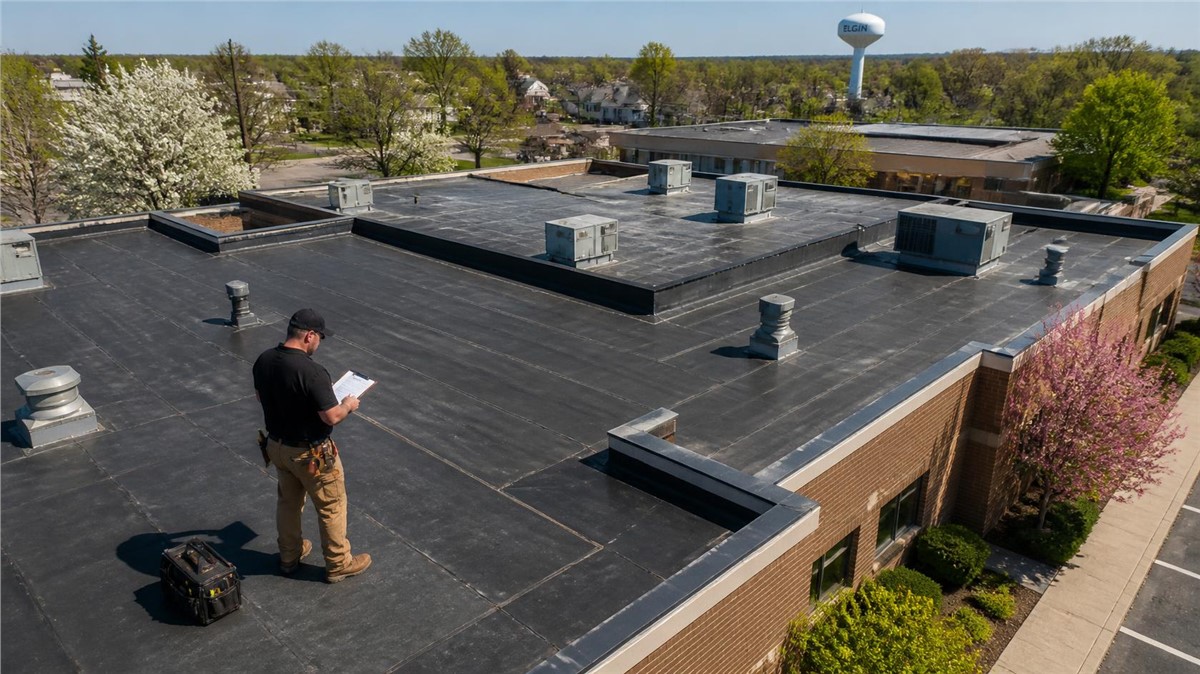
Spring is an important time for commercial roof maintenance. After a long Illinois winter, commercial roofs may have damage from snow, ice, wind, debris, and freeze-thaw cycles.
Read More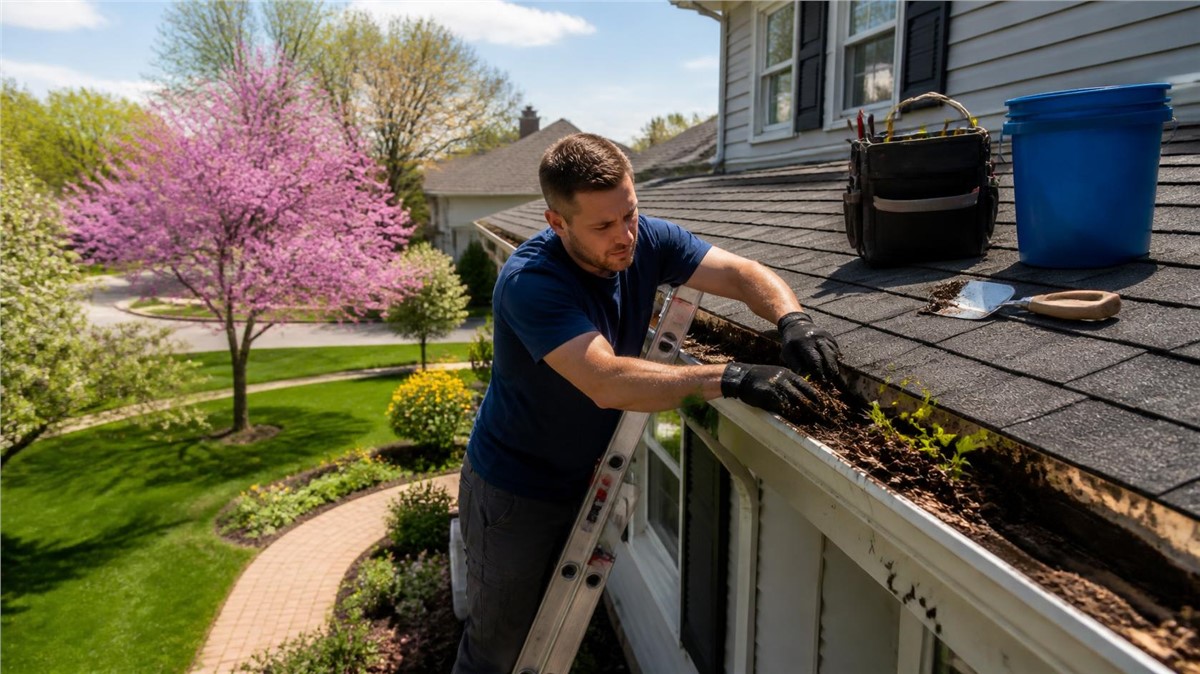
Spring is one of the most important times to check and clean your gutters. After winter, gutters may hold leaves, twigs, roof debris, shingle granules, ice-damaged materials, or dirt that collected during snow and wind.
Read More
Spring is a good time to check your home’s siding after months of snow, ice, wind, and freeze-thaw weather. Siding protects the wall system from moisture, wind-driven rain, pests, and daily weather exposure. When siding is damaged, water can get behind the exterior surface and cause hidden problems.
Read More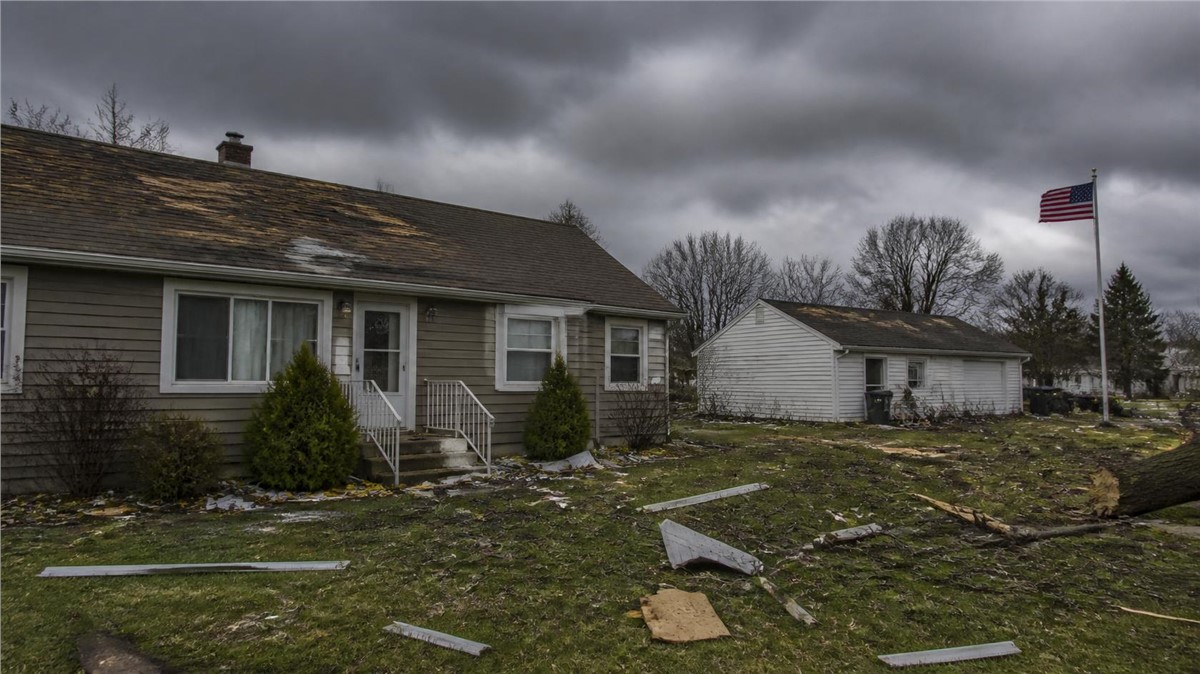
Spring storms can bring heavy rain, hail, strong wind, and falling debris. Even when a home looks fine from the ground, storm damage may still affect shingles, flashing, siding, gutters, windows, or roof edges.
Read More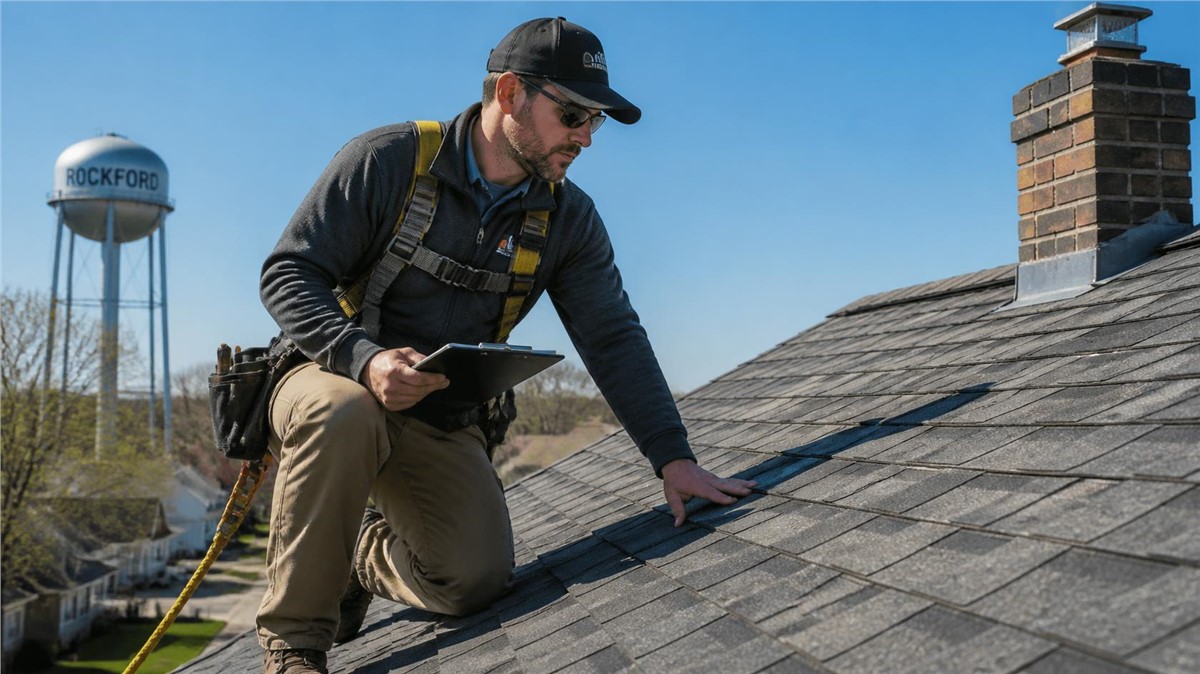
Spring is a smart time to check your roof after months of snow, ice, wind, and freeze-thaw weather. Winter can be hard on shingles, gutters, flashing, fascia, soffit, and roof edges. Once spring rain begins, small roof problems can quickly turn into leaks or moisture damage.
Read MoreSubscribe to Huskie Exteriors's Blog




