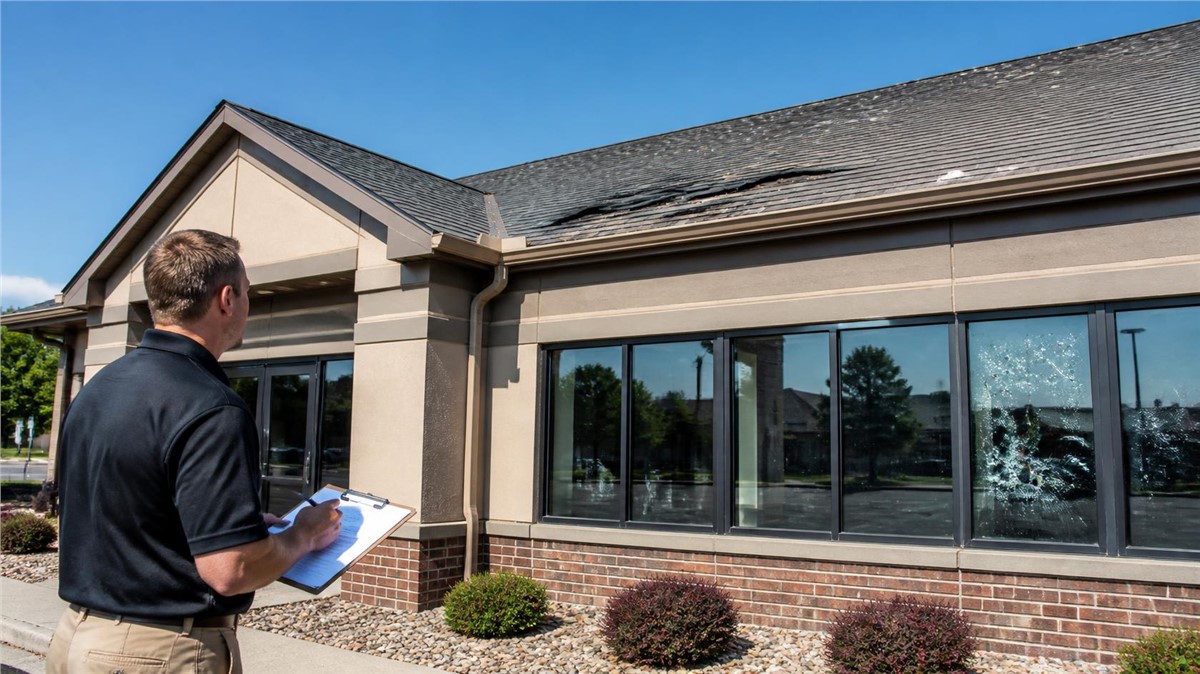
Hail can damage more than the roof of a business property. A strong storm can affect the full exterior, including roofing, siding, gutters, windows, doors, trim, fascia, soffit, drainage, and rooftop equipment. Some damage is obvious right away, while other problems may only appear later as leaks, water stains, drainage issues, or tenant complaints.
For business properties in Oregon, WI, hail damage should be inspected carefully because Wisconsin weather can bring hail, wind, heavy rain, snow, ice, humidity, and freeze-thaw cycles. If hail damage is missed, small cracks, dents, punctures, or open seams can lead to larger water issues during future storms.
This guide explains what commercial property owners and managers should check after hail and how repair planning should be handled.
Why Hail Damage Matters for Business Properties
Commercial buildings often have larger roof surfaces, more exterior penetrations, multiple entrances, loading areas, tenant spaces, and valuable interior contents. That means hail damage can create more than cosmetic concerns.
Hail damage may affect:
- Tenant spaces
- Employees and customers
- Inventory
- Office equipment
- Interior finishes
- Walkways and entrances
- Roof drainage
- Building appearance
- Daily operations
A timely inspection helps identify damage before it disrupts the property.
Start with Safety First
After a hailstorm, safety should come before inspection or cleanup. Do not send staff onto the roof or use ladders in wet, windy, or unsafe conditions.
Avoid:
- Walking on the roof
- Touching loose electrical items
- Standing under damaged branches
- Pulling loose gutters or siding
- Entering areas with active water near electrical fixtures
- Ignoring wet floors or slippery entrances
A ground-level check is useful, but roof access should be handled by a qualified professional.
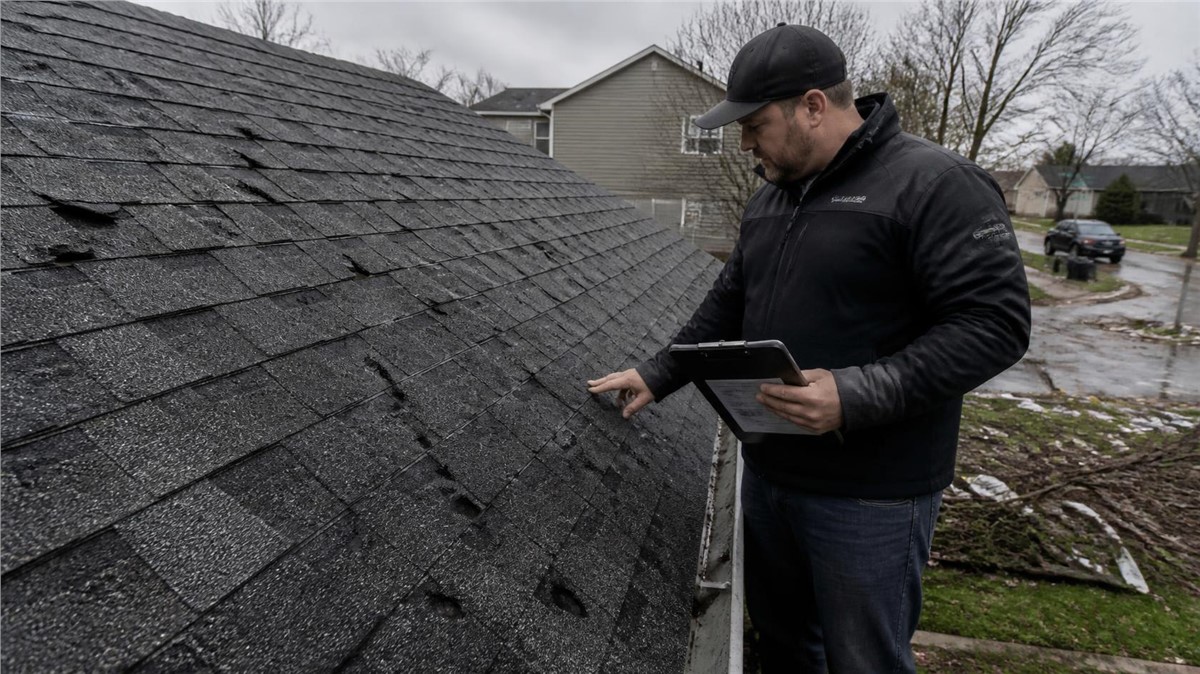
Inspect the Roof Surface
The roof is often the most important area to inspect after hail. Depending on the building, the roof may include shingles, metal sections, flat roofing, low-slope membrane areas, or multiple roof types.
A contractor may check for:
- Bruised shingles
- Missing granules
- Cracked roofing materials
- Punctures
- Dents
- Open seams
- Soft areas
- Damaged ridge caps
- Membrane impact marks
- Previous repair areas
Roof damage may not leak right away, so a professional inspection is important even if the interior looks dry.
Check Roof Vents and Penetrations
Commercial roofs often include vents, pipes, roof hatches, exhaust fans, and other penetrations. Hail impact can damage these components or loosen their seals.
Inspect around:
- Roof vents
- Pipe boots
- HVAC curbs
- Exhaust fans
- Skylights
- Roof hatches
- Conduit penetrations
- Flashing details
These areas are common leak points after storms.
Review Rooftop Equipment
Business properties may have HVAC units, exhaust systems, service platforms, and other rooftop equipment. Hail can dent metal panels, damage protective covers, or affect seals around equipment curbs.
A contractor may check:
- HVAC curbs
- Unit panels
- Condensate lines
- Equipment supports
- Service walk pads
- Flashing around equipment
- Loose fasteners
- Water stains near equipment locations
If rooftop equipment is affected, roofing and mechanical professionals may both need to be involved.
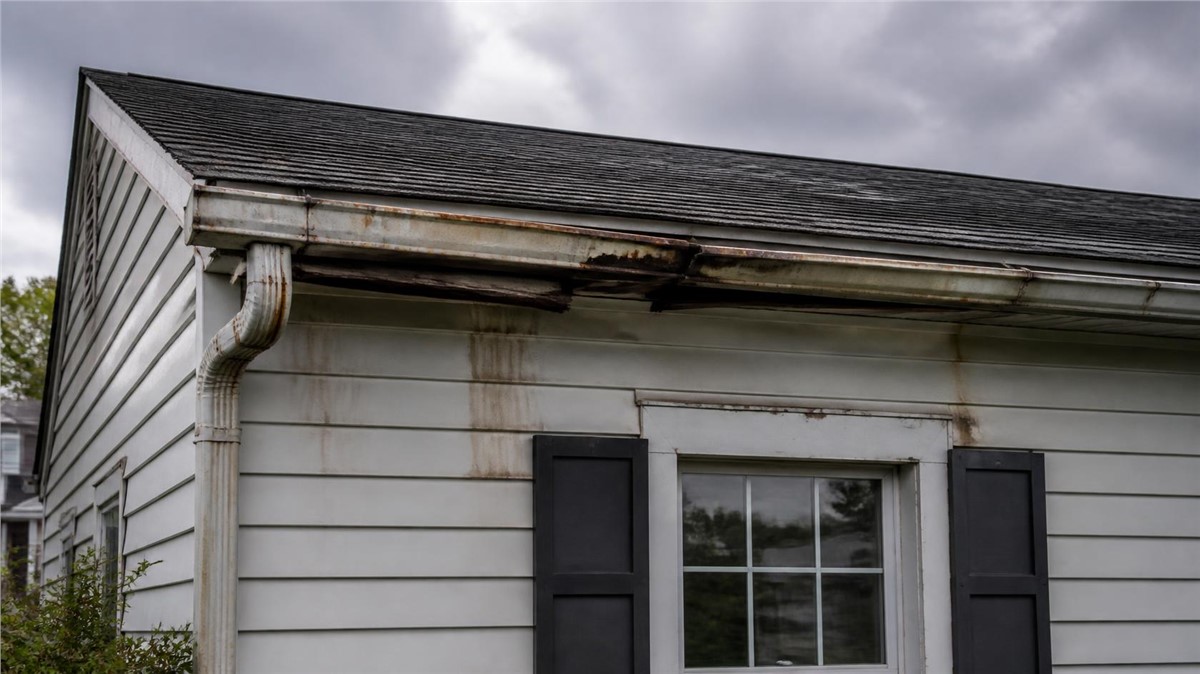
Inspect Gutters and Downspouts
Gutters and downspouts often show hail damage clearly. Dents on metal surfaces can help identify storm direction and impact severity.
Look for:
- Dented gutters
- Dented downspouts
- Bent elbows
- Loose hangers
- Leaking seams
- Sagging sections
- Damaged gutter guards
- Overflow during rain
Gutter damage matters because poor drainage can affect roof edges, siding, foundations, entrances, and walkways.
Check Roof Drains and Scuppers
Many commercial buildings rely on roof drains, scuppers, or internal drainage systems. After hail, debris and storm material can collect around drainage points.
Check for:
- Debris around drains
- Blocked scuppers
- Slow drainage
- Water stains near outlets
- Ponding water
- Damaged drain covers
- Overflow points
- Ice-prone areas from past seasons
Drainage should be checked quickly because blocked water paths can lead to ponding and leaks.
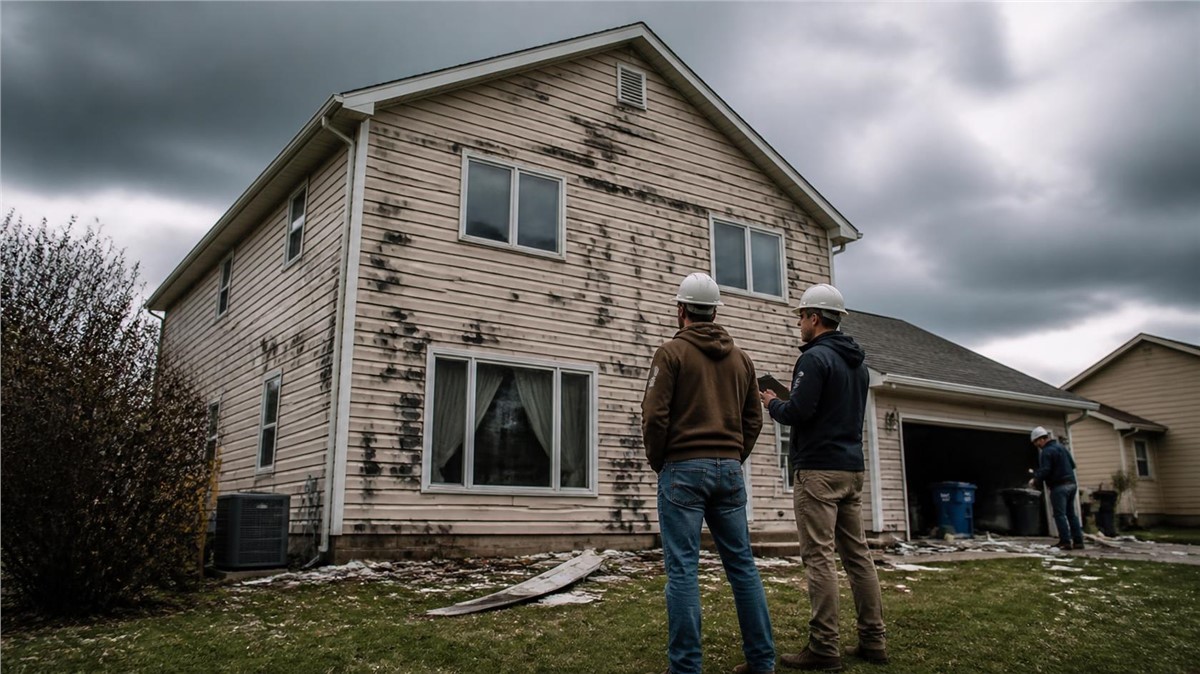
Look for Siding and Wall Panel Damage
Hail can crack, dent, chip, or loosen commercial siding and wall panels. Damage may be worse on the storm-facing side of the building.
Siding and wall panel damage may include:
- Cracks
- Dents
- Punctures
- Open seams
- Loose panels
- Chipped finishes
- Damaged trim
- Water stains
- Rust or exposed material
Even small openings can allow wind-driven rain into the wall system.
Inspect Windows, Doors, and Storefront Areas
Windows and doors are important for safety, appearance, comfort, and water protection. Hail can damage glass, screens, frames, seals, caulking, and surrounding trim.
Check for:
- Cracked glass
- Broken seals
- Fogging between panes
- Dented frames
- Torn screens
- Loose trim
- Water stains below windows
- Door threshold damage
- Drafts or leaks
Storefront windows and main entrances should be inspected carefully because they affect customer-facing areas.
Check Fascia, Soffit, and Trim
Fascia, soffit, and exterior trim help protect roof edges and transitions. Hail damage in these areas can create moisture entry points.
Warning signs include:
- Dented fascia wrap
- Loose soffit panels
- Cracked trim
- Soft fascia
- Peeling paint
- Water stains
- Gaps near gutters
- Damaged ventilation areas
These areas should be reviewed along with roofing and gutters.
Look for Interior Warning Signs
Not all hail damage is visible outside. Interior signs may appear after rain follows the storm.
Check inside for:
- Ceiling stains
- Damp drywall
- Stained ceiling tiles
- Musty odors
- Wet insulation
- Water near windows
- Moisture near exterior walls
- Leaks near rooftop equipment
- Water in storage areas
Document the exact location of each issue so the leak source can be traced.
Document Damage Carefully
Documentation is important for commercial properties because multiple people may be involved in repair decisions.
Helpful documentation includes:
- Storm date
- Photos of roof concerns
- Photos of gutter dents
- Photos of siding damage
- Window or door damage photos
- Interior leak photos
- Tenant or staff reports
- Maintenance records
- Contractor inspection findings
- Temporary repair receipts
If insurance may be involved, contact the insurance provider for policy-specific guidance.
Create a Repair Priority List
After a hail inspection, property owners should prioritize repairs based on water risk, safety, and operational impact.
High-priority items may include:
- Active roof leaks
- Open roof seams
- Damaged flashing
- Broken windows
- Loose exterior panels
- Drainage blockages
- Water near entrances
- Wet ceiling areas
- Loose gutters or downspouts
Lower-priority items may include cosmetic dents or surface marks that do not affect performance.
Temporary Protection
If hail damage has created openings or active leaks, temporary protection may be needed before permanent repairs can be completed.
Temporary protection may include:
- Covering exposed roof areas
- Protecting interior spaces
- Redirecting water if safe
- Securing loose materials
- Marking wet or slippery areas
- Clearing drainage paths
- Moving inventory away from leaks
- Documenting temporary steps
Temporary work should not replace a full repair plan.
Repair Options for Commercial Roofing
Roof repair options depend on the roof type and extent of damage.
Repairs may include:
- Replacing damaged shingles
- Repairing punctured membrane areas
- Sealing open seams
- Repairing flashing
- Replacing damaged vents
- Addressing roof edge damage
- Repairing rooftop equipment curbs
- Correcting drainage issues
The repair should restore water protection and address the cause of the problem.
Repair Options for Gutters and Drainage
Gutter and drainage repairs may be needed if hail dents, loosens, or damages the water management system.
Possible repairs include:
- Replacing damaged gutter sections
- Reattaching loose gutters
- Replacing hangers
- Resealing seams
- Replacing damaged downspouts
- Clearing drains and scuppers
- Adding downspout extensions
- Correcting discharge areas
Drainage repairs help protect the roof edge, siding, foundation, and walkways.
Repair Options for Siding and Exterior Panels
Siding and wall panel repairs depend on material type and damage severity.
Repair may include:
- Replacing cracked panels
- Reattaching loose siding
- Repairing trim
- Sealing approved joints
- Replacing damaged corner pieces
- Addressing moisture behind panels
- Repairing window or door trim
- Correcting flashing details
If damage is widespread or matching material is unavailable, replacement may be worth considering.
Repair vs Replacement
Not every hail-damaged business property needs full replacement. The best option depends on the damage pattern, age of materials, and whether water protection has been affected.
Repair may make sense if:
- Damage is isolated
- Materials are still performing
- Matching materials are available
- No hidden moisture is present
- Drainage can be corrected
- Repairs will provide lasting protection
Replacement may be better if:
- Damage is widespread
- Leaks affect multiple areas
- Roofing materials are aging
- Siding is cracked across several walls
- Gutters are dented throughout
- Matching materials are unavailable
- Repairs no longer last
A professional inspection can help determine the right scope.
Budget and Scheduling Considerations
Business property repairs should be planned around operations. Exterior work may affect entrances, parking, customers, tenants, employees, deliveries, and loading areas.
Planning should include:
- Work hours
- Tenant communication
- Safety barriers
- Parking access
- Delivery routes
- Material staging
- Dumpster placement
- Noise expectations
- Cleanup schedule
Good planning helps reduce disruption while repairs are completed.
Insurance Considerations
If hail damage may be storm-related, commercial property owners should contact their insurance provider to understand coverage, deductibles, deadlines, documentation requirements, and claim steps.
Helpful records may include:
- Storm date notes
- Exterior damage photos
- Interior leak photos
- Contractor inspection findings
- Maintenance history
- Temporary repair receipts
- Repair estimates
- Adjuster communication
Every policy is different, so claim guidance should come directly from the insurance provider.
What Should Be Included in a Business Property Hail Inspection?
A hail inspection should cover the full exterior system, not just the roof.
A contractor may check:
- Commercial roofing
- Roof vents and penetrations
- Rooftop equipment
- Gutters and downspouts
- Roof drains and scuppers
- Siding and wall panels
- Windows and doors
- Fascia and soffit
- Flashing and trim
- Interior moisture signs
- Foundation drainage
- Storm-facing walls
This helps property owners understand whether damage is isolated or widespread.
Why a Full Exterior Inspection Helps
Hail can affect multiple exterior systems during the same storm. Looking only at the roof may miss damaged siding, gutters, windows, doors, flashing, fascia, soffit, trim, drainage, or interior moisture concerns.
A full exterior inspection may include:
- Roofing and roof edges
- Gutters and drainage
- Siding and wall panels
- Windows and doors
- Flashing and trim
- Fascia and soffit
- Rooftop equipment
- Interior moisture signs
- Foundation drainage
- Storm damage areas
Huskie Exteriors provides roofing, siding, window, gutter, and storm damage restoration services, helping commercial property owners evaluate the full exterior after hail damage.
Why Local Exterior Experience Matters
A local contractor understands how Wisconsin storms affect commercial exteriors. In Oregon, WI, business properties need roofing, siding, gutters, windows, and drainage systems that can handle hail, wind, heavy rain, snow, ice, humidity, and freeze-thaw cycles.
Local experience helps property owners determine whether damage is cosmetic, repairable, storm-related, age-related, moisture-related, or connected to a larger exterior problem.
Conclusion
Business property hail damage in Oregon, WI should be inspected carefully because hail can affect roofing, gutters, downspouts, siding, windows, doors, flashing, fascia, soffit, rooftop equipment, drainage, and interior spaces. Some damage may be cosmetic, but cracks, punctures, open seams, drainage issues, and leaks should be repaired before future storms make them worse.
If your business property has hail damage, roof concerns, dented gutters, cracked siding, window damage, drainage problems, or interior leaks, Huskie Exteriors can inspect the exterior and recommend the right next step.
Contact Huskie Exteriors for professional roofing, siding, window, gutter, and storm damage services in Illinois and Wisconsin.
Subscribe to Huskie Exteriors's Blog





Comments