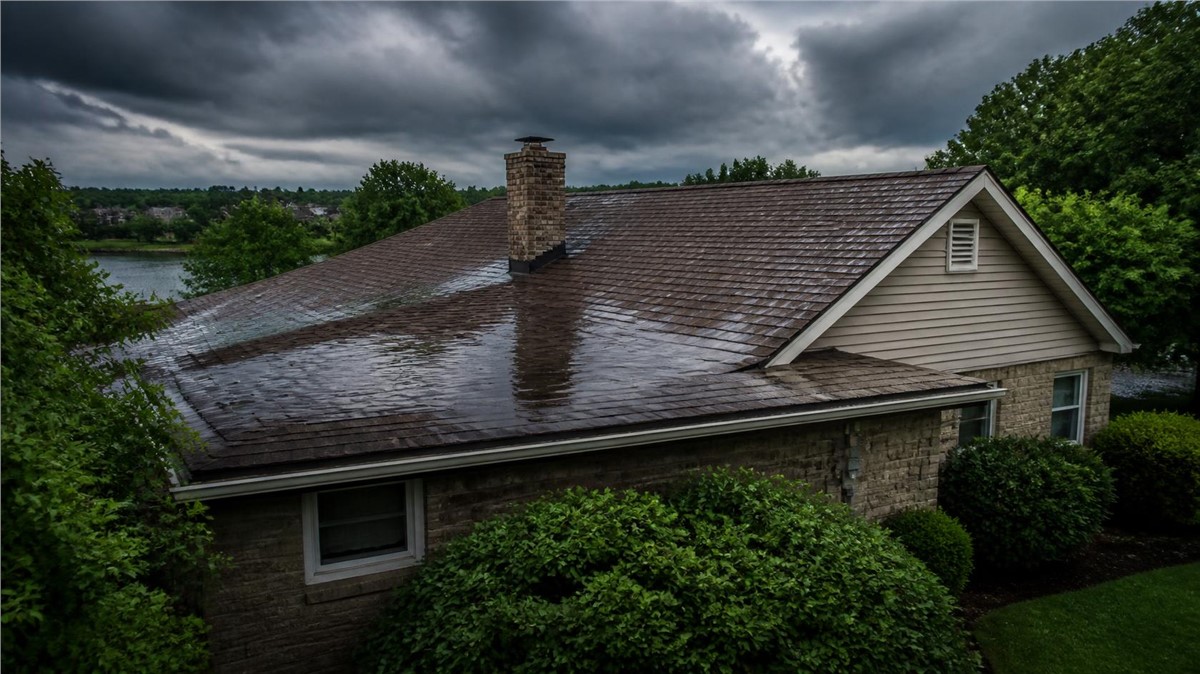
A roof is designed to shed water. When drainage works properly, rainwater and snowmelt move from the roof into gutters, downspouts, and away from the home. When drainage does not work properly, water can collect, back up, overflow, freeze, or travel into places it should not go.
For homeowners in Pewaukee, WI, roof drainage matters throughout the year. Heavy rain, snow, ice, wind, humidity, and freeze-thaw cycles can all affect how water moves around a home. Poor drainage can turn a small exterior issue into a roof leak, siding stain, gutter problem, or foundation concern.
This guide explains common roofing problems caused by poor drainage and what homeowners should look for.
Why Roof Drainage Matters
Roof drainage protects more than the shingles. It helps move water away from the roof surface, roof edges, siding, windows, fascia, soffit, landscaping, foundation, and basement areas.
Good drainage helps reduce:
- Roof leaks
- Water backing up under shingles
- Gutter overflow
- Fascia and soffit damage
- Siding stains
- Foundation pooling
- Ice buildup
- Basement moisture
- Mold or mildew concerns
When drainage fails, water can affect the full exterior system.
Problem 1: Roof Leaks
Roof leaks are one of the most serious problems caused by poor drainage. If water sits too long or backs up near a vulnerable area, it may find a path inside.
Leaks may appear near:
- Roof valleys
- Chimneys
- Skylights
- Wall transitions
- Roof vents
- Pipe boots
- Eaves
- Exterior walls
- Attic areas
A roof leak does not always appear directly below the source. Water can travel along decking, rafters, insulation, or framing before showing indoors.
Problem 2: Water Backing Up Under Shingles
Asphalt shingles are designed to shed water downward. If water backs up because of clogged gutters, ice dams, debris, or poor roof edge drainage, it may move under the shingles.
This can lead to:
- Wet underlayment
- Soft roof decking
- Attic moisture
- Ceiling stains
- Mold or mildew concerns
- Damaged insulation
- Repeated leaks near exterior walls
Water backing up under shingles should be inspected quickly because hidden damage may develop before it becomes obvious indoors.
Problem 3: Clogged Gutters
Clogged gutters are a common cause of poor drainage. Leaves, twigs, shingle granules, dirt, and roof debris can block water flow.
Signs of clogged gutters include:
- Water spilling over the gutter
- Water running behind gutters
- Plants growing in gutters
- Debris visible from the ground
- Downspouts releasing little water
- Stains below the roofline
- Overflow during rain
If gutters are clogged often, the home may need more frequent cleaning or a review of gutter guards and nearby trees.
Problem 4: Blocked Downspouts
Gutters can only work if downspouts move water away from the home. A blocked downspout can cause water to back up into the gutter and overflow near the roof edge.
Blocked downspouts may cause:
- Gutter overflow
- Ice buildup in winter
- Water stains on siding
- Fascia moisture
- Soil erosion
- Foundation pooling
- Basement dampness
- Water near walkways
Downspouts should be checked from top to bottom, including elbows and extensions.
Problem 5: Water Behind Gutters
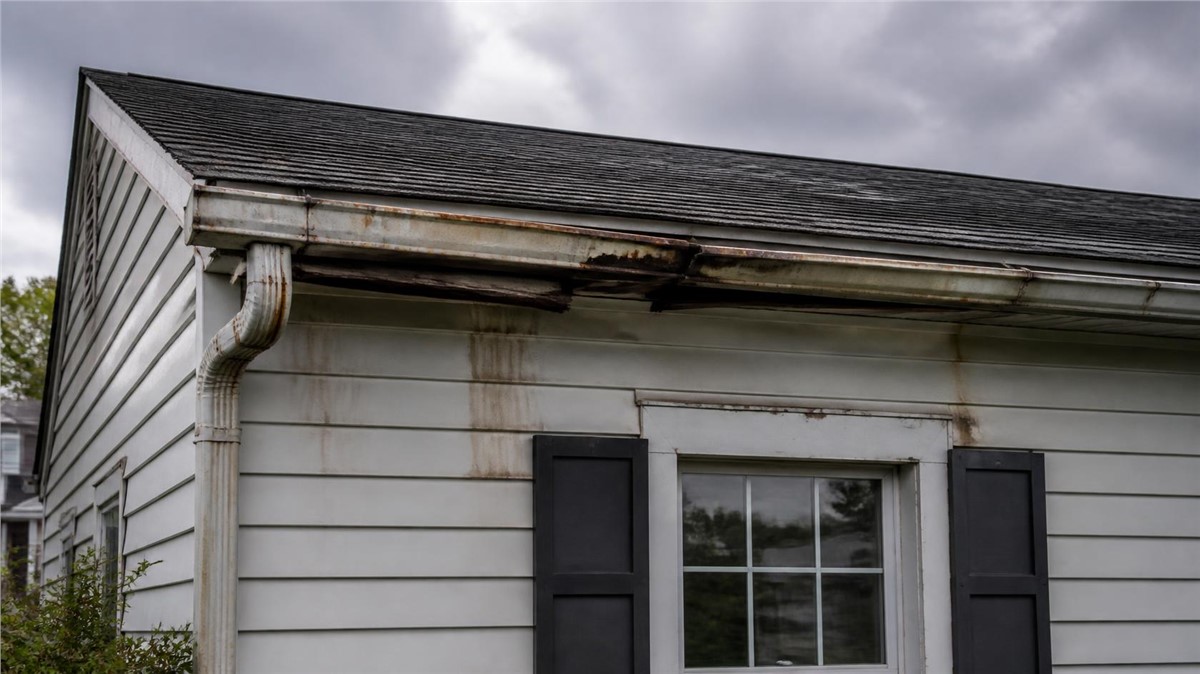
Water running behind gutters may point to loose gutters, poor placement, missing drip edge, damaged fascia, or roof edge issues. This problem should not be ignored because water may soak directly into roofline materials.
Water behind gutters can damage:
- Fascia boards
- Soffit panels
- Siding
- Window trim
- Roof edges
- Wall materials
- Foundation areas
If water is bypassing the gutter, the roof edge should be inspected along with the gutter system.
Problem 6: Fascia and Soffit Damage
Fascia and soffit sit near the roof edge. When water overflows, backs up, or freezes near the gutter line, these areas can become damaged.
Warning signs include:
- Soft fascia
- Peeling paint
- Dark stains
- Loose soffit panels
- Sagging gutters
- Gaps near roof edges
- Pest entry points
- Water stains under eaves
If fascia or soffit damage is present, simply cleaning the gutters may not be enough.
Problem 7: Ice Dams
In winter, poor drainage can contribute to ice dams. Ice dams form when snow melts and refreezes near the roof edge, blocking water from draining properly.
Ice dam warning signs include:
- Large icicles
- Frozen gutters
- Water stains near exterior walls
- Leaks during thawing
- Wet attic insulation
- Ice along roof edges
- Soffit moisture
- Repeated winter leaks
Ice dam issues may involve roofing, gutters, attic insulation, ventilation, and roof edge protection.
Problem 8: Ponding Water on Low-Slope Roof Areas
Some homes have low-slope roof sections over porches, additions, garages, or transitions. These areas may be more vulnerable to drainage problems.
Ponding water can lead to:
- Membrane wear
- Roof surface deterioration
- Leaks
- Soft spots
- Debris buildup
- Ice formation
- Flashing damage
- Interior moisture
Low-slope roof areas should be reviewed carefully because they do not shed water the same way steep-slope roofs do.
Problem 9: Damaged Roof Valleys
Roof valleys carry a large amount of water during rain and snowmelt. If debris collects in a valley or flashing is damaged, water may slow down or back up.
Valley problems may include:
- Debris buildup
- Damaged shingles
- Loose flashing
- Ice buildup
- Leaks below the valley
- Water stains on ceilings
- Uneven roof wear
Because valleys handle heavy water flow, they should be included in any drainage inspection.
Problem 10: Flashing Failure
Flashing protects vulnerable roof transitions. Poor drainage can send extra water toward flashing areas and expose weak points.
Flashing problems may occur around:
- Chimneys
- Skylights
- Roof vents
- Pipe boots
- Dormers
- Wall transitions
- Roof valleys
- Roof edges
Loose flashing, cracked sealant, rust, or open gaps can allow water into the roof system.
Problem 11: Siding Stains Below Rooflines
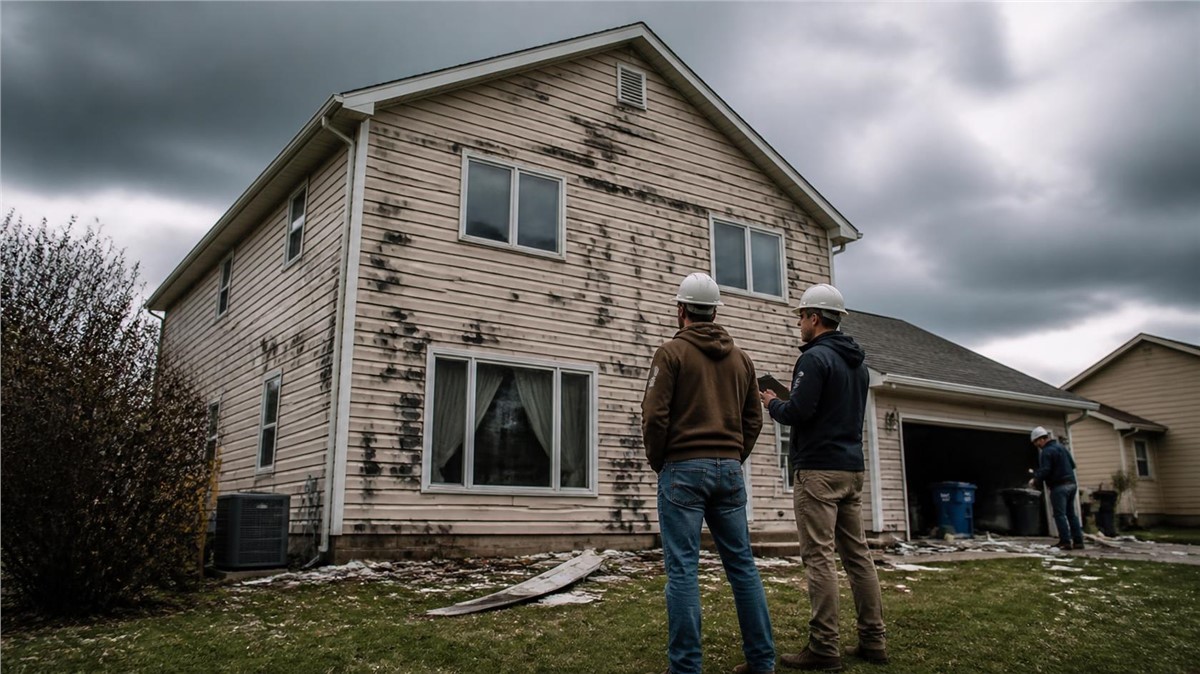
Poor roof drainage often shows up on siding. If gutters overflow or water runs behind them, water may streak down the exterior walls.
Look for:
- Dark streaks
- Green or black buildup
- Water stains below gutters
- Soft trim
- Loose siding
- Warped panels
- Moisture near windows
- Peeling paint indoors
Siding stains may be a sign that the roof and gutter drainage system is not working properly.
Problem 12: Foundation Pooling
Roof drainage problems do not stop at the roofline. If gutters and downspouts fail, water may collect near the foundation.
Foundation warning signs include:
- Water pooling near the house
- Soil erosion
- Damp basement walls
- Musty odors
- Water near basement windows
- Landscape washout
- Ice patches near walkways
- Moisture after heavy rain
Downspout extensions and proper grading can help move water away from the home.
What Causes Poor Roof Drainage?
Poor drainage can come from several problems. Some are easy to fix, while others require repair or replacement.
Common causes include:
- Clogged gutters
- Blocked downspouts
- Poor gutter pitch
- Loose gutters
- Missing drip edge
- Damaged flashing
- Debris in roof valleys
- Ice dams
- Low-slope roof problems
- Undersized gutters
- Poor downspout placement
- Aging roof materials
A professional inspection can help identify the true cause.
What Homeowners Can Check Safely
Homeowners can do a simple ground-level inspection after rain or snowmelt. Avoid climbing onto the roof or using ladders in unsafe conditions.
From the ground, look for:
- Overflowing gutters
- Water behind gutters
- Sagging gutter sections
- Loose downspouts
- Water stains on siding
- Debris in roof valleys
- Large icicles
- Water pooling near the foundation
- Shingle granules near downspouts
Inside the home, check ceilings, attic areas, window trim, and exterior walls for moisture signs.
When Cleaning May Be Enough
If the drainage issue is caused by simple debris buildup, gutter cleaning may help restore water flow.
Cleaning may be enough if:
- Gutters are clogged with leaves
- Downspouts are blocked
- Gutters are still securely attached
- Fascia is solid
- No leaks are present
- Water flows properly after cleaning
However, cleaning will not fix damaged flashing, poor gutter pitch, soft fascia, missing drip edge, or roof leaks.
When Roof or Gutter Repair May Be Needed
Repairs may be needed when drainage problems are connected to damaged materials or poor water movement.
Repair options may include:
- Replacing missing shingles
- Repairing flashing
- Correcting gutter pitch
- Reattaching loose gutters
- Replacing damaged hangers
- Clearing downspouts
- Repairing fascia or soffit
- Fixing roof valley issues
- Adjusting downspout extensions
The repair should address the cause of the drainage problem, not just the visible stain or leak.
When Replacement May Be Better
Replacement may be the better option when drainage problems keep returning or materials are failing.
Replacement may make sense if:
- The roof leaks repeatedly
- Shingles are aging or damaged
- Gutters sag in several areas
- Downspouts are poorly placed
- Fascia damage is widespread
- Low-slope roof areas are failing
- Repairs no longer last
- Water damage has spread
A professional inspection can help homeowners compare repair and replacement options.
Why Gutters and Roofs Should Be Inspected Together
Gutters and roofs work together. If the roof is repaired but gutters still overflow, water problems may continue. If gutters are replaced but roof edges are damaged, leaks may still happen.
A combined inspection may check:
- Shingles
- Roof valleys
- Flashing
- Drip edge
- Gutters
- Downspouts
- Fascia
- Soffit
- Siding stains
- Foundation drainage
This gives homeowners a more complete picture of the problem.
What Should Be Included in a Drainage Inspection?
A roof drainage inspection should follow the water path from the roof to the ground.
A contractor may check:
- Roof slope and water flow
- Roof valleys
- Shingles or roof surface
- Flashing
- Gutters
- Gutter pitch
- Downspouts
- Downspout extensions
- Fascia and soffit
- Siding stains
- Foundation drainage
- Interior moisture signs
This helps determine where water is getting blocked, redirected, or entering the home.
Preventing Future Drainage Problems
Regular maintenance can help reduce roof drainage issues.
Helpful steps include:
- Clean gutters regularly
- Clear downspouts
- Trim branches near the roof
- Check gutters after storms
- Inspect roof valleys
- Repair loose gutters
- Watch for ice buildup
- Keep downspouts extended
- Address stains quickly
- Schedule inspections before winter
Preventive maintenance helps protect the roof and the full exterior system.
Why a Full Exterior Inspection Helps
Roofing problems caused by poor drainage can affect siding, windows, gutters, fascia, soffit, flashing, trim, foundations, and interior areas. Looking only at the roof may miss the reason water is not moving correctly.
A full exterior inspection may include:
- Roofing and roof edges
- Gutters and downspouts
- Siding and trim
- Windows and doors
- Flashing
- Fascia and soffit
- Attic and interior moisture signs
- Foundation drainage
- Storm damage areas
Huskie Exteriors provides roofing, siding, window, gutter, and storm damage restoration services, helping homeowners evaluate the full exterior system.
Why Local Exterior Experience Matters
A local contractor understands how Wisconsin weather affects roof drainage. In Pewaukee, WI, homes need roofing and gutter systems that can handle heavy rain, wind, snow, ice, humidity, falling leaves, and freeze-thaw cycles.
Local experience helps homeowners determine whether drainage problems are caused by clogs, poor pitch, blocked downspouts, ice dams, flashing failure, aging materials, roof edge issues, or foundation drainage concerns.
Conclusion
Roofing problems caused by poor drainage in Pewaukee, WI can include leaks, water backing up under shingles, clogged gutters, blocked downspouts, fascia damage, soffit moisture, ice dams, roof valley problems, flashing failure, siding stains, and foundation pooling. The sooner drainage issues are identified, the easier it may be to prevent larger exterior repairs.
If your home has roof leaks, overflowing gutters, water behind gutters, ice buildup, siding stains, fascia damage, or foundation pooling, Huskie Exteriors can inspect your exterior and recommend the right next step.
Contact Huskie Exteriors for professional roofing, siding, window, gutter, and storm damage services in Illinois and Wisconsin.
Subscribe to Huskie Exteriors's Blog




Comments