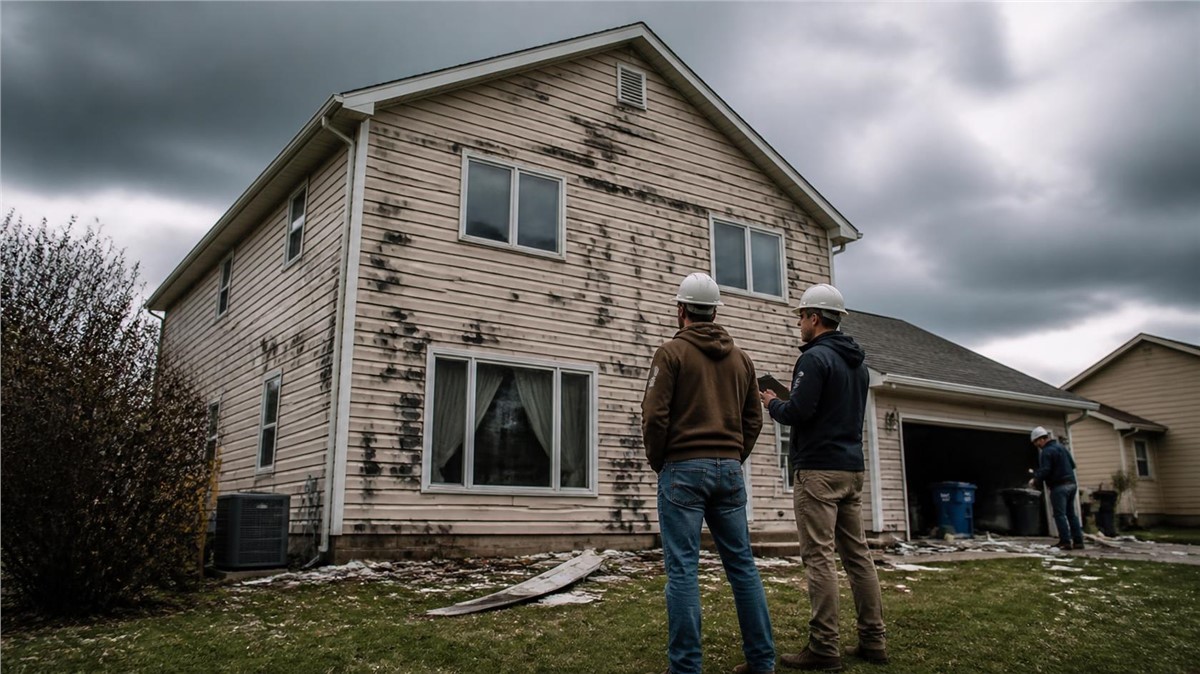
After a hailstorm, siding damage can be easy to miss. Some damage appears as obvious cracks or holes. Other damage may look like small impact marks, loose seams, or minor chips that homeowners may not notice right away. Even small siding damage can matter because siding helps protect the home from wind-driven rain, moisture, pests, and temperature changes.
For homeowners in Milton, WI, siding needs to stand up to Wisconsin weather, including hail, wind, heavy rain, snow, ice, humidity, sun exposure, and freeze-thaw cycles. When hail damages siding, a contractor will look beyond appearance to determine whether the siding still protects the home properly.
This guide explains how contractors evaluate siding damage after hail and what homeowners should know before repair or replacement.
Why Siding Hail Damage Matters
Siding is part of the home’s exterior protection system. It helps cover wall materials, protect against moisture, and create a finished exterior appearance. When hail cracks or punctures siding, it can create openings where water may enter during future storms.
Siding hail damage may lead to:
- Moisture behind siding
- Wall sheathing concerns
- Loose panels
- Water stains
- Interior moisture signs
- Mold or mildew concerns
- Pest entry points
- Reduced curb appeal
- More damage during future storms
Even if the damage looks minor, it should be checked before another round of rain or winter weather arrives.
Step 1: Contractors Start with the Storm Direction
Hail damage is often worse on the side of the home that faced the storm. Contractors usually start by identifying which walls received the strongest impact.
They may look at:
- The side with the most visible siding damage
- Dented gutters or downspouts
- Damaged window screens
- Broken trim
- Hail marks on outdoor surfaces
- Roof slopes facing the storm
- Nearby fences, decks, or exterior fixtures
Storm direction helps contractors understand where damage is most likely to be concentrated.
Step 2: They Identify the Siding Material
Different siding materials react differently to hail. A contractor needs to know the siding type before recommending repair or replacement.
Common siding materials include:
- Vinyl siding
- Insulated vinyl siding
- Fiber cement siding
- Engineered wood siding
- Composite siding
- Aluminum or metal siding
- Wood siding
Vinyl may crack or puncture. Metal may dent. Fiber cement or engineered materials may chip, crack, or show impact marks depending on the storm and product condition.
Step 3: They Look for Cracks and Holes
Cracks and holes are some of the most important signs of siding hail damage. These openings may allow moisture behind the siding during future rain.
Contractors may look for:
- Round impact holes
- Half-moon cracks
- Split panels
- Cracked lower edges
- Broken panel corners
- Small punctures
- Damage near seams
- Damage around trim
A small crack may become larger during freeze-thaw cycles, especially in Wisconsin winters.
Step 4: They Check for Loose Panels
Hail often arrives with wind. That combination can loosen siding panels or make existing gaps worse.
Loose siding may show up as:
- Panels pulling away
- Open seams
- Rattling in wind
- Gaps around trim
- Siding movement
- Pieces shifted out of position
- Broken fastener areas
Loose panels should be repaired because wind can pull them farther away during the next storm.
Step 5: They Inspect Siding Seams
Seams are important because they help siding panels overlap and protect the wall system. Hail impact or wind pressure can damage these areas.
A contractor may check for:
- Open seams
- Poor overlap
- Cracked panel edges
- Gaps between siding pieces
- Loose trim channels
- Water stains near seams
- Panels that no longer sit flat
Open seams can allow wind-driven rain behind the siding surface.
Step 6: They Review Corners and Trim
Corners and trim pieces are often vulnerable during hailstorms. These parts protect siding edges and finish the exterior around openings.
Contractors may inspect:
- Corner posts
- Window trim
- Door trim
- Utility trim
- Gable trim
- Roofline trim
- Exterior light blocks
- Vent blocks
Damage may include cracks, chips, dents, loosened trim, or open gaps.
Step 7: They Check Around Windows and Doors
Windows and doors are common areas for water entry after siding damage. If hail damages siding, trim, caulking, or flashing near these openings, moisture may enter the wall system.
Warning signs include:
- Cracked siding near windows
- Loose window trim
- Failed caulking
- Water stains below windows
- Torn screens
- Dented screen frames
- Damp drywall indoors
- Peeling paint near frames
A siding inspection should include the full window and door area, not just the panels.
Step 8: They Look for Moisture Clues
Not all hail damage is visible from outside. If moisture has entered behind siding, there may be clues around trim, interior walls, or lower siding areas.
Contractors may look for:
- Water stains
- Soft trim
- Mildew growth
- Warped siding
- Musty odors
- Interior stains
- Peeling paint indoors
- Repeated discoloration after rain
Moisture concerns may change the repair plan because the underlying wall materials may need attention.
Step 9: They Inspect the Gutters and Downspouts
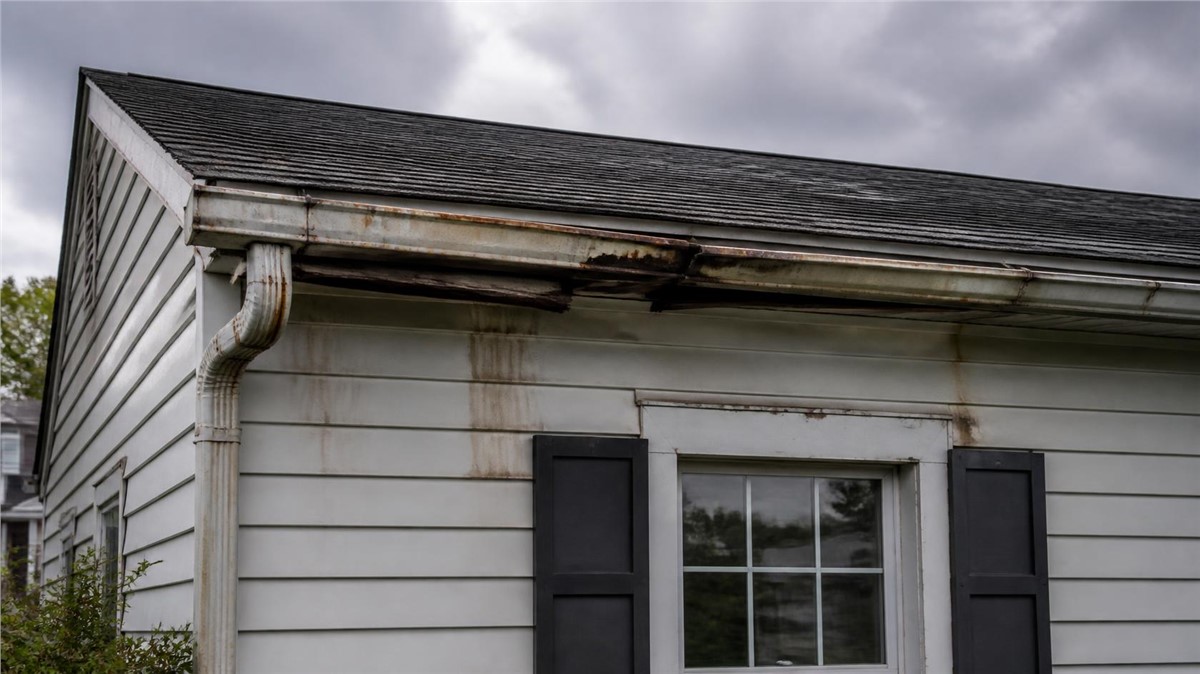
Gutters and downspouts often show hail impact clearly. Dented metal can help confirm that hail affected the exterior, and gutter damage may also affect water management.
Contractors may check for:
- Dented gutters
- Dented downspouts
- Bent elbows
- Loose hangers
- Leaking seams
- Sagging sections
- Damaged gutter guards
- Water overflow
If gutters are damaged, siding and fascia should also be inspected carefully.
Step 10: They Check Fascia and Soffit
Fascia and soffit areas sit near the roof edge and may be affected by hail, wind, or gutter damage.
Warning signs include:
- Dented fascia wrap
- Loose soffit panels
- Water stains under eaves
- Soft fascia
- Gaps near gutters
- Peeling paint
- Damaged ventilation areas
- Sagging gutter attachments
These areas help protect the roof edge and should be part of the exterior inspection.
Step 11: They Look at the Roof Too
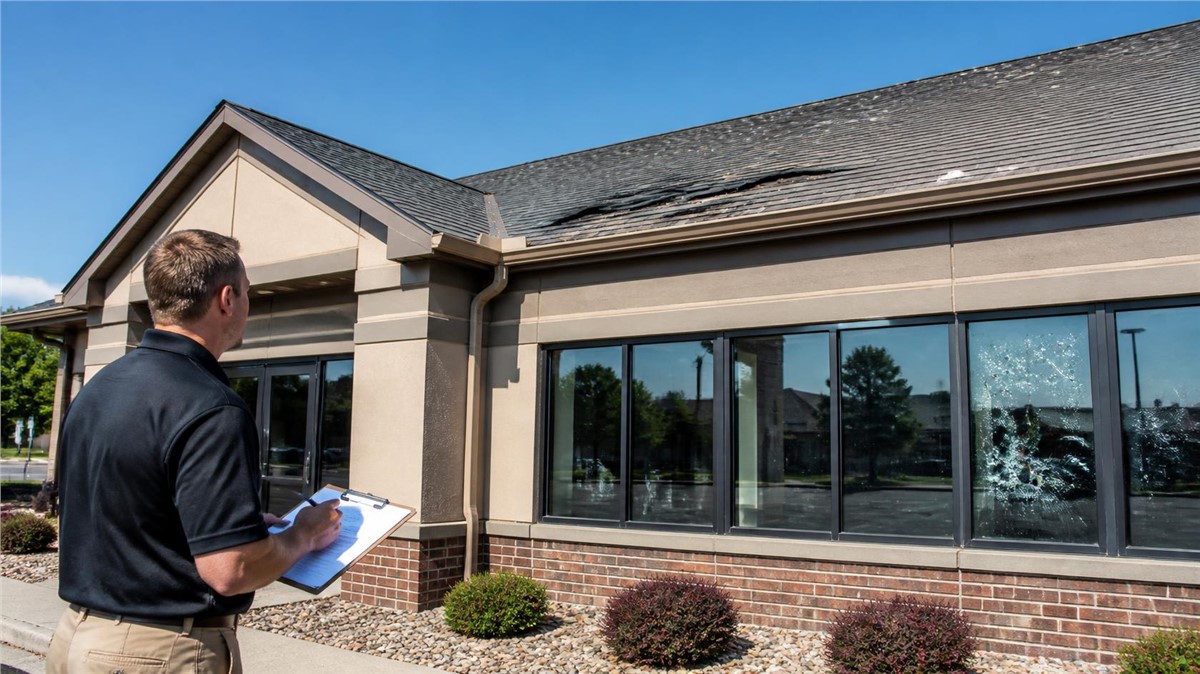
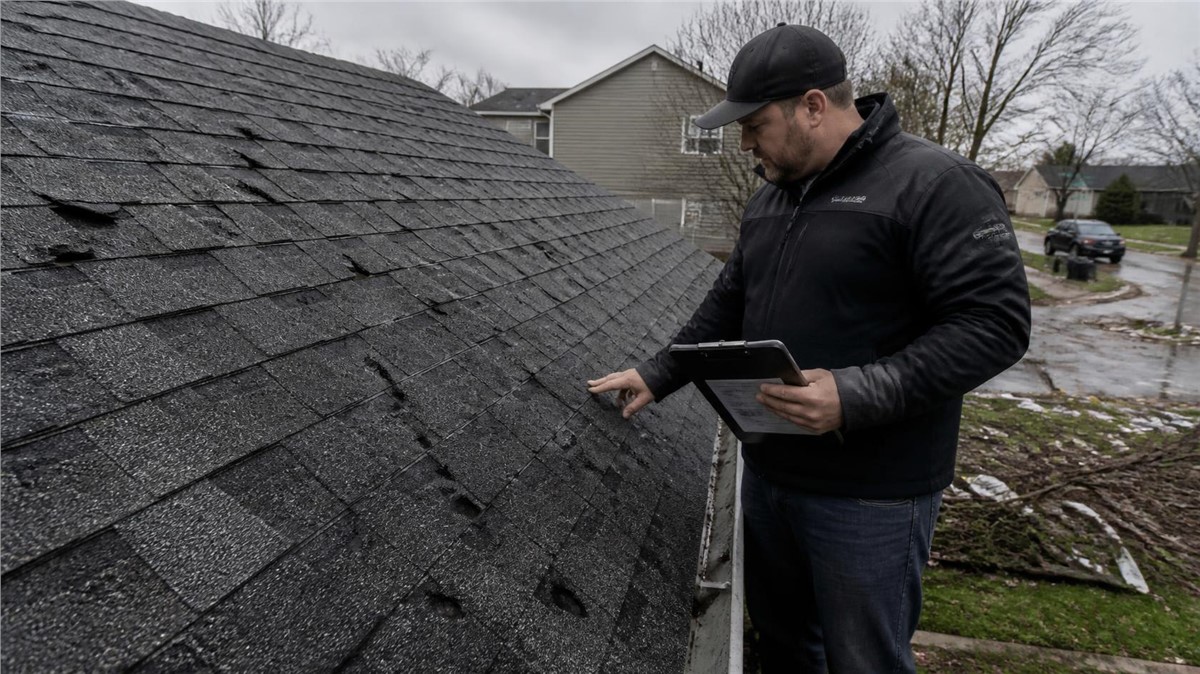
Even if the main concern is siding, hail can damage the roof during the same storm. Contractors often recommend checking the roof because shingles, vents, flashing, and gutters may also be affected.
Roof areas to review include:
- Shingles
- Ridge caps
- Roof vents
- Pipe boots
- Flashing
- Roof valleys
- Chimneys
- Skylights
- Roof edges
A full exterior inspection helps homeowners avoid missing related storm damage.
Step 12: They Document Damage Carefully
Documentation helps homeowners understand the condition of the exterior and compare repair options.
A contractor may document:
- Siding cracks
- Hail impact locations
- Damaged trim
- Dented gutters
- Damaged downspouts
- Window or screen damage
- Roof concerns
- Interior moisture signs
- Storm-facing wall damage
Photos and notes are especially helpful if insurance may be involved.
How Contractors Decide If Repair Is Enough
Siding repair may be possible when damage is isolated and matching material is available.
Repair may make sense if:
- Only a few panels are cracked
- Damage is limited to one small area
- Matching siding can be found
- Trim damage is minor
- No moisture is present behind siding
- The siding is still flexible and secure
- The rest of the exterior is in good condition
Targeted repair can restore protection when the damage is small and clearly contained.
How Contractors Decide If Replacement Is Better
Replacement may be better when hail damage is widespread or the siding is already aging.
Replacement may make sense if:
- Many panels are cracked
- Damage appears on several walls
- Siding is brittle
- Matching panels are unavailable
- Repairs would look patchy
- Moisture is behind the siding
- Trim damage is widespread
- Storm damage affected multiple exterior systems
A contractor can help homeowners compare the short-term repair cost with the long-term value of replacement.
Matching Existing Siding
One challenge after hail damage is matching existing siding. Older siding may have faded from sun exposure, and the original product may no longer be available.
Matching issues may include:
- Color differences
- Discontinued styles
- Different panel texture
- Faded existing siding
- New panels standing out
- Partial repairs looking uneven
If matching is difficult, homeowners may need to consider whether a larger replacement section makes more sense.
Insurance Considerations
If siding damage may be storm-related, homeowners should contact their insurance provider to understand coverage, deductibles, deadlines, documentation requirements, and claim steps.
Helpful records may include:
- Storm date notes
- Photos of siding damage
- Photos of gutter dents
- Window or screen damage photos
- Interior moisture photos
- Contractor inspection findings
- Temporary repair receipts
- Repair estimates
Every policy is different, so insurance guidance should come directly from the provider.
What Homeowners Can Check Safely
Homeowners can do a ground-level inspection after the storm passes. Avoid climbing ladders or walking on the roof in unsafe conditions.
From the ground, look for:
- Cracked siding
- Holes or punctures
- Loose panels
- Broken corners
- Dented gutters
- Dented downspouts
- Torn screens
- Water stains
- Siding pieces in the yard
Take photos of anything unusual before cleanup.
Why Timing Matters After Hail
Hail damage should be checked soon after the storm because weather can make the damage worse. Rain can enter cracks. Wind can loosen panels. Freeze-thaw cycles can expand small openings.
Early inspection helps homeowners:
- Understand the extent of damage
- Prevent moisture problems
- Document storm conditions
- Plan repairs before the next storm
- Avoid hidden damage spreading
- Compare repair and replacement options
Waiting too long can make it harder to tell what damage came from the storm and what happened later.
What Should Be Included in a Siding Hail Damage Inspection?
A proper siding hail damage inspection should include both visible damage and connected exterior systems.
A contractor may check:
- Siding panels
- Seams and gaps
- Corners
- Window and door trim
- Caulking
- Flashing
- Gutters and downspouts
- Fascia and soffit
- Roof edges
- Interior moisture signs
- Storm-facing walls
This helps determine whether the siding is still protecting the home properly.
Why a Full Exterior Inspection Helps
Hail can affect roofing, siding, gutters, windows, fascia, soffit, flashing, trim, and drainage during the same storm. Looking only at one damaged panel may miss other areas that need attention.
A full exterior inspection may include:
- Roofing and shingles
- Siding and trim
- Gutters and downspouts
- Windows and screens
- Flashing
- Fascia and soffit
- Interior moisture signs
- Foundation drainage
- Storm damage areas
Huskie Exteriors provides roofing, siding, window, gutter, and storm damage restoration services, helping homeowners evaluate the full exterior after hail damage.
Why Local Exterior Experience Matters
A local contractor understands how Wisconsin storms affect siding and exterior materials. In Milton, WI, homes need siding that can handle hail, wind, heavy rain, snow, ice, humidity, sun exposure, and freeze-thaw cycles.
Local experience helps homeowners determine whether siding damage is cosmetic, repairable, storm-related, moisture-related, age-related, or connected to a larger exterior issue.
Conclusion
Siding damage after hail in Milton, WI should be evaluated by checking cracks, holes, loose panels, open seams, broken trim, corners, windows, gutters, downspouts, fascia, soffit, roof edges, and moisture signs. Contractors look at the type of siding, storm direction, damage pattern, material age, repair feasibility, and whether replacement may provide better long-term protection.
If your siding has cracks, holes, hail impact marks, loose panels, damaged trim, gutter dents, moisture concerns, or storm-related exterior damage, Huskie Exteriors can inspect your exterior and recommend the right next step.
Contact Huskie Exteriors for professional roofing, siding, window, gutter, and storm damage services in Illinois and Wisconsin.
Subscribe to Huskie Exteriors's Blog





Comments