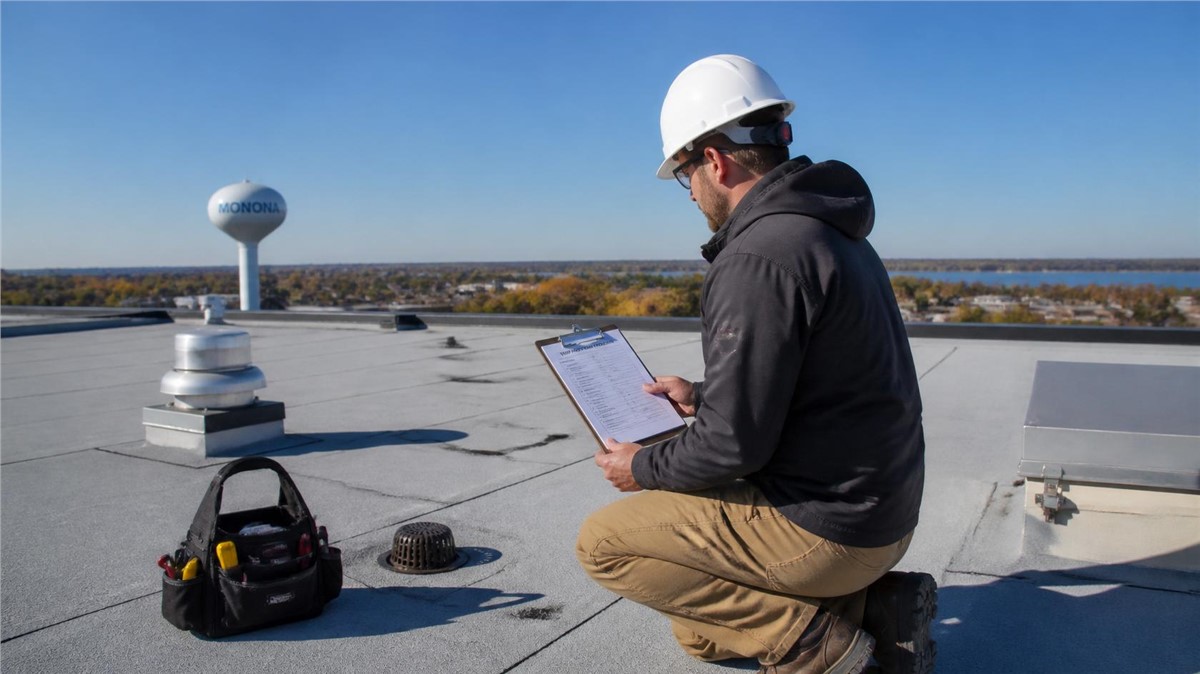
Commercial roofs protect more than the building itself. They help protect employees, tenants, customers, inventory, equipment, insulation, interior finishes, and daily operations. When a commercial roof is not inspected regularly, small issues can become expensive problems.
For commercial property owners and managers in Monona, WI, roof inspections are especially important because Wisconsin weather can bring hail, wind, heavy rain, snow, ice, humidity, and freeze-thaw cycles. These conditions can affect flat roofs, low-slope roofs, metal roofs, shingle sections, seams, flashing, gutters, drains, and rooftop equipment areas.
This checklist explains what to review during a commercial roof inspection and why a full exterior evaluation matters.
Why Commercial Roof Inspections Matter
Commercial roofing systems often have more details than residential roofs. Flat and low-slope roofs may include membrane seams, drains, scuppers, parapet walls, rooftop HVAC units, roof hatches, vent pipes, flashing, edge metal, and insulation layers.
Regular inspections help identify:
- Leaks
- Ponding water
- Open seams
- Membrane damage
- Loose flashing
- Clogged drains
- Damaged gutters
- Wet insulation
- Storm damage
- Roof edge problems
- Rooftop equipment concerns
Catching these issues early can help reduce repair costs and prevent business disruptions.
Roof Surface Condition
Start with the roof surface. The roof membrane or roofing material should be checked for visible wear, damage, or deterioration.
Review for:
- Cracks
- Blisters
- Punctures
- Tears
- Surface wear
- Soft spots
- Loose materials
- Exposed fasteners
- Previous repair patches
- Areas that look uneven or weak
For flat and low-slope roofs, even a small puncture can allow water into the system if it is not repaired.
Seams and Membrane Connections
On many commercial roofs, seams are common weak points. If seams open or separate, water can enter below the roofing surface.
Inspect seams for:
- Separation
- Lifting edges
- Loose adhesive
- Wrinkles
- Gaps
- Cracking
- Previous repairs
- Water stains near seams
Seam problems should be addressed quickly because they can lead to wet insulation and interior leaks.
Ponding Water
Ponding water is one of the most important flat roof concerns. Water that sits on the roof for too long can stress the membrane, seams, insulation, and roof deck.
Look for signs such as:
- Standing water
- Dirt rings
- Algae or staining
- Low spots
- Sagging areas
- Water near rooftop equipment
- Water collecting around drains
- Ice buildup in winter
If ponding water keeps returning, the drainage system or roof slope may need attention.
Roof Drains and Scuppers
Commercial roofs need reliable drainage. Clogged drains or blocked scuppers can cause water to back up and sit on the roof.
Check for:
- Leaves
- Dirt
- Sticks
- Roof granules
- Trash
- Ice
- Bird nests
- Blocked drain covers
- Damaged drain bowls
- Water stains around drains
Drainage issues should be corrected before heavy rain or snowmelt creates larger problems.
Gutters and Downspouts
Commercial gutters and downspouts help move water away from roof edges, walls, walkways, parking areas, and foundations.
Review gutters and downspouts for:
- Dents
- Leaking seams
- Sagging sections
- Loose fasteners
- Clogs
- Rust or corrosion
- Short downspouts
- Water pooling near the building
- Ice buildup near entrances
- Overflow stains on siding or walls
If gutters are damaged or undersized, water may affect the roof edge, exterior walls, and foundation areas.
Flashing and Roof Edges
Flashing protects vulnerable roof areas where surfaces meet or where water could enter. Many commercial roof leaks start around flashing and roof edges.
Inspect flashing around:
- Parapet walls
- Roof edges
- Wall transitions
- HVAC curbs
- Vent pipes
- Roof hatches
- Skylights
- Drains
- Scuppers
- Expansion joints
Loose, cracked, missing, or poorly sealed flashing should be repaired before water enters the building.
Rooftop Equipment Areas
Many commercial buildings have rooftop HVAC units, vents, pipes, and access hatches. These areas should be reviewed carefully because they create openings in the roof system.
Check around rooftop equipment for:
- Loose flashing
- Cracked sealant
- Water ponding near curbs
- Rusted fasteners
- Damaged panels
- Foot traffic wear
- Loose access panels
- Debris around equipment
- Condensation concerns
If service crews access the roof often, walk pads or protected access paths may help reduce membrane damage.
Roof Penetrations
Any opening through the roof needs proper sealing and flashing. Penetrations can become leak points if they are damaged, loose, or poorly maintained.
Review:
- Vent pipes
- Plumbing stacks
- Electrical penetrations
- Exhaust vents
- HVAC lines
- Satellite or utility mounts
- Roof anchors
- Pipe boots
Even small gaps around penetrations can allow water into the roof system.
Interior Leak Signs
A commercial roof inspection should include interior review when possible. Interior signs can help identify roof leaks that may not be obvious from the outside.
Look for:
- Ceiling stains
- Wet ceiling tiles
- Damp insulation
- Musty odors
- Bubbling paint
- Water near walls
- Stains around windows
- Puddles after storms
- Drips near rooftop equipment locations
The location of an interior leak may not be directly below the exterior damage because water can travel through the roof system.
Insulation and Moisture Concerns
Wet insulation can increase repair costs and reduce roof performance. Moisture may enter through seams, flashing, punctures, drains, or roof edges.
Warning signs may include:
- Soft roof areas
- Spongy spots
- Interior stains
- Musty odors
- Repeated leaks
- Ponding water
- Blistering membrane
- High moisture readings during inspection
If wet insulation is suspected, the roof may need more detailed evaluation before repairs are planned.
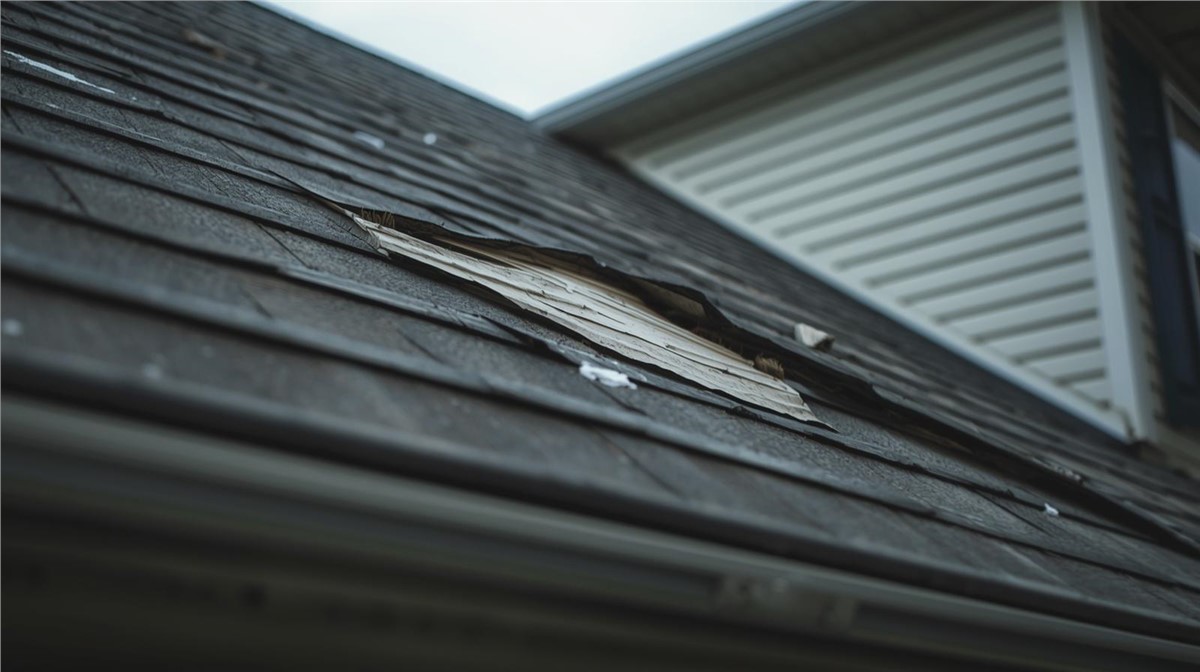
Storm Damage
Monona commercial properties can be affected by hail, wind, heavy rain, snow, and ice. Storm damage may affect roofing, gutters, siding, windows, flashing, fascia, soffit, and trim.
Storm-related roof concerns may include:
- Hail impact marks
- Punctured membrane
- Dented vents
- Loose edge metal
- Lifted materials
- Open seams
- Damaged flashing
- Clogged drains
- Interior leaks
- Dented gutters
After severe weather, a full exterior inspection can help determine whether more than the roof was affected.
Snow, Ice, and Winter Wear
Wisconsin winters can be hard on commercial roofs. Snow load, ice buildup, freeze-thaw cycles, and blocked drains can create roof stress.
Review for:
- Ice around drains
- Snow buildup near roof edges
- Freeze-thaw damage
- Loose flashing
- Roof edge wear
- Interior moisture after thawing
- Gutter ice problems
- Drainage restrictions
Pre-winter and post-winter inspections can help prevent seasonal roof problems.
Safety and Access Concerns
A commercial roof inspection should also review safety and access. Safe access matters for future maintenance, repairs, and emergency service.
Review:
- Roof hatch condition
- Ladder access
- Walkways
- Trip hazards
- Loose materials
- Unsafe edges
- Debris
- Equipment access paths
- Areas with frequent foot traffic
Safety concerns should be addressed before they create risks for maintenance crews or building staff.
Maintenance Records
Good roof records help property owners understand roof history and plan future work.
Keep records of:
- Inspection dates
- Photos
- Repair notes
- Leak locations
- Storm dates
- Warranty documents
- Drain cleaning records
- Contractor recommendations
- Previous repair invoices
Maintenance records can also help property managers budget for future repairs or replacement.
Repair vs Replacement
A commercial roof inspection may show that repair is enough, or it may reveal that replacement should be considered.
Repair may make sense if:
- Damage is isolated
- One seam is open
- One flashing area is leaking
- One drain needs attention
- No widespread wet insulation is found
Replacement may be better if:
- Leaks keep returning
- Wet insulation is widespread
- Ponding water is frequent
- The roof is near the end of its life
- Storm damage affects multiple areas
- Repairs are becoming frequent
A professional inspection helps property owners understand the most practical next step.
How Often Should Commercial Roofs Be Inspected?
Commercial roofs should be inspected regularly and after major weather events. The right schedule depends on roof age, roof type, building use, maintenance history, and storm exposure.
Inspections are especially helpful:
- After hail
- After high winds
- After heavy rain
- Before winter
- After winter
- When leaks appear
- Before major tenant changes
- Before budgeting for repairs
Regular inspection helps reduce surprises and emergency repair needs.
Why a Full Exterior Inspection Helps
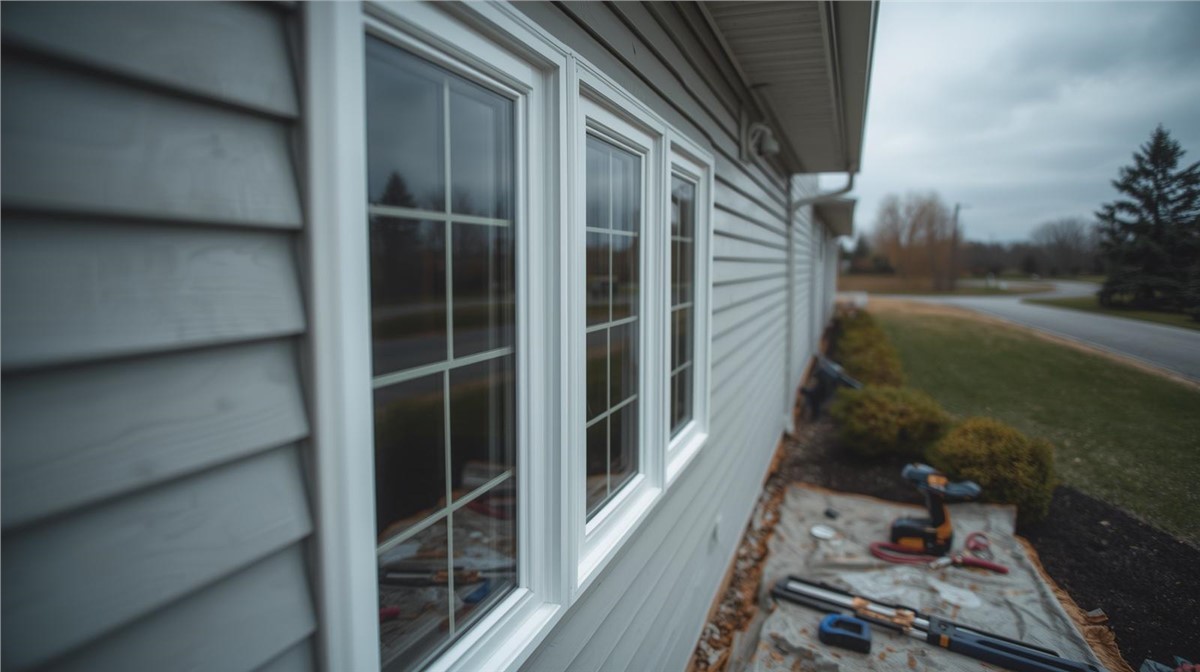
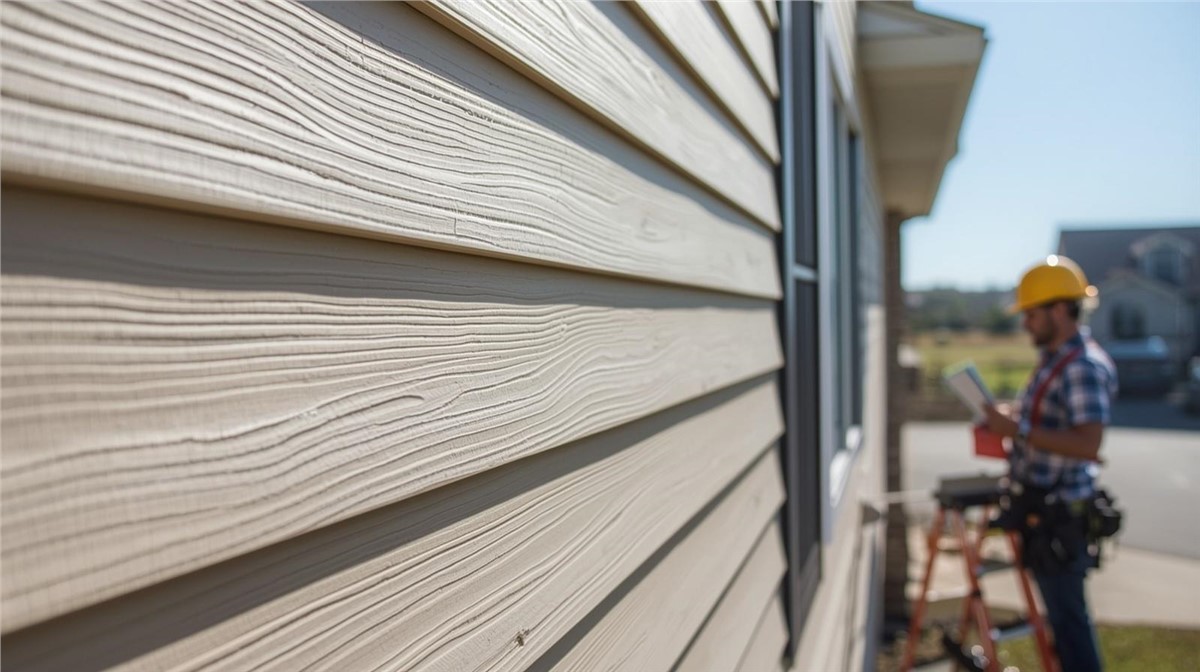
Commercial roof problems are often connected to the rest of the exterior system. Gutters, siding, windows, flashing, fascia, soffit, trim, and drainage all affect how water moves around the building.
A full exterior inspection may include:
- Roofing
- Gutters and downspouts
- Siding or wall panels
- Windows and doors
- Flashing
- Fascia and soffit
- Exterior trim
- Drainage areas
- Interior moisture signs
- Storm damage areas
Huskie Exteriors provides roofing, siding, window, gutter, and storm damage restoration services, helping commercial property owners evaluate the full exterior system.
Why Local Exterior Experience Matters
A local contractor understands how Wisconsin weather affects commercial roofs. In Monona, WI, buildings need roofing systems that can handle hail, wind, heavy rain, snow, ice, humidity, and freeze-thaw cycles.
Local experience helps property owners identify whether commercial roof issues are caused by storm damage, drainage problems, membrane wear, flashing failure, rooftop equipment, aging materials, or hidden moisture.
Conclusion
A commercial roof inspection checklist in Monona, WI should review the roof surface, seams, flashing, drains, gutters, downspouts, roof edges, rooftop equipment, penetrations, interior leak signs, insulation concerns, storm damage, winter wear, safety issues, and maintenance records. Regular inspections help property owners catch problems early and reduce the risk of costly repairs.
If your commercial roof has leaks, ponding water, storm damage, open seams, clogged drains, damaged flashing, or signs of wear, Huskie Exteriors can inspect the property and recommend the right next step.
Contact Huskie Exteriors for professional roofing, siding, window, gutter, and storm damage services in Illinois and Wisconsin.
Subscribe to Huskie Exteriors's Blog



Comments