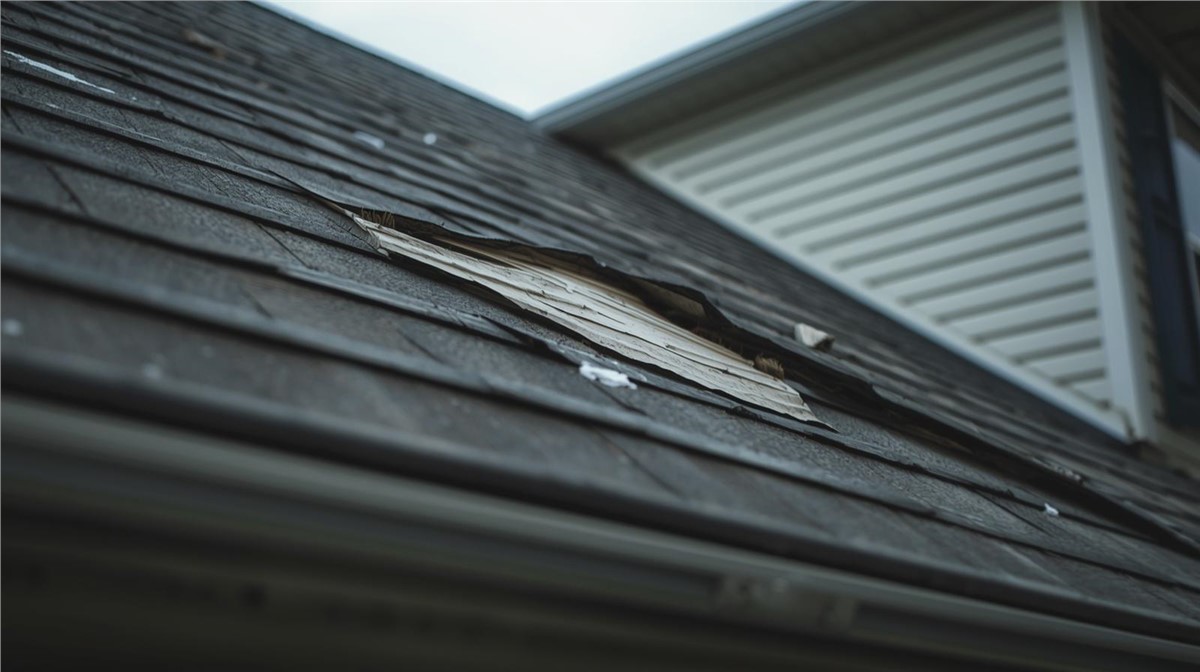
After a severe storm, it can be hard to know what damage is serious and what should be documented. Some problems are obvious, like missing shingles, cracked siding, dented gutters, or water stains. Other damage may be hidden and require a closer inspection.
For homeowners in Whitewater, WI, storm damage can affect roofing, siding, gutters, windows, fascia, soffit, flashing, trim, and interior areas. Hail, wind, heavy rain, snow, ice, and freeze-thaw cycles can all weaken exterior materials.
This guide explains how to document storm damage using photos, notes, and professional inspections so you can stay organized after severe weather.
Why Storm Damage Documentation Matters
Storm damage documentation gives homeowners a clear record of what happened and what changed after the storm. This can be helpful when discussing repairs, working with a contractor, or contacting an insurance provider.
Good documentation can help track:
- Storm date and time
- Visible damage
- Interior leaks
- Exterior changes
- Temporary repairs
- Inspection findings
- Repair recommendations
- Photos before and after repairs
Even if the damage looks minor, documenting it early can help if the problem gets worse later.
Start with Safety First
Before taking photos or checking damage, make sure the property is safe. Do not climb onto the roof, use ladders, or touch loose electrical items or hanging exterior materials.
Watch for:
- Fallen branches
- Broken glass
- Loose siding
- Hanging gutters
- Shingles on the ground
- Water near electrical areas
- Slippery walkways
- Ice near entrances
- Damaged outdoor lights
- Debris around the home
Keep children, pets, and visitors away from damaged areas until they can be inspected.
Take Photos from the Ground
Photos are one of the most useful ways to document storm damage. Take photos from safe ground-level areas only. Avoid climbing the roof or using a ladder after a storm.
Photograph:
- Missing shingles
- Shingles or siding pieces in the yard
- Dented gutters
- Damaged downspouts
- Cracked siding
- Loose siding panels
- Torn window screens
- Broken trim
- Fallen branches
- Interior water stains
- Debris around the property
Take both close-up photos and wider photos to show where the damage is located.
Take Videos When Helpful
Videos can show movement, water flow, active leaks, loose materials, or drainage problems more clearly than photos.
Videos may be useful for:
- Water overflowing from gutters
- Active ceiling leaks
- Loose siding moving in the wind
- Downspouts draining too close to the home
- Water pooling near the foundation
- Debris around the property
- Storm-related damage across multiple areas
Keep videos short and clear. Focus on the damage rather than walking around unsafe areas.
Write Down the Storm Date
Write down when the storm happened. If you do not know the exact time, write down the approximate date and what you remember.
Helpful notes include:
- Date of the storm
- Approximate time
- Type of weather
- Hail size if noticed
- Wind intensity if noticeable
- Heavy rain duration
- Whether power was affected
- When damage was first noticed
These notes can help connect visible damage with the storm event.
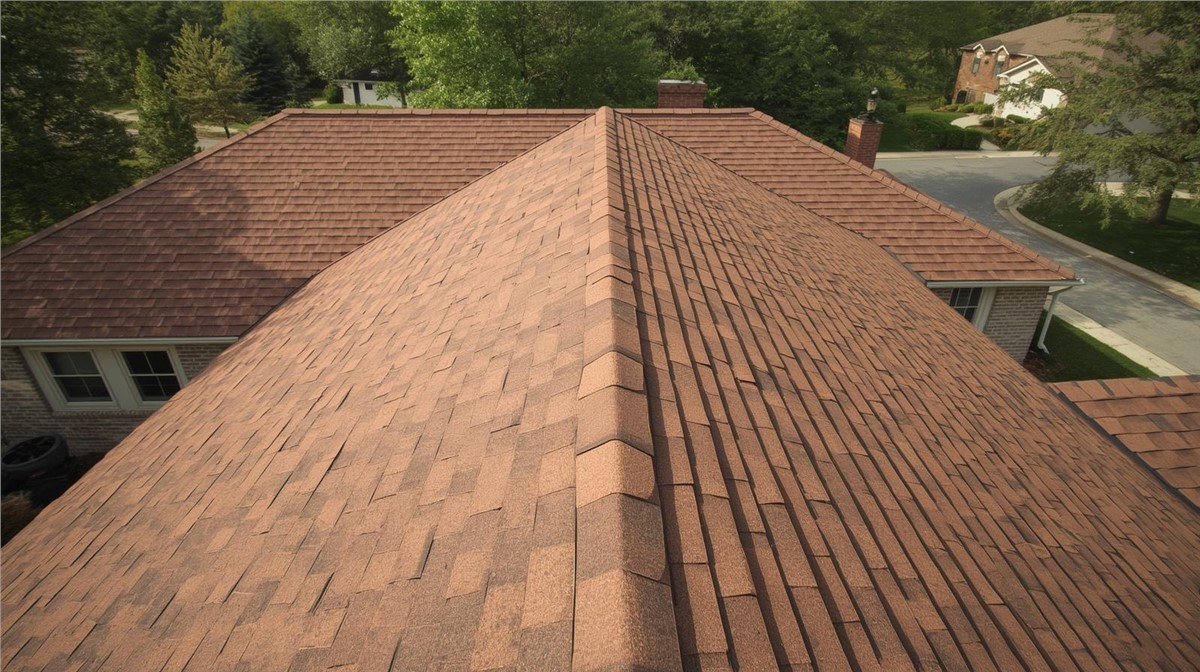
Document Roof Damage
Roof damage is one of the most important areas to document after a storm. Many roof problems are not fully visible from the ground, but homeowners can still record obvious warning signs.
Look for:
- Missing shingles
- Lifted shingles
- Shingles in the yard
- Damaged ridge caps
- Granules near downspouts
- Dented roof vents
- Damaged flashing
- Debris on roof edges
- Water stains indoors
If you suspect roof damage, schedule a professional inspection instead of climbing onto the roof.
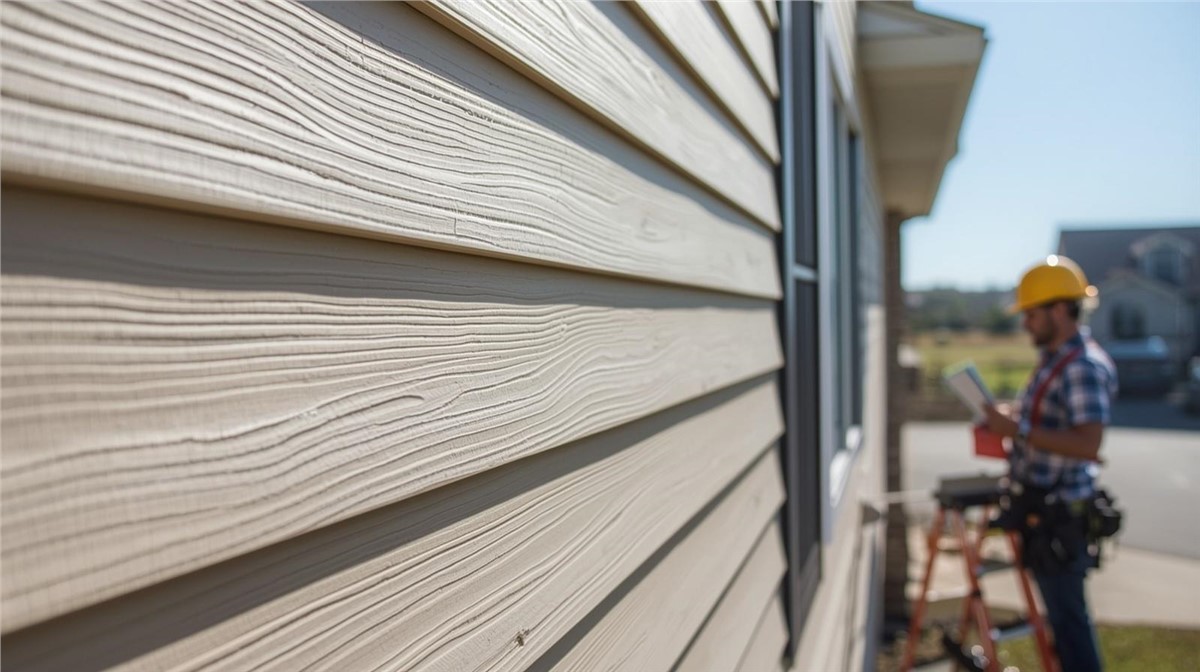
Document Siding Damage
Siding can be damaged by hail, wind, debris, and wind-driven rain. Small cracks or loose panels can allow moisture behind the wall system.
Document:
- Cracked siding
- Holes or punctures
- Loose panels
- Missing siding sections
- Broken corner pieces
- Dented trim
- Warped siding
- Water stains below windows
- Siding pieces in the yard
Take photos from different angles because cracks and dents may be easier to see in certain lighting.
Document Gutter and Downspout Damage
Gutters often show storm damage clearly. Hail may dent gutters and downspouts, while wind may loosen or pull them away from the home.
Check for:
- Dented gutters
- Dented downspouts
- Loose fasteners
- Sagging sections
- Leaking seams
- Overflow during rain
- Short downspouts
- Water pooling near the foundation
- Damaged gutter guards
If gutters are damaged, roofing, siding, fascia, soffit, and windows should also be checked.
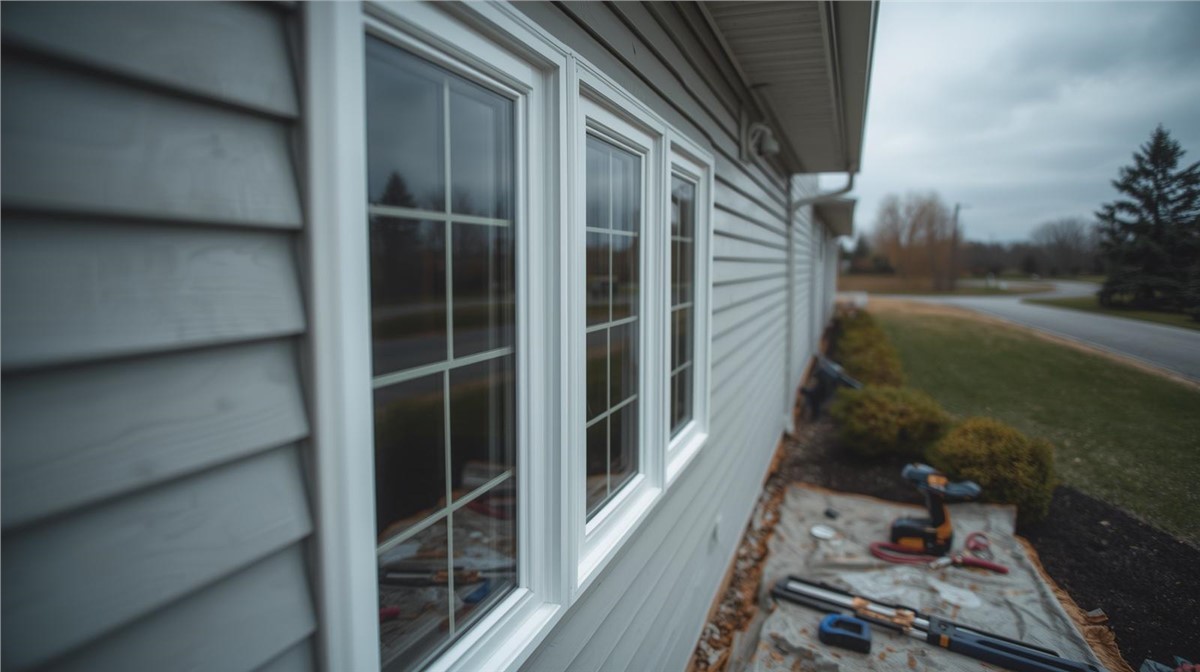
Document Window and Screen Damage
Windows, screens, trim, and frames can also show signs of storm damage. Hail, debris, and wind-driven rain can affect both appearance and performance.
Document:
- Torn screens
- Cracked glass
- Dented trim
- Damaged frames
- Water stains below windows
- Failed caulking
- Loose exterior trim
- Drafts after the storm
- Debris impact marks
A window leak may involve siding, flashing, gutters, or trim, not just the window itself.
Document Interior Water Signs
Storm damage may show up indoors even when exterior damage is hard to see. Water can travel through roofing, attic areas, siding, or wall cavities before appearing inside.
Interior warning signs include:
- Ceiling stains
- Active dripping
- Damp attic insulation
- Bubbling paint
- Peeling drywall
- Water around windows
- Musty odors
- Wet flooring
- Moisture near exterior walls
Take photos of interior damage and write down when you first noticed it.
Keep Receipts for Temporary Repairs
Temporary repairs may be needed if water is actively entering the home or if an area needs short-term protection. Keep records of any temporary work.
Temporary repair documentation may include:
- Tarping receipts
- Leak protection receipts
- Cleanup receipts
- Emergency repair notes
- Photos before and after temporary work
- Dates of temporary repairs
- Contractor information
Temporary repairs should focus on protecting the home and reducing further damage.
Do Not Throw Away Damaged Materials Too Soon
If shingles, siding pieces, gutter parts, or trim pieces fall into the yard, avoid throwing them away immediately unless they create a safety issue.
If safe, document them by taking photos. You may also place damaged materials in a safe area away from children, pets, vehicles, and walkways.
These items may help show what type of materials were affected during the storm.
Schedule a Professional Storm Damage Inspection
Photos and notes are helpful, but they do not replace a professional inspection. Some storm damage is difficult to see from the ground.
A professional inspection may include:
- Roofing
- Shingles and ridge caps
- Flashing
- Roof vents
- Gutters and downspouts
- Siding
- Windows and screens
- Fascia and soffit
- Exterior trim
- Attic moisture signs
- Interior water stains
Huskie Exteriors provides roofing, siding, window, gutter, and storm damage restoration services, helping homeowners evaluate the full exterior system after severe weather.
What Inspectors Look For
A storm damage inspection checks more than the most obvious problem. Severe weather can affect multiple areas at the same time.
Inspectors may look for:
- Hail impact marks
- Wind-lifted shingles
- Missing shingles
- Granule loss
- Cracked siding
- Loose wall panels
- Dented gutters
- Damaged flashing
- Torn screens
- Soft decking
- Moisture intrusion
- Drainage problems
The goal is to understand the full scope of damage before repairs begin.
Organize Your Documentation
Keeping all storm damage documents in one place makes the process easier.
Organize:
- Photos
- Videos
- Notes
- Storm date details
- Inspection findings
- Contractor estimates
- Insurance claim information if applicable
- Temporary repair receipts
- Final repair records
- Warranty documents
A simple folder on your phone, computer, or cloud storage can help keep everything easy to find.
Common Documentation Mistakes to Avoid
After a storm, homeowners may feel rushed. Avoiding a few common mistakes can help keep the process smoother.
Avoid:
- Climbing onto the roof
- Waiting too long to take photos
- Ignoring small leaks
- Taking only close-up photos
- Forgetting wide-angle photos
- Throwing away damaged materials too soon
- Failing to write down the storm date
- Skipping gutters, siding, and windows
- Starting major repairs without documentation
- Forgetting to save receipts
Good documentation does not need to be complicated, but it should be clear and organized.
Storm Damage and Insurance Documentation
If storm damage may involve an insurance claim, contact your insurance provider to understand your policy, coverage, deductible, deadlines, and claim requirements.
Insurance-related documentation may include:
- Photos and videos
- Storm date notes
- Inspection findings
- Temporary repair receipts
- Contractor estimate
- Interior leak photos
- Adjuster appointment notes
- Claim documents
Every insurance policy is different, so homeowners should rely on their provider for specific claim instructions.
Why a Full Exterior Inspection Helps
Storm damage can affect the full exterior system. Hail that dents gutters may also damage shingles, siding, windows, screens, and trim. Wind that lifts shingles may also loosen siding or flashing.
A full exterior inspection may include:
- Roofing
- Gutters and downspouts
- Siding
- Windows and screens
- Flashing
- Fascia and soffit
- Exterior trim
- Attic moisture signs
- Interior leak areas
A complete inspection helps homeowners avoid missing hidden damage that could cause future problems.
Why Local Exterior Experience Matters
A local contractor understands how Wisconsin weather affects homes. In Whitewater, WI, storms may bring hail, wind, heavy rain, snow, ice, humidity, and freeze-thaw cycles that can worsen small exterior issues over time.
Local experience helps homeowners identify whether damage is storm-related, moisture-related, drainage-related, or connected to aging roofing, siding, gutters, or windows.
Conclusion
Storm damage documentation in Whitewater, WI should include photos, videos, written notes, storm dates, visible exterior damage, interior leak signs, temporary repair records, and professional inspection findings. Clear documentation helps homeowners stay organized and understand what repairs may be needed after severe weather.
If your home has missing shingles, cracked siding, dented gutters, torn screens, leaks, or possible storm damage, Huskie Exteriors can inspect the full exterior and recommend the right next step.
Contact Huskie Exteriors for professional roofing, siding, window, gutter, and storm damage services in Illinois and Wisconsin.
Subscribe to Huskie Exteriors's Blog






Comments