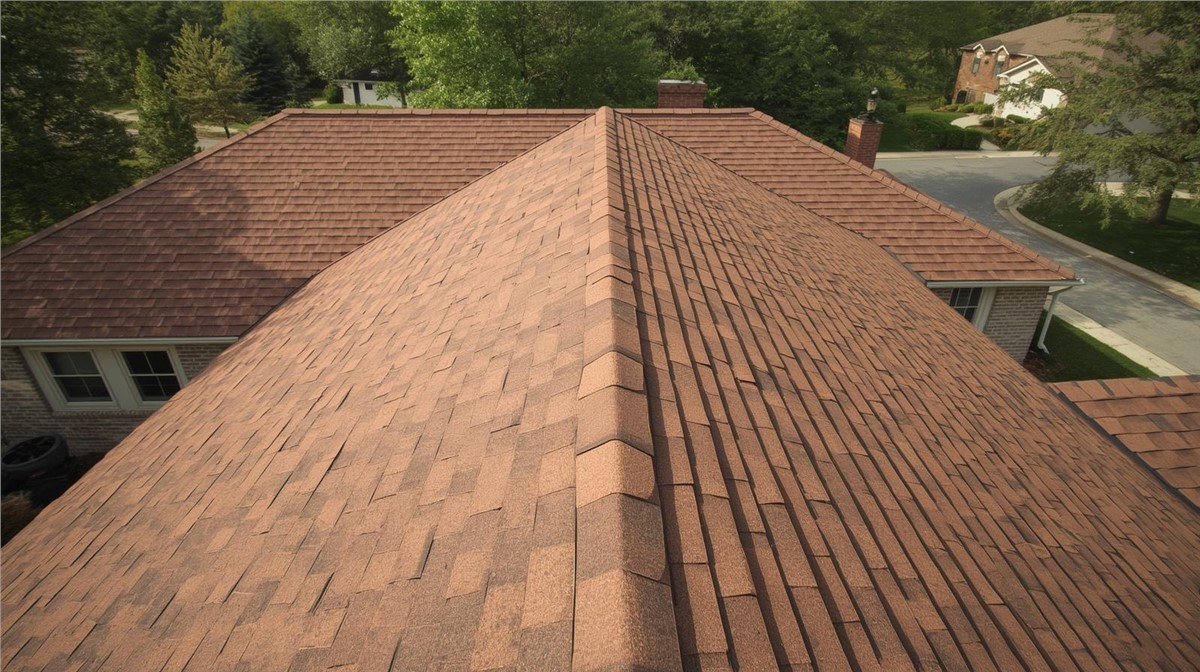
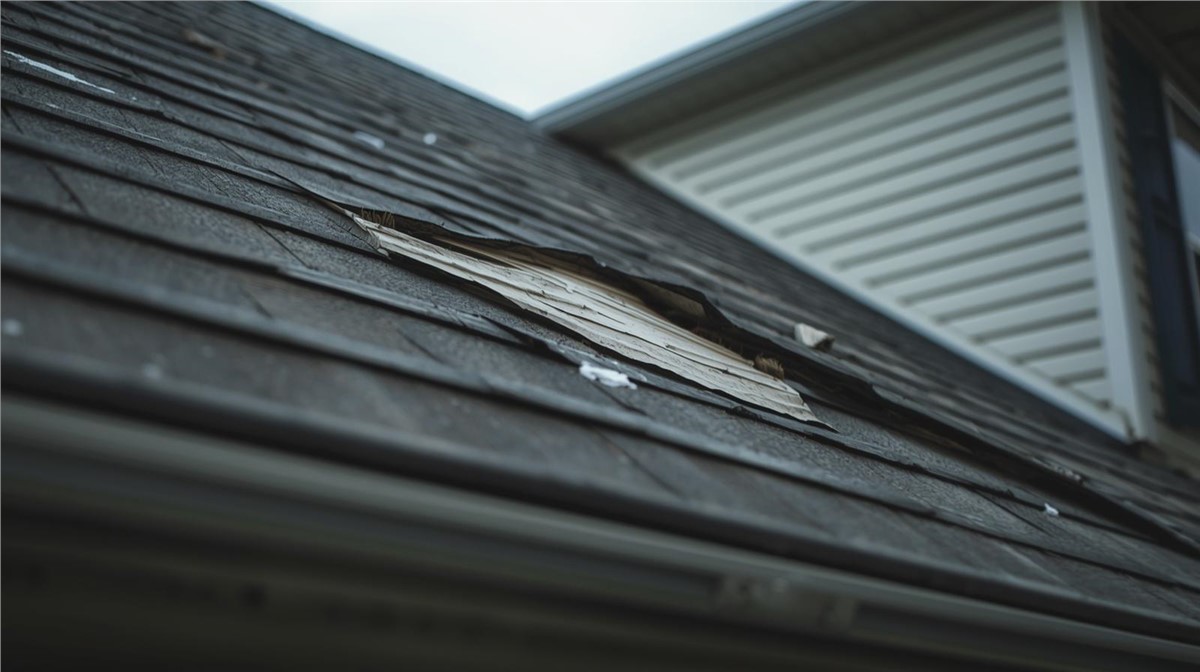
A roof replacement is a major home improvement project. When a roof is aging, leaking, storm-damaged, or no longer protecting the home properly, waiting too long can lead to bigger problems. At the same time, homeowners may need time to plan the budget.
For homeowners in McFarland, WI, financing may be worth considering when roof replacement is needed but paying the full amount upfront is not ideal. Wisconsin weather can bring hail, wind, heavy rain, snow, ice, and freeze-thaw cycles, so a roof in poor condition should not be ignored.
This guide explains important roof replacement financing questions homeowners should ask before moving forward.
Why Financing Questions Matter
Financing can make a roof replacement easier to plan, but homeowners should understand the details before agreeing to any payment option.
Good questions help clarify:
- Total project cost
- Monthly payment expectations
- Interest and fees
- Loan term length
- Payment schedule
- Approval process
- Early payoff rules
- Warranty coverage
- Insurance claim involvement
- What happens if hidden damage is found
The goal is to understand the full financial picture, not just the monthly payment.
Question 1: What Is the Full Roof Replacement Cost?
Before discussing financing, homeowners should understand the full project estimate. A roofing estimate should explain what is included and what may affect the final price.
The estimate may include:
- Roofing material
- Tear-off
- Underlayment
- Ice and water protection
- Flashing
- Ridge caps
- Drip edge
- Ventilation
- Decking repair terms
- Cleanup and disposal
- Warranty details
Financing should be based on a clear scope of work, not a vague number.
Question 2: What Monthly Payment Can I Expect?
Monthly payment is usually one of the first things homeowners want to know. However, the payment depends on the financed amount, loan term, interest rate, and financing structure.
Ask:
- What is the estimated monthly payment?
- Is the payment fixed or variable?
- How long does the payment last?
- Does the payment include fees?
- When does the first payment begin?
A lower monthly payment may be helpful, but homeowners should also understand the total amount paid over time.
Question 3: What Is the Interest Rate?
Interest affects the total cost of financing. Even if the monthly payment seems manageable, the interest rate can change how much the project costs over the life of the loan.
Ask:
- What is the interest rate?
- Is the rate fixed?
- Can the rate change?
- Is there a promotional period?
- What happens after the promotional period ends?
- Is interest deferred or charged immediately?
Understanding interest terms helps homeowners avoid surprises later.
Question 4: Are There Any Fees?
Some financing options may include fees. These should be explained clearly before homeowners agree to anything.
Ask about:
- Application fees
- Origination fees
- Processing fees
- Late payment fees
- Early payoff fees
- Promotional financing fees
- Administrative charges
Fees can affect the total cost, so they should be reviewed carefully.
Question 5: How Long Is the Financing Term?
The loan term is the length of time homeowners have to repay the financed amount. Shorter terms may have higher monthly payments but lower total interest. Longer terms may reduce the monthly payment but increase total cost over time.
Ask:
- How many months or years is the term?
- Can I choose a shorter or longer term?
- Does the term affect the interest rate?
- What is the total cost over the full term?
- Can I pay it off early?
The best option depends on budget, goals, and comfort level.
Question 6: Is There a Same-as-Cash or Promotional Option?
Some financing programs may offer promotional payment options. These can be helpful, but homeowners should read the terms carefully.
Ask:
- How long does the promotion last?
- What payment is required during the promotion?
- What happens if the balance is not paid in time?
- Does interest accrue during the promotional period?
- Are there minimum monthly payments?
- Are there fees connected to the promotion?
Promotional financing can be useful when the terms are clearly understood.
Question 7: Can I Pay the Loan Off Early?
Some homeowners prefer financing for flexibility but want the option to pay off the balance early.
Ask:
- Is early payoff allowed?
- Is there a prepayment penalty?
- How is interest calculated if I pay early?
- Can I make extra payments?
- Can I pay online or by automatic payment?
Early payoff flexibility can be important for homeowners who expect future income, savings, or insurance funds.
Question 8: Does Financing Affect the Roofing Warranty?
Financing should not reduce the quality of the roofing work or the warranty coverage. Homeowners should understand what warranties apply before signing.
Ask about:
- Manufacturer warranty
- Workmanship warranty
- Material coverage
- Ventilation requirements
- Maintenance requirements
- Warranty registration
- What may void coverage
A roof replacement should be planned for long-term protection, not just immediate affordability.
Question 9: What Happens If Hidden Damage Is Found?
Some roof problems are not visible until the old roof is removed. Hidden damage can affect the final project cost.
Hidden issues may include:
- Soft decking
- Rotted wood
- Wet insulation
- Poor ventilation
- Damaged flashing
- Old leak damage
- Ice-related roof edge damage
Ask how hidden repairs are handled. Homeowners should understand whether additional repairs can be added to the financing amount or billed separately.
Question 10: How Does Insurance Affect Financing?
If roof replacement is related to storm damage, insurance may be involved. Every insurance policy and claim is different, so homeowners should rely on their insurance provider for coverage details.
Ask:
- Is this an insurance-related project?
- What is my deductible?
- What does insurance approve?
- What is paid by the homeowner?
- When are insurance payments released?
- Can financing help cover out-of-pocket costs?
- What documentation is needed?
Financing and insurance should be reviewed carefully so homeowners understand their payment responsibility.
Question 11: When Are Payments Due?
Payment timing should be clear before the project begins.
Ask:
- Is a deposit required?
- When does financing activate?
- When is the first payment due?
- Is payment due before or after installation?
- Are progress payments required?
- How are change orders handled?
Clear payment timing helps homeowners plan the budget and avoid confusion during the project.
Question 12: What Roofing Materials Are Included?
Financing should be tied to a specific roofing system and material package. Homeowners should know what they are paying for.
Ask whether the estimate includes:
- Asphalt shingles
- Architectural shingles
- Starter shingles
- Ridge caps
- Underlayment
- Ice and water protection
- Flashing
- Drip edge
- Ventilation components
- Fasteners
The material package can affect both project cost and long-term performance.
Question 13: Is Ventilation Included in the Estimate?
Roof ventilation affects roof performance, attic moisture, comfort, and winter ice concerns. Poor ventilation can shorten the life of a roof and contribute to moisture problems.
Ask if the estimate includes:
- Intake ventilation review
- Exhaust ventilation review
- Attic moisture inspection
- Vent upgrades if needed
- Existing vent condition
- Ice dam risk concerns
Ventilation should be considered as part of the full roofing system.
Question 14: Are Gutters, Fascia, or Soffit Included?
Roof replacement may reveal issues with gutters, fascia, soffit, and roof edges. These areas help manage water and airflow.
Ask whether the estimate includes inspection of:
- Gutters
- Downspouts
- Fascia
- Soffit
- Drip edge
- Roof edges
- Gutter attachment points
If gutters are failing or fascia is damaged, those repairs may need to be planned along with the roof project.
Question 15: What Happens If I Delay Roof Replacement?
Financing is often considered when homeowners are deciding whether to move forward now or wait. Delaying a needed roof replacement can sometimes increase future repair costs.
Waiting too long may lead to:
- Larger leaks
- Decking damage
- Attic moisture
- Insulation damage
- Interior ceiling stains
- Mold or mildew concerns
- Fascia or soffit damage
- Gutter and siding problems
If the roof is actively leaking or severely damaged, postponing replacement may create more expensive problems later.
Signs Financing May Be Worth Considering
Financing may be helpful when the roof needs attention but paying fully upfront is difficult.
It may be worth discussing financing if:
- The roof is leaking
- Storm damage is present
- Shingles are failing throughout
- Repairs are becoming frequent
- The roof is near the end of its lifespan
- Interior water damage is starting
- The project is needed before winter
- Insurance does not cover the full cost
Homeowners should review financing terms carefully and choose an option that fits their budget.
Questions to Ask the Contractor
Before moving forward, homeowners should ask the contractor clear questions about the project and payment process.
Helpful questions include:
- What roof problems did you find?
- Do I need repair or replacement?
- What is included in the estimate?
- What materials are being installed?
- Are ventilation and flashing included?
- What warranties apply?
- What financing options are available?
- What could change the final cost?
- How long will the project take?
- What cleanup is included?
A good contractor should explain the project in a way that is easy to understand.
Questions to Ask the Financing Provider
Homeowners should also review financing details directly.
Important questions include:
- What is the interest rate?
- What is the loan term?
- What is the monthly payment?
- Are there fees?
- Is early payoff allowed?
- Is there a promotional period?
- What happens if I miss a payment?
- When does the first payment begin?
- What is the total repayment amount?
Read the agreement carefully before signing.
Why a Full Exterior Inspection Helps
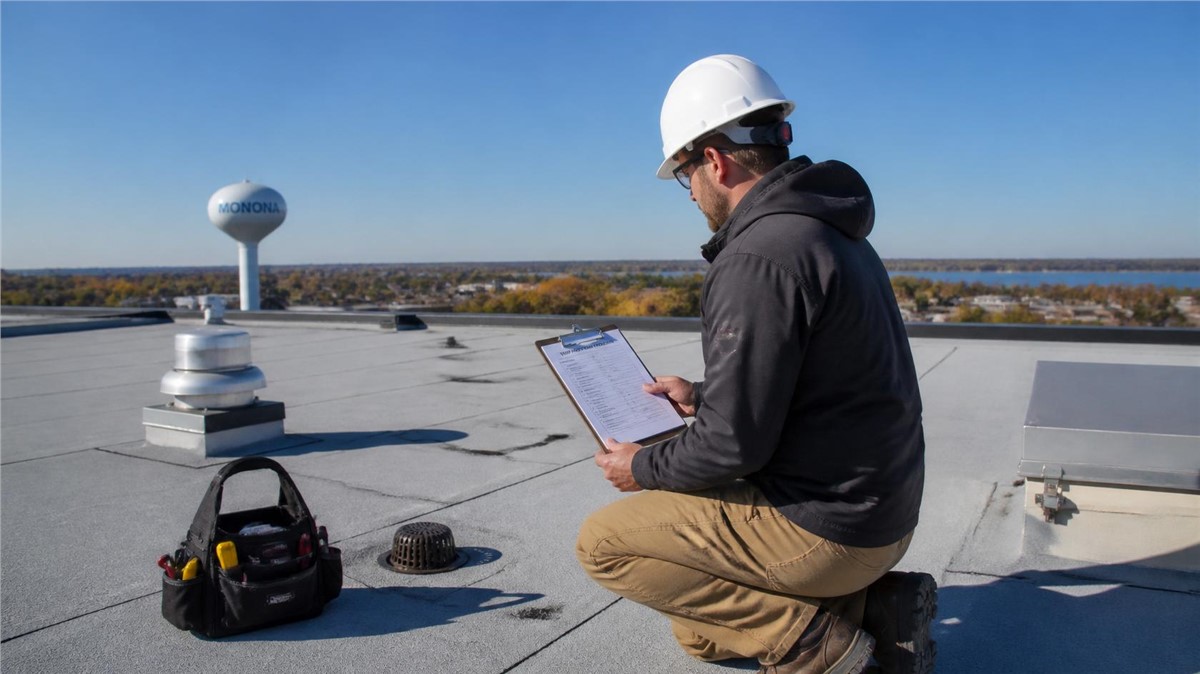
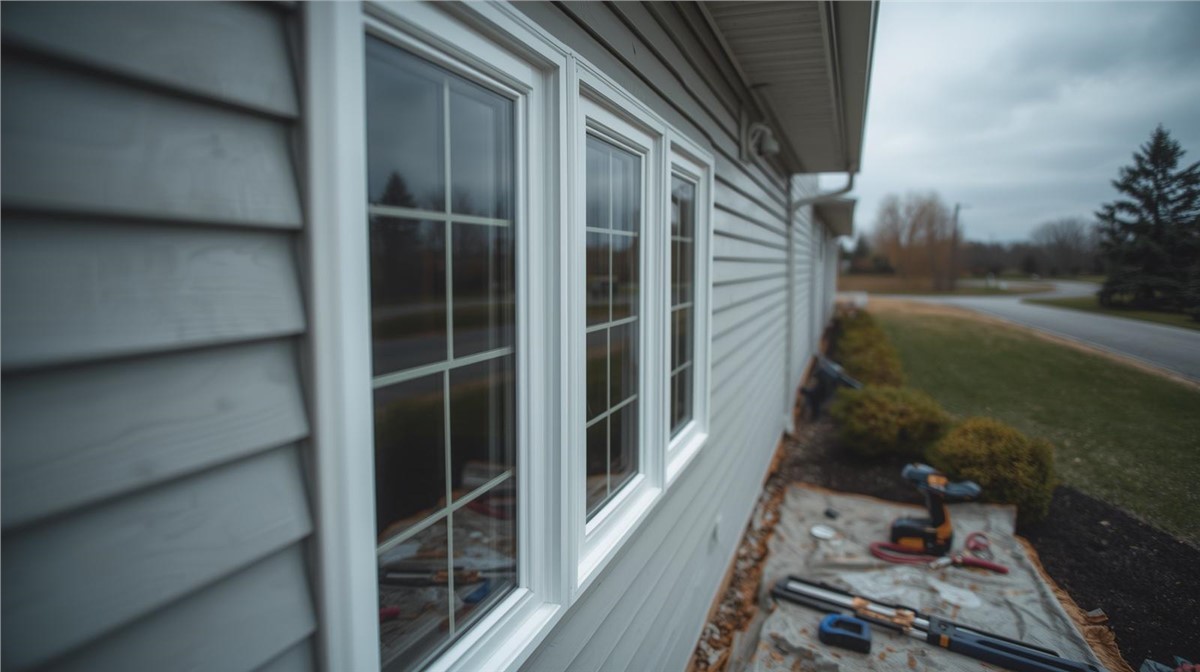
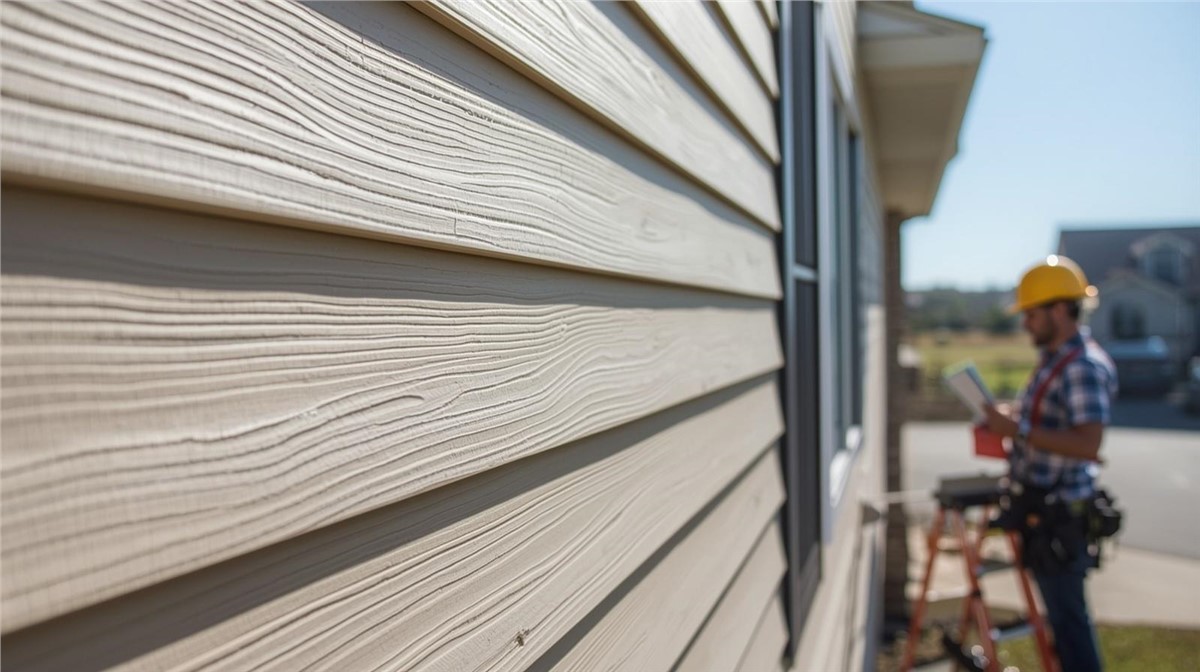
Roof replacement planning should include the full exterior system. Roofing, siding, gutters, windows, flashing, fascia, soffit, trim, and drainage all affect how the home handles water and weather.
A full exterior inspection may include:
- Roofing
- Gutters and downspouts
- Siding
- Windows and trim
- Flashing
- Fascia and soffit
- Attic moisture signs
- Storm damage areas
Huskie Exteriors provides roofing, siding, window, gutter, and storm damage restoration services, helping homeowners evaluate the full exterior system.
Why Local Exterior Experience Matters
A local contractor understands how Wisconsin weather affects roof replacement planning. In McFarland, WI, homes need roofs that can handle hail, wind, heavy rain, snow, ice, humidity, heat, and freeze-thaw cycles.
Local experience helps homeowners understand whether roof replacement is needed because of storm damage, aging shingles, leaks, poor ventilation, gutter problems, flashing failure, or hidden moisture concerns.
Conclusion
Roof replacement financing questions homeowners in McFarland, WI should ask include total project cost, monthly payment, interest rate, loan term, fees, early payoff rules, warranty coverage, hidden damage, insurance involvement, and payment timing. Asking these questions helps homeowners understand the full project before making a decision.
If your roof is aging, leaking, storm-damaged, missing shingles, or requiring frequent repairs, Huskie Exteriors can inspect your home and recommend the right next step.
Contact Huskie Exteriors for professional roofing, siding, window, gutter, and storm damage services in Illinois and Wisconsin.
Subscribe to Huskie Exteriors's Blog





Comments