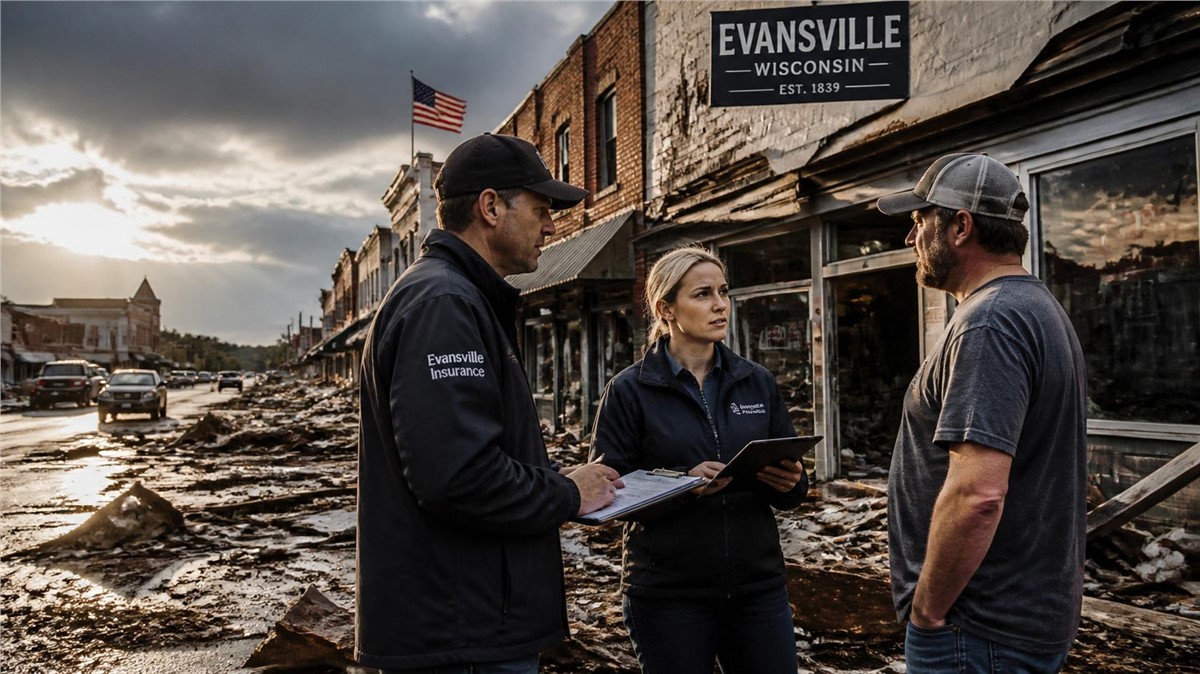
Storm damage can create major concerns for commercial property owners. A damaged roof, leaking wall system, broken window, loose siding panel, or failing gutter can affect tenants, employees, customers, inventory, equipment, and daily operations.
For commercial buildings in Evansville, WI, severe weather may include hail, high wind, heavy rain, snow, ice, and freeze-thaw cycles. These conditions can damage multiple exterior systems at the same time, especially roofing, siding, gutters, windows, flashing, trim, fascia, and soffit.
This guide explains what commercial property owners should know about storm damage insurance claims and how to stay organized during the process.
Why Commercial Storm Claims Can Be More Complex
Commercial storm damage claims are often more detailed than residential claims because commercial buildings may have larger roofs, more drainage systems, tenant areas, parking lots, customer entrances, rooftop equipment, and multiple exterior materials.
A commercial claim may involve:
- Flat or low-slope roofing
- Metal roofing
- Asphalt shingle sections
- Siding or wall panels
- Commercial gutters and downspouts
- Windows and doors
- Roof drains or scuppers
- Rooftop HVAC units
- Interior ceiling stains
- Tenant or customer access concerns
- Business interruption concerns
Because several systems may be affected, a full exterior inspection is important.
Step 1: Start with Safety
After a storm, safety should come first. Do not allow employees, tenants, customers, or visitors near damaged areas.
Watch for:
- Loose siding or wall panels
- Hanging gutters
- Broken glass
- Fallen branches
- Water near electrical areas
- Interior ceiling leaks
- Slippery walkways
- Ice near entrances
- Debris in parking lots
- Damaged roof edges
If there is active leaking, electrical risk, structural concern, or falling debris, keep the area blocked off until it can be inspected.
Step 2: Check for Active Leaks
Commercial roof leaks can affect offices, retail spaces, storage areas, equipment, inventory, ceilings, insulation, flooring, and tenant spaces. Even a small leak should be taken seriously.
Look for:
- Ceiling stains
- Active dripping
- Wet ceiling tiles
- Damp insulation
- Musty odors
- Water near walls
- Stains around windows
- Water near rooftop equipment locations
- Interior puddling
- Bubbling paint or drywall
Document where the water appears inside the building. The visible leak location may not be directly below the exterior damage because water can travel through roof and wall systems.
Step 3: Document Visible Damage
Documentation can help property owners stay organized during the insurance claim process. Take photos and notes from safe areas only.
Document:
- Storm date and time if known
- Roof leaks
- Ceiling stains
- Damaged siding or wall panels
- Dented gutters
- Loose downspouts
- Broken windows
- Damaged doors
- Roof debris
- Dented roof vents
- Damaged flashing
- Water pooling near the building
- Debris in parking areas
Keep photos, videos, notes, emails, receipts, and inspection documents in one place.
Step 4: Schedule a Professional Exterior Inspection
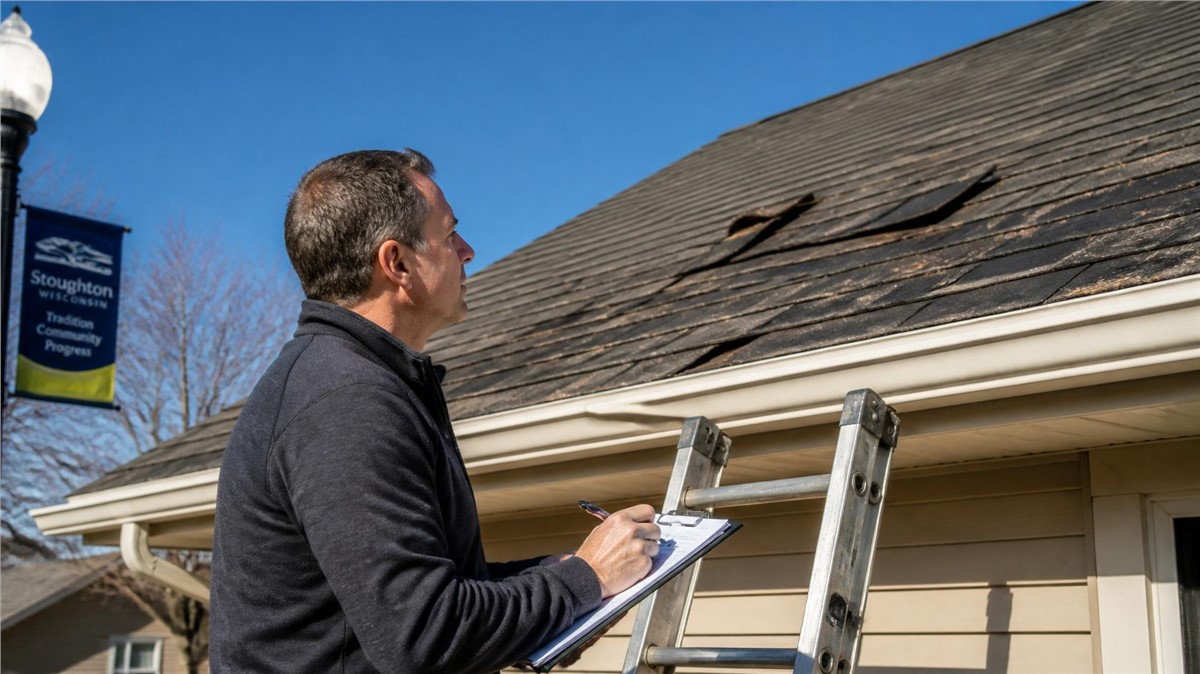
A professional inspection helps identify damage that may not be visible from the ground. Hail and wind damage can be subtle, especially on commercial roofing systems.
A commercial storm damage inspection may include:
- Roofing surface
- Roof seams
- Flashing
- Roof edges
- Drains and scuppers
- Gutters and downspouts
- Siding or wall panels
- Windows and doors
- Fascia and soffit
- Interior water stains
- Rooftop equipment areas
Huskie Exteriors provides roofing, siding, window, gutter, and storm damage restoration services, helping commercial property owners evaluate the full exterior system after severe weather.
Step 5: Contact Your Insurance Provider
After documenting damage and scheduling an inspection, contact your insurance provider to start the claim process. Your insurance company can explain policy details, claim deadlines, deductible information, required documentation, and next steps.
Be prepared to provide:
- Policy information
- Property address
- Storm date
- Photos or videos
- Description of damage
- Leak locations
- Inspection findings
- Temporary repair information
- Best contact information
Every policy is different, so property owners should rely on their insurance provider for coverage details.
Step 6: Protect the Property from Further Damage
If the building has active leaks or exposed areas, temporary protection may be needed. This may include tarping, temporary sealing, cleanup, or blocking off unsafe areas.
Temporary protection may help reduce additional damage to:
- Inventory
- Equipment
- Flooring
- Ceiling materials
- Insulation
- Tenant spaces
- Office areas
- Electrical systems
- Walkways and entrances
Keep receipts and documentation for any temporary work completed.
Step 7: Prepare for the Adjuster Visit
Your insurance company may send an adjuster to inspect the property. The adjuster reviews damage and helps the insurance company determine the claim scope.
Before the visit, gather:
- Photos and videos
- Inspection findings
- Storm date notes
- Leak locations
- Interior damage details
- Temporary repair receipts
- Building access information
- Tenant or operational concerns
- Areas that need special access
If damage affects the roof, siding, gutters, windows, or trim, make sure those areas are available for review.
Step 8: Review the Claim Scope Carefully
After the adjuster inspection, the insurance company may provide claim documents explaining approved work, deductible details, payment structure, and next steps.
Review the claim scope carefully. Look for details about:
- Roofing repairs or replacement
- Siding or wall panel damage
- Gutters and downspouts
- Windows and doors
- Flashing and roof edges
- Interior water damage
- Cleanup and disposal
- Material details
- Deductible information
- Claim payment timeline
If anything is unclear, ask your insurance provider for clarification.
Step 9: Compare the Insurance Scope with Contractor Findings
Commercial storm damage can be complex, so it is helpful to compare the insurance claim scope with professional inspection findings.
Important areas to compare include:
- Roof surface damage
- Wet insulation concerns
- Flashing details
- Drainage problems
- Rooftop equipment areas
- Wall panel or siding damage
- Gutter damage
- Interior leak areas
- Safety concerns
- Cleanup needs
The goal is to make sure the repair plan reflects the building’s actual storm damage and exterior needs.
Step 10: Plan Repairs Around Business Operations
Commercial repairs should be planned with the building’s use in mind. Storm restoration may affect tenants, customers, employees, deliveries, parking, entrances, and daily operations.
Planning may include:
- Work hours
- Tenant communication
- Entrance protection
- Parking adjustments
- Material staging
- Delivery access
- Safety barriers
- Noise expectations
- Interior protection
- Cleanup schedule
A clear plan helps reduce disruption and keeps the project organized.
Common Commercial Storm Damage
Storm damage can affect many areas of a commercial building. Some damage is obvious, while other damage may require a closer inspection.
Common storm-related issues include:
- Roof punctures
- Open roof seams
- Lifted roof edges
- Hail impact marks
- Dented gutters
- Damaged downspouts
- Cracked siding
- Loose wall panels
- Broken windows
- Damaged flashing
- Interior water stains
- Ponding water after heavy rain
If one exterior system is damaged, the rest of the building envelope should also be reviewed.
Hail Damage on Commercial Buildings
Hail can damage roofing, gutters, siding, windows, trim, rooftop units, vents, and metal surfaces. The damage may not always cause an immediate leak, but it can weaken materials over time.
Signs of hail damage may include:
- Dents in gutters and downspouts
- Dented vents
- Cracked siding
- Punctured roofing membrane
- Damaged roof coatings
- Impact marks on shingles
- Torn screens
- Chipped trim
- Damaged rooftop equipment panels
Because hail damage can be difficult to identify, professional inspection is important.
Wind Damage on Commercial Buildings
Strong wind can lift roof edges, loosen siding, pull gutters away, damage flashing, and drive rain into small openings.
Signs of wind damage may include:
- Loose roof membrane
- Lifted shingles
- Damaged edge metal
- Open seams
- Loose flashing
- Missing siding panels
- Loose wall panels
- Hanging gutters
- Water intrusion after wind-driven rain
Even if materials settle back into place, the seal or attachment may be weakened.
Drainage Problems After Storms
Storms can expose or worsen drainage problems. Commercial buildings with flat or low-slope roofs need proper drainage to prevent ponding water and roof stress.
Drainage issues may include:
- Clogged roof drains
- Blocked scuppers
- Ponding water
- Overflowing gutters
- Water crossing walkways
- Ice forming near entrances
- Downspouts draining toward the building
- Soil erosion near foundations
Drainage should be reviewed during the storm damage inspection and repair planning process.
Repair vs Replacement
Not every storm claim requires full replacement. The right solution depends on damage severity, material condition, building age, and the insurance review.
Repair may make sense if:
- Damage is isolated
- One roof area is leaking
- A few siding panels are damaged
- One gutter section is loose
- Window or trim damage is minor
- No widespread moisture damage is found
Replacement may be better if:
- Roof damage is widespread
- Leaks keep returning
- Wet insulation is present
- Storm damage affects multiple systems
- Siding or wall panels are failing
- Gutters are damaged throughout
- Repairs would not restore performance
A professional inspection can help determine the proper scope.
Mistakes Commercial Owners Should Avoid
During a storm damage insurance claim, avoid common mistakes that can create confusion or delays.
Common mistakes include:
- Waiting too long to inspect damage
- Ignoring small leaks
- Throwing away damaged materials too soon
- Skipping photos
- Not documenting temporary repairs
- Overlooking gutters, siding, and windows
- Starting major repairs before understanding the claim process
- Not reviewing policy details
- Choosing repair work based on price alone
- Failing to plan around building operations
Staying organized helps make the process easier to manage.
What Should Be Included in a Commercial Storm Repair Estimate?
A commercial storm repair estimate should be detailed and easy to understand.
It may include:
- Inspection findings
- Repair or replacement recommendations
- Roofing details
- Siding or wall panel details
- Gutter and downspout details
- Window and door details
- Flashing and trim needs
- Drainage concerns
- Safety planning
- Cleanup and disposal
- Timeline expectations
- Warranty information
- Cost factors
A detailed estimate helps property owners compare the full scope, not just the total price.
Why a Full Exterior Inspection Helps
Storm damage often affects several parts of a commercial building at once. Roofing, siding, gutters, windows, flashing, fascia, soffit, trim, and drainage all work together to protect the property.
A full exterior inspection may include:
- Roofing
- Gutters and downspouts
- Siding or wall panels
- Windows and doors
- Fascia and soffit
- Flashing
- Exterior trim
- Drainage areas
- Interior moisture signs
- Storm damage areas
This helps property owners identify visible and hidden issues before repairs begin.
Why Local Exterior Experience Matters
A local contractor understands how Wisconsin weather affects commercial buildings. In Evansville, WI, properties need to handle hail, wind, heavy rain, snow, ice, humidity, and freeze-thaw cycles.
Local experience helps owners understand whether storm damage is connected to roofing, siding, gutters, windows, flashing, drainage, moisture intrusion, or aging materials.
Conclusion
Commercial storm damage insurance claims in Evansville, WI require careful documentation, inspection, communication, and repair planning. Property owners should prioritize safety, document visible damage, schedule a professional inspection, contact their insurance provider, review the claim scope, and plan repairs around business operations.
If your commercial property has roof leaks, hail damage, wind damage, damaged siding, failing gutters, broken windows, or possible storm-related issues, Huskie Exteriors can inspect the building and recommend the right next step.
Contact Huskie Exteriors for professional roofing, siding, window, gutter, and storm damage services in Illinois and Wisconsin.
Subscribe to Huskie Exteriors's Blog





Comments