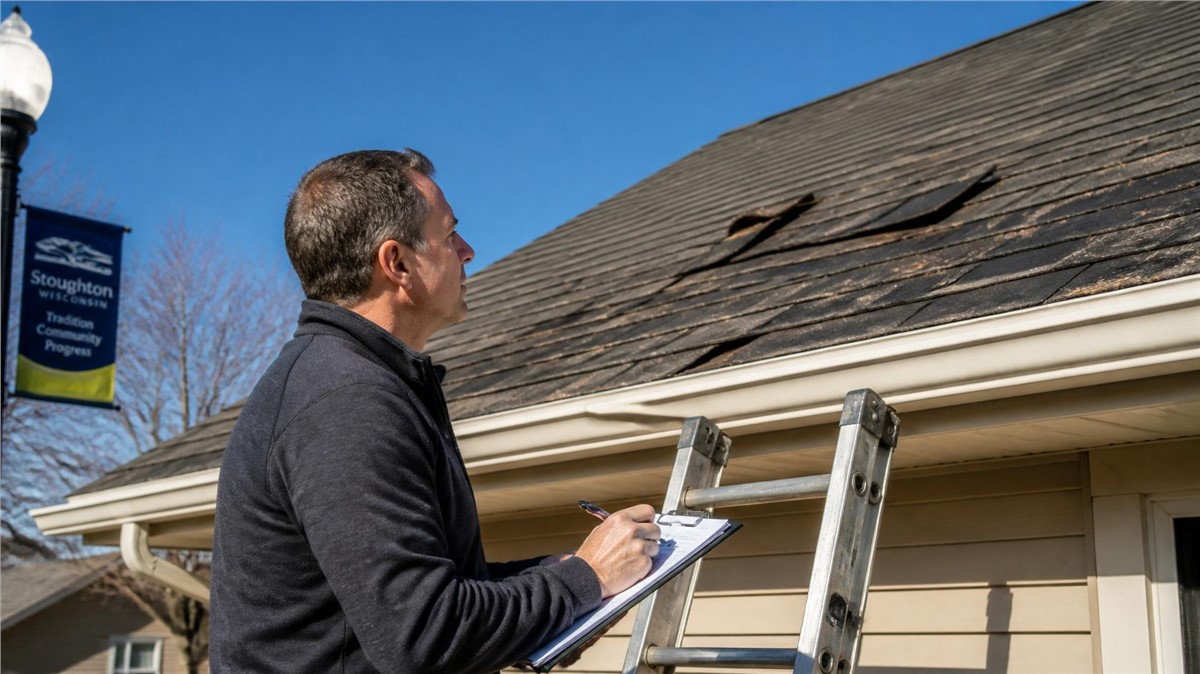
Roof damage after a storm can leave homeowners with a lot of questions. Is the damage serious? Should you call a contractor first? Should you contact insurance right away? What should you document? What if the roof is leaking?
For homeowners in Stoughton, WI, roof insurance claims often involve damage from hail, wind, heavy rain, snow, ice, falling branches, or freeze-thaw conditions. The process can feel overwhelming, especially if you are dealing with leaks, missing shingles, dented gutters, or interior water stains.
While every insurance policy and claim is different, avoiding common mistakes can help homeowners stay organized and protect their home from further damage.
Mistake 1: Waiting Too Long to Check for Damage
One of the biggest mistakes homeowners make is waiting too long after a storm. Roof damage may not always cause an immediate leak, but small problems can become worse with the next round of rain, snow, or wind.
After severe weather, check safely from the ground for:
- Missing shingles
- Shingles in the yard
- Dented gutters
- Loose flashing
- Cracked siding
- Torn window screens
- Water stains inside the home
- Debris on or near the roof
If something looks different after the storm, it is worth scheduling a professional inspection.
Mistake 2: Climbing on the Roof Yourself
Homeowners should avoid climbing onto the roof after a storm. Wet shingles, loose materials, hail damage, debris, ice, and steep slopes can make the roof unsafe.
A ground-level check is safer. You can look for visible damage from the yard, driveway, windows, or attic access if safe. Leave roof-level inspection to trained professionals with the right equipment.
Safety should always come before photos, measurements, or close-up damage checks.
Mistake 3: Not Taking Photos
Photos can be helpful during the roof insurance claim process. Even if damage seems minor, taking pictures gives you a record of what you noticed after the storm.
Document:
- Missing shingles
- Fallen branches
- Dented gutters
- Damaged downspouts
- Interior water stains
- Ceiling leaks
- Siding cracks
- Torn screens
- Debris around the home
- Storm date and time if known
Take photos from safe areas only. Do not use a ladder or climb the roof to get a better angle.
Mistake 4: Ignoring Interior Water Signs
Roof damage is not always obvious from outside. Sometimes the first sign appears inside the home.
Interior warning signs include:
- Ceiling stains
- Active dripping
- Damp attic insulation
- Musty odors
- Bubbling paint
- Peeling drywall
- Water around light fixtures
- Moisture near exterior walls
Even a small stain can point to a larger roofing, flashing, ventilation, or attic moisture issue. Interior water damage should be inspected quickly.
Mistake 5: Assuming All Damage Is Visible
Some storm damage is easy to see, but much of it is not. Hail bruising, lifted shingles, loose flashing, damaged vents, and small punctures may be difficult to spot from the ground.
Hidden roof damage may include:
- Lifted shingle seals
- Cracked shingles
- Granule loss
- Hail impact marks
- Loose flashing
- Damaged pipe boots
- Soft decking
- Moisture beneath roofing materials
A professional inspection helps identify damage that homeowners may miss.
Mistake 6: Forgetting to Inspect Gutters and Siding
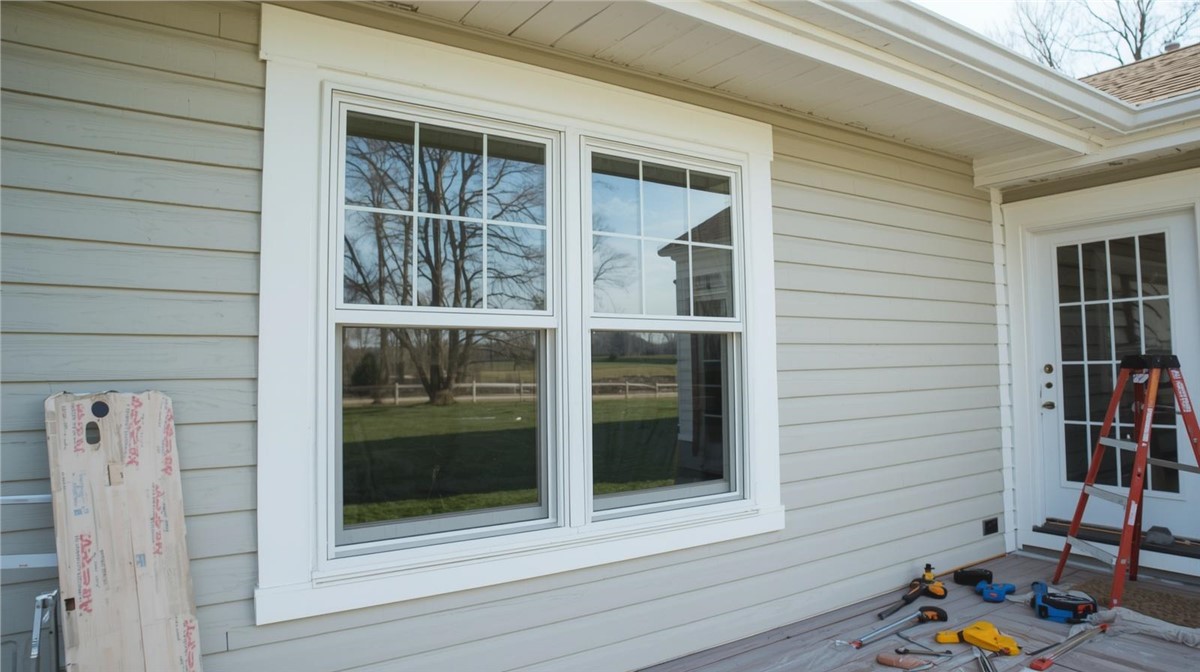
Roof damage often comes with damage to other exterior areas. If hail or wind affected the roof, it may have also affected gutters, siding, windows, fascia, soffit, and trim.
Check for:
- Dented gutters
- Loose downspouts
- Cracked siding
- Damaged window screens
- Broken trim
- Loose soffit panels
- Fascia damage
- Water running behind gutters
A full exterior inspection gives a clearer picture of the storm’s impact.
Mistake 7: Starting Major Repairs Too Soon
Temporary steps may be needed to reduce active leaking or protect the home from further damage. However, homeowners should avoid starting major repairs before documenting the damage and understanding the insurance process.
Before major work begins, it is helpful to:
- Take photos
- Save notes
- Keep receipts
- Contact your insurance provider
- Schedule a professional inspection
- Understand what your policy requires
Your insurance provider can explain what steps are needed for your specific claim.
Mistake 8: Throwing Away Damaged Materials
If shingles, siding pieces, gutter parts, or damaged materials fall to the ground, avoid throwing them away immediately. They may help document what happened during the storm.
If it is safe, place damaged materials aside and take photos. Do not keep anything dangerous, sharp, or unsafe in an area where children, pets, or visitors could be harmed.
Mistake 9: Not Reading the Policy Details
Insurance coverage depends on the specific policy. Homeowners should not assume that every type of roof damage is covered the same way.
Important policy details may include:
- Deductible amount
- Covered causes of loss
- Exclusions
- Claim deadlines
- Roof age considerations
- Repair vs replacement terms
- Actual cash value or replacement cost details
- Documentation requirements
If anything is unclear, contact your insurance provider and ask for an explanation.
Mistake 10: Missing the Adjuster Appointment Details
Your insurance company may send an adjuster to inspect the roof and related damage. Homeowners should be prepared for the appointment.
Helpful items to have ready include:
- Photos of visible damage
- Notes about the storm
- Leak locations
- Interior water stain locations
- Contractor inspection findings
- Access to attic or interior damage areas
- Any temporary repair receipts
The goal is to make sure all affected areas are reviewed clearly.
Mistake 11: Only Focusing on the Roof Surface
A roof insurance claim may involve more than shingles. Leaks often start around vulnerable areas where different materials meet.
Important areas to review include:
- Flashing
- Chimneys
- Skylights
- Roof valleys
- Ridge caps
- Pipe boots
- Roof vents
- Drip edge
- Fascia and soffit
- Gutters and downspouts
If these areas are not inspected, the repair plan may miss part of the problem.
Mistake 12: Not Asking Questions
The claim process can be confusing, especially if you are reviewing inspection notes, insurance paperwork, repair estimates, and contractor recommendations.
Homeowners should ask questions such as:
- What damage was found?
- Is the damage storm-related?
- Is repair or replacement recommended?
- What areas are included in the scope?
- Are gutters, siding, and windows affected?
- What does my insurance provider need next?
- What is my deductible?
- What timeline should I expect?
Clear answers help homeowners make informed decisions.
Mistake 13: Choosing Based on Price Alone
When repairs are needed, choosing the lowest estimate is not always the best option. A roof repair or replacement should include proper materials, flashing, ventilation, cleanup, and workmanship.
Compare more than price. Review:
- Scope of work
- Materials included
- Flashing details
- Ventilation review
- Decking repair terms
- Cleanup
- Timeline
- Warranty information
- Contractor experience
A clear scope helps prevent confusion during the project.
Mistake 14: Ignoring Temporary Protection Needs
If water is actively entering the home, temporary protection may be needed while the claim is being reviewed. This may include tarping or other short-term steps to reduce additional damage.
Do not ignore active leaks. Water can damage insulation, drywall, framing, flooring, and electrical areas. If the situation is unsafe, avoid the area and contact a professional.
Mistake 15: Not Keeping Records
Good records can make the process easier to follow.
Keep copies of:
- Photos
- Inspection notes
- Insurance claim information
- Emails
- Receipts
- Temporary repair records
- Contractor estimates
- Final repair documents
- Warranty details
Organized records are helpful during the claim and for future home maintenance.
Repair vs Replacement After Storm Damage
Not every roof insurance claim leads to full replacement. The right solution depends on the extent of damage, roof age, material condition, and insurance review.
Repair may make sense if:
- Damage is isolated
- Only a few shingles are missing
- One flashing area is leaking
- One vent boot is damaged
- No widespread moisture damage is found
Replacement may be better if:
- Storm damage affects multiple slopes
- Shingles are worn throughout
- Leaks keep returning
- Granule loss is heavy
- Decking damage is present
- Repairs would not restore the roof properly
A professional inspection can help identify the practical repair scope.
Why a Full Exterior Inspection Helps
Storm damage often affects multiple parts of the home at the same time. Roofing, siding, gutters, windows, fascia, soffit, flashing, and trim all work together to protect the property.
A full exterior inspection may include:
- Roofing
- Gutters and downspouts
- Siding
- Windows and screens
- Flashing
- Fascia and soffit
- Exterior trim
- Attic moisture signs
- Interior water stains
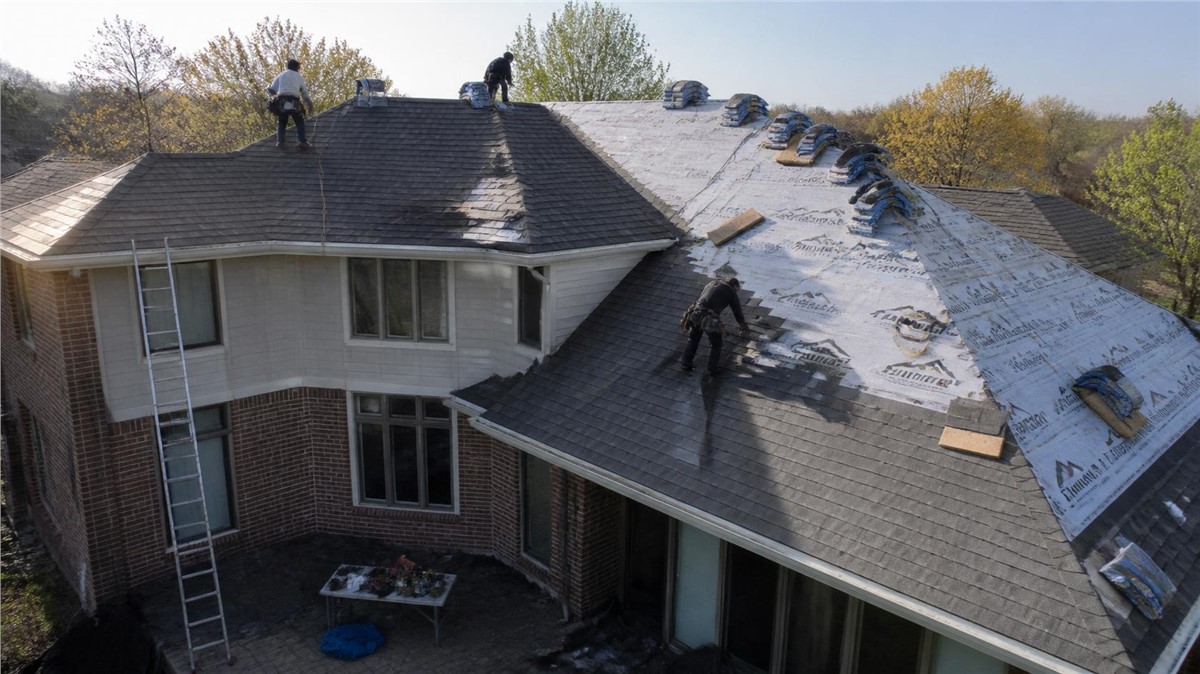
Huskie Exteriors provides roofing, siding, window, gutter, and storm damage restoration services, helping homeowners evaluate the full exterior system after severe weather.
Why Local Exterior Experience Matters
A local contractor understands how Wisconsin weather affects roofs. In Stoughton, WI, homes can face hail, wind, heavy rain, snow, ice, and freeze-thaw cycles that may worsen small exterior problems over time.
Local experience helps homeowners identify whether damage is storm-related, moisture-related, age-related, or connected to roofing, siding, gutter, or flashing issues.
Conclusion
Roof insurance claims in Stoughton, WI can be easier to manage when homeowners avoid common mistakes. Waiting too long, skipping photos, ignoring leaks, climbing the roof, missing hidden damage, or failing to review policy details can create confusion during the process.
If your roof has missing shingles, hail damage, wind damage, leaks, dented gutters, or possible storm-related issues, Huskie Exteriors can inspect your home and recommend the right next step.
Contact Huskie Exteriors for professional roofing, siding, window, gutter, and storm damage services in Illinois and Wisconsin.
Subscribe to Huskie Exteriors's Blog







Comments