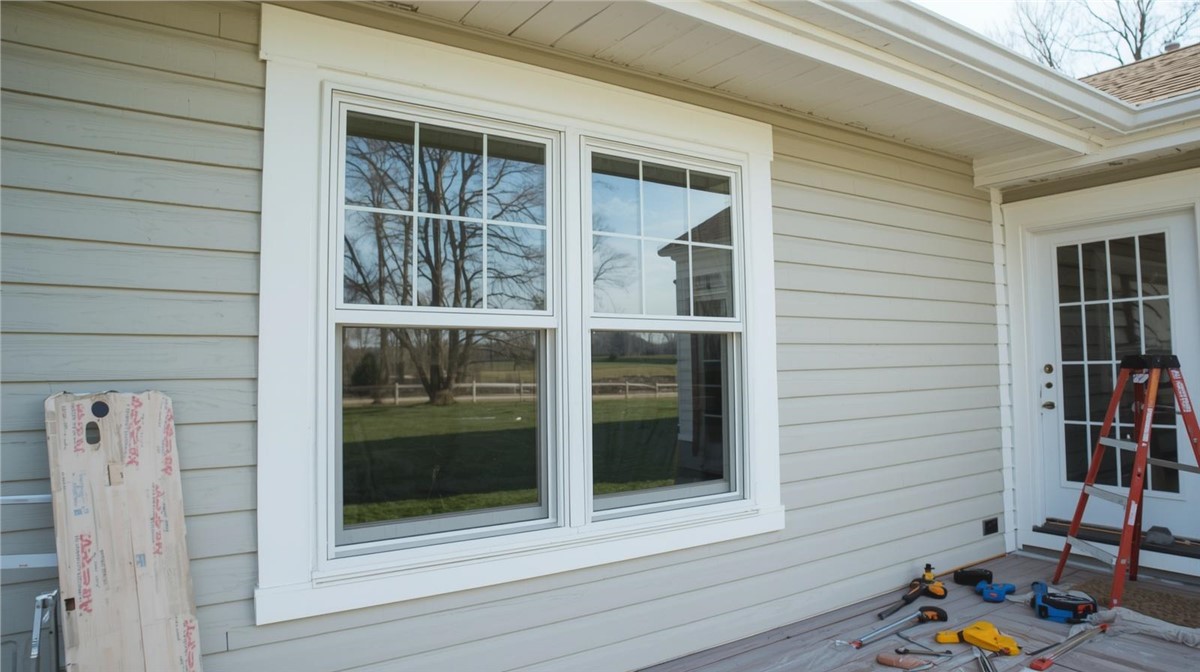
Window installation can improve comfort, curb appeal, natural light, ventilation, and energy performance. But before moving forward, homeowners should understand what is included in the estimate.
For homeowners in Oconomowoc, WI, window installation should account for Wisconsin weather. Cold winters, humid summers, heavy rain, snow, ice, wind, and freeze-thaw cycles can all affect window performance. A good estimate should explain more than the price. It should show what products are being installed, how the openings will be protected, and what details may affect the final project scope.
This guide covers important questions to ask before approving a window installation estimate.
Why Asking Questions Matters
Not every window estimate includes the same details. Some estimates may focus mostly on the window product, while others include installation method, trim work, flashing, moisture protection, cleanup, and warranty information.
Asking questions helps homeowners understand:
- What window type is included
- What materials are being used
- How the window will be installed
- Whether trim repairs are included
- How leaks and drafts will be prevented
- What happens if moisture damage is found
- What warranties apply
- What may affect the final cost
A clear estimate helps prevent confusion once the project begins.
Question 1: What Window Style Is Included?
Start by asking what window style is included in the estimate. Different styles have different functions, looks, and pricing.
Common window styles include:
- Double-hung windows
- Casement windows
- Sliding windows
- Picture windows
- Awning windows
- Bay windows
- Bow windows
- Specialty-shaped windows
Make sure the estimate lists each window style clearly, especially if different rooms need different window types.
Question 2: What Frame Material Is Being Used?
Window frame material affects appearance, maintenance, durability, and performance.
Common frame options include:
- Vinyl
- Fiberglass
- Wood
- Composite
- Aluminum or clad materials
Vinyl is often popular because it is low maintenance and practical for many homes. Fiberglass and wood may offer different design or durability benefits. The estimate should clearly state the frame material, finish, and product line.
Question 3: What Glass Package Is Included?
The glass package can affect comfort, energy performance, condensation resistance, and noise reduction.
Ask whether the estimate includes:
- Double-pane glass
- Triple-pane glass
- Low-E coatings
- Insulating gas fills
- Tempered glass where required
- Sound-control options
- Grid or grille options
In Oconomowoc, windows should be selected with seasonal weather in mind. The right glass package can help reduce drafts and improve comfort through winter and summer.
Question 4: Is This Insert Replacement or Full-Frame Installation?
Installation method is one of the most important estimate details. Some windows can be replaced within the existing frame. Others may require full-frame installation if the surrounding materials are damaged or outdated.
Ask whether the estimate includes:
- Insert replacement
- Full-frame replacement
- New interior trim
- New exterior trim
- Sill repair or replacement
- Flashing work
- Insulation around the opening
Full-frame installation may cost more, but it can be necessary when frames, trim, or surrounding wall materials are damaged.
Question 5: Will the Existing Opening Be Inspected?
A window estimate should include a review of the existing opening. Windows do not perform well if they are installed into damaged or poorly prepared openings.
Ask if the contractor will check for:
- Soft wood
- Rotted trim
- Water stains
- Damaged sills
- Gaps around frames
- Failed caulking
- Mold or mildew
- Damaged siding around the window
- Interior moisture signs
If hidden damage is found, it should be addressed before the new window is finished.
Question 6: How Will Moisture Protection Be Handled?
Moisture protection is critical for window installation. A new window should not simply be placed into an opening without proper sealing, flashing, and insulation.
Ask how the estimate handles:
- Window flashing
- Flashing tape
- Exterior sealing
- Interior air sealing
- Weather barrier tie-ins
- Siding transitions
- Trim protection
- Water management around the opening
Poor moisture protection can lead to leaks, wall damage, rotted trim, and interior stains.
Question 7: Is Flashing Included?
Flashing helps direct water away from the window opening. It is especially important around windows exposed to wind-driven rain.
Ask whether flashing is included around:
- Top of the window
- Sides of the opening
- Bottom sill area
- Exterior trim
- Siding transitions
- Nearby roofline connections
If flashing is missing from the estimate, ask how the window will be protected from water intrusion.
Question 8: What Trim Work Is Included?
Window installation often involves trim. Interior and exterior trim details affect appearance, sealing, and final project cost.
Ask if the estimate includes:
- Interior casing
- Exterior trim
- Sill replacement
- Apron trim
- Caulking
- Painting or finishing
- Trim color or material
- Repairs to damaged trim
If trim is not included, homeowners should know that before work begins.
Question 9: Will Siding Around the Windows Be Checked?
Windows and siding work together. If siding around the window is loose, cracked, warped, or poorly flashed, water may enter near the window even after a new unit is installed.
Ask whether the contractor will inspect:
- Siding around window openings
- J-channel or trim transitions
- Cracked siding panels
- Loose siding sections
- Gaps around exterior trim
- Water stains below windows
- House wrap condition
A window leak may be related to siding, flashing, gutters, or trim, not only the window itself.
Question 10: Are Energy Performance Details Listed?
Homeowners often replace windows to improve comfort and reduce drafts. The estimate should explain the energy-related features included in the product and installation.
Ask about:
- Energy performance ratings
- Glass package
- Frame insulation
- Weatherstripping
- Air sealing
- Installation foam or insulation
- Draft prevention details
Good window performance depends on both the window product and the quality of installation.
Question 11: What Happens If Hidden Damage Is Found?
Some damage is not visible until the old window is removed. A clear estimate should explain how hidden repairs are handled.
Hidden issues may include:
- Rotted framing
- Damaged sills
- Wet insulation
- Mold or mildew
- Poor previous installation
- Damaged house wrap
- Siding problems
- Interior wall damage
Ask how additional repairs are approved, documented, and priced if they are discovered during installation.
Question 12: How Long Will the Installation Take?
Timeline expectations should be included in the estimate. The schedule may depend on the number of windows, window style, material availability, weather, and repair needs.
Ask about:
- Estimated project start date
- Expected installation time
- Number of windows installed per day
- Weather-related delays
- Material delivery timing
- Cleanup schedule
- Final walkthrough
For safety and quality, heavy rain, snow, high wind, or icy conditions may affect installation timing.
Question 13: What Cleanup Is Included?
Window installation can create debris from old windows, trim, caulking, insulation, packaging, and fasteners.
Ask whether cleanup includes:
- Old window removal
- Disposal of old materials
- Interior cleanup
- Exterior cleanup
- Protection for floors and furniture
- Debris removal from landscaping
- Final walkthrough
A clean work area helps protect your home during and after the project.
Question 14: What Warranty Information Is Included?
Warranty details should be clear before the project begins. Homeowners should understand what applies to the product and the installation.
Ask about:
- Manufacturer warranty
- Workmanship warranty
- Glass seal coverage
- Hardware coverage
- Frame coverage
- Labor coverage
- Maintenance requirements
- What may void the warranty
Clear warranty information helps homeowners understand long-term protection.
Question 15: What Factors Could Change the Final Price?
A good estimate should explain what may affect the final cost.
Cost factors may include:
- Number of windows
- Window size
- Window style
- Frame material
- Glass package
- Installation method
- Trim repairs
- Moisture damage
- Siding repairs
- Home height
- Access around the home
- Cleanup and disposal
Knowing these factors helps homeowners avoid surprises during the project.
Signs You May Need Window Replacement
Window replacement may be worth considering if your current windows are no longer performing well.
Common signs include:
- Drafts near closed windows
- Fog or condensation between panes
- Difficulty opening or closing
- Damaged frames
- Rotted trim
- Water stains below windows
- High indoor temperature swings
- Outside noise becoming more noticeable
- Peeling paint near window openings
If several windows have the same issues, replacement may be more practical than repeated repairs.
Why a Full Exterior Inspection Helps
Windows are part of the full exterior system. Roofing, siding, gutters, trim, flashing, fascia, soffit, and drainage can all affect how water moves around the home.
A full exterior inspection may include:
- Windows and frames
- Exterior trim
- Siding around openings
- Gutters and downspouts
- Roof edges
- Flashing
- Interior moisture signs
- Storm damage areas
Huskie Exteriors provides roofing, siding, window, gutter, and storm damage restoration services, helping homeowners evaluate the full exterior system.
Why Local Exterior Experience Matters
A local contractor understands how Wisconsin weather affects window installation. In Oconomowoc, WI, windows need to handle cold winters, humid summers, wind, heavy rain, snow, ice, and freeze-thaw cycles.
Local experience helps homeowners understand whether window problems are caused by aging materials, poor installation, moisture damage, siding issues, storm damage, or normal wear.
Conclusion
A window installation estimate in Oconomowoc, WI should clearly explain window style, frame material, glass package, installation method, trim details, moisture protection, flashing, timeline, cleanup, warranty information, and cost factors. Asking the right questions helps homeowners understand the full scope before installation begins.
If your windows are drafty, damaged, foggy, leaking, difficult to open, or showing signs of moisture problems, Huskie Exteriors can inspect your home and recommend the right next step.
Contact Huskie Exteriors for professional roofing, siding, window, gutter, and storm damage services in Illinois and Wisconsin.
Subscribe to Huskie Exteriors's Blog






Comments