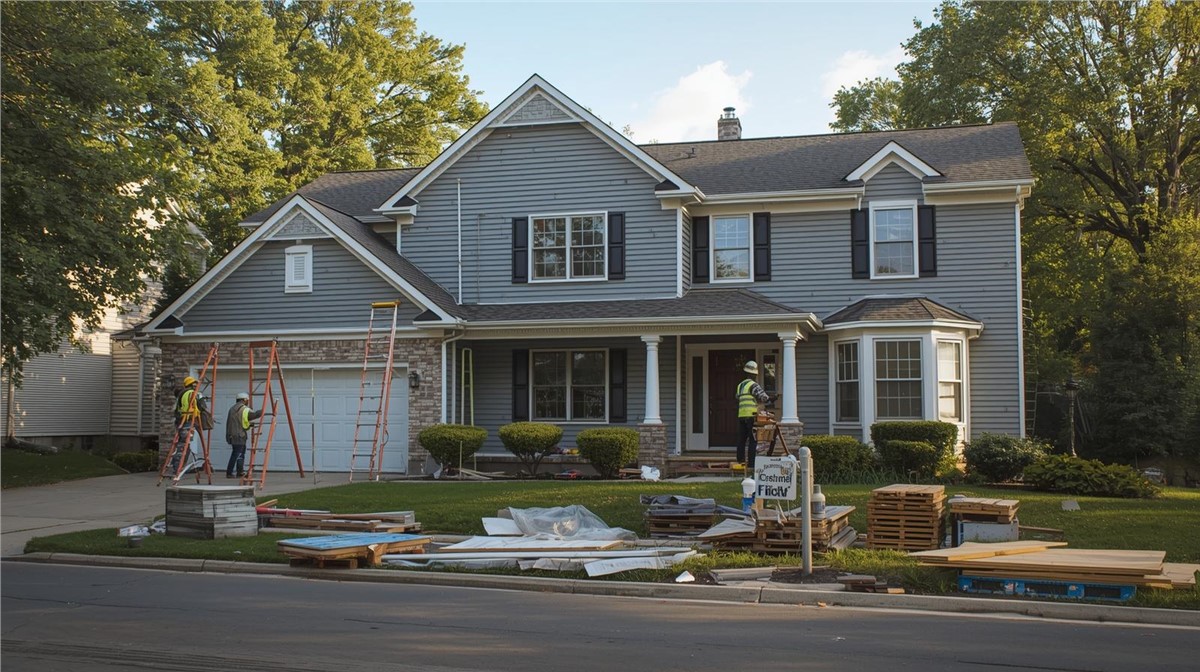
In Schaumburg, IL, a full siding installation project usually takes about one to two weeks on-site for many homes, though the full process often starts earlier with measuring, material selection, permit review, scheduling, and prep work. For a typical 1,500 to 2,000 square foot home, siding replacement often averages seven to 14 days, and removing old siding can add one to two days depending on what is already on the house. Schaumburg also treats siding work as permit-regulated exterior construction, so contractors should verify the local permit path before installation begins.
Why This Matters in Schaumburg, IL
Siding installation timing matters in Schaumburg because siding is not just a visual upgrade. It protects the wall system from rain, wind, moisture intrusion, and seasonal temperature swings. In northern Illinois, where freeze-thaw cycles and storms are part of normal exterior wear, waiting too long on a failing siding project can allow more damage behind the cladding.
The local process matters too. Schaumburg’s official resources make clear that construction work is regulated through the village’s permit system and adopted codes. That means siding replacement should be treated as a real exterior construction project, not just a material swap.
For homeowners in Schaumburg, the main benefit of understanding the timeline is planning. It helps answer practical questions like when the crew will start, how long the house may be under active construction, what can delay the schedule, and how much old siding removal or wall prep might extend the job. General 2026 siding-install guidance says the on-site portion commonly takes one to two weeks, but hidden repairs, weather, and house complexity can stretch that timeline.
Common Signs It May Be Time for New Siding
- Cracked, loose, or warped siding
These are common signs the siding is no longer sealing and protecting the wall properly. - Visible water damage or bubbling
Water-related signs can mean moisture has gotten behind the siding, which makes replacement more urgent. - Repeated repairs in the same areas
If the same sections keep failing, replacement often makes more sense than more patching. - Storm damage
Wind and hail can loosen or crack siding and shorten the timeline for deciding on replacement. - Broad fading and aging across the exterior
Widespread wear can signal that the siding is reaching the point where a full replacement is more practical.
When to Schedule It
The best time to schedule siding installation in Schaumburg is before moisture problems or storm damage get worse. Current guidance says fall is often the best time for siding replacement because temperatures are moderate and the risk of precipitation is lower than in spring, though spring can also work depending on urgency and contractor availability.
First: Figure Out the Scope
Start by deciding whether the project is:
- full-home siding replacement
- one side of the house
- a material switch, such as vinyl to fiber cement
- siding plus soffit, fascia, or trim work
This matters because the more exterior work involved, the longer the project usually takes.
Next: Think About What Is Under the Existing Siding
Old siding removal can reveal hidden moisture damage, wall prep needs, or rot. That is one reason siding jobs that look simple from the outside can still take longer than expected once work begins. Removal and prep are major schedule factors.
Then: Confirm Local Permit Requirements
Schaumburg’s village resources should be part of the process before installation begins, because siding is regulated exterior work. Contractors should verify the permit path and any code-related requirements before the crew starts.
Step-by-Step Siding Installation Timeline
Step 1: Inspection and Measurement
Every siding project should begin with a site visit. The contractor measures the home, reviews the existing siding, checks trim and transitions, and looks for signs of water or substrate problems. This is where the project scope becomes real.
Step 2: Material Selection and Quote Approval
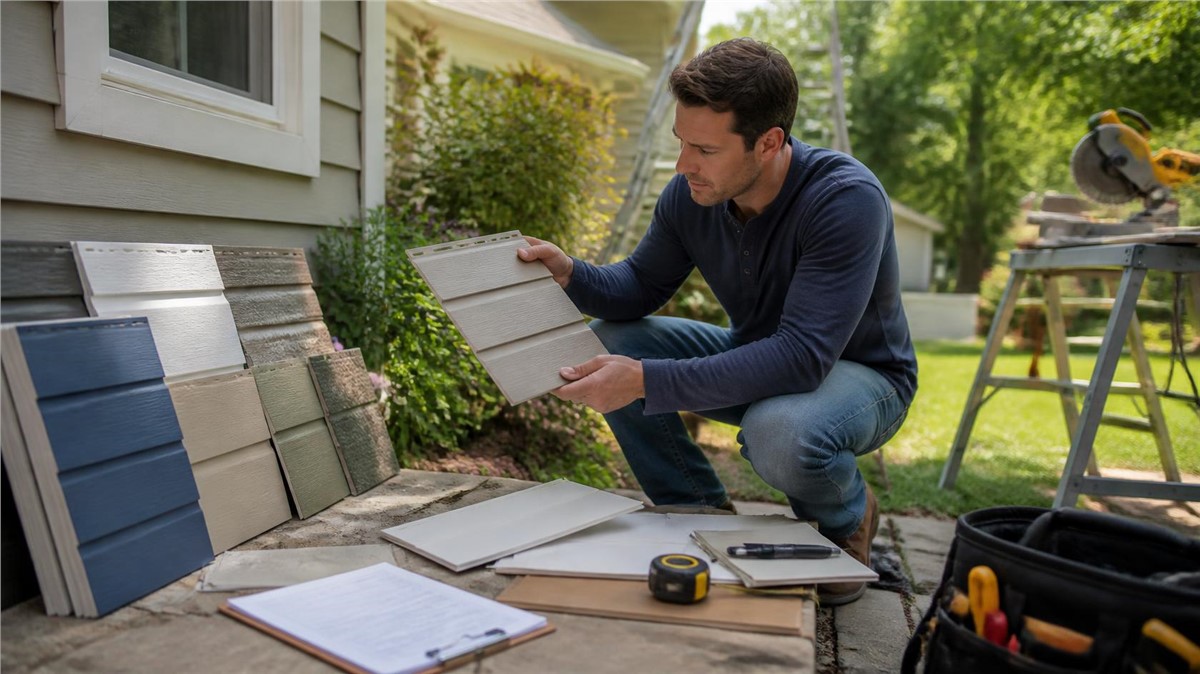
Once the measurements are done, the next step is choosing:
- siding material
- profile and color
- trim details
- whether soffit or fascia work is included
- whether old siding removal is part of the job
This stage may seem separate from installation, but it affects the timeline because different materials and project scopes can change lead time and labor duration. Contractors are also expected to discuss project timing before the job begins.
Step 3: Permit Review and Scheduling
Before installation starts, the contractor should verify local permit needs and schedule the crew. Schaumburg’s official permit resources and adopted codes are part of this planning stage.
Step 4: Site Preparation
Before siding comes off, crews usually prepare the work area. That can include protecting landscaping, moving obstacles, setting up ladders or scaffolding, and organizing staging for materials and debris removal. This is also where access challenges on taller or more complex homes start to affect timing.
Step 5: Remove the Old Siding
Old siding removal is often one of the biggest variables in the schedule. Current guidance says removal can add one to two days, and difficult existing materials can slow it down further.
Step 6: Inspect and Prep the Wall Surface
Once the old siding is off, the contractor can inspect the wall underneath. If rot, moisture damage, or substrate issues are found, repairs may be needed before new siding goes on. This is one of the main reasons homeowners sometimes see the timeline extend beyond the original estimate.
Step 7: Install House Wrap, Flashing, and Moisture Details
A proper siding job is not only about the visible panels. Moisture management and transitions matter. This prep stage helps protect the wall assembly and supports long-term performance.
Step 8: Install the New Siding
This is the most visible part of the project. For many homes, the actual siding installation takes several days within the broader one-to-two-week timeline. Material type affects this. Current guidance says full fiber cement installation often takes seven days to two weeks, and siding projects more generally often take one to two weeks.
Step 9: Trim, Soffit, and Finish Work
After the main siding is up, crews complete trim details, corners, transitions, soffit connections, and other finish work. This is a key part of how clean and weather-resistant the final job feels. More detailed homes usually take longer here.
Step 10: Cleanup and Final Walkthrough
A professional project should end with debris removal, cleanup, and a walkthrough so the homeowner understands what was done and whether any follow-up items remain. This is also when final permit-related inspections may matter if required under the local process.
What This Typically Looks Like in Real Time
For homeowners in Schaumburg, a realistic 2026 timeline often looks like this:
- Typical on-site siding installation: about one to two weeks
- Typical 1,500 to 2,000 square foot home: about seven to 14 days
- Old siding removal: often adds one to two days
- Fiber cement projects: often seven days to two weeks
- Larger or more complex homes: can take longer because of access, prep, and finishing details
These are broad benchmarks, not guarantees. Weather, hidden repairs, material lead time, and house complexity can all change the schedule.
What Usually Delays a Siding Project
The most common schedule drivers are:
Weather
Rain and severe weather can delay exterior work. Current guidance says fall is often preferred partly because there is less risk of precipitation disrupting the project.
Old Siding Removal
Removal takes time, especially if the existing siding is damaged, layered, or harder to detach cleanly.
Hidden Wall Damage
If the crew finds rot or moisture damage behind the siding, repairs must happen before the new exterior goes on.
Home Complexity
More corners, more stories, and harder-to-reach sections usually mean a longer timeline.
Material Type
Heavier or more labor-intensive materials, especially fiber cement, can extend the work window.
How to Choose the Right Contractor in Schaumburg, IL
The right contractor should explain the timeline clearly instead of only giving a price.
Questions to ask:
- How long should this project take from start to finish?
- Does that estimate include removal of the old siding?
- What happens if wall damage is found underneath?
- What parts of the job affect the schedule the most?
- Are trim and finish work included in the timeline?
- Will you verify Schaumburg permit requirements before starting?
Red flags:
- vague timing with no mention of removal or prep
- no discussion of hidden moisture damage
- unrealistic promises about speed
- no written scope
- no permit verification
FAQs
How long does siding installation take in Schaumburg, IL?
For many homes, the on-site portion takes about one to two weeks, with a typical 1,500 to 2,000 square foot home often landing around seven to 14 days.
What takes the longest in a siding project?
Old siding removal, hidden wall repairs, and material-specific installation time are often the biggest schedule drivers.
Does removing old siding add time?
Yes. Current guidance says old siding removal can add one to two days.
What time of year is best for siding installation?
Current guidance often favors fall because of moderate temperatures and lower precipitation risk, though urgent damage should be handled as soon as possible regardless of season.
Do I need a permit for siding work in Schaumburg?
Schaumburg treats exterior construction work through its permit process, so your contractor should verify the local requirement before installation begins.
Get a Free Estimate in Schaumburg, IL
If you are planning siding installation in Schaumburg, IL, Huskie Exteriors is here to help with clear timelines, honest recommendations, and exterior solutions built for Midwest weather. We serve homeowners across Northern Illinois and Southern Wisconsin with siding, roofing, gutters, and windows designed for long-term performance.
Schedule your free estimate with Huskie Exteriors today. We will inspect your current exterior, explain the full siding installation timeline clearly, and help you plan a project that fits your home and schedule.
Subscribe to Huskie Exteriors's Blog






Comments