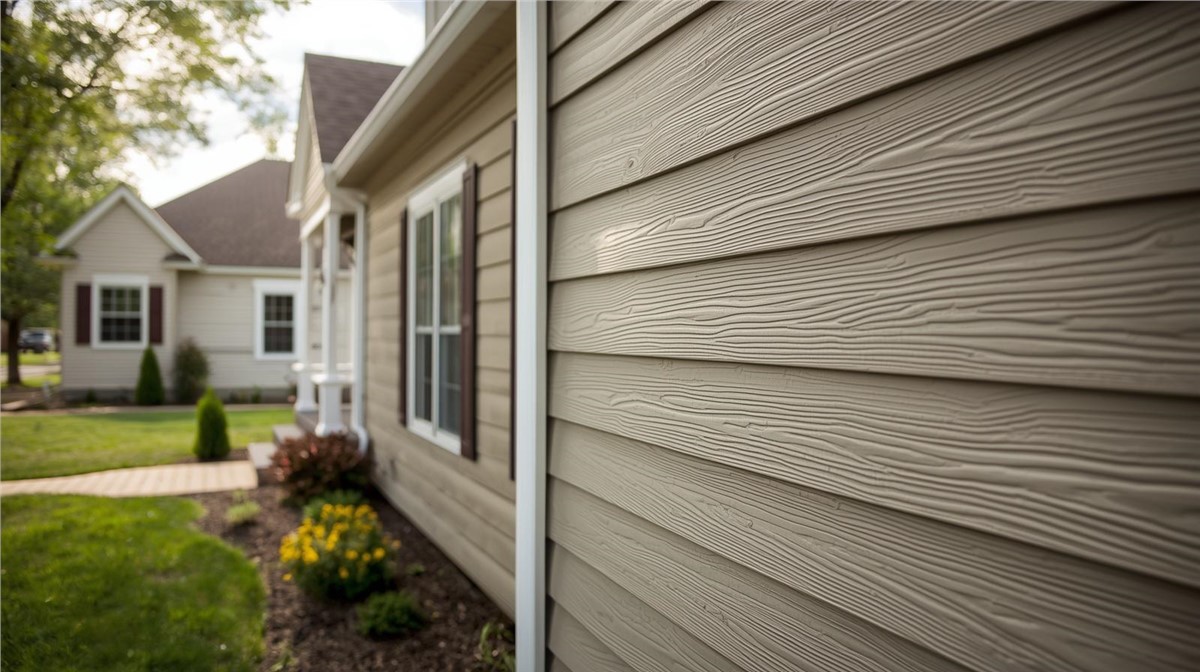
For many homeowners in Schaumburg, IL, fiber cement siding is often the best all-around choice for Midwest weather because it handles moisture, temperature swings, and long-term wear better than many lower-cost materials. Vinyl siding is usually the most budget-friendly option and still works well for many homes, while engineered wood siding can be a strong middle-ground choice for homeowners who want a warmer, more natural look without stepping all the way up to premium exterior pricing. The best siding for your home depends on your budget, how long you plan to stay in the house, and how much maintenance you want to deal with over time.
Why This Matters in Schaumburg, IL
Siding in Schaumburg, IL has to do more than make a house look good. It has to help protect the home from wind, rain, snow, hail, humidity, summer heat, and winter cold. In a Midwest climate, siding takes real abuse over the years. That is why the best siding is not always the cheapest material or the one with the nicest showroom sample. It is the one that performs well in changing weather and still makes sense for the homeowner’s budget.
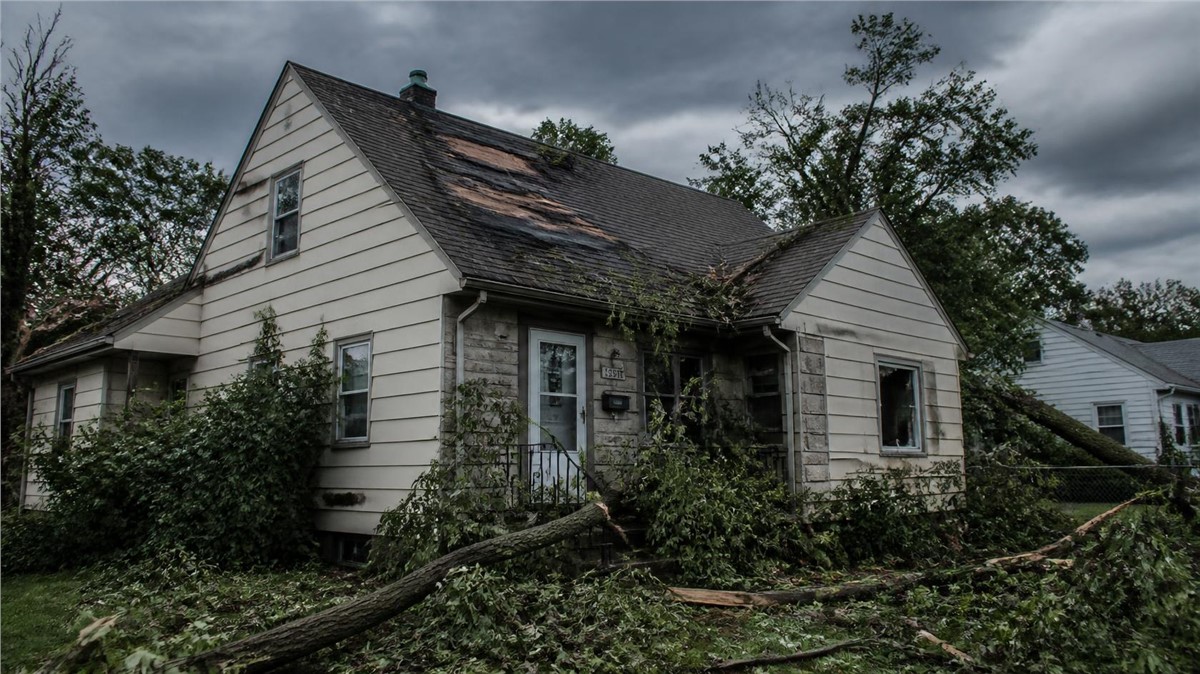
That matters because siding problems rarely stay small forever. A cracked panel, a loose seam, or storm-related damage can eventually let water get behind the exterior. Once that starts, the issue can shift from an appearance problem into a moisture problem. That can lead to wall damage, trim deterioration, and higher repair costs later.
For homeowners in Schaumburg, the smarter question is not just, “What siding looks best?” It is, “What siding is most likely to hold up well here, what will it cost me now, and what will it cost me later?” That is the comparison that usually leads to the right decision.
What Midwest Weather Demands From Siding
Midwest weather puts exterior materials through a lot. A siding product in Schaumburg should be able to handle:
- freeze-thaw cycles in winter
- heavy rain and wind in spring
- hot sun and humidity in summer
- storm exposure, including hail
- temperature swings throughout the year
Some siding materials handle those conditions better than others. Some are cheaper upfront but may crack, fade, or move more over time. Others cost more now but usually give homeowners a stronger long-term return through better durability and fewer major issues.
That is why material choice matters so much in northern Illinois. A product that performs well in a milder climate is not always the best fit for a home that sees real seasonal extremes.
Best Siding Options for Midwest Weather in Schaumburg, IL
1. Fiber Cement Siding
For overall performance, fiber cement is often the strongest choice for Midwest weather.
Pros
- Very durable in changing temperatures
- Handles rain, snow, and moisture well
- Less likely to warp or shift with weather changes
- More premium appearance than basic vinyl
- Strong long-term value for many homeowners
Cons
- Higher upfront cost
- Heavier material, so labor costs are usually higher
- Installation quality matters a lot
- Repairs can cost more than vinyl
Fiber cement is often recommended for harsh climates because it is built for long-term exterior durability. It tends to hold up better than lower-cost materials when weather conditions get more demanding. That makes it a strong option for Schaumburg homeowners who plan to stay in the home for many years and want siding that can handle Midwest conditions well.
Typical cost
Fiber cement siding often falls around $8 to $14 per square foot installed, though some projects run higher depending on labor, trim, and home size.
2. Vinyl Siding
Vinyl siding is usually the most common budget-friendly option.
Pros
- Lower upfront cost
- Low maintenance
- Widely available
- Many colors and profiles to choose from
- Good fit for full-home projects on tighter budgets
Cons
- Can crack in very cold conditions
- Usually not as durable as fiber cement over the long run
- Can look less premium depending on product quality
- Some lower-end products fade or age faster
Vinyl remains popular for a reason. It is affordable, practical, and easy for many homeowners to maintain. For someone replacing siding on a whole house and trying to keep total project cost under control, vinyl is often the most realistic option. It can still perform well in Illinois weather, especially when the product quality is good and the installation is done correctly.
Typical cost
Vinyl siding often falls around $6 to $11 per square foot installed.
3. Engineered Wood Siding
Engineered wood is worth considering for homeowners who want a more natural look without using traditional wood siding.
Pros
- Warmer appearance than vinyl
- Often more visually upscale
- Usually lighter than fiber cement
- Can land in a middle cost range
- Good option for homeowners focused on appearance
Cons
- Usually not as weather-tough as fiber cement
- Product quality matters a lot
- Can require more long-term attention than vinyl
- Not always the best fit for homeowners who want the lowest-maintenance exterior possible
This option can make sense for homeowners who care strongly about curb appeal and want something between vinyl and fiber cement in both look and price. It is not always the first recommendation for pure weather resistance, but it can still be a strong choice when properly installed and maintained.
4. Metal Siding
Metal siding is less common on standard suburban homes but can be a strong performer.
Pros
- Strong weather resistance
- Good durability
- Long lifespan potential
- Distinct look for modern designs
Cons
- Usually more expensive
- Less common for typical residential homes
- Style fit is more limited
- Not always the first choice for traditional neighborhoods
For most Schaumburg homeowners, metal siding is more of a specialty option than a default recommendation. It can work very well, but it is usually best suited for homeowners who specifically want that look and are comfortable with the price.
Cost Comparison in Schaumburg, IL
For many homeowners, the cost difference is what drives the final choice.
In general, the typical cost order looks like this:
- Vinyl: lowest upfront cost
- Engineered wood: usually middle range
- Fiber cement: higher upfront cost
- Metal: often premium pricing
That does not always mean the cheapest option is the best value. A lower-cost material may save money now but require more repairs, earlier replacement, or less impressive long-term appearance. A higher-cost material may feel expensive upfront but make more sense over a longer ownership timeline.
This is especially important when replacing siding on a larger home. Even a few dollars more per square foot can significantly change the final number.
Pros and Cons by Priority
If Your Top Priority Is Budget
Vinyl is usually the best fit. It offers a clean look, decent durability, and low maintenance at the lowest installed cost for most homeowners.
If Your Top Priority Is Durability
Fiber cement is usually the strongest answer. It tends to perform better in demanding weather and often gives homeowners more confidence over the long run.
If Your Top Priority Is Appearance
Engineered wood or fiber cement often wins here, depending on the look you want. Both usually feel more upscale than standard vinyl.
If Your Top Priority Is Low Maintenance
Vinyl is usually the easiest option to live with. It does not ask for much and is often the simplest choice for homeowners who want fewer exterior upkeep concerns.
Which Option Makes the Most Sense?
For many Schaumburg homeowners, the best answer is:
- Best overall for Midwest weather: fiber cement
- Best budget-friendly choice: vinyl
- Best middle-ground appearance option: engineered wood
That does not mean one material is perfect for every home. A homeowner planning to stay in the house for 15 or 20 years may make a different choice than someone preparing the home for resale in the next few years. A house that already needs a broad exterior update may justify a stronger premium material. A homeowner with tighter cost limits may still get excellent value from vinyl.
Local Notes for Schaumburg, IL
Siding replacement is real exterior construction work, not just a cosmetic swap. In Schaumburg, siding projects should be approached with local permit requirements in mind. Your contractor should verify what applies before installation begins so the job is handled correctly from the start.
That matters because code compliance, permit handling, and project scope all affect how smoothly the work goes. A good contractor should be able to explain not only the material options, but also the local process.
FAQs
What is the best siding for Midwest weather?
For many homes, fiber cement siding is the strongest all-around choice because of its durability and performance in changing weather.
Is vinyl siding still a good option in Illinois?
Yes. Vinyl is still a practical choice for Illinois homes, especially when affordability and low maintenance are the main priorities.
Is fiber cement worth the extra cost?
Often yes, especially for homeowners who want stronger long-term durability and a more premium exterior finish.
What siding gives the best value?
For many homeowners, vinyl gives the best short-term value, while fiber cement gives the best long-term value.
Do I need a permit for siding work in Schaumburg?
Your contractor should verify local permit requirements before work begins.
Get a Free Estimate in Schaumburg, IL
If you are comparing the best siding options for Midwest weather in Schaumburg, IL, Huskie Exteriors is here to help with honest recommendations and practical exterior guidance built for local conditions. We serve homeowners across Northern Illinois and Southern Wisconsin with siding, roofing, gutters, and windows designed for long-term performance.
Schedule your free estimate with Huskie Exteriors today. We will inspect your current exterior, explain which siding options make the most sense for your home, and help you choose the right fit for your budget and goals.
Subscribe to Huskie Exteriors's Blog





Comments