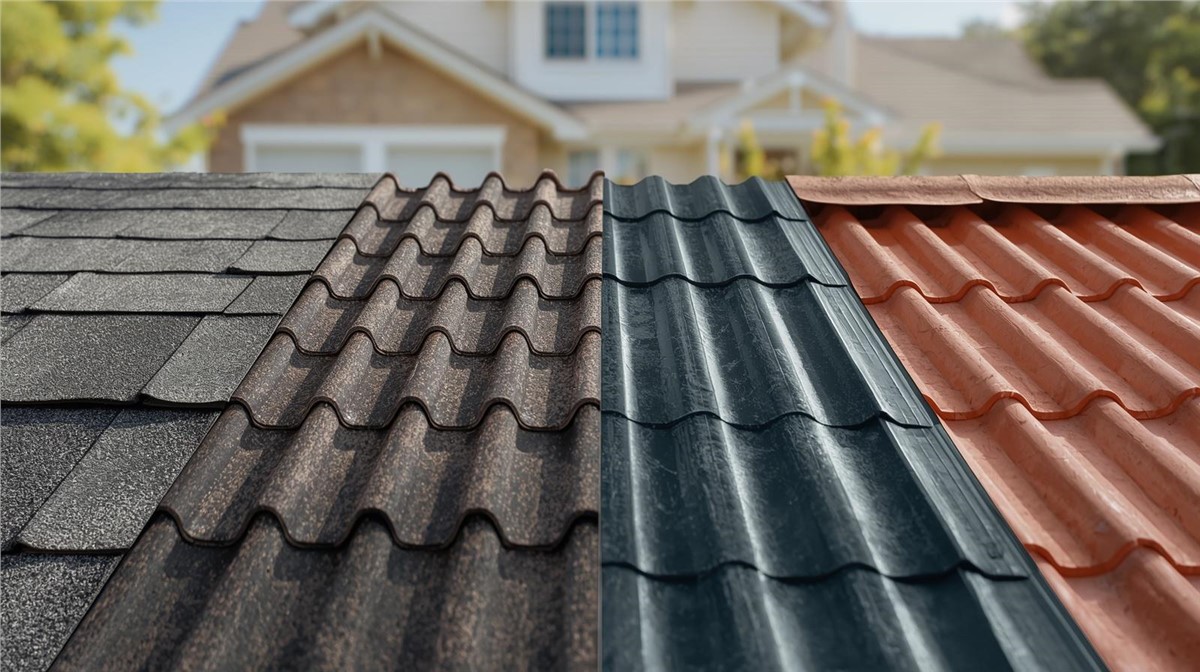
In Schaumburg, IL, roof lifespan depends heavily on the material, installation quality, storm exposure, ventilation, and maintenance. For many homes, asphalt shingles last about 15 to 30 years, metal roofs often last about 30 to 60 years, tile roofs can last about 50 to 100 years, and many flat-roof systems fall around 10 to 30 years depending on the membrane type. Schaumburg also tells homeowners to check permit requirements with Community Development before starting roofing work, and permit submittals must comply with the village’s adopted codes.
Why This Matters in Schaumburg, IL
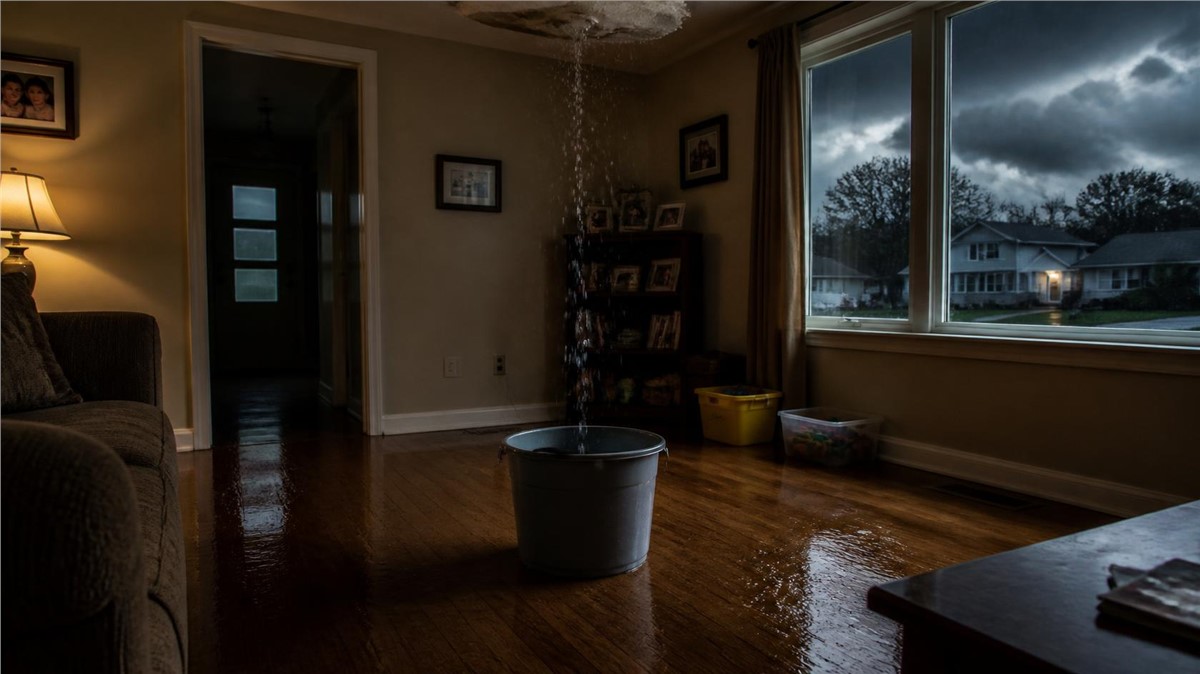
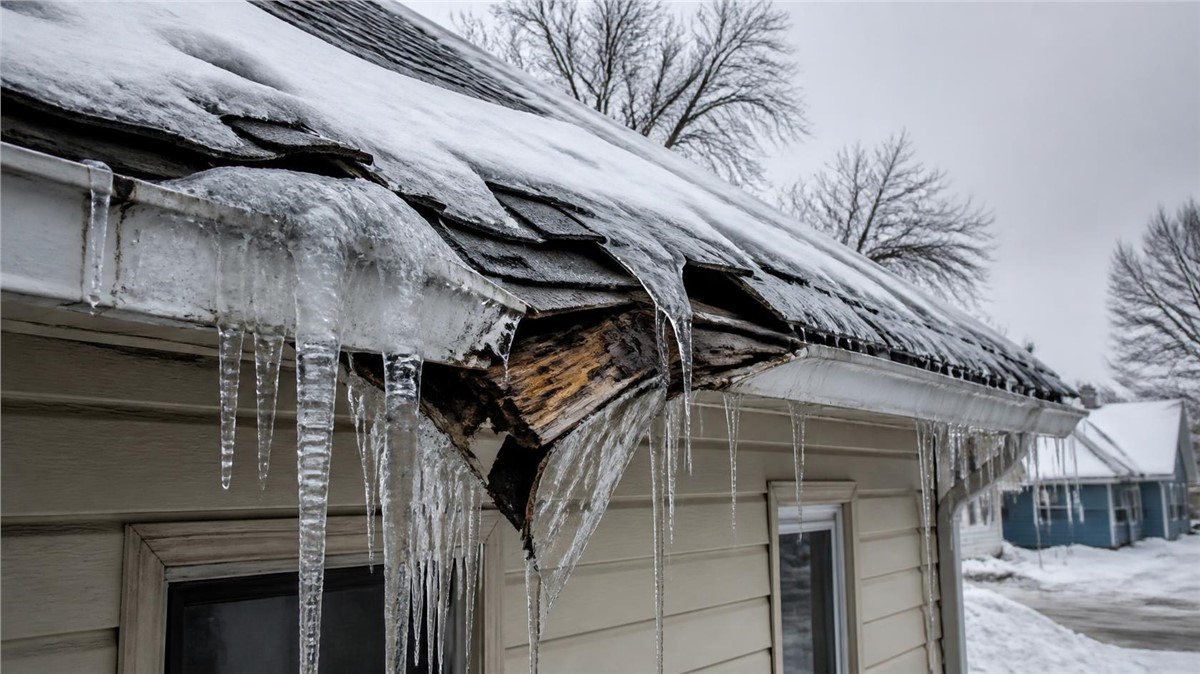
Roof lifespan matters in Schaumburg, IL because homes here deal with real Midwest weather. Snow, heavy rain, hail, wind, and repeated freeze-thaw cycles all put stress on roofing materials. A roof may still be physically in place, but that does not always mean it is still performing well. Once shingles start losing granules, flashing begins failing, or moisture gets into the roof system, the practical lifespan can be shorter than the best-case estimate.
That local process matters too. Schaumburg’s official guidance tells residents to contact Community Development before beginning a home construction project to determine whether a permit is needed, and the village’s adopted-codes page says permit submittals must comply with updated codes and referenced standards. That means roof replacement or larger roofing work should be planned as a real construction project, not just a material purchase.
For homeowners in Schaumburg, the better question usually is not just “How long should my roof last?” It is “How long is my specific roof likely to last in this climate, in its current condition, and with the weather stress it has already seen?” That is what usually leads to a realistic decision about repair, maintenance, or replacement.
Common Signs a Roof May Be Nearing the End of Its Life
- Missing, curling, or cracking shingles
This is one of the clearest signs that an asphalt roof is aging beyond its best years. - Granules collecting in gutters
Granule loss often means the protective surface of the shingle is wearing down. - Frequent roof leaks or repeated repairs
If the same sections keep needing attention, the roof may be aging out. - Flashing failures around vents or chimneys
Sometimes the roof covering still looks acceptable, but accessory components are already failing. - Sagging or soft roof areas
This can point to deeper moisture or decking problems. - Visible storm damage after hail or wind
Midwest storm exposure can shorten real-world lifespan. - An aging roof with unclear maintenance history
Even if the roof is not actively leaking, age plus unknown condition is a reason to inspect it carefully.
Roof Lifespan by Material
Asphalt Shingle Roof Lifespan
Asphalt shingles are the most common roofing material for homes and are often the most budget-friendly. Current 2026 guidance generally places asphalt shingle lifespan at about 15 to 30 years, though some higher-end shingle products may last longer under favorable conditions. In practical terms, Midwest weather can push the roof toward the lower end of that range if it sees repeated storm damage, poor ventilation, or inconsistent maintenance.
Metal Roof Lifespan
Metal roofs usually last much longer than asphalt shingles. Current roofing guides commonly place metal roof lifespan around 30 to 60 years, with some metal shingle systems lasting even longer. That longer service life is one reason metal is often treated as the premium long-term option, even though it usually costs more upfront.
Tile Roof Lifespan
Tile roofs are among the longest-lasting residential roofing materials. Current guidance commonly places tile roof lifespan around 50 to 100 years, depending on the exact material and conditions. They are not as common on standard suburban homes in this region, but they are important to mention because their lifespan is dramatically longer than asphalt.
Flat Roof Lifespan
Flat roofs vary more by membrane type. Current guidance places many flat-roof systems around 10 to 30 years, with built-up roofs and PVC often around 20 to 30 years, EPDM around 15 to 25 years, modified bitumen around 15 to 20 years, and TPO ranging broadly depending on conditions. This is especially relevant for low-slope residential sections, garages, additions, or modern roof designs.
What Affects Roof Lifespan in Schaumburg, IL
Material Type
This is the biggest factor. Asphalt, metal, tile, and flat-roof membranes all age differently and have very different expected service lives.
Weather Exposure
Midwest weather matters a lot. Snow, hail, wind, heavy rain, and freeze-thaw cycles all increase wear. Harsh weather and debris exposure can shorten roof life even when the material itself is normally durable.
Installation Quality
Even a premium roofing material can fail early if it was installed poorly. Good fastening, flashing, ventilation, and compatible underlayment all affect long-term performance.
Ventilation and Moisture Control
Poor attic ventilation and trapped moisture can shorten the life of roofing materials and the roof deck beneath them. This matters especially in climates with hot summers and freezing winters.
Maintenance History
Roofs that get regular inspections, gutter cleaning, and prompt repairs generally last longer than roofs that are ignored until a major leak appears.
When to Schedule an Inspection
The best time to check roof lifespan is before the roof becomes an emergency. If your roof is getting older, showing visible wear, or has already seen storm damage, this is the right time to schedule an inspection.
First: Identify the Roof Type
Start by figuring out whether your roof is:
- asphalt shingle
- metal
- tile
- flat or low-slope membrane
- another specialty material
You need that baseline before the lifespan estimate means much.
Next: Compare Age to Condition
Age matters, but condition matters more. A 20-year-old roof in great shape may still have useful life left. A younger roof with repeated storm damage, poor ventilation, or visible failure may already be close to replacement.
Then: Think About Your Ownership Timeline
If you plan to stay in the house for many more years, long-term remaining roof life becomes more important. If you expect to move sooner, the decision may lean more toward repair, certification, or a more limited upgrade depending on condition.
What a Professional Roof Lifespan Inspection Includes
A professional roof inspection should do more than estimate the roof’s age from the driveway.
Typical checklist:
- shingle or roof-covering condition
- flashing and penetration review
- roof edge, ridge, and valley inspection
- gutter and drainage review
- signs of moisture intrusion
- decking concerns if visible or suspected
- repair-vs-replacement guidance based on remaining life
At Huskie Exteriors, the goal is to help homeowners understand not just how old the roof is, but how well it is actually performing today.
Insurance / Permits / Local Notes in Schaumburg, IL
For most homeowners, roof lifespan is a planning and maintenance issue rather than an insurance issue. Insurance becomes more relevant when storm damage shortens the practical life of the roof or causes a covered loss.
A few local notes matter here:
- Schaumburg tells residents to contact Community Development before beginning a home construction project to determine whether a permit is needed.
- The village’s adopted-codes page says permit submittals must comply with updated codes and referenced standards.
- Because local roofing work is regulated, larger replacement projects should be handled with permit compliance in mind rather than treated informally.
How to Choose the Right Contractor in Schaumburg, IL
The right contractor should help you evaluate remaining roof life honestly instead of automatically pushing replacement.
Questions to ask:
- Based on condition, how much useful life does this roof still have?
- Is the roof aging normally for its material?
- Are storm damage and age both affecting it?
- Is repair still worth doing, or is replacement the smarter long-term move?
- Are you insured for roofing work in Illinois?
- Will you verify Schaumburg permit requirements before replacement work begins?
Red flags:
- estimating lifespan without a close inspection
- ignoring storm history
- recommending replacement with no explanation of condition
- no discussion of ventilation or drainage
- vague answers about why the roof is wearing out
FAQs
How long does an asphalt shingle roof last in Schaumburg, IL?
For many homes, about 15 to 30 years, though weather exposure, installation quality, and maintenance can push it toward either end of that range.
How long does a metal roof last?
Metal roofs often last about 30 to 60 years, making them one of the longer-lasting practical options for residential homes.
How long do flat roofs last?
Many flat-roof systems last about 10 to 30 years, depending on the material. Built-up roofs and PVC are commonly among the longer-lasting flat-roof options.
Does Midwest weather shorten roof life?
Yes. Hail, wind, snow, heavy rain, and freeze-thaw cycles all add wear and can shorten real-world roof lifespan.
Do I need a permit for roof replacement in Schaumburg, IL?
Possibly, and often yes for larger roofing work. Schaumburg says homeowners should contact Community Development before starting a home construction project, and permit submittals must comply with adopted codes.
Get a Free Estimate in Schaumburg, IL
If you are trying to figure out how much life your roof has left in Schaumburg, IL, Huskie Exteriors is here to help with honest inspections and practical recommendations built for Midwest weather. We serve homeowners across Northern Illinois and Southern Wisconsin with roofing, siding, gutters, and windows designed for long-term performance.
Schedule your free estimate with Huskie Exteriors today. We will inspect your roof, explain its expected lifespan based on material and condition, and help you decide whether repair or replacement makes the most sense.
Subscribe to Huskie Exteriors's Blog





Comments