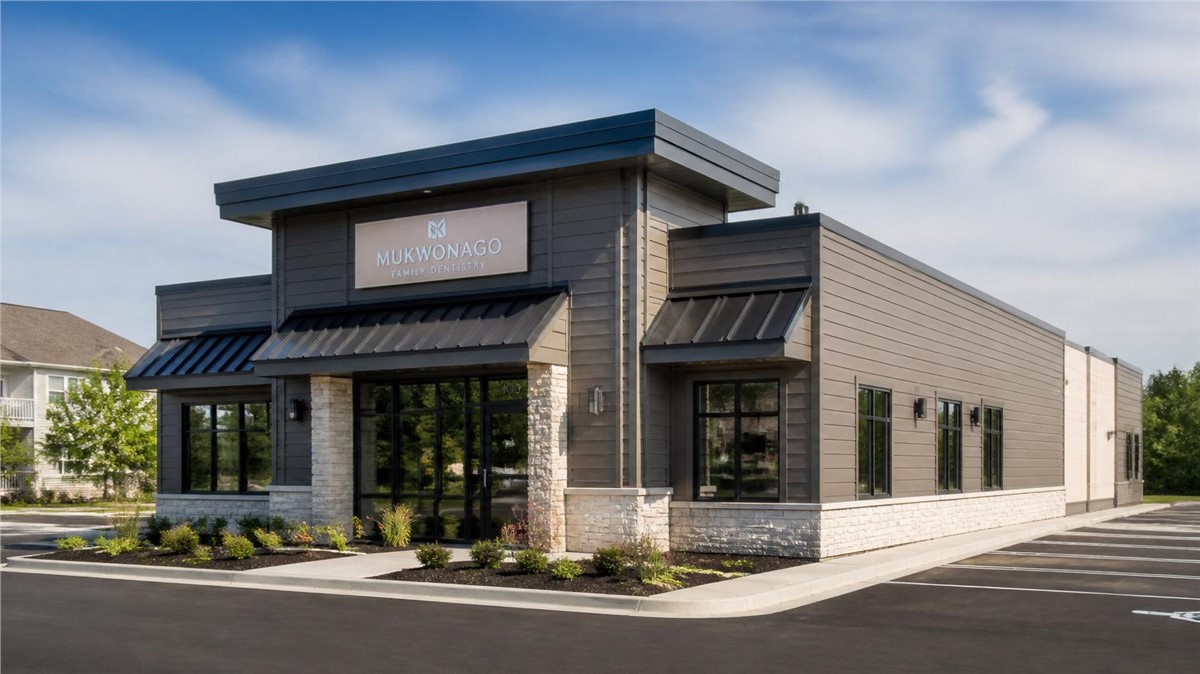
Commercial siding protects more than the outside appearance of a building. It helps shield walls, insulation, tenants, customers, employees, inventory, and interior spaces from rain, wind, snow, ice, moisture, and temperature changes.
For commercial property owners and managers in Mukwonago, WI, siding replacement is both a building protection decision and a budget planning decision. The final cost can vary widely depending on the size of the building, the material selected, the condition of the wall system, and how complex the installation will be.
This guide explains the biggest cost factors that affect commercial siding replacement and what should be reviewed before approving an estimate.
Commercial Siding Replacement Cost Overview
Siding cost ranges vary depending on material, labor, region, building design, and project scope. For general planning, recent national siding guides list installed vinyl siding around $4 to $12 per square foot, while fiber cement is often listed around $6 to $15 per square foot or higher depending on complexity. Angi’s 2026 siding guide notes that overall siding replacement commonly ranges from $5,560 to $17,719 for many projects, with material differences creating major price swings.
These numbers are only planning references. Commercial buildings may cost more or less depending on height, access, wall area, material type, safety needs, moisture repairs, trim details, and whether the building must remain open during work.
Why Commercial Siding Costs Vary
Commercial siding replacement is usually more complex than a simple residential siding project. Buildings may have larger wall surfaces, taller elevations, storefront areas, tenant entrances, utility penetrations, signage, security lighting, loading zones, or wall damage hidden behind the existing siding.
Cost may vary based on:
- Total wall square footage
- Siding material
- Building height
- Removal and disposal
- Wall condition
- Moisture or rot repairs
- Trim and flashing details
- Insulation needs
- Access equipment
- Labor complexity
- Tenant and business scheduling
- Storm damage repairs
A detailed estimate should explain both the material cost and the work needed to install it correctly.
Building Size and Wall Area
The total wall area is one of the biggest cost factors. Larger buildings require more siding, more fasteners, more trim, more labor, and more time.
Commercial buildings may also have multiple elevations with different needs. A front-facing customer area may require a more polished finish, while side or rear walls may prioritize durability and moisture protection.
A contractor may measure:
- Wall height
- Wall length
- Openings for windows and doors
- Parapet or roofline details
- Loading dock areas
- Utility penetrations
- Signage areas
- Trim transitions
Accurate measurements help prevent budget surprises.
Siding Material
Material choice has a major impact on cost, appearance, maintenance, and long-term performance. Vinyl is usually one of the more budget-friendly options, while fiber cement, engineered wood, metal panels, and specialty commercial cladding can cost more depending on design and installation requirements. HomeGuide lists fiber cement siding at a wide installed range, with style and project size affecting cost, and Forbes notes that fiber cement commonly costs more when areas are difficult to access or require extra labor.
Commercial siding options may include:
- Vinyl siding
- Insulated vinyl siding
- Fiber cement siding
- Engineered wood siding
- Metal siding or wall panels
- Composite siding
- Specialty commercial cladding
The right option depends on building use, budget, maintenance expectations, durability needs, and exterior design goals.
Building Height and Access
Access can significantly affect pricing. A one-story commercial building with open ground access is usually easier to work on than a taller building with limited space around the exterior.
Access-related cost factors include:
- Number of stories
- Lift or scaffolding needs
- Parking lot layout
- Sidewalk access
- Landscaping
- Nearby power lines
- Customer entrances
- Loading docks
- Tenant access points
- Safety barriers
If crews need lifts, staging, or special safety planning, the project budget may increase.
Removal of Existing Siding
Removing old siding can add labor, disposal, and cleanup costs. The condition of the existing siding also matters.
Removal may involve:
- Taking off old panels
- Removing damaged trim
- Disposing of debris
- Checking wall sheathing
- Finding hidden moisture damage
- Preparing the wall for new siding
- Correcting old installation issues
If older siding was installed over previous materials, the project may take more time than expected.
Moisture Damage Behind Siding
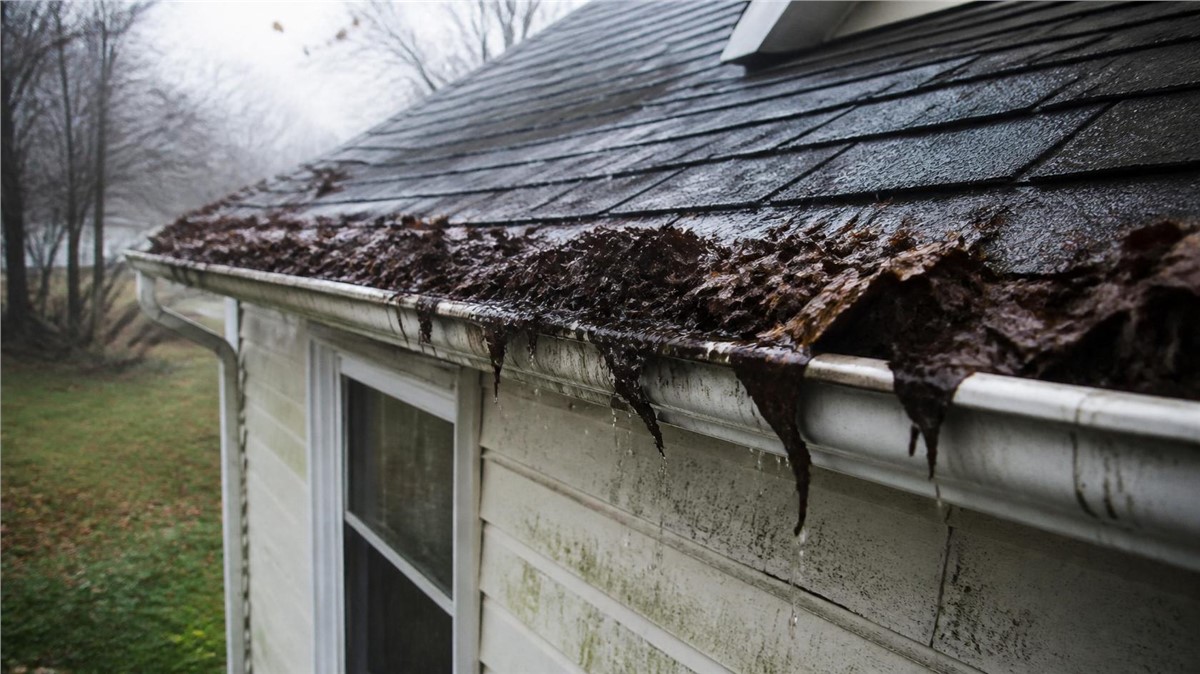
Moisture damage is one of the most important hidden cost factors. If water has been getting behind the siding, repairs may be needed before new siding can be installed.
Warning signs include:
- Soft wall areas
- Rot near trim
- Stains below windows
- Interior wall moisture
- Musty odors
- Mold or mildew concerns
- Warped siding
- Loose panels
- Peeling paint
Replacing siding without fixing hidden moisture damage can lead to future problems.
Trim, Flashing, and Openings
Commercial buildings often have many openings and transitions. Windows, doors, vents, meters, lighting, signage, and roofline details all need proper finishing.
Budget may be affected by:
- Window trim
- Door trim
- Corner trim
- Flashing
- Utility blocks
- Exterior light blocks
- Signage removal or adjustment
- Caulking and sealing
- Transitions to masonry or metal
- Roof edge connections
These details are important because many moisture problems begin around openings and transitions.
Insulation and Weather Protection
Some siding replacement projects include insulation or weather barrier upgrades. This can add cost but may improve comfort and building performance.
Upgrades may include:
- House wrap or weather barrier
- Rigid foam insulation
- Air sealing
- Flashing improvements
- Moisture management details
- Improved trim sealing
In Mukwonago, commercial buildings must handle cold winters, humid summers, heavy rain, snow, ice, wind, hail, and freeze-thaw cycles. Weather protection details should not be skipped.
Storm Damage and Insurance Considerations
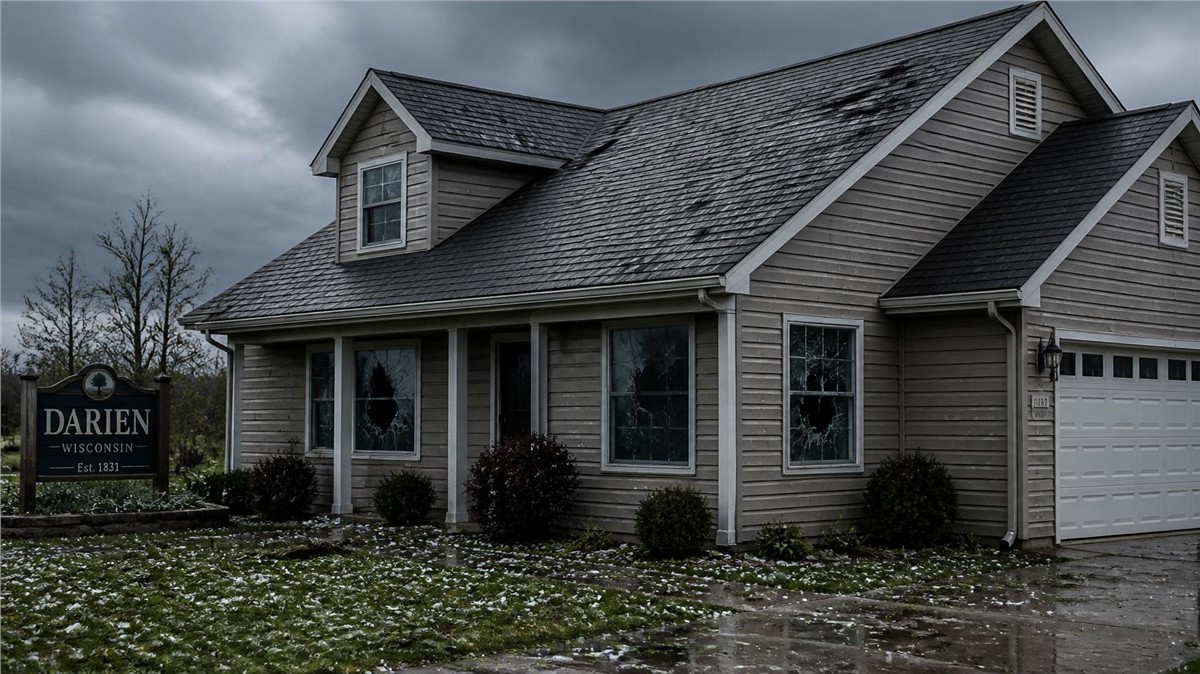
Storm damage can affect commercial siding costs. Hail, wind, debris, and heavy rain may damage siding, trim, roofing, gutters, windows, fascia, soffit, and flashing during the same event.
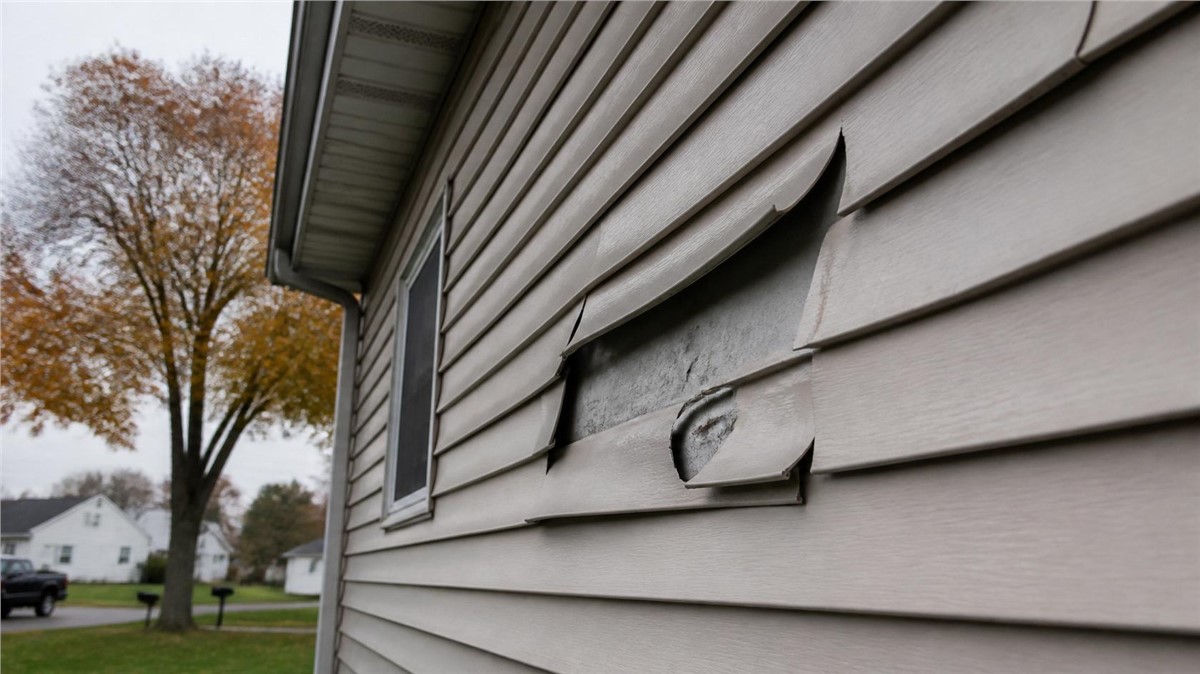
Storm-related siding damage may include:
- Cracked panels
- Holes or punctures
- Loose siding
- Missing sections
- Dented trim
- Water behind siding
- Damaged gutters
- Window or screen damage
If storm damage may involve insurance, property owners should contact their insurance provider to understand coverage, deductibles, deadlines, documentation, and claim requirements.
Business Operations and Scheduling
Commercial siding replacement may affect daily operations. For occupied buildings, scheduling can impact tenants, customers, employees, deliveries, parking, and entry points.
Planning may include:
- Work hours
- Customer entrance access
- Tenant communication
- Parking adjustments
- Loading zone access
- Signage visibility
- Noise expectations
- Safety barriers
- Cleanup timing
A good contractor should help plan the work so the building remains as functional and safe as possible during the project.
Repair vs Replacement
Sometimes siding repair is enough. Other times, full replacement is the better long-term decision.
Repair may make sense if:
- Damage is isolated
- Matching material is available
- Moisture damage is not present
- Trim damage is limited
- The rest of the siding is in good condition
Replacement may be better if:
- Damage is widespread
- Siding is old or brittle
- Panels are loose across multiple walls
- Moisture damage is present
- Repairs would not match well
- Storm damage affects large sections
- Maintenance costs keep increasing
A professional inspection can help compare short-term repair with long-term replacement value.
What Should Be Included in a Commercial Siding Estimate?
A commercial siding estimate should be detailed and easy to understand. It should explain more than just the final price.
A good estimate may include:
- Inspection findings
- Total siding area
- Material recommendation
- Removal and disposal details
- Weather barrier details
- Trim and flashing scope
- Moisture repair concerns
- Access equipment needs
- Project timeline
- Cleanup plan
- Warranty information
- Business access planning
If an estimate leaves out important details, it may not reflect the true project scope.
Why the Lowest Price Is Not Always the Best Value
A low estimate may look attractive, but it may not include removal, flashing, trim, moisture repairs, cleanup, or proper wall preparation. Missing details can lead to added costs later.
Before comparing estimates, property owners should confirm:
- Materials are clearly listed
- Installation details are included
- Trim and flashing are addressed
- Hidden damage terms are explained
- Cleanup is included
- Warranty coverage is clear
- Access and safety needs are accounted for
A complete estimate helps protect both the building and the budget.
Why a Full Exterior Inspection Helps
Commercial siding problems are often connected to the full exterior system. Roofing, gutters, windows, fascia, soffit, flashing, trim, and drainage all affect how water moves around the building.
A full exterior inspection may include:
- Siding or wall panels
- Windows and doors
- Roofing and roof edges
- Gutters and downspouts
- Flashing
- Fascia and soffit
- Interior moisture signs
- Storm damage areas
- Foundation drainage
Huskie Exteriors provides roofing, siding, window, gutter, and storm damage restoration services, helping commercial property owners evaluate the full exterior system.
Why Local Exterior Experience Matters
A local contractor understands how Wisconsin weather affects commercial siding. In Mukwonago, WI, buildings need siding systems that can handle wind, hail, heavy rain, snow, ice, humidity, heat, and freeze-thaw cycles.
Local experience helps property owners understand whether pricing is affected by storm damage, moisture problems, material selection, wall condition, building access, trim details, or business scheduling needs.
Conclusion
Commercial siding replacement cost in Mukwonago, WI depends on building size, siding material, wall height, access, removal, trim, flashing, insulation, hidden moisture damage, storm damage, and how the project affects business operations. Online cost ranges can help with early planning, but an on-site inspection is the best way to understand the actual scope and budget.
If your commercial siding is cracked, loose, faded, storm-damaged, moisture-damaged, or no longer protecting the building properly, Huskie Exteriors can inspect the property and recommend the right next step.
Contact Huskie Exteriors for professional roofing, siding, window, gutter, and storm damage services in Illinois and Wisconsin.
Subscribe to Huskie Exteriors's Blog





Comments