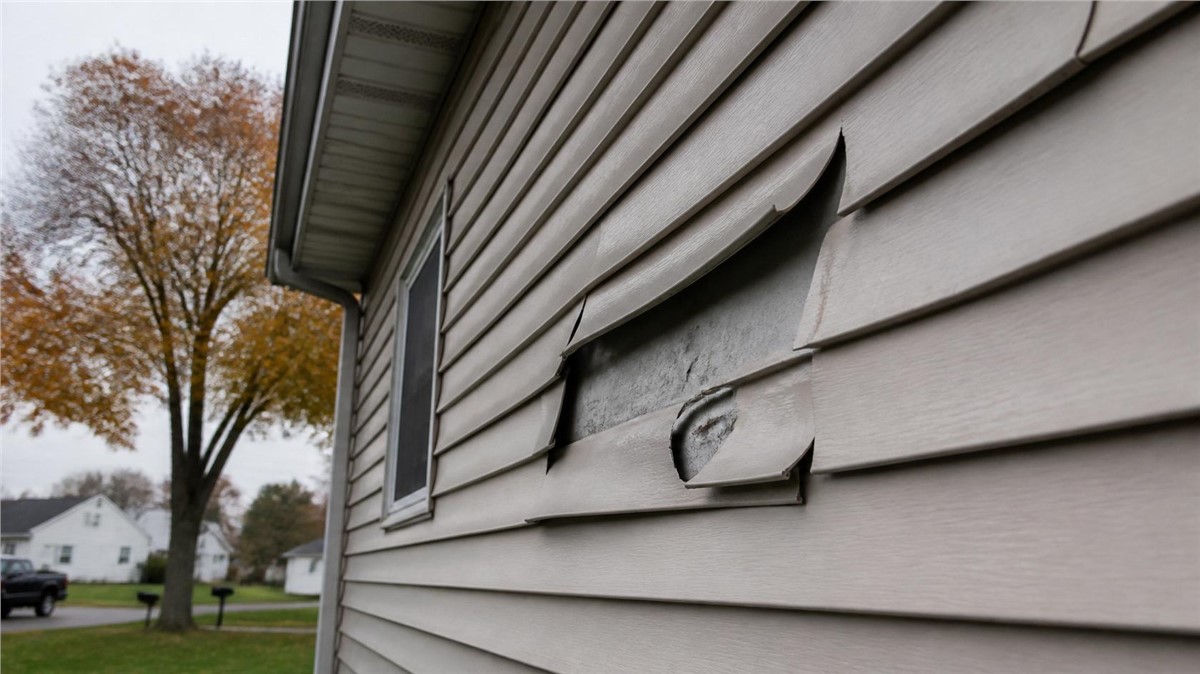
Strong wind can do more than shake trees and move outdoor furniture. It can also loosen siding panels, pull trim away, damage corners, lift flashing, and expose parts of your home to water and moisture.
For homeowners in Burlington, WI, loose siding should not be ignored. Wisconsin weather can bring heavy rain, hail, snow, ice, humidity, and freeze-thaw cycles after wind events. Once siding is loose, the next storm can make the damage worse.
This guide explains why siding comes loose after wind, warning signs to look for, and when it is time to call a contractor.
Why Loose Siding Matters
Siding protects your home from rain, wind, pests, and moisture. When panels loosen or pull away, gaps can form behind the exterior surface.
Loose siding may lead to:
- Moisture behind the wall
- Water stains
- Damaged house wrap
- Soft sheathing
- Mold or mildew concerns
- Pest entry
- Drafts
- Loose trim
- Lower curb appeal
- More storm damage later
Even if the siding has not fallen off, it may no longer be protecting the home properly.
What Loose Siding Looks Like
Loose siding is not always obvious from the street. Sometimes panels shift slightly, unlock from the row below, or pull away near trim.
Look for:
- Siding panels sticking out
- Wavy or uneven sections
- Gaps at seams
- Rattling during wind
- Missing pieces
- Loose corner posts
- Panels hanging down
- Open areas near windows or doors
- Siding pieces in the yard
If siding looks uneven after a storm, it should be inspected before more damage occurs.
Why Wind Loosens Siding
Wind can push, pull, and lift siding panels. If the siding is older, brittle, poorly fastened, or already damaged, wind can make the problem worse.
Common causes include:
- High wind gusts
- Aging siding
- Poor installation
- Loose fasteners
- Brittle panels
- Damaged trim
- Hail impact
- Moisture behind the siding
- Improper expansion space
- Previous storm damage
A contractor can determine whether the issue is isolated or part of a larger exterior problem.
When to Call a Contractor
Homeowners should call a contractor when loose siding creates open gaps, affects multiple areas, or appears after a storm.
Call a contractor if you notice:
- Siding pulling away from the wall
- Missing siding panels
- Cracked or broken siding
- Water behind siding
- Rattling panels during wind
- Loose siding near windows
- Damaged corner posts
- Interior water stains
- Soft trim or sheathing
- Damage on multiple walls
Loose siding can worsen quickly during rain, wind, snow, or freeze-thaw conditions.
Loose Siding Near Windows and Doors
Siding around windows and doors needs special attention. These areas rely on trim, flashing, caulking, and proper siding transitions to keep water out.
Warning signs include:
- Gaps around window trim
- Loose J-channel
- Water stains below windows
- Drafts near openings
- Cracked siding near corners
- Loose door trim
- Failed caulking
- Moisture around interior trim
If siding is loose near an opening, water may be able to enter behind the wall system.
Loose Corner Posts and Trim
Corner posts, trim boards, and siding accessories help hold the exterior system together. When wind loosens these areas, nearby panels may become unstable too.
Trim-related damage may include:
- Loose corner posts
- Cracked trim pieces
- Missing siding accessories
- Open seams
- Gaps around vents
- Loose light blocks
- Damaged utility blocks
- Water stains near trim
Replacing or securing trim may be part of the repair, but the surrounding siding should also be checked.
Can Loose Siding Be Repaired?
Loose siding can often be repaired if the damage is limited and the material is still in good condition.
Repair may be possible when:
- Only a few panels are loose
- Matching siding is available
- No moisture damage is found
- Panels are not brittle
- Fasteners can be corrected
- Trim is still secure
- The wall behind the siding is sound
A simple repair may include reattaching panels, replacing damaged sections, correcting fasteners, or repairing trim.
When Replacement May Be Better
Replacement may be the better option if the siding is old, brittle, faded, cracked, or repeatedly coming loose.
Replacement may be recommended when:
- Loose siding appears on multiple walls
- Panels are cracked or warped
- Matching siding is difficult
- Moisture damage is present
- Siding keeps coming loose
- Storm damage is widespread
- The siding is near the end of its lifespan
- Repairs would not provide lasting protection
A contractor can help compare repair and replacement based on the full condition of the exterior.
Moisture Behind Loose Siding
One of the biggest concerns with loose siding is moisture. Wind-driven rain can enter behind panels and affect hidden materials.
Moisture warning signs include:
- Soft trim
- Dark stains
- Musty odors
- Peeling paint
- Interior wall stains
- Mold or mildew concerns
- Warped siding
- Water marks below windows
If moisture is present, the repair may need to include sheathing, house wrap, flashing, or trim repairs.
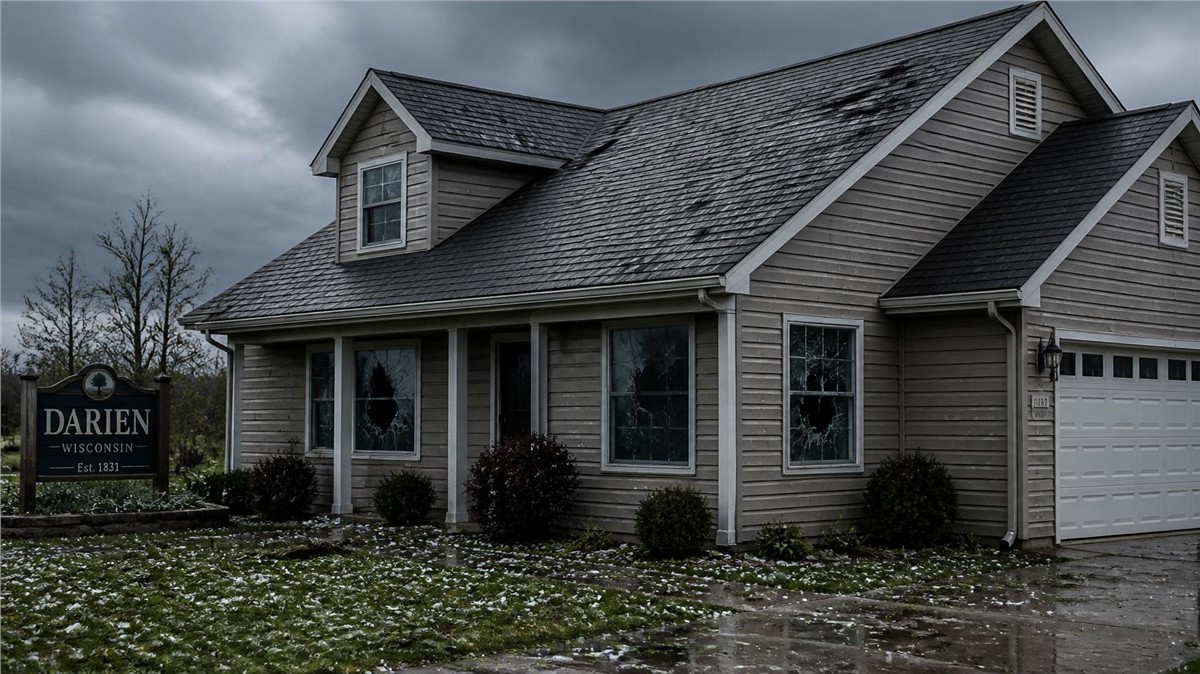
Storm Damage May Affect More Than Siding
Wind damage often affects more than one part of the home. If siding is loose, other exterior areas should also be inspected.
A storm may also damage:
- Roofing shingles
- Ridge caps
- Gutters
- Downspouts
- Window screens
- Exterior trim
- Fascia
- Soffit
- Flashing
- Roof vents
A full exterior inspection helps identify related damage before it becomes a leak or moisture problem.
Gutters and Roof Edges Should Be Checked
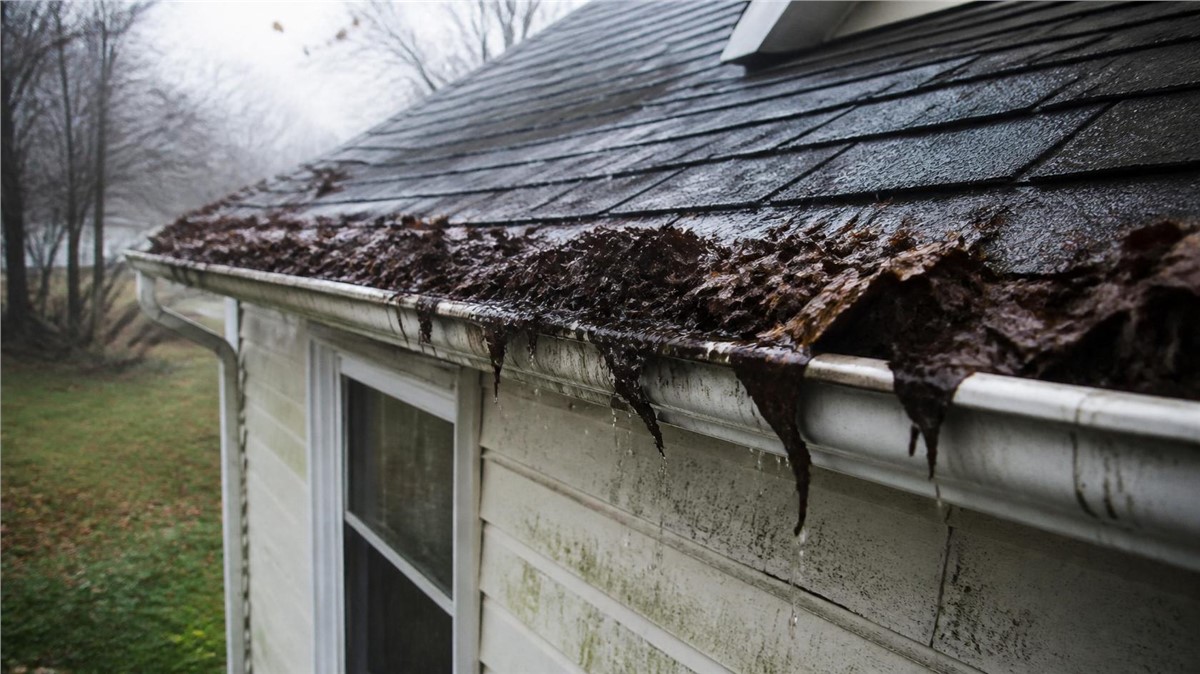
Wind can loosen gutters or pull them away from fascia. If gutters overflow or drain poorly, water may run behind siding and worsen exterior damage.
Gutter warning signs include:
- Sagging gutters
- Loose fasteners
- Leaking seams
- Water running behind gutters
- Dented sections
- Short downspouts
- Overflow during rain
- Fascia damage
If loose siding appears below a gutter issue, drainage may be part of the problem.
What to Do After Wind Damage
After a wind event, homeowners should check the home safely from the ground. Do not pull on loose siding or climb ladders in unsafe conditions.
Helpful steps include:
- Take photos of visible damage
- Note when the wind damage happened
- Look for siding pieces in the yard
- Check ceilings and walls for moisture
- Watch for rattling during wind
- Keep people away from hanging materials
- Schedule a professional inspection
- Contact insurance if storm damage may be involved
Documentation can help during repair planning.
Insurance and Wind Damage
If loose siding was caused by a storm, homeowners should contact their insurance provider to understand their policy, deductible, coverage, claim requirements, and deadlines.
Useful documentation may include:
- Storm date notes
- Photos from the ground
- Videos of loose siding
- Interior water stain photos
- Contractor inspection findings
- Temporary repair receipts
- Adjuster appointment notes
Every policy is different, so claim guidance should come directly from your insurance provider.
What Should Be Included in a Siding Repair Estimate?
A siding repair estimate should explain the damage and the recommended solution.
A good estimate may include:
- Inspection findings
- Damage location
- Siding material
- Matching availability
- Trim or flashing concerns
- Moisture damage concerns
- Repair or replacement recommendation
- Cleanup details
- Timeline expectations
- Warranty information
The estimate should clarify whether the siding can be secured or whether replacement is the better option.
Why a Full Exterior Inspection Helps
Loose siding may be connected to roofing, gutters, windows, flashing, fascia, soffit, trim, and drainage. These systems work together to protect the home from water and weather.
A full exterior inspection may include:
- Siding panels
- Corner posts and trim
- Roofing and roof edges
- Gutters and downspouts
- Windows and screens
- Flashing
- Fascia and soffit
- Interior moisture signs
- Storm damage areas
Huskie Exteriors provides roofing, siding, window, gutter, and storm damage restoration services, helping homeowners evaluate the full exterior system.
Why Local Exterior Experience Matters
A local contractor understands how Wisconsin weather affects siding. In Burlington, WI, homes need siding that can handle wind, hail, heavy rain, snow, ice, humidity, heat, and freeze-thaw cycles.
Local experience helps homeowners determine whether loose siding is caused by wind damage, poor installation, aging materials, moisture, damaged trim, gutter problems, or hidden exterior issues.
Conclusion
Loose siding after wind in Burlington, WI should be inspected when panels are rattling, pulling away, cracked, missing, bent, or creating gaps where moisture can enter. Small repairs may be enough for isolated damage, but widespread loose siding, moisture problems, storm damage, or aging materials may require replacement.
If your siding is loose, storm-damaged, cracked, open, moisture-damaged, or pulling away from your home, Huskie Exteriors can inspect your exterior and recommend the right next step.
Contact Huskie Exteriors for professional roofing, siding, window, gutter, and storm damage services in Illinois and Wisconsin.
Subscribe to Huskie Exteriors's Blog





Comments