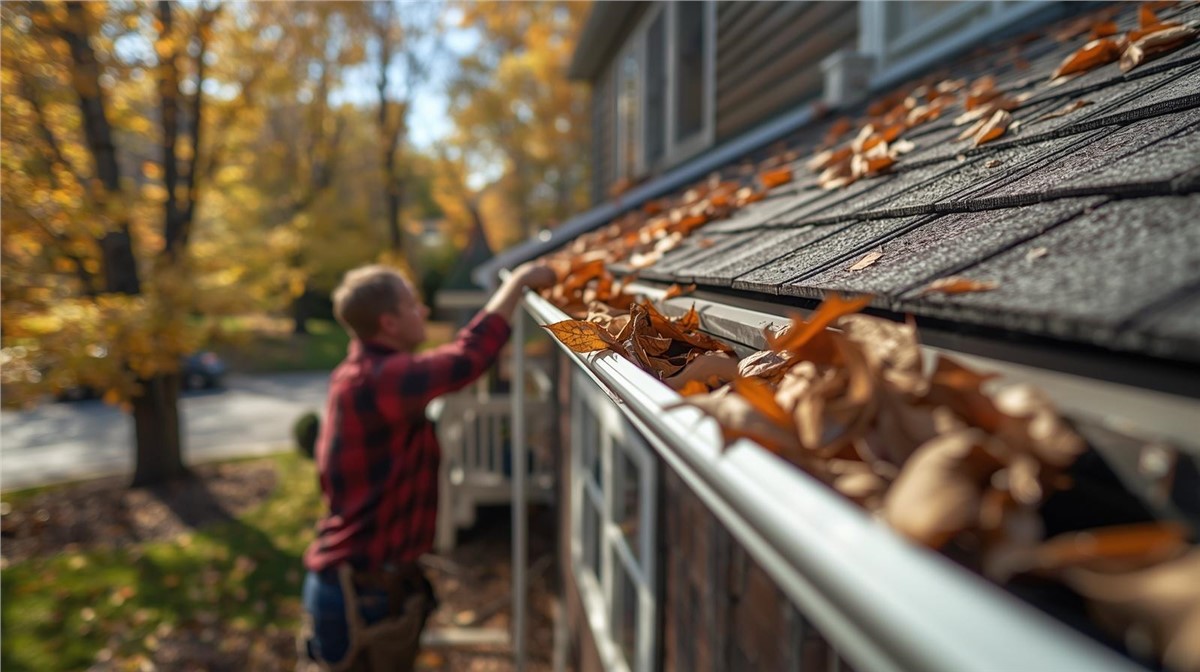
Gutters are easy to overlook until something goes wrong. When they are clean and properly draining, they help move roof runoff away from the home. When they clog, sag, leak, or overflow, water can damage roofing, siding, trim, landscaping, foundation areas, and basement spaces.
For homeowners in Darien, IL, seasonal gutter maintenance is especially important. Midwest weather brings heavy rain, strong wind, hail, falling leaves, snow, ice, and freeze-thaw cycles. These conditions can clog gutters, loosen fasteners, damage downspouts, and create drainage problems around the home.
This seasonal checklist can help homeowners know what to inspect and when to schedule professional help.
Why Seasonal Gutter Maintenance Matters
Gutters are part of the full exterior protection system. They work with the roof, siding, fascia, soffit, windows, and foundation drainage to keep water moving away from vulnerable areas.
Poor gutter maintenance can lead to:
- Roof edge damage
- Fascia and soffit moisture
- Siding stains
- Moisture behind siding
- Basement water concerns
- Foundation soil saturation
- Landscape erosion
- Ice buildup near walkways
- Mold or mildew growth
- Frequent gutter repairs
Checking gutters each season can help prevent small issues from becoming larger exterior problems.
Spring Gutter Checklist
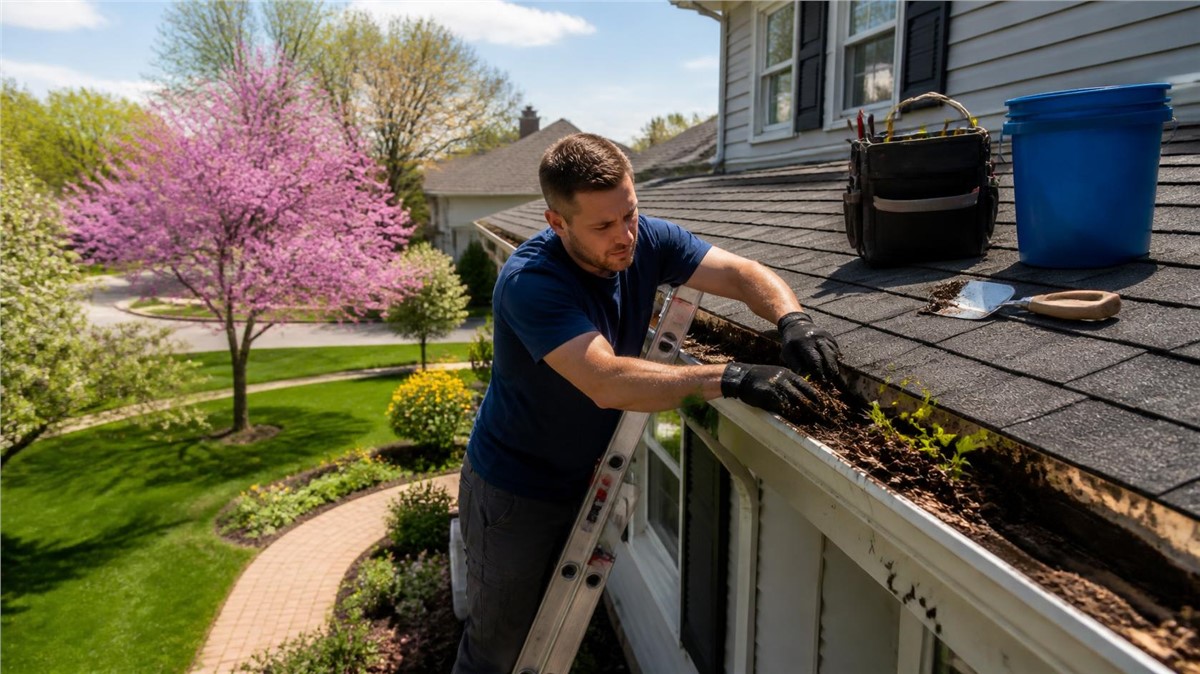
Spring is a good time to inspect gutters after winter snow, ice, and freeze-thaw cycles. Damage from winter may not be obvious until rain starts again.
In spring, check for:
- Leaves, sticks, and winter debris
- Loose gutter sections
- Leaking seams
- Downspouts blocked by debris
- Water pooling near the foundation
- Fascia damage behind gutters
- Sagging sections from ice weight
- Soil erosion near downspout exits
- Siding stains below rooflines
Spring maintenance helps prepare the home for heavy rain and storm season.
Summer Gutter Checklist
Summer storms can bring heavy rain, strong wind, and hail. Gutters need to drain quickly during intense rainfall.
In summer, watch for:
- Overflow during storms
- Dented gutters after hail
- Loose downspouts
- Water spilling over gutter edges
- Granules collecting near downspouts
- Storm debris in gutters
- Water near basement windows
- Washed-out mulch or landscaping
- Gutters pulling away from fascia
If gutters overflow during heavy rain, they may be clogged, undersized, damaged, or poorly sloped.
Fall Gutter Checklist
Fall is one of the most important times for gutter maintenance. Leaves, seed pods, sticks, and roof debris can quickly clog gutters and downspouts.
In fall, homeowners should check for:
- Leaf buildup
- Blocked downspouts
- Clogged gutter outlets
- Debris on roof valleys
- Overflow during rain
- Loose gutter hangers
- Downspouts draining too close to the house
- Stains on siding below gutters
- Branches hanging over the roof
Cleaning gutters before winter helps reduce the risk of ice buildup and winter drainage problems.
Winter Gutter Checklist
Winter can place extra stress on gutter systems. Snow, ice, freezing rain, and thawing cycles can create heavy buildup.
In winter, look for:
- Icicles along gutters
- Ice-filled gutter sections
- Frozen downspouts
- Gutters pulling away
- Ice near walkways
- Water spilling during thawing
- Roof edge buildup
- Fascia or soffit moisture
- Leaks near exterior walls
Homeowners should avoid climbing ladders in icy conditions. If winter gutter problems are visible, schedule professional help when it is safe.
After-Storm Gutter Checklist
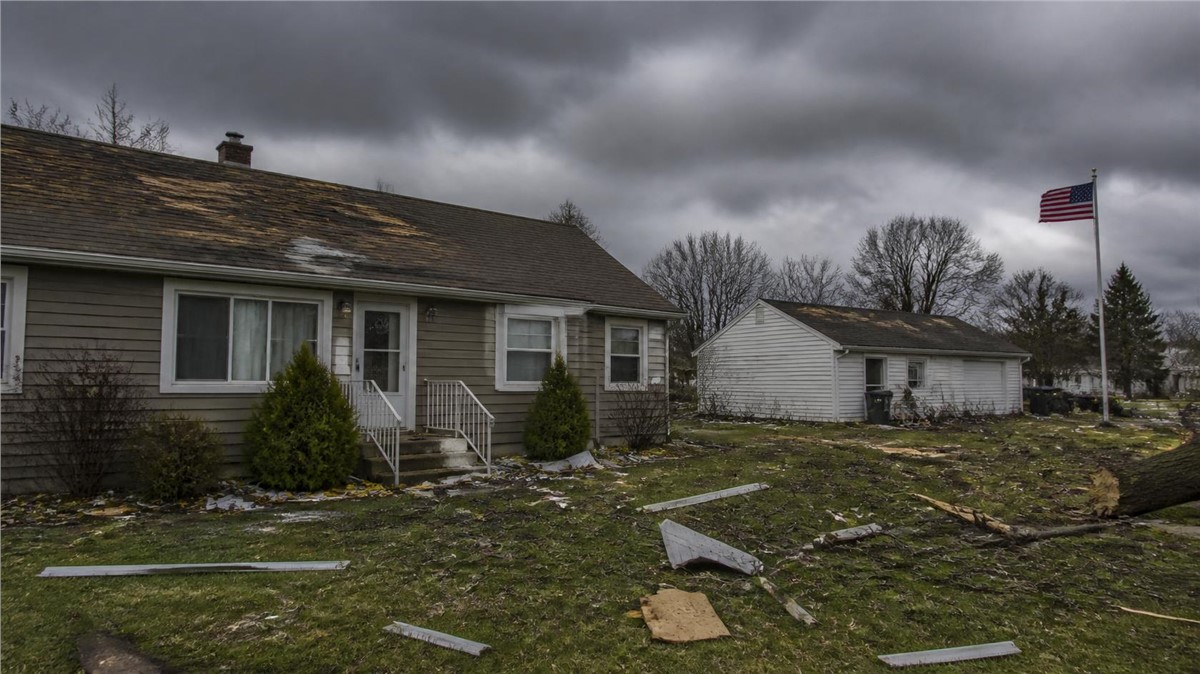
Severe weather can damage gutters in one event. After hail, high wind, or heavy rain, inspect gutters safely from the ground.
Check for:
- Dented gutters
- Dented downspouts
- Loose fasteners
- Sagging sections
- Disconnected downspouts
- Fallen branches
- Water pooling near the foundation
- Siding stains
- Granules near downspout exits
- Overflow during the next rain
If hail damaged gutters, the roof, siding, windows, and trim should also be inspected.
Signs Your Gutters Are Not Draining Properly
Drainage problems may show up during rain or after the storm has passed.
Warning signs include:
- Water spilling over the front edge
- Water running behind the gutter
- Gutters tilted the wrong way
- Downspouts with little or no flow
- Standing water inside gutters
- Soil erosion below rooflines
- Wet foundation areas
- Basement dampness
- Mold or mildew near lower walls
Poor drainage should be addressed quickly because water can affect multiple parts of the home.
Downspout Maintenance
Downspouts are just as important as the gutters themselves. If downspouts are blocked or placed poorly, water may collect near the foundation.
Check that downspouts:
- Are firmly attached
- Are not crushed or bent
- Drain away from the home
- Do not empty near basement windows
- Are free of leaves and debris
- Do not drain across walkways
- Are not blocked by ice
- Direct water toward safe drainage areas
Downspout extensions may be needed if water is pooling too close to the house.
How Gutters Protect the Roof
Gutters help manage water at the roof edge. When gutters clog or overflow, water can back up near the eaves or run behind the gutter.
This can affect:
- Drip edge
- Fascia boards
- Soffit areas
- Roof decking near edges
- Shingles near eaves
- Ice buildup during winter
Keeping gutters clean helps protect the roofline from unnecessary moisture.
How Gutters Protect Siding and Foundations
When gutters fail, water often runs down siding or collects near the foundation. Over time, this can lead to stains, moisture problems, and lower-wall damage.
Gutter problems may cause:
- Siding streaks
- Soft trim
- Moisture behind siding
- Peeling paint
- Foundation soil saturation
- Basement water issues
- Landscape washout
- Mildew near lower walls
A properly maintained gutter system helps move water away from these vulnerable areas.
Should You Consider Gutter Guards?
Gutter guards may help reduce leaves, sticks, and larger debris from entering the gutter system. They can be useful for homes with nearby trees or frequent clogs.
However, gutter guards do not make gutters maintenance-free. Small debris, roof granules, seeds, and ice can still affect performance. Gutters with guards should still be checked each season and after storms.
Repair vs Replacement
Gutter repair may be enough when the issue is small and the system is still performing well overall.
Repair may make sense if:
- One section is loose
- A seam is leaking
- A downspout needs reattachment
- A small slope adjustment is needed
- Debris is causing temporary overflow
- The gutters are in good condition overall
Replacement may be better if:
- Gutters sag in several areas
- Multiple seams leak
- Gutters overflow often
- Rust, cracks, or holes are present
- Downspouts are poorly placed
- Fascia damage is present
- Repairs are becoming frequent
A professional inspection can help determine the most practical option.
Why a Full Exterior Inspection Helps
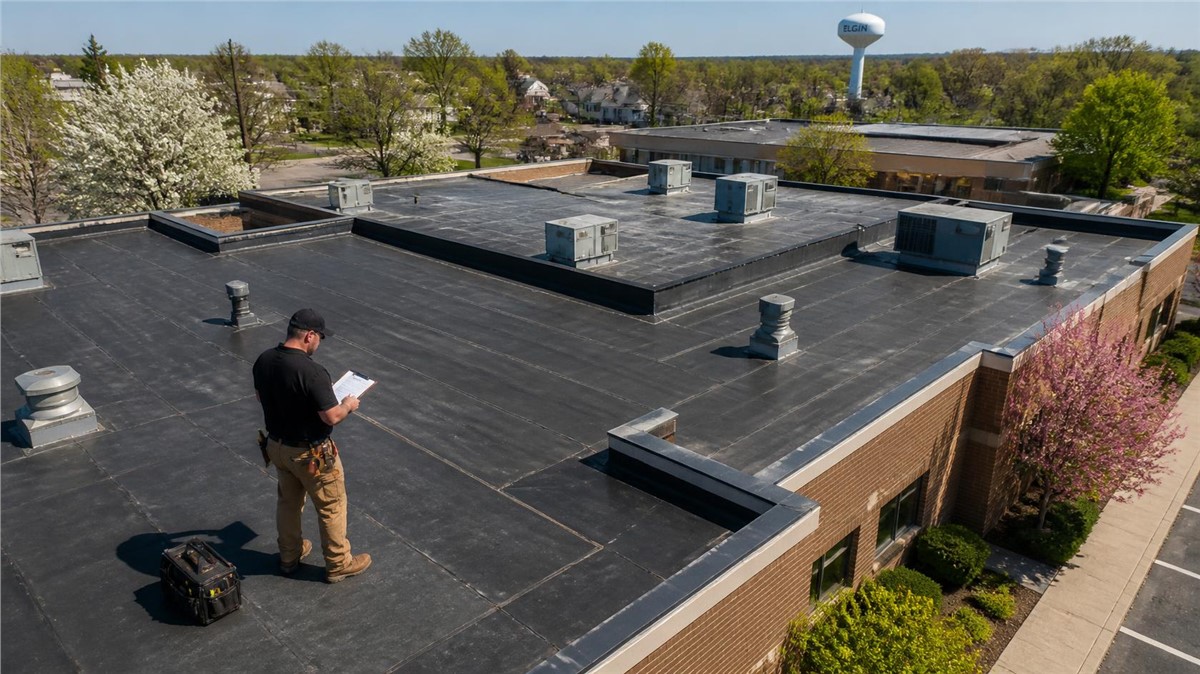
Gutter issues are often connected to other exterior concerns. Roofing, siding, fascia, soffit, windows, trim, and foundation drainage all affect how water moves around the home.
A full exterior inspection may include:
- Gutters and downspouts
- Roofing and roof edges
- Siding
- Windows and trim
- Fascia and soffit
- Flashing
- Foundation drainage
- Storm damage areas
Huskie Exteriors provides roofing, siding, window, gutter, and storm damage restoration services, helping homeowners evaluate the full exterior system.
Why Local Exterior Experience Matters
A local contractor understands how northern Illinois weather affects gutter systems. In Darien, IL, gutters need to handle heavy rain, hail, wind, leaves, snow, ice, and freeze-thaw cycles.
Local experience helps homeowners identify whether gutter problems are caused by clogs, storm damage, poor slope, aging materials, roof edge issues, or drainage concerns.
Conclusion
Seasonal gutter maintenance in Darien, IL helps protect your roof, siding, fascia, soffit, foundation, basement, landscaping, and walkways. Checking gutters in spring, summer, fall, winter, and after severe storms can help homeowners catch problems before they become larger repairs.
If your gutters are overflowing, sagging, leaking, clogged, dented, or draining too close to the home, Huskie Exteriors can inspect your exterior and recommend the right next step.
Contact Huskie Exteriors for professional roofing, siding, window, gutter, and storm damage services in Illinois and Wisconsin.
Subscribe to Huskie Exteriors's Blog






Comments