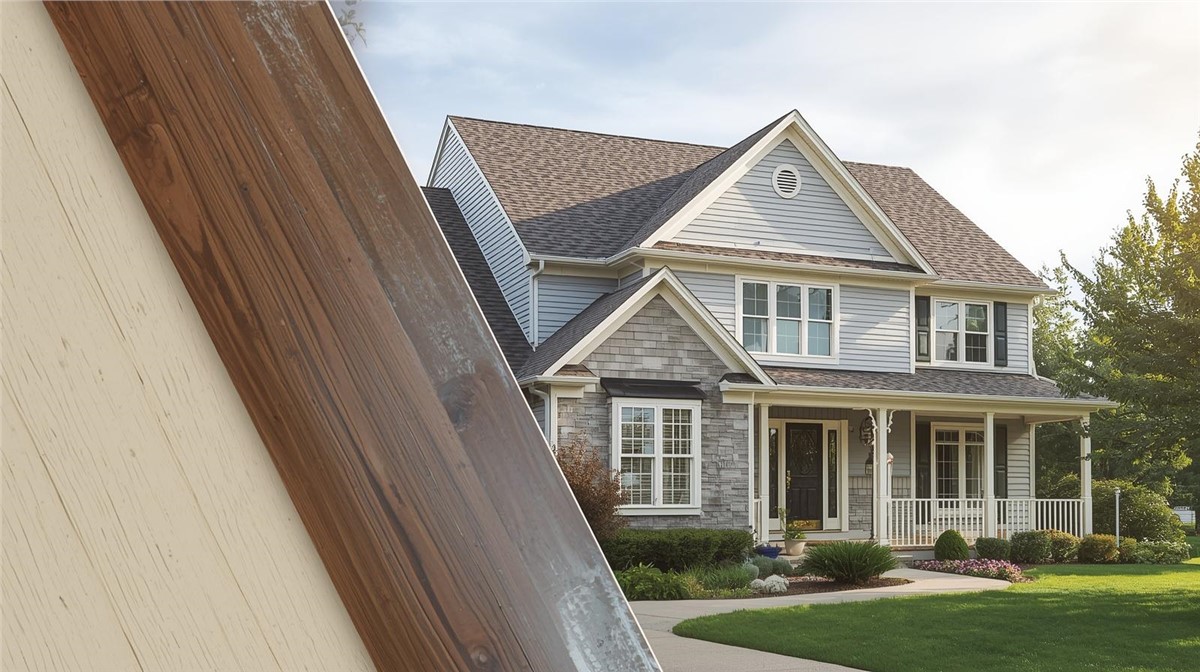
Siding is one of the most important protective layers on your home. It helps shield the structure from rain, wind, moisture, pests, temperature changes, and storm damage while also shaping curb appeal.
For homeowners in Woodridge, IL, choosing weather-resistant siding matters. Midwest weather can bring strong storms, hail, heavy rain, winter snow, ice, humidity, and freeze-thaw cycles. Over time, these conditions can crack, loosen, warp, fade, or damage siding that is not properly selected or installed.
Understanding your siding options can help you choose a material that looks good and performs well through changing Illinois seasons.
Why Weather-Resistant Siding Matters
Siding does more than cover the outside of your home. It helps protect the wall system underneath. When siding fails, moisture can reach sheathing, insulation, framing, trim, and interior walls.
Weather-resistant siding can help reduce:
- Moisture behind siding
- Cracks and impact damage
- Wind-related loosening
- Mold or mildew concerns
- Soft trim
- Fading and surface wear
- Pest entry points
- Interior water stains
- Frequent repair needs
A strong siding system helps protect your home year-round.
Weather Challenges in Woodridge, IL
Woodridge homes face a wide range of weather conditions. A siding material should be chosen with these conditions in mind.
Local concerns include:
- Hailstorms
- Strong wind
- Heavy rain
- Wind-driven moisture
- Snow and ice
- Freeze-thaw cycles
- Summer heat
- Humidity
- Falling branches and storm debris
The best siding option depends on your home’s exposure, age, design, maintenance goals, and budget.
Vinyl Siding
Vinyl siding is a popular choice for many Midwest homes because it is low maintenance, available in many colors, and generally cost-effective.
Potential benefits include:
- Low maintenance
- Wide color selection
- Moisture resistance
- No painting required
- Variety of styles
- Good curb appeal options
Vinyl siding can work well for many Woodridge homes, but installation quality is important. Vinyl expands and contracts with temperature changes, so it must be fastened properly. If it is installed too tightly, it can buckle or warp.
Insulated Vinyl Siding
Insulated vinyl siding includes a foam backing that can add rigidity and help improve comfort around exterior walls.
Potential benefits include:
- Better panel strength
- Improved wall appearance
- Added insulation value
- Reduced drafts in some areas
- Increased impact resistance compared to standard panels
- Clean finished look
This option may be useful for homeowners who want a more solid feel and improved exterior performance while keeping the lower-maintenance benefits of vinyl.
Fiber Cement Siding
Fiber cement siding is known for durability and a strong finished appearance. It can offer a heavier, more substantial look than standard vinyl siding.
Potential benefits include:
- Strong durability
- Good resistance to warping
- Attractive wood-like appearance
- Fire-resistant qualities
- Variety of colors and profiles
- Solid performance when installed correctly
Fiber cement can be a good option for homeowners who want a premium look and strong weather resistance. It does require proper installation and maintenance, especially around seams, trim, and painted finishes.
Engineered Wood Siding
Engineered wood siding can provide a warm, natural-looking appearance while offering improved durability compared to traditional wood siding.
Potential benefits include:
- Wood-like texture
- Strong curb appeal
- Good impact resistance
- Variety of colors and profiles
- Suitable for many home styles
- Lighter than some heavier siding products
Engineered wood siding should be installed with proper moisture protection, flashing, and clearances. Like any siding product, it performs best when the full exterior system is managed correctly.
Traditional Wood Siding
Wood siding can provide a classic look, but it usually requires more maintenance than modern siding materials.
Wood siding may need:
- Regular painting or staining
- Moisture monitoring
- Caulking maintenance
- Pest protection
- Rot inspections
- More frequent upkeep
For homeowners who value a natural appearance, wood can still be appealing. However, in Woodridge weather, maintenance is especially important to help prevent moisture and rot.
Metal Siding and Accent Materials
Metal siding or metal accent materials may be used on some homes for a modern look or added durability in specific areas.
Potential benefits include:
- Strong impact resistance
- Modern appearance
- Low maintenance in some applications
- Good durability
- Useful for accent sections
Metal siding can dent from hail depending on product type and thickness. It should also be installed with proper flashing and drainage details to reduce moisture concerns.
What Makes Siding Weather-Resistant?
The siding material matters, but the full installation system matters just as much. Weather-resistant siding depends on how well the exterior manages water, wind, and temperature movement.
Important details include:
- Proper fastening
- Correct spacing for expansion and contraction
- Flashing around windows and doors
- Moisture barrier condition
- Trim installation
- Clean seams
- Proper clearances
- Good caulking where needed
- Drainage paths behind and around siding
Even a high-quality siding product can fail early if installation details are missed.
Impact Resistance for Hail and Debris
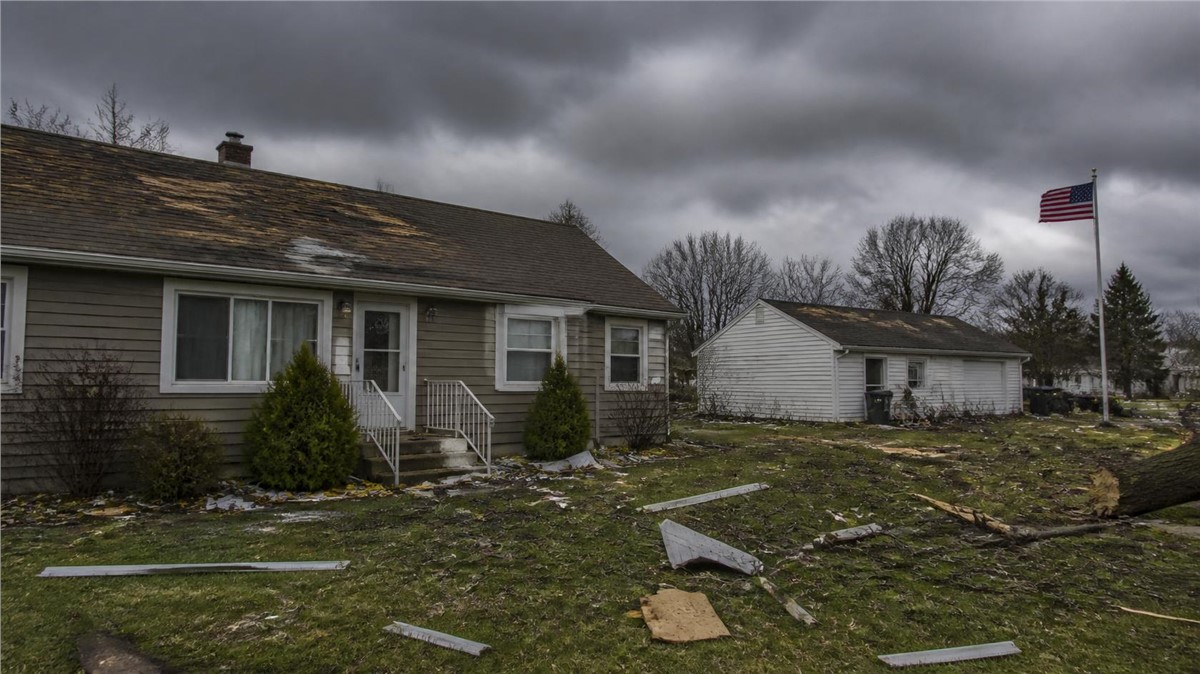
Hail and storm debris can damage siding. Some materials handle impact better than others, but no siding is completely damage-proof.
After hail, homeowners should look for:
- Cracks
- Holes
- Dents
- Chipped edges
- Broken corner pieces
- Loose panels
- Torn window screens
- Dented gutters
If hail damages siding, the roof, gutters, windows, fascia, and soffit should also be inspected.
Moisture Resistance and Drainage
Moisture control is one of the most important parts of siding performance. Heavy rain, snowmelt, and wind-driven moisture can test every seam, trim board, and opening.
Moisture-related siding problems may include:
- Warping
- Mold or mildew
- Soft trim
- Interior stains
- Peeling paint
- Damp insulation
- Musty odors
- Water stains below windows
Proper flashing, gutters, downspouts, and drainage help siding last longer.
How Gutters Affect Siding Performance
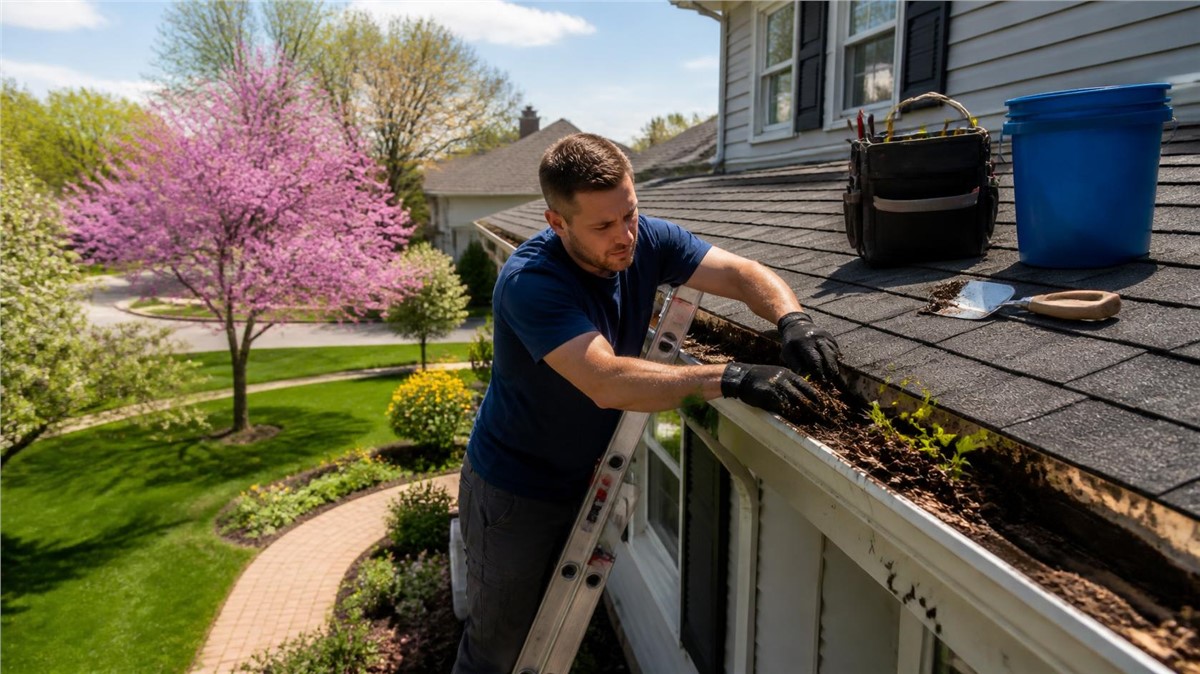
Gutters protect siding by moving roof runoff away from exterior walls. When gutters overflow or leak, water may run down siding and enter small gaps.
Gutter issues that can damage siding include:
- Clogged gutters
- Sagging sections
- Leaking seams
- Short downspouts
- Water spilling over the edge
- Ice buildup near rooflines
- Downspouts draining too close to the foundation
Before installing new siding, gutters and downspouts should be checked.
Choosing the Right Siding for Your Home
The best siding choice depends on several factors.
Consider:
- Your budget
- Desired appearance
- Maintenance preferences
- Weather exposure
- Impact resistance needs
- Color options
- Trim details
- Existing roof and gutter condition
- Long-term repair needs
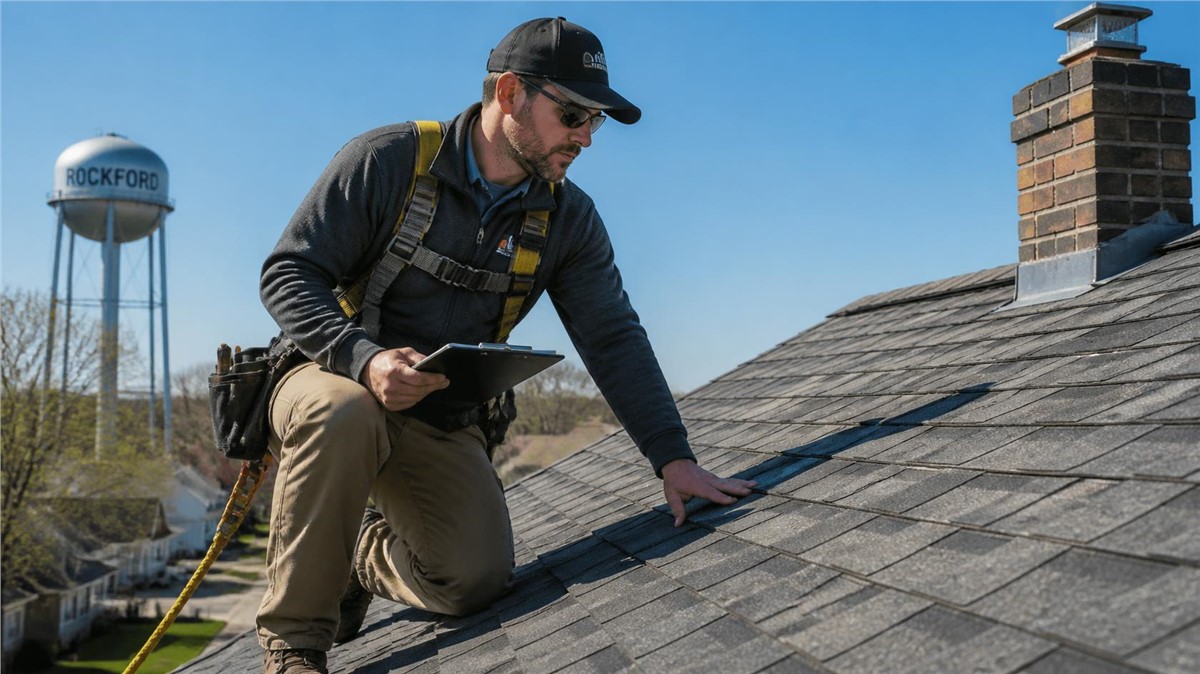
A professional inspection can help identify which siding material makes the most sense for your home.
Repair vs Replacement
Siding repair may be enough if the damage is minor and isolated.
Repair may make sense if:
- Only a few panels are damaged
- Matching material is available
- Trim damage is limited
- No moisture has entered the wall system
- The siding is still in good condition overall
Replacement may be better if:
- Damage affects multiple walls
- Siding is brittle, warped, or faded
- Moisture damage is present
- Storm damage is widespread
- Repairs would not match well
- Panels keep coming loose
- You want a full curb appeal update
A professional inspection can help homeowners make a practical decision.
Why a Full Exterior Inspection Helps
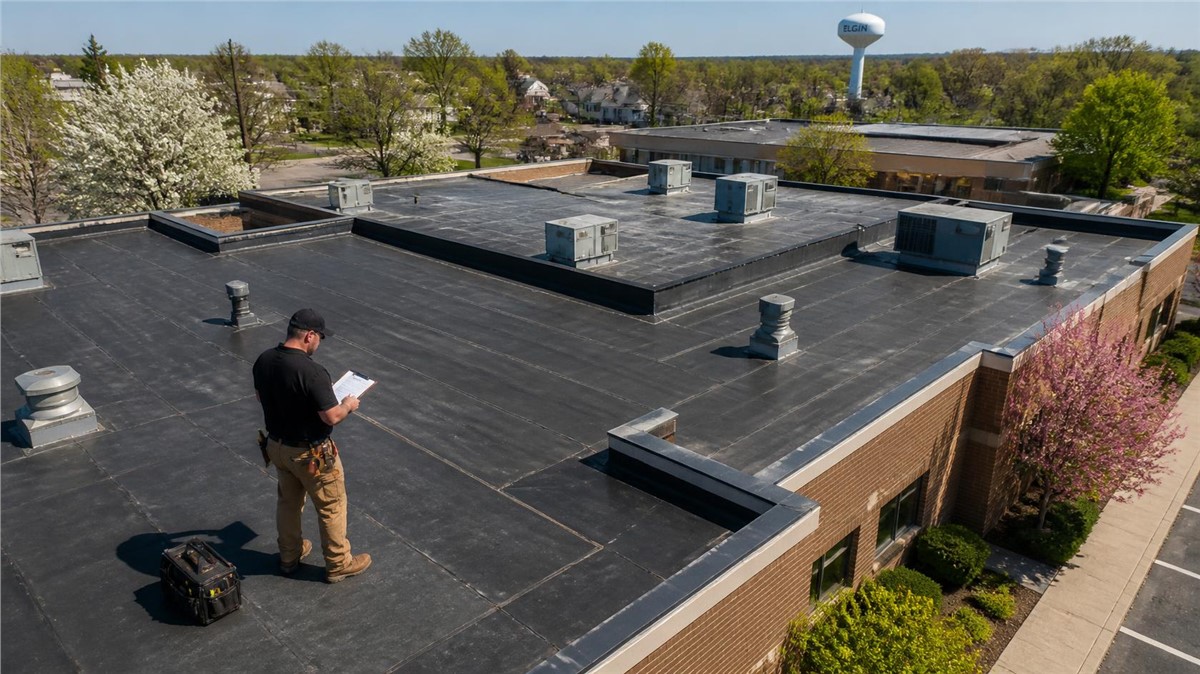
Siding works with the rest of the exterior. Roofing, gutters, windows, trim, fascia, soffit, flashing, and drainage all affect how well siding protects the home.
A full exterior inspection may include:
- Siding condition
- Roofing and roof edges
- Gutters and downspouts
- Windows and trim
- Fascia and soffit
- Flashing
- Interior moisture signs
- Storm damage areas
Huskie Exteriors provides roofing, siding, window, gutter, and storm damage restoration services, helping homeowners evaluate the full exterior system.
Why Local Exterior Experience Matters
A local contractor understands how Illinois weather affects siding performance. In Woodridge, IL, homes need siding that can handle hail, wind, rain, snow, ice, humidity, heat, and freeze-thaw cycles.
Local experience helps homeowners compare siding options, avoid installation mistakes, identify hidden moisture issues, and choose materials that fit the home’s long-term needs.
Conclusion
Weather-resistant siding options for Woodridge, IL homes should be chosen based on durability, moisture resistance, maintenance needs, impact performance, curb appeal, and local weather exposure. Vinyl, insulated vinyl, fiber cement, engineered wood, wood, and metal accents can all have a place depending on the home and project goals.
If your siding is aging, storm-damaged, cracked, warped, faded, or showing signs of moisture problems, Huskie Exteriors can inspect your home and recommend the right next step.
Contact Huskie Exteriors for professional roofing, siding, window, gutter, and storm damage services in Illinois and Wisconsin.
Subscribe to Huskie Exteriors's Blog




Comments