Roof repairs are part of protecting your home from weather, moisture, and long-term exterior damage. Even a small roof issue can turn into a leak if it is ignored, especially during strong storms or winter weather.
For homeowners in Stockton, IL, common roof repair needs are often connected to hail, wind, heavy rain, snow, ice, and freeze-thaw cycles. These conditions can damage shingles, flashing, vents, gutters, fascia, soffit, and roof edges.
Knowing the most common roof repairs can help homeowners understand what to watch for and when to call a professional.
Why Roof Repairs Should Not Be Delayed
Roof damage does not always cause an immediate leak. A few missing shingles, loose flashing, or minor storm damage may seem small at first, but water can enter during the next heavy rain or snowmelt.
Delayed roof repairs may lead to:
- Ceiling stains
- Damp attic insulation
- Mold or mildew concerns
- Damaged roof decking
- Soft fascia or soffit
- Interior drywall damage
- Higher repair costs later
- Shorter roof lifespan
Catching roof problems early can help protect the full home exterior.
Missing or Damaged Shingles
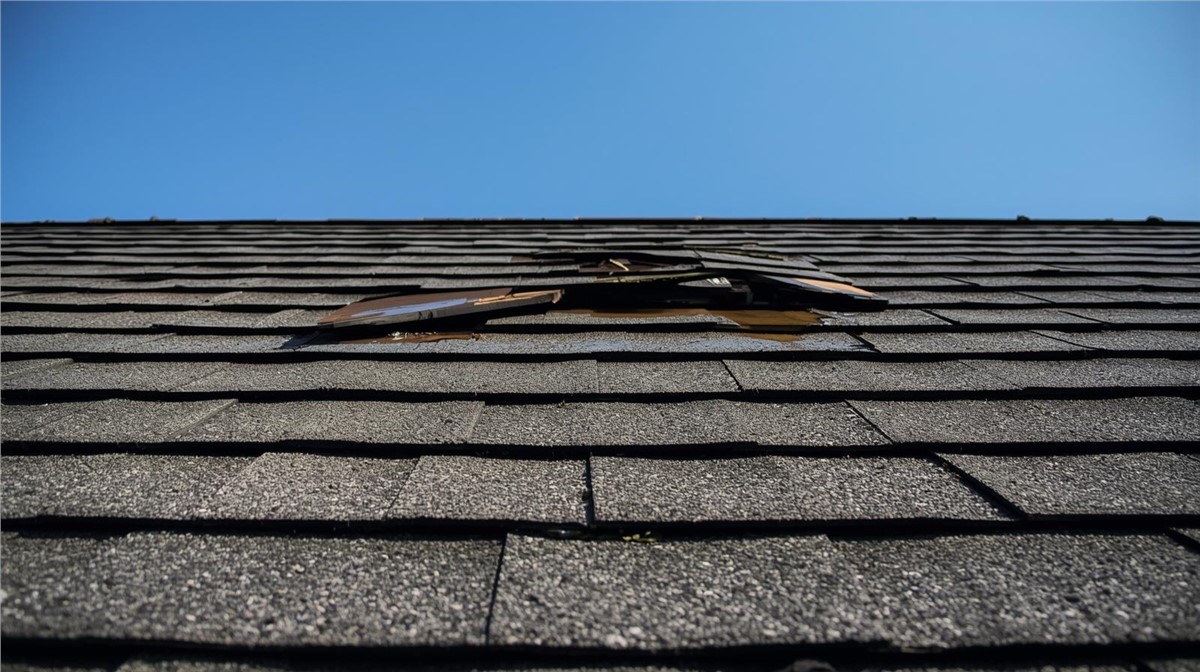
Missing shingles are one of the most common roof repairs. Wind can lift shingles or tear them away completely. Hail can crack, bruise, or weaken them.
Signs of shingle damage include:
- Shingles in the yard
- Missing roof sections
- Curling shingle edges
- Cracked shingles
- Lifted shingles
- Dark impact marks
- Heavy granule loss
- Uneven roof appearance
A few damaged shingles may be repairable, but widespread damage may point to a larger roof problem.
Roof Leak Repairs
Roof leaks can happen around shingles, flashing, vents, valleys, chimneys, skylights, or roof edges. Sometimes the leak source is not directly above the interior stain because water can travel through attic spaces before showing up indoors.
Warning signs include:
- Ceiling stains
- Active dripping
- Damp attic insulation
- Musty odors
- Bubbling paint
- Water near vents or chimneys
- Dark spots on decking
- Peeling drywall
Roof leaks should be inspected quickly before moisture spreads.
Flashing Repairs
Flashing helps seal vulnerable areas where the roof meets another surface. When flashing is loose, rusted, cracked, or poorly sealed, water can enter the home.
Common flashing repair areas include:
- Chimneys
- Skylights
- Roof valleys
- Dormers
- Wall transitions
- Vent pipes
- Roof-to-siding connections
Flashing problems are common because these areas handle a lot of water during storms.
Storm Damage Repairs
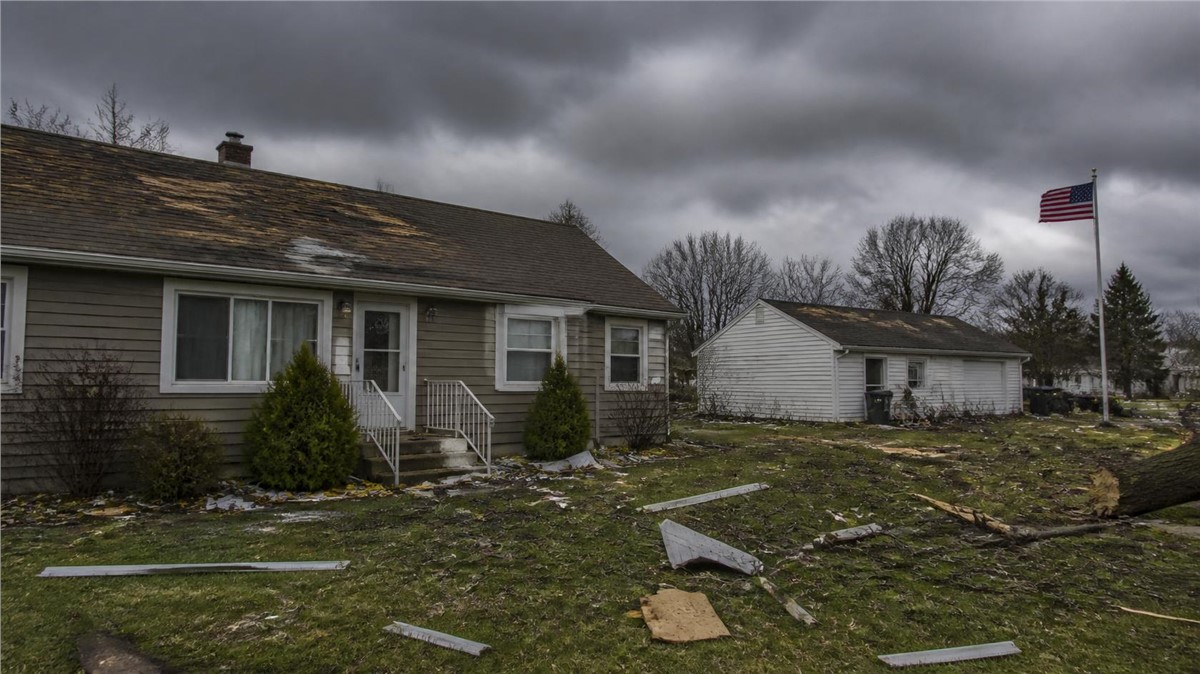
Stockton homeowners should check their roof after hail, wind, and severe weather. Storm damage can affect roofing materials even when the home looks fine from the ground.
Storm-related roof repairs may include:
- Replacing missing shingles
- Repairing lifted shingles
- Fixing damaged flashing
- Replacing cracked ridge caps
- Repairing damaged roof vents
- Addressing hail impact damage
- Removing debris
- Checking gutters and downspouts
If hail or wind damaged your roof, siding, windows, and gutters should also be checked.
Roof Vent and Pipe Boot Repairs
Roof vents and pipe boots help protect openings where pipes and ventilation components pass through the roof. Over time, seals can crack, loosen, or wear out.
Signs of vent or pipe boot problems include:
- Water stains near bathrooms or kitchens
- Leaks around vent areas
- Cracked rubber boots
- Loose vent covers
- Damaged metal flashing
- Moisture in attic areas
These repairs are often small when caught early but can cause leaks if ignored.
Roof Edge Repairs
Roof edges are exposed to wind, rain, ice, and gutter overflow. Damage near the roof edge can affect shingles, drip edge, fascia, soffit, and gutters.
Common roof edge issues include:
- Loose shingles near eaves
- Damaged drip edge
- Soft fascia
- Loose gutters
- Water running behind gutters
- Ice buildup
- Rot near roof edges
Because roof edges connect several exterior systems, repairs may need to include gutters, fascia, or soffit.
Gutter-Related Roof Repairs
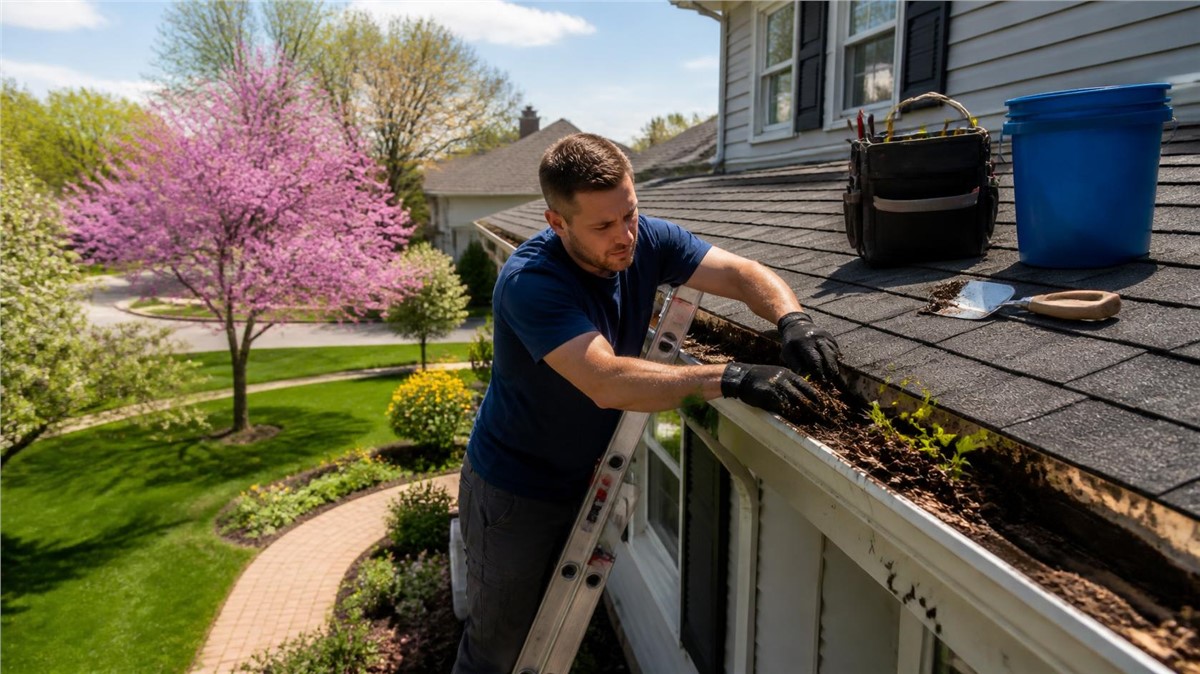
Gutters help move water away from the roofline and foundation. When gutters clog, sag, leak, or pull away, water can back up near the roof edge.
Gutter issues that may affect the roof include:
- Clogged gutters
- Overflow during rain
- Ice-filled gutters
- Sagging gutter sections
- Loose downspouts
- Water behind gutters
- Granules collecting near downspouts
If gutter problems are causing roof edge damage, both systems should be addressed together.
Winter Roof Repairs
Winter weather can create roof problems that may not be obvious until spring. Snow, ice, and freeze-thaw cycles can expose weak areas and make small gaps worse.
Winter-related repairs may involve:
- Ice-damaged roof edges
- Loose shingles after wind
- Leaks during thawing
- Damaged flashing
- Frozen gutter issues
- Moisture in attic areas
- Fascia and soffit damage
A spring roof inspection can help identify damage left behind by winter weather.
Attic Moisture and Ventilation Repairs
Not every roof problem starts on the outside. Poor attic ventilation can trap heat and moisture, which may affect roof decking, insulation, and shingles.
Signs of ventilation or attic moisture concerns include:
- Musty attic smells
- Damp insulation
- Frost in the attic during winter
- Mold or mildew
- Hot upper rooms
- Ice buildup near roof edges
- Shingles wearing faster than expected
Roof repairs may need to include ventilation improvements if moisture is affecting the roof system.
Repair vs Replacement
Roof repair may be enough when the damage is isolated and the rest of the roof is still in good condition.
Repair may make sense if:
- Only a few shingles are missing
- One flashing area is leaking
- One vent boot is damaged
- Gutter damage is minor
- No widespread moisture damage is found
- The roof is not near the end of its lifespan
Roof replacement may be better if:
- Leaks keep returning
- Shingles are worn throughout the roof
- Storm damage affects multiple slopes
- Granule loss is heavy
- Decking or insulation is damaged
- Repairs are becoming frequent
- The roof is aging and no longer reliable
A professional inspection can help homeowners decide which option is more practical.
Why a Full Exterior Inspection Helps
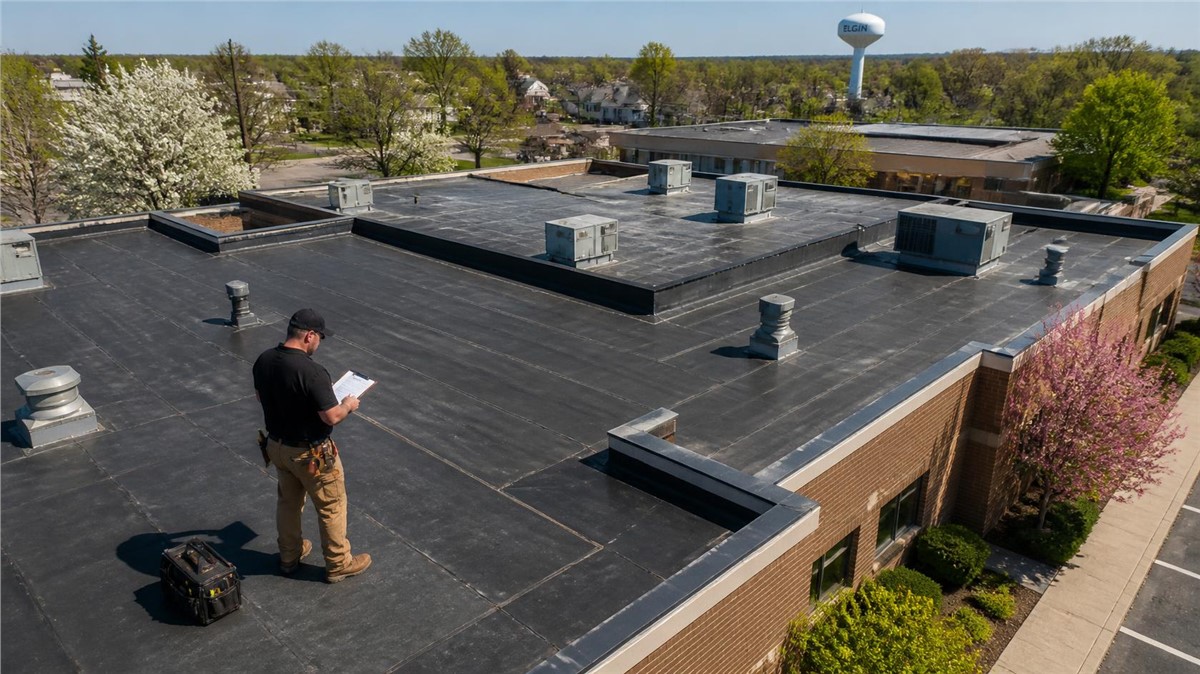
Roof problems are often connected to other exterior issues. Hail, wind, heavy rain, snow, ice, and freeze-thaw cycles can affect roofing, siding, gutters, windows, fascia, soffit, and trim during the same season or storm.
A full exterior inspection may include:
- Roofing
- Gutters and downspouts
- Siding
- Windows and trim
- Flashing
- Fascia and soffit
- Attic moisture signs
- Storm damage areas
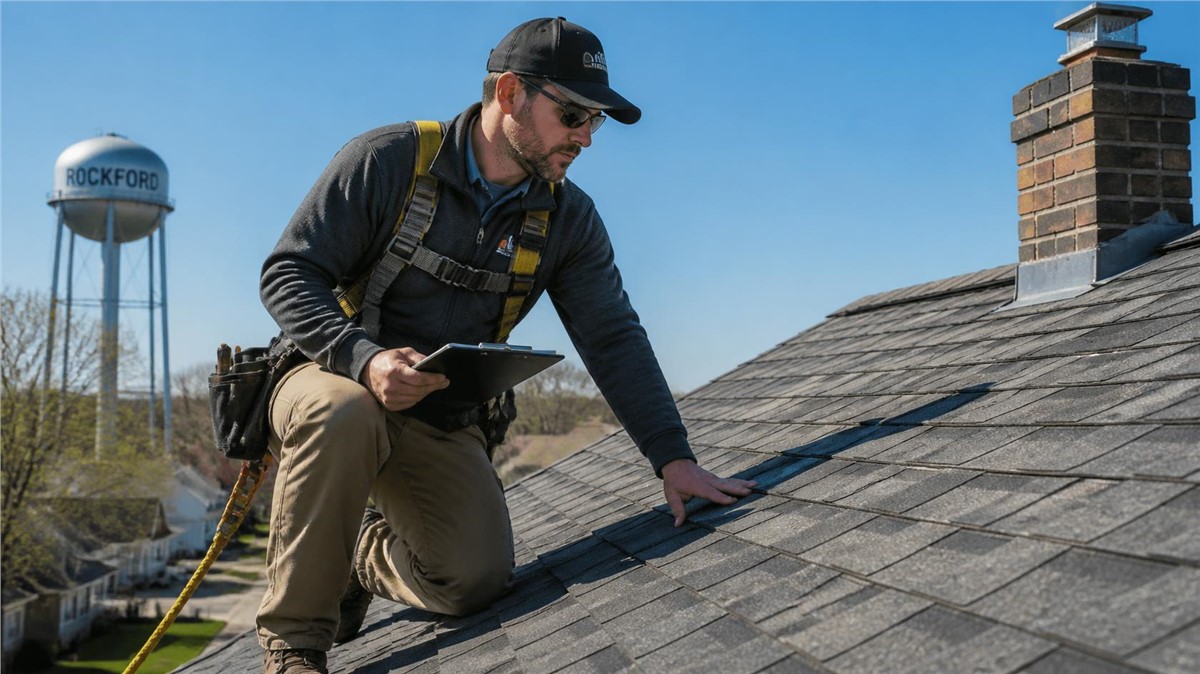
Huskie Exteriors provides roofing, siding, window, gutter, and storm damage restoration services, helping homeowners evaluate the full exterior system.
Why Local Exterior Experience Matters
A local contractor understands how northwest Illinois weather affects roofing systems. In Stockton, IL, roofs need to handle hail, wind, rain, snow, ice, humidity, heat, and freeze-thaw cycles.
Local experience helps homeowners identify whether roof repairs are caused by storm damage, aging materials, poor ventilation, gutter problems, or installation concerns.
Conclusion
Common roof repairs needed by homeowners in Stockton, IL include missing shingles, leaks, flashing issues, storm damage, vent problems, roof edge damage, gutter-related repairs, and attic moisture concerns. Addressing these problems early can help protect your home from larger repairs.
If your roof is leaking, missing shingles, showing storm damage, or causing interior moisture concerns, Huskie Exteriors can inspect your home and recommend the right next step.
Contact Huskie Exteriors for professional roofing, siding, window, gutter, and storm damage services in Illinois and Wisconsin.
Subscribe to Huskie Exteriors's Blog





Comments