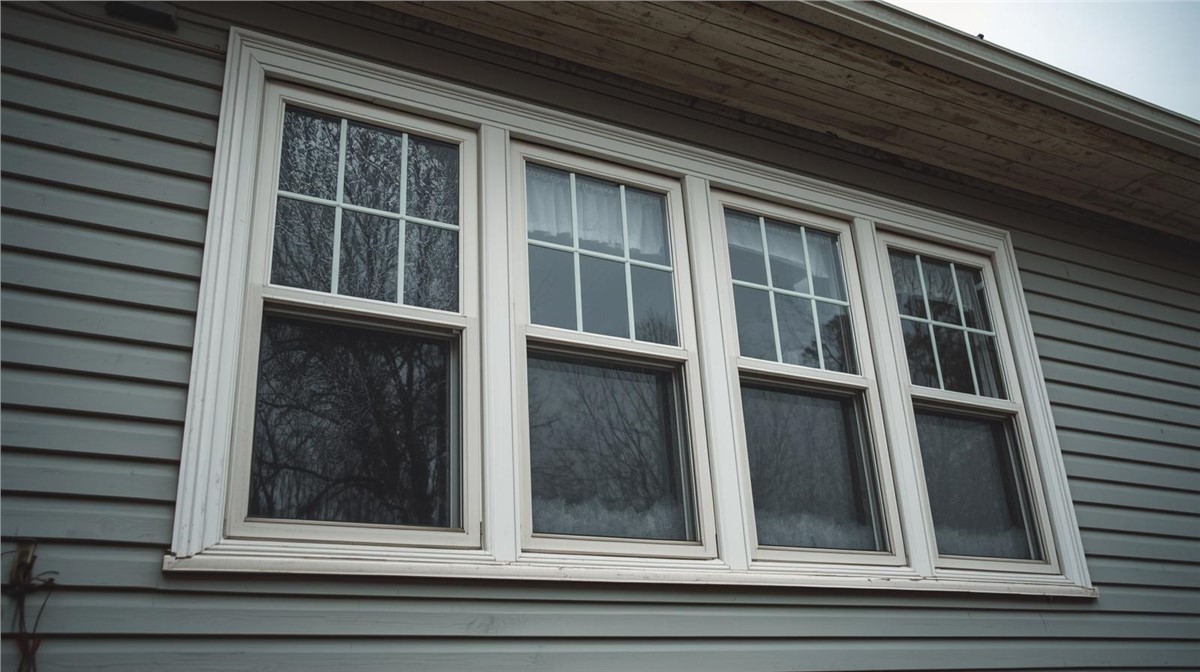
If your windows in Naperville, IL are drafty, fogging between panes, harder to open, leaking, or tied to rising energy bills, it may be time to replace them. Current 2026 guidance says fogging between panes usually points to a failed seal, while older single-pane or poorly performing windows can contribute to drafts and higher energy costs. Naperville’s permit guide also says a permit is required for window replacement that alters the size or style, or installs a window in a new location.
Why This Matters in Naperville, IL
In Naperville, windows do more than bring in light. They affect comfort, insulation, outside noise, and how hard your heating and cooling system has to work. In a climate with cold winters and warm summers, windows that are failing can make rooms feel drafty in winter and less efficient year-round. Older single-pane windows provide minimal insulation and can lead to drafts and higher energy costs.
The local process matters too. Naperville’s building permit guide says window or door replacement requires a permit when the work alters the size or style of the opening or installs a window in a new location. That means a straightforward same-opening replacement may be treated differently from a project that changes the opening.
Common Signs You May Need New Windows
Drafts Around the Window
If you feel cold air in winter or warm air creeping in during summer, that is one of the most common signs your windows are no longer performing well. Broken seals, worn materials, or poor insulating performance can all contribute. A persistent draft that is not fixed by new seals is one reason replacement may be the better option.
Fogging Between Panes
Fogging or condensation between the glass panes is a strong sign of seal failure. Condensation between the panes of double- or triple-glazed windows usually means the seal has failed, allowing moisture to enter.
Higher Energy Bills
If your energy bills have gone up and there is no obvious cause, your windows may be part of the problem. Unexplained increases in energy bills can indicate it is time for window replacement, especially when older windows are no longer insulating well.
Windows That Stick or Do Not Open Properly
Windows that are hard to open, close, or lock can point to wear, frame movement, hardware problems, or broader age-related failure.
Leaks or Water Seeping In
If water gets in around the window during rain, the problem should be addressed quickly. Unchecked leaks can lead to mold and home damage.
Rotting Frames or Visible Damage
Visible frame damage, rotting wood, broken seals, and repeated repairs are all signs that replacement may make more sense than continuing to patch the problem.
Noticeable Outside Noise
If outside sound feels easier to hear than it should, your windows may not be insulating well anymore.
When Repair May Still Make Sense
Sometimes a full replacement is not the first step. Minor leaks, localized sealant problems, or limited hardware issues may still be repairable. Recent 2026 repair guides say foggy-window repairs can cost about $75 to $200, and leaking window repairs can range roughly $100 to $600 depending on cause and scope.
Repair may make sense when:
- the issue is limited to one window
- the frame is still in good condition
- the problem is minor and localized
- the window is otherwise performing well
But if you are dealing with repeated drafts, constant fogging, rising bills, and several aging windows at once, replacement often makes more long-term sense.
When Replacement Usually Makes More Sense
Replacement usually makes more sense when:
- multiple windows are showing the same problems
- seals have failed between panes
- energy bills are rising
- frames are rotting or visibly damaged
- the windows are difficult to operate
- leaks keep coming back
Condensation between panes, frame damage, and energy-bill increases are all common signs replacement may be the better route.
What a Professional Window Inspection Should Check
A good contractor should inspect more than just the glass.
Typical checklist:
- drafts and air leakage
- seal failure and pane fogging
- frame condition
- water intrusion signs
- operation and locking
- whether repair is still realistic
- whether the opening is being changed in a way that affects permitting
Permit Notes for Naperville, IL
Naperville’s permit guide says a permit is required for window or door replacement that alters the size or style of the opening or installs a window or door in a new location. Recent city permit reports also show window projects that involved modifying wall framing and installing new window configurations, which reinforces that scope matters.
FAQs
Does fogging between panes mean I need new windows?
Often yes. Condensation between panes usually means the seal has failed, which reduces the window’s insulating performance.
Can old windows raise energy bills?
Yes. Older and poorly insulated windows can contribute to drafts and higher energy costs, especially single-pane or failing sealed units.
Are drafts always a sign of replacement?
Not always. Some drafts can be improved with minor sealing or repair, but a persistent draft that does not improve is a common sign replacement may be needed.
When should I replace instead of repair?
Replacement usually makes more sense when multiple windows have failed seals, repeated leaks, frame damage, or rising energy-loss symptoms.
Do I need a permit for replacing windows in Naperville, IL?
Naperville says a permit is required when the project alters the size or style of the opening or puts a window in a new location.
Get a Free Estimate in Naperville, IL
If your windows in Naperville, IL are drafty, fogging, or driving up energy bills, Huskie Exteriors is here to help with honest inspections and practical recommendations built for Midwest weather. We serve homeowners across Northern Illinois and Southern Wisconsin with windows, roofing, siding, and gutters designed for long-term performance.
Schedule your free estimate with Huskie Exteriors today. We will inspect your current windows, explain whether repair or replacement makes more sense, and help you choose the right next step for your home.
Subscribe to Huskie Exteriors's Blog





Comments