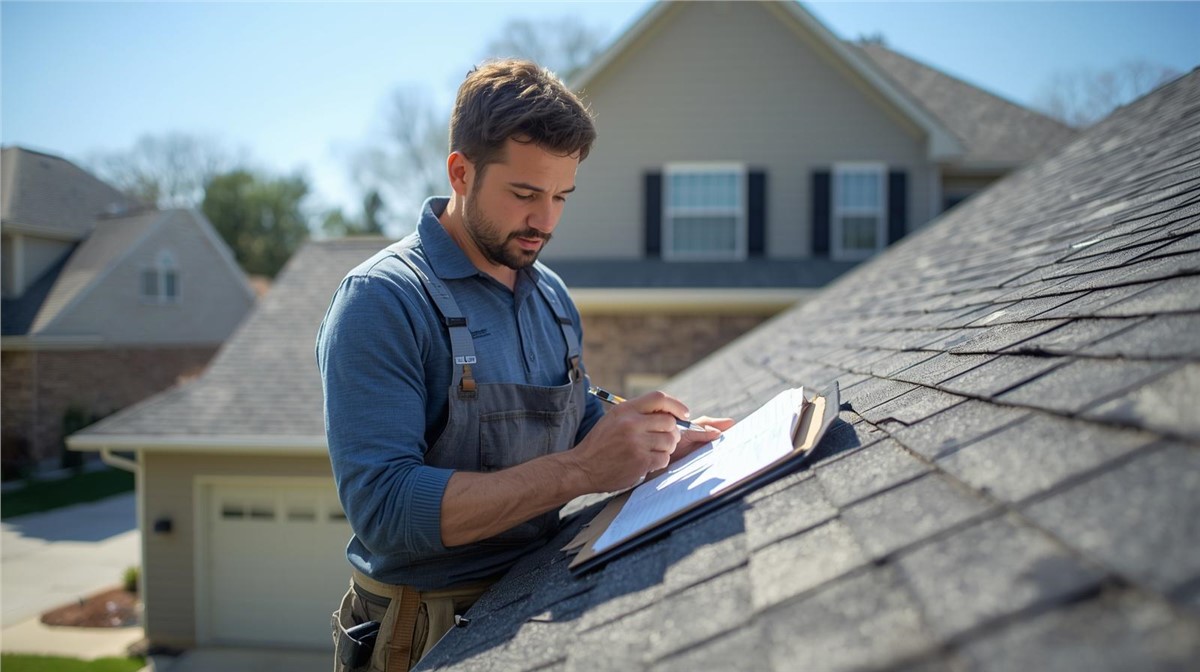
In Schaumburg, IL, roofing insurance claims usually start with three things: document the damage, prevent further damage if it can be done safely, and report the claim promptly. Standard homeowners insurance typically covers roof damage caused by covered perils such as wind and hail, but not every roof issue is covered, and deductibles can vary, including wind or hail deductibles on some policies. Schaumburg also requires permit compliance for roofing work, and its express permit materials list a $75 permit fee for residential reroof permits, with current roofing-license documentation required before permit issuance.
Why This Matters in Schaumburg, IL
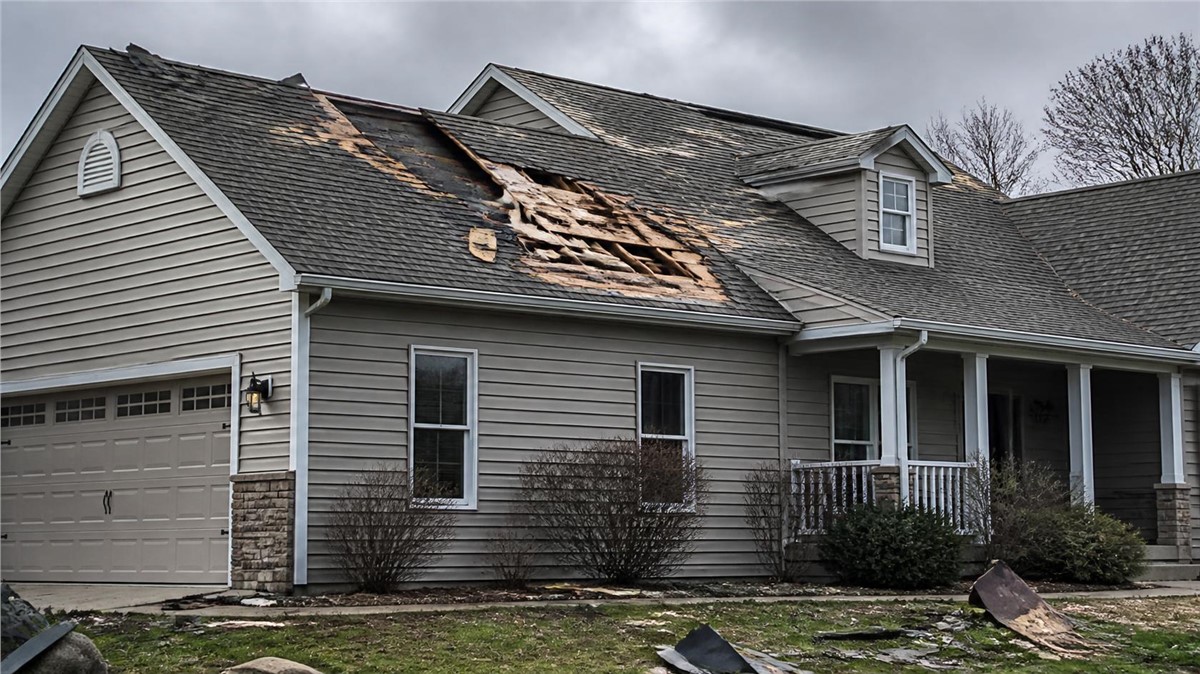
Roofing insurance claims matter in Schaumburg because weather-related roof damage is a realistic local issue, not a rare one. Wind, hail, and heavy storms can damage shingles, flashing, and roof edges in ways that may not immediately leak but can still shorten the life of the roof and lead to bigger problems later. Standard homeowners insurance policies typically cover damage from perils such as windstorms and hail, which is why storm-related roof claims are one of the most common reasons homeowners start the claims process.
It also matters because not every water problem is treated the same way. Water damage from a roof leak is typically covered, but flood damage, groundwater, and rain runoff are not covered under a standard homeowners policy. That difference matters a lot when a homeowner is deciding whether the damage is likely an insurance issue or a maintenance issue.
For homeowners in Schaumburg, the real issue is not only whether the roof was damaged. It is whether the damage was caused by a covered event, how quickly it is documented, and whether the claim is handled carefully enough to avoid preventable disputes later. Illinois also provides a complaint path through the Department of Insurance for claim disputes, which shows how important documentation and process can become.
Common Reasons Homeowners File Roofing Insurance Claims
Wind Damage
Wind can lift shingles, break seals, damage flashing, and expose the roof to future leaks. Standard homeowners policies typically cover windstorm damage, subject to policy terms and deductibles.
Hail Damage
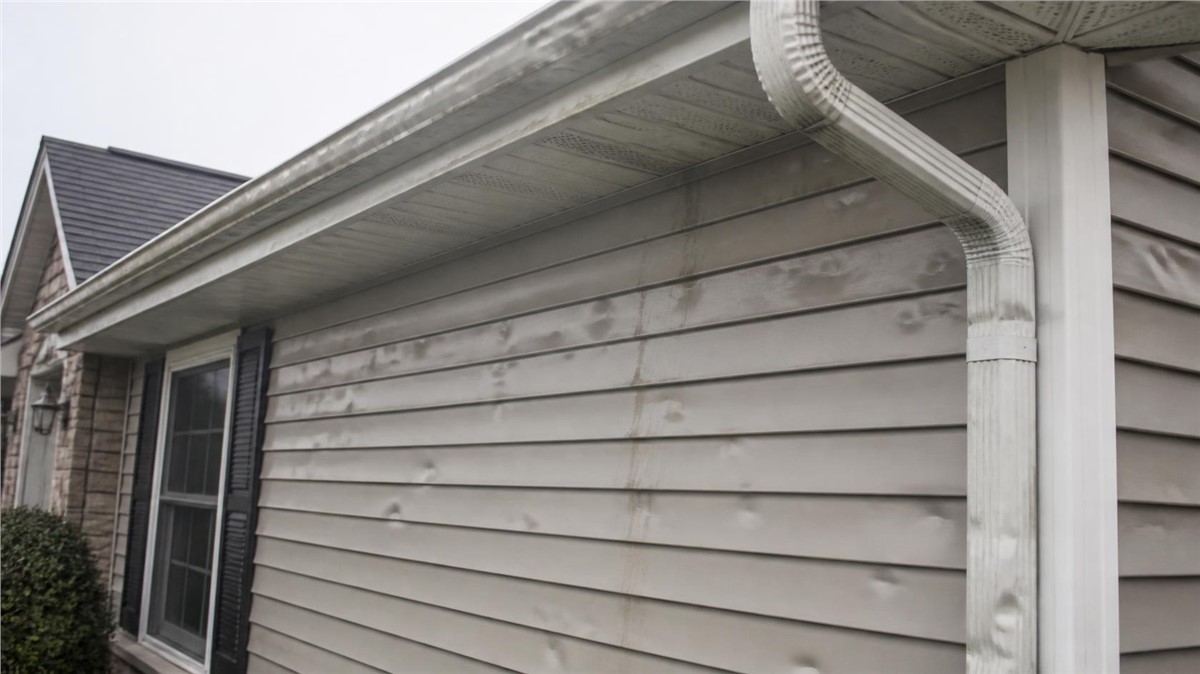
Hail can bruise shingles, knock off granules, crack tabs, and dent flashing or metal roof accessories. Hail is also typically treated as a covered peril under standard homeowners insurance, again subject to the policy and deductible structure.
Falling Tree or Branch Impact
When a storm drops a tree limb on the roof, homeowners often have both structural and water-entry concerns. Falling objects are commonly treated as covered causes of loss in standard homeowners coverage.
Sudden Roof Leaks After a Storm
A leak that starts after a wind or hail event may point to covered damage, especially if shingles, flashing, or penetrations were compromised by the storm. Roof leak damage is typically covered, while flood and surface water are handled differently.
What to Do First After Roof Damage
1. Protect the Home From Further Damage
Homeowners should make necessary temporary repairs as soon as possible to protect the property from further damage, even if the insurance representative has not yet arrived. That can include safe temporary measures such as covering exposed areas or taking steps to limit interior water spread.
2. Take Photos and Notes
Document the roof damage from the ground if possible, any interior water stains, wet insulation, damaged belongings, and the date and time the damage was first noticed.
Take photos of:
- damaged shingles or visible roof issues
- ceiling stains or active leaks
- wet attic insulation
- damaged flashing or gutters
- damaged belongings inside the home
- any tree or branch impact areas
3. Contact Your Insurance Company Promptly
Most insurance companies require timely reporting of damage. The sooner the claim is reported, the easier it is to connect the damage to the event and begin the inspection process.
4. Arrange a Professional Roof Inspection
A roof inspection helps establish what was actually damaged, whether the damage appears storm-related, and whether the issue is localized repair, partial reroof, or a larger replacement situation. This is especially important because some storm damage is subtle at first.
Understanding the Adjuster Process
When a roofing claim is opened, the insurance company may send either a company adjuster or an independent adjuster. A company adjuster is employed by the insurance company, while an independent adjuster is hired on a contract basis by the insurer. In both cases, they represent the insurance company’s interest and do not charge the policyholder a fee.
That is different from a public adjuster, who works for the policyholder and typically charges a fee. The distinction matters because many homeowners assume every adjuster is neutral in the same way, which is not how the system works.
A practical takeaway for homeowners is to be present if possible during the inspection, have your damage photos ready, and keep notes about what areas were discussed. It is smart to accompany inspectors during home-related inspections so issues are fully reviewed.
Deductibles and Coverage Details
One of the most overlooked parts of a roofing insurance claim is the deductible. Some homeowners policies use special deductibles for wind or hail damage instead of a flat-dollar deductible. In some cases, these can be percentage-based, which means the out-of-pocket amount may be higher than the homeowner expects.
That is why homeowners in Schaumburg should not assume that “covered” means “fully paid for.” The policy may cover wind or hail damage, but the deductible, roof age, and condition of the roof can all affect how much the insurer pays. Roof age and condition also influence how insurers assess risk and replacement.
Roofing Permits and Local Notes in Schaumburg, IL
Schaumburg requires homeowners to work through Community Development and Permit Services for roofing projects, and the village provides roofing-specific permit guidance. The village’s Roofing Systems Resource Guide states that a Residential Building Permit is required for roof replacement or shingle-over projects. Schaumburg’s express permit page also lists a $75 permit fee for residential reroof permits and says a current roofing license must be submitted before the permit is issued.
That matters in insurance-claim situations because even when the insurer approves the work, the contractor still has to follow local permit and code requirements. Schaumburg’s permit process also includes inspections after permit issuance for applicable work, which is another reason to use a contractor familiar with the village process.
How to Choose the Right Roofing Contractor for a Claim
The right roofing contractor should help document the damage clearly without overpromising what the insurer will approve. A good contractor should be able to explain:
- what damage appears storm-related
- whether the roof needs repair or replacement
- what temporary measures are needed
- what permit steps apply in Schaumburg
- what code-related items may affect the final scope
Red flags include:
- pushing for a claim before inspecting the roof carefully
- guaranteeing full replacement before the adjuster process is complete
- ignoring permit requirements
- giving vague paperwork or poor documentation
- offering to hide deductibles or misstate damage
The goal is to have a contractor who understands both roofing scope and insurance documentation without blurring the line between contractor work and insurer decision-making.
If a Claim Is Delayed, Reduced, or Denied
If you believe your claim was handled unfairly, Illinois provides a formal consumer complaint path. Consumers can submit complaints involving coverage issues, claim disputes, cancellations, and related insurance problems. The Department also provides complaint filing and consumer assistance resources.
That does not mean every disagreement becomes a complaint, but it does mean homeowners have a formal next step if they believe the claim process was mishandled. Keeping a strong paper trail helps here:
- photos
- estimates
- claim notes
- adjuster names
- copies of correspondence
- inspection summaries
FAQs
Does homeowners insurance usually cover roof damage in Schaumburg, IL?
Usually yes, when the damage was caused by a covered peril such as wind, hail, or falling trees. Standard homeowners policies typically cover those types of losses, but coverage still depends on the policy language, roof condition, and deductible.
Is a roof leak always covered by insurance?
Not always. Water damage from a roof leak is typically covered, but flood damage, surface water, and runoff are not covered by a standard homeowners policy.
Should I make temporary repairs before the adjuster arrives?
Yes, if it can be done safely. Homeowners should make necessary temporary repairs to prevent further damage even before the company representative arrives.
Can wind or hail deductibles be different from my normal deductible?
Yes. Some policies use special windstorm or hail deductibles, including percentage-based deductibles in some cases.
Do I need a permit for roofing work in Schaumburg, IL?
Often yes for reroof or shingle-over work. Schaumburg’s permit materials require permit compliance, list a $75 residential reroof permit fee, and require current roofing-license documentation before issuance.
Get a Free Estimate in Schaumburg, IL
If you need help after storm-related roof damage in Schaumburg, IL, Huskie Exteriors is here to help with honest inspections, clear documentation, and practical recommendations built for Midwest weather. We serve homeowners across Northern Illinois and Southern Wisconsin with roofing, siding, gutters, and windows designed for long-term performance.
Schedule your free estimate with Huskie Exteriors today. We will inspect the roof, explain what appears damaged, and help you understand the next steps for repair, permits, and claim-related documentation.
Subscribe to Huskie Exteriors's Blog





Comments