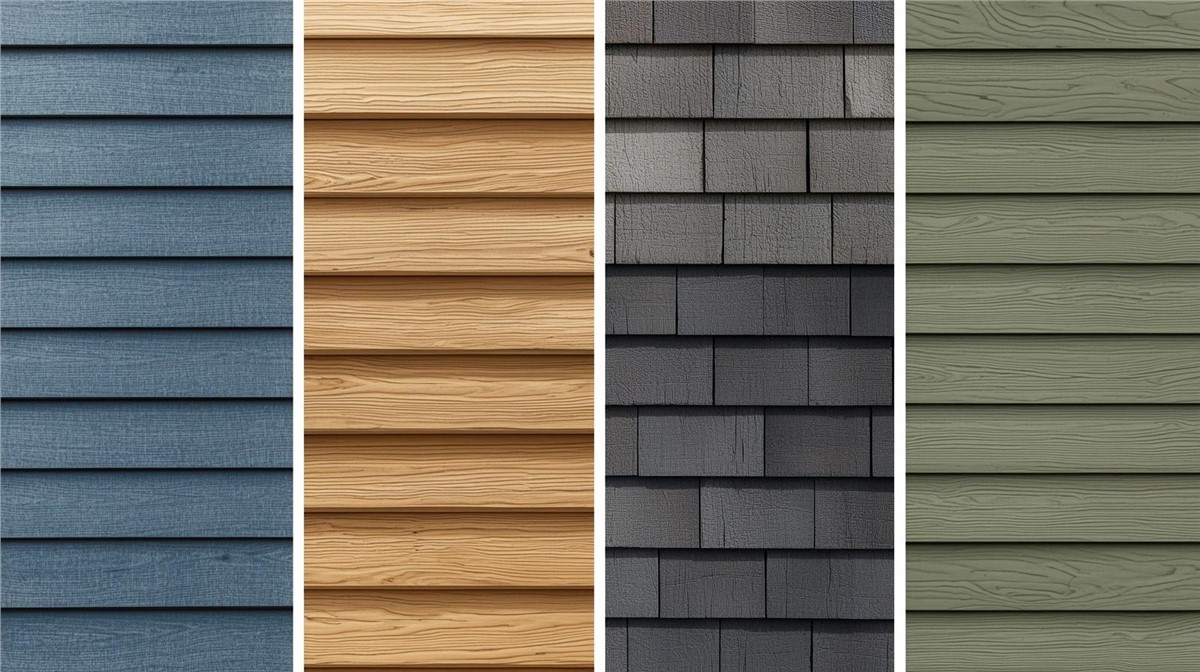
In Elgin, IL, the best siding for Midwest weather usually comes down to vinyl for lower upfront cost and low maintenance or fiber cement for stronger long-term durability and a more premium exterior. For many homeowners, fiber cement is the stronger all-around weather performer, while vinyl is often the better value when budget matters most.
Why This Matters in Elgin, IL
Siding in Elgin, IL has to handle more than just normal seasonal wear. Homes here deal with cold winters, freeze/thaw cycles, spring storms, hail, wind, and hot summer sun. In that kind of climate, the best siding is the one that can manage temperature swings, resist storm damage, and continue protecting the wall system over time.
That local context matters because siding is not just decorative. It helps protect the structure from moisture intrusion, supports exterior durability, and affects long-term maintenance costs. In Elgin, siding work is also part of the local permit framework, which reinforces that this is a real exterior-system decision, not just a cosmetic upgrade.
For homeowners in Elgin, IL, the best siding is usually not the cheapest material on paper or the most expensive option in a brochure. It is the material that fits your home, your budget, your maintenance expectations, and the weather conditions your exterior will face year after year.
Common Signs You Need New Siding
- Cracked or broken panels
Cold-weather brittleness and storm impact can make older siding more likely to crack, especially after hail or debris strikes. - Loose or warped sections
Wind exposure and age can affect how securely siding stays attached, especially after severe weather. - Moisture stains near exterior walls
Once siding starts letting water behind the exterior, the issue becomes more than appearance. - Repeated repair needs
If the same sections keep failing, it may be time to compare siding materials based on long-term performance rather than another patch. - Fading, chalking, or older worn-looking surfaces
These signs often point to siding that is aging out both visually and functionally. - You want lower maintenance or better long-term durability
This is when most homeowners start comparing vinyl and fiber cement more seriously.
When to Schedule It (Best Timing + What to Do First)
The best time to choose siding for Midwest weather in Elgin, IL is before your current exterior starts allowing moisture in or before storm damage keeps repeating. Spring through fall is usually the most practical installation window, but the right time to start planning is when your current siding is clearly aging, cracking, or no longer protecting the home the way it should.
First: Decide What Matters Most
Before comparing options, decide whether your top priority is:
- lower upfront cost
- lower maintenance
- stronger durability
- better cold-weather performance
- longer lifespan
- more premium appearance
Vinyl is often the better fit when affordability and lower maintenance are the biggest concerns. Fiber cement is more often chosen when the homeowner wants stronger long-term durability and is comfortable with a higher initial investment.
Next: Compare Installed Performance, Not Just the Product Name
A lot of homeowners compare siding by material label alone, but the better comparison is how the full system will perform in Midwest weather. Vinyl and fiber cement each have strengths, but installation quality, trim details, weather barrier work, and wall prep all matter just as much as the panel itself.
Then: Think About Long-Term Ownership
If you plan to stay in the home for many years, the long-term math matters more. Fiber cement is commonly associated with a longer lifespan, while vinyl is usually the easier budget fit up front. That does not make vinyl a weak choice. It just changes the long-term value conversation.
What a Professional Siding Replacement Includes
A professional siding project should improve the wall system, not just change the look of the house.
Typical checklist:
- Inspection of existing siding and wall condition
Contractors should check for cracked panels, moisture risk, and any hidden wall damage. - Removal of old siding when needed
This allows the wall condition to be reviewed directly and gives the installer a clean base for the new system. - Weather barrier and trim review
Moisture control behind the siding matters just as much as the finished exterior, especially in a climate with freeze/thaw cycles. - Material-specific installation
Vinyl and fiber cement install differently, and each material has its own fastening and spacing requirements. - Corners, trim, and finishing details
These details affect both appearance and weather resistance. - Cleanup and final walkthrough
The finished siding system should be reviewed clearly with the homeowner so they understand what was replaced and how it should perform.
At Huskie Exteriors, the goal is to help homeowners compare siding based on real-world performance, not just price or product buzzwords.
What This Typically Costs in Elgin, IL (2026 Pricing)
For homeowners in Elgin, IL, vinyl is usually the more budget-friendly siding option, while fiber cement carries a clear premium.
Realistic 2026 installed ranges often look like this:
- Vinyl siding: about $4.70–$8.50 per square foot installed
- Fiber cement siding: about $7–$15+ per square foot installed
- Typical full vinyl siding project: often about $8,000–$18,000+
- Typical full fiber cement siding project: often about $10,000–$27,000+
- Elgin siding/residing permit fee: the city’s 2026 fee schedule includes a specific siding fee in the residential fee table
Top five cost factors:
Material Type
This is the biggest cost driver. Vinyl is usually much less expensive than fiber cement on the same home.
Home Size
More wall area means more siding, more trim, and more labor.
Stories and Design Complexity
Two-story homes, dormers, gables, and detailed elevations increase labor and waste.
Tear-Off and Prep Work
Old siding removal, disposal, and hidden wall repair can add meaningful cost no matter which material you choose.
Long-Term Value
Vinyl usually saves more money upfront, while fiber cement may justify the premium for homeowners who want stronger durability and longer service life.
Insurance / Permits / Local Notes in Elgin, IL
For most homeowners, the best siding question is mainly a home-improvement and performance decision rather than an insurance question. Insurance becomes more relevant when siding damage comes from a covered storm event such as hail or high wind.
Since Elgin includes siding work within its local permit framework, your contractor should verify the exact local process before work begins.
A few local notes matter here:
- Elgin-area homes face real cold-weather stress and storm exposure, so siding durability is not just about appearance.
- Vinyl remains the more affordable and widely used option.
- Fiber cement is more often treated as the premium long-term choice for weather durability.
How to Choose the Right Contractor in Elgin, IL
The right contractor should explain why one material fits your house better instead of automatically pushing the more expensive option.
Questions to ask:
- Why do you recommend vinyl or fiber cement for this home?
- What is the exact installed price difference between the two?
- Does the quote include tear-off and disposal?
- What happens if hidden wall damage is found?
- Are trim, corners, and finishing details included?
- Are you insured for exterior work in Illinois?
- Will you verify Elgin permit requirements before work begins?
Red flags:
- quoting without inspecting the house carefully
- pushing fiber cement without explaining the benefit
- quoting vinyl only because it is cheaper without discussing durability
- vague pricing with no trim or removal details
- no discussion of hidden wall condition
Mistakes Homeowners Make (And How to Avoid Them)
- Choosing only by lowest upfront price
- Assuming fiber cement is automatically the best value
- Comparing material price without comparing labor scope
- Forgetting to ask about tear-off and disposal
- Ignoring trim and finishing details
- Overlooking hidden wall repairs
- Hiring based only on the headline number
These mistakes matter because the best siding for Midwest weather is not just about the panel itself. It is about how that material performs after installation in cold temperatures, storms, and long-term exterior exposure.
FAQs
What is the best siding for Midwest weather in Elgin, IL?
For many homeowners, the best choices are vinyl or fiber cement. Vinyl is often the best value choice, while fiber cement is often the best premium durability choice for cold-climate weather.
Is vinyl siding good for cold Illinois winters?
Yes, it can still be a practical choice, but vinyl can become more brittle in freezing temperatures and may be more vulnerable to impact damage in winter conditions.
Is fiber cement better than vinyl for storms?
Fiber cement is often treated as the tougher, more durable siding material overall, especially for homeowners prioritizing long-term performance. Vinyl still performs well for many homes, but fiber cement is more commonly positioned as the premium weather-resistance option.
Is fiber cement worth the extra cost?
For some homeowners, yes. It is usually worth it when long-term durability, lifespan, and a more premium exterior matter more than the lower upfront price.
Do I need a permit for siding replacement in Elgin, IL?
Elgin includes siding work in its local building permit framework, and your contractor should verify and handle the permit requirements before work begins.
Get a Free Estimate in Elgin, IL
If you are trying to choose the best siding for Midwest weather in Elgin, IL, Huskie Exteriors is here to help with honest pricing guidance and practical recommendations built for local conditions. We serve homeowners across Northern Illinois and Southern Wisconsin with siding, roofing, gutters, and windows designed for long-term performance.
Schedule your free estimate with Huskie Exteriors today. We will inspect your current exterior, explain the real differences between leading siding options, and help you choose the material that fits your home best.
Subscribe to Huskie Exteriors's Blog




Comments