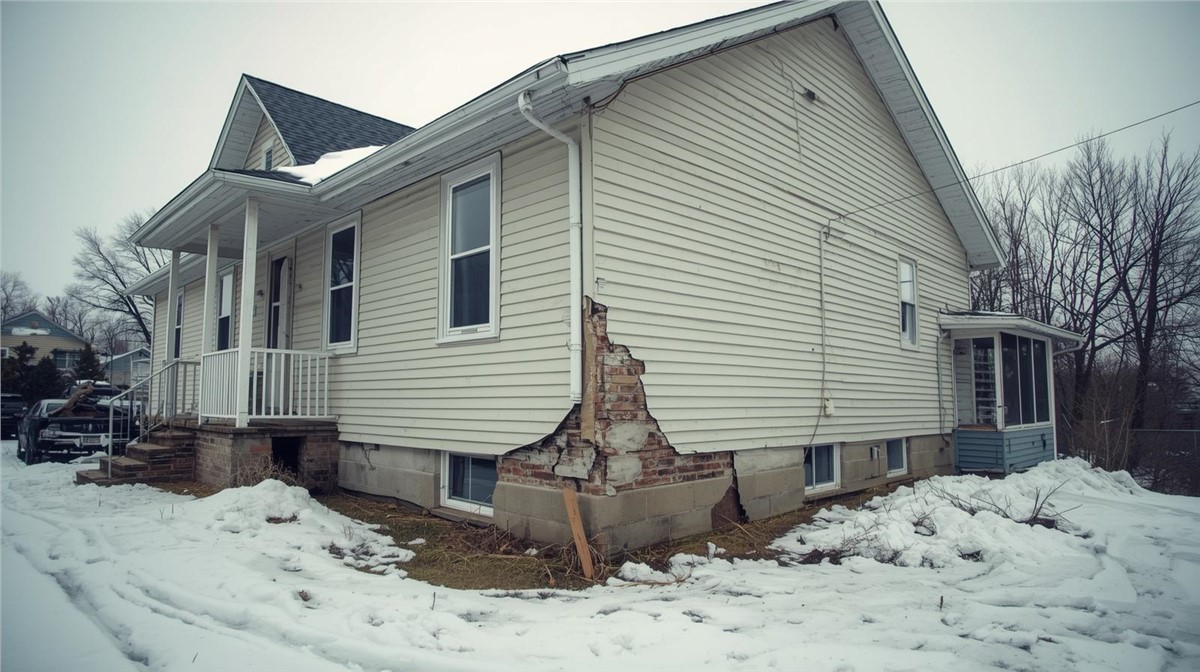
If you live in Wisconsin or Illinois, you’ve experienced it firsthand: temperatures that swing above and below freezing, sometimes within the same day. These frequent shifts create what’s known as freeze-thaw cycles—and they’re one of the most damaging forces affecting Midwest homes.
Understanding how freeze-thaw cycles damage homes in the Midwest helps homeowners recognize early warning signs and protect their roofing, siding, windows, gutters, and foundations from long-term deterioration.
What Is a Freeze-Thaw Cycle?
A freeze-thaw cycle happens when:
Water seeps into small cracks or porous materials
Temperatures drop below freezing and the water turns to ice
Ice expands, widening the crack
Temperatures rise, ice melts, and water penetrates deeper
The process repeats
This expansion and contraction gradually breaks down materials from the inside out.
In Wisconsin and Illinois, these cycles can occur dozens of times each winter and early spring.
Why Midwest Homes Are Especially Vulnerable
Freeze-thaw damage is more severe in regions with:
Frequent temperature fluctuations around 32°F
High moisture levels from snow and rain
Long winters followed by rapid spring thaws
These conditions are common across both states, making exterior materials work harder than in milder climates.
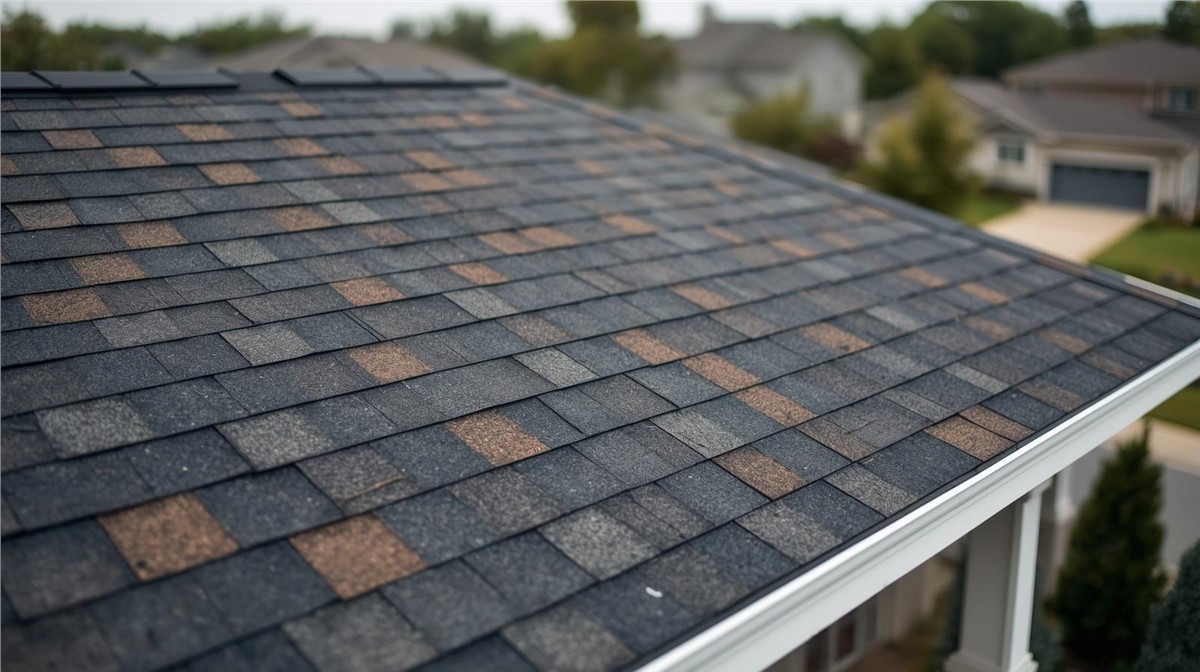
Roof Damage From Freeze-Thaw Cycles
Roofs are constantly exposed to moisture and temperature swings.
Shingle Deterioration
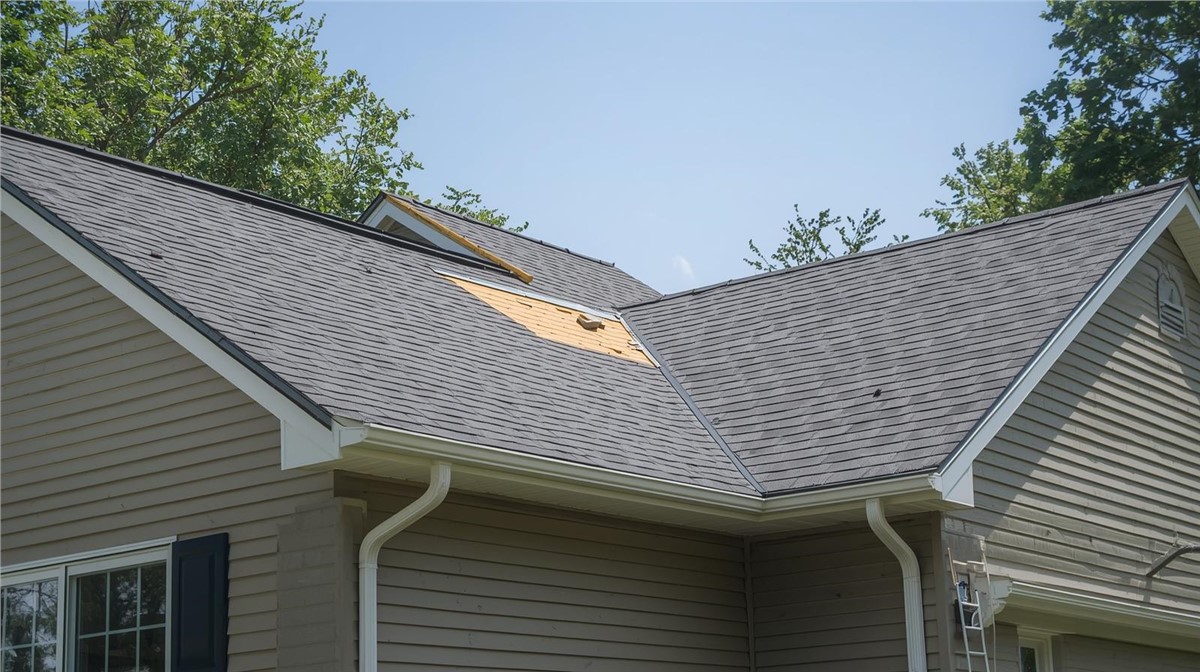
Water can enter beneath or between shingles. When it freezes, it can:
Lift shingles
Crack brittle materials
Break adhesive seals
Over time, this weakens the roof’s ability to shed water.
Ice Dams
Freeze-thaw cycles contribute to ice dam formation. As snow melts and refreezes, water backs up under shingles and into the roof structure.
This can lead to:
Ceiling leaks
Damaged insulation
Rotting roof decking
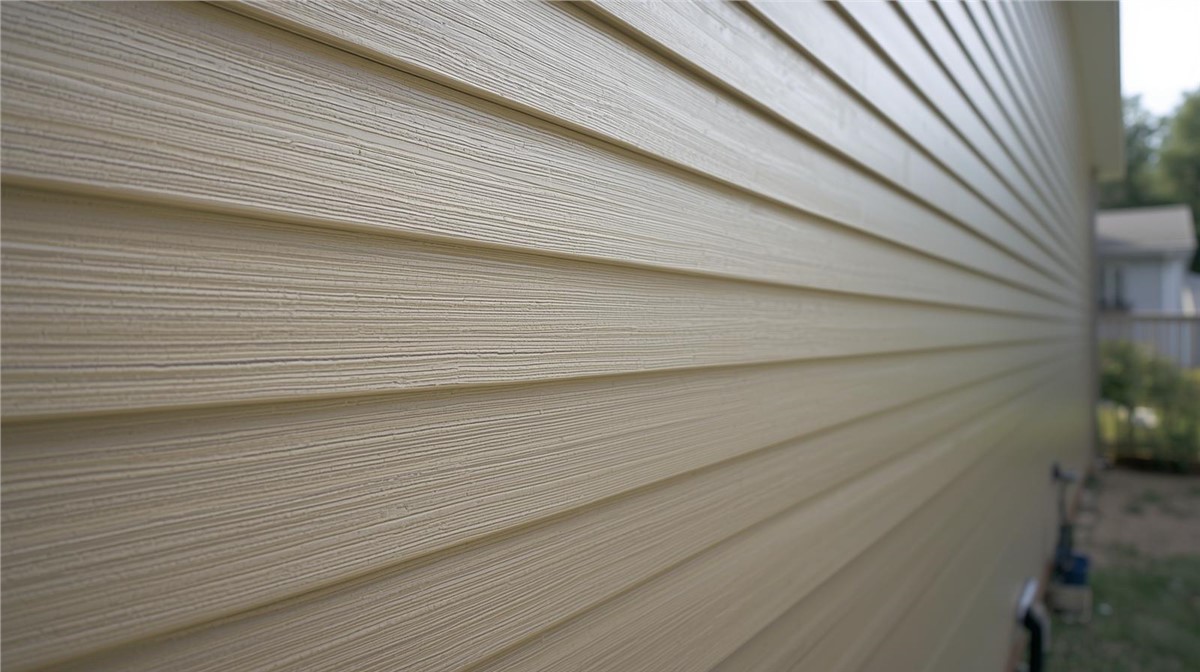
Siding and Exterior Wall Damage
Siding is another major target of freeze-thaw stress.
Cracks and Warping
Small cracks in siding materials allow moisture in. As water freezes, it expands, causing:
Wider cracks
Warping or buckling
Separation at seams
Vinyl can become brittle in extreme cold, while wood can absorb moisture and split.
Moisture Behind Siding
Once water gets behind siding, repeated freezing and thawing can damage wall sheathing and insulation, leading to hidden rot and mold.
Foundation Damage From Soil Movement
Freeze-thaw cycles don’t just affect materials—they also affect the ground around your home.
Expanding and Contracting Soil
When soil absorbs water and freezes, it expands. As it thaws, it contracts.
This movement can:
Stress foundation walls
Widen existing cracks
Cause shifting or settling
Clay-heavy soils common in parts of Illinois are especially prone to expansion.
Concrete and Masonry Deterioration
Concrete driveways, foundations, and brickwork are all vulnerable.
Surface Spalling
When water seeps into concrete and freezes, it can cause the surface to flake or chip—a process called spalling.
Mortar Joint Damage
In brick and stone walls, freeze-thaw cycles can break down mortar joints, allowing more water infiltration over time.
Gutter and Drainage Problems
Water management systems are also affected.
Gutter Expansion Stress
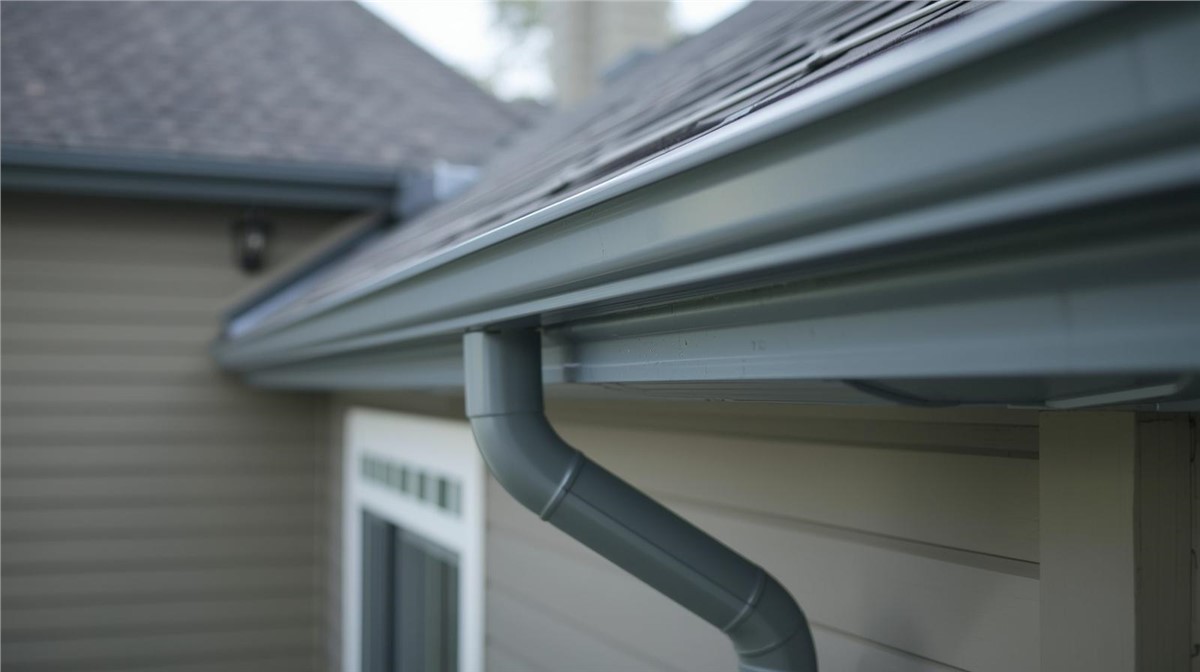
Ice buildup in gutters adds weight and can cause:
Sagging
Pulling away from the fascia
Cracks at seams
Downspout Freezing
Frozen downspouts prevent proper drainage, causing water to overflow near the foundation during thaw periods.
Window and Door Frame Damage
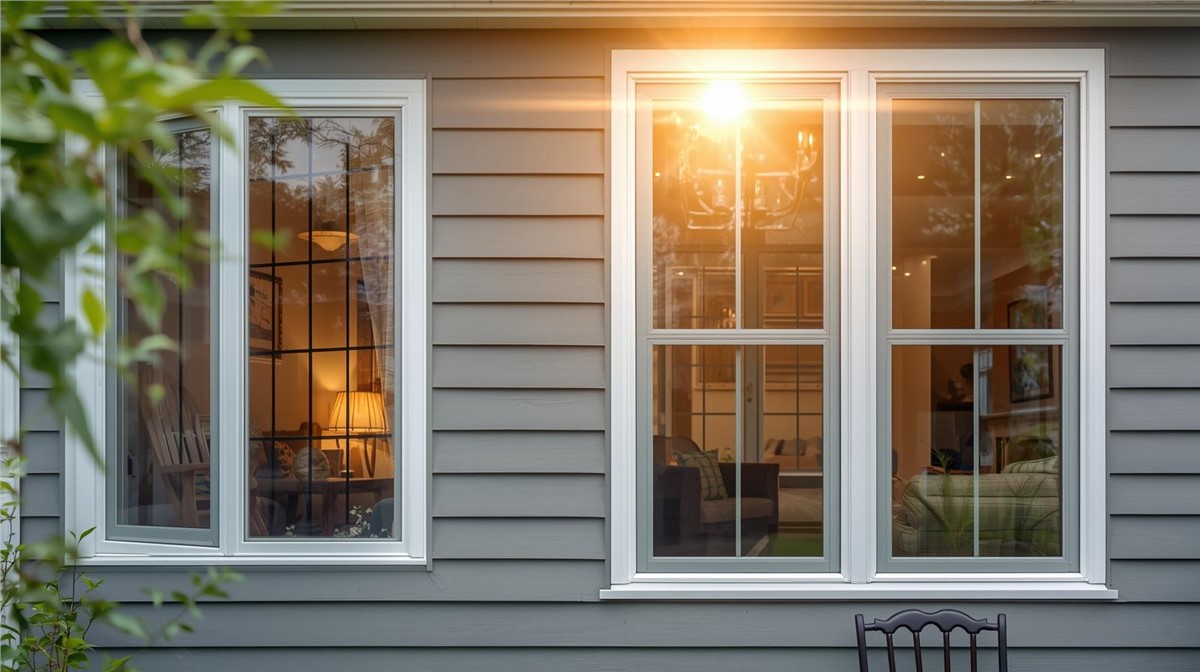
Moisture that seeps into small gaps around windows and doors can freeze and expand, leading to:
Cracked caulking
Warped trim
Drafts and air leaks
Over time, this affects both comfort and energy efficiency.
Why Small Cracks Become Big Problems
The biggest issue with freeze-thaw cycles is how they turn minor flaws into major damage.
A tiny crack today can become:
A roof leak next season
Rotting wall sheathing
A widening foundation crack
The process is gradual, which makes early maintenance critical.
Signs of Freeze-Thaw Damage
Homeowners should watch for:
Cracked or curling shingles
Warped or split siding
Peeling paint or soft trim
Cracks in foundation walls
Flaking concrete surfaces
Gutters pulling away from the home
These signs often appear after winter or early spring.
Preventing Freeze-Thaw Damage
While you can’t control the weather, you can reduce its impact.
Key Preventive Steps
Keep gutters clean and draining properly
Seal cracks in siding, masonry, and trim
Maintain proper attic insulation and ventilation
Ensure grading directs water away from the foundation
Repair roofing and flashing issues promptly
Regular maintenance limits moisture entry and reduces the freeze-thaw effect.
Why Professional Inspections Matter
Freeze-thaw damage often starts in hidden areas.
A professional inspection can identify:
Early roof vulnerabilities
Moisture behind siding
Drainage issues
Foundation stress points
Catching these problems early helps avoid costly structural repairs.
Frequently Asked Questions
Are freeze-thaw cycles worse some years than others?
Yes. Winters with frequent temperature swings cause more cycles and more damage.
Can newer homes still be affected?
Absolutely. All homes are vulnerable if moisture gets into materials.
Does sealing small cracks really help?
Yes. Preventing water entry is one of the best defenses.
Is freeze-thaw damage covered by insurance?
Usually not, unless linked to a specific sudden event.
When is the best time to inspect for damage?
Late winter and early spring are ideal times to check for issues.
Protecting Your Home From Seasonal Stress
Freeze-thaw cycles are a normal part of life in Wisconsin and Illinois, but the damage they cause doesn’t have to be. With regular maintenance and timely repairs, homeowners can reduce moisture intrusion and protect their homes from long-term deterioration.
Huskie Exteriors works with homeowners across WI & IL, bringing experience in roofing, siding, windows, and gutters designed to withstand Midwest weather. A proactive approach helps ensure your home stays strong through every freeze and thaw.
Subscribe to Huskie Exteriors's Blog




Comments