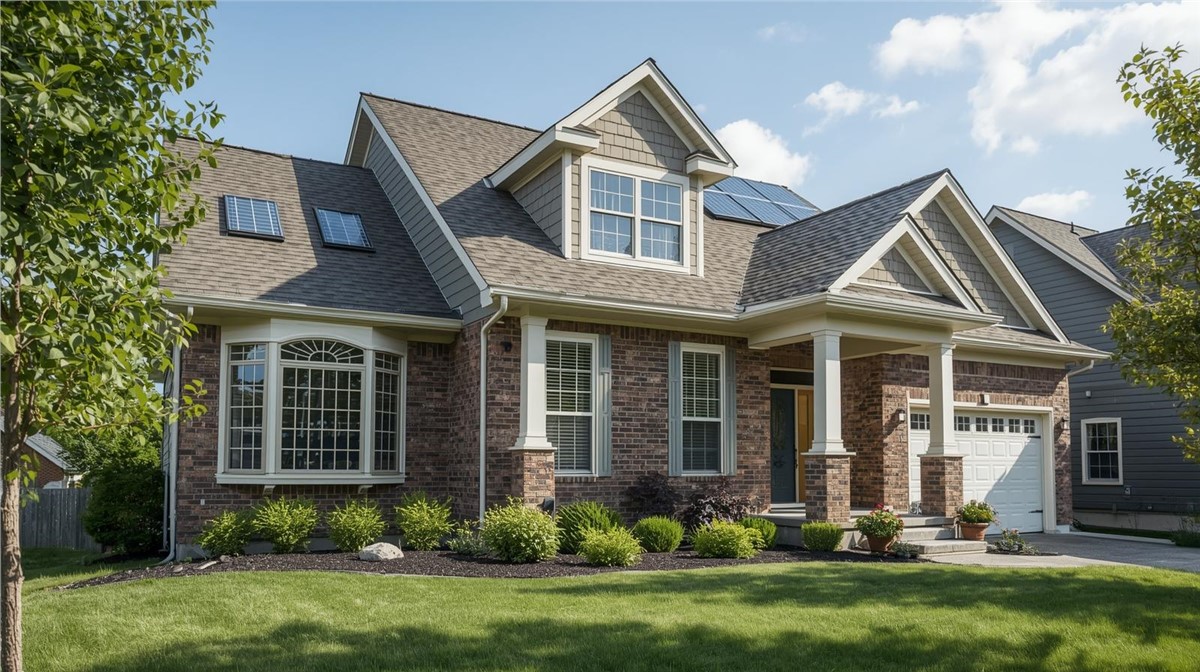
When homeowners think about energy efficiency, they often picture furnaces, air conditioners, or smart thermostats. But in Wisconsin and Illinois—where winters are long and summers can be hot and humid—true energy efficiency begins with your home’s exterior.
Your roof, siding, windows, gutters, and insulation systems work together to create a protective barrier between indoor living spaces and the harsh Midwest climate. Understanding how energy efficiency starts with your home’s exterior helps you make improvements that lower energy bills, improve comfort, and protect your home year-round.
Why the Exterior Matters So Much in WI & IL
Homes in the Midwest experience extreme seasonal conditions:
Subzero winter temperatures
Strong winter winds
Heavy snow and ice
Hot, humid summers
Frequent storms and moisture exposure
These conditions make it harder to keep indoor temperatures stable. If your exterior systems aren’t performing well, heated or cooled air escapes, and outside air seeps in—forcing your HVAC system to work harder.
Your Home’s “Thermal Envelope” Explained
The thermal envelope is the boundary between your indoor space and the outdoors. It includes:
Roofing and attic systems
Exterior walls and siding
Windows and doors
Insulation and air sealing
If any part of this envelope is weak, energy loss increases.
Roofing’s Role in Energy Efficiency
Heat Loss Through the Roof
Warm air rises, making the roof and attic a major source of heat loss during Wisconsin and Illinois winters. Poor insulation or ventilation can allow heat to escape, increasing heating costs.
Summer Heat Gain
In summer, roofing materials absorb solar heat. Without proper ventilation and reflective materials, this heat transfers into the attic and living spaces below.
How Roofing Improvements Help
Upgraded roofing systems, proper ventilation, and attic insulation can:
Reduce heat loss in winter
Lower attic temperatures in summer
Minimize ice dam formation
Improve overall indoor comfort
Siding and Wall Insulation
Exterior walls make up a large portion of your home’s surface area.
Air Leaks and Thermal Gaps
Cracked, warped, or poorly installed siding can allow air infiltration. Even small gaps can create drafts and cold spots.
Moisture and Insulation Performance
When moisture gets behind siding, it can soak wall insulation. Wet insulation loses effectiveness, leading to higher energy use.
How Better Siding Improves Efficiency
Modern siding systems—especially insulated options—help:
Reduce thermal bridging through wall studs
Improve wall R-value
Protect insulation from moisture
Reduce air leaks
In the Midwest, these improvements can noticeably lower heating and cooling demands.
Windows: A Major Energy Factor
Windows are one of the most common sources of energy loss in older homes.
Problems With Aging Windows
Drafts from worn seals
Heat loss through single-pane or outdated glass
Solar heat gain in summer
Benefits of Energy-Efficient Windows
Modern double- or triple-pane windows with Low-E coatings help:
Reflect indoor heat back inside during winter
Reduce solar heat gain in summer
Minimize drafts and cold spots
Lower overall HVAC strain
Upgraded windows often make rooms feel more comfortable immediately.
Gutters and Drainage Support Energy Efficiency
While gutters don’t directly affect insulation, they protect the systems that do.
Why Drainage Matters
Poor drainage can lead to moisture near foundations and behind siding. Over time, this moisture can:
Damage insulation
Cause mold growth
Reduce wall performance
Keeping water away from your home helps maintain the integrity of energy-saving materials.
Air Sealing: The Hidden Energy Saver
Air leaks can significantly increase energy loss.
Common leak points include:
Gaps around windows and doors
Cracks in siding or trim
Openings around vents and pipes
Sealing these areas helps maintain a consistent indoor temperature and reduces heating and cooling costs.
How Exterior Systems Work Together
No single exterior upgrade solves energy efficiency alone. The biggest improvements happen when systems work together:
Roofing and attic insulation control heat flow from above
Siding and wall insulation reduce lateral heat loss
Windows limit air and thermal transfer
Gutters and drainage protect insulation from moisture
A coordinated approach provides better results than isolated upgrades.
Signs Your Exterior May Be Hurting Efficiency
Homeowners in Wisconsin and Illinois should watch for:
Drafts near walls or windows
Uneven room temperatures
High heating or cooling bills
Ice dams in winter
Condensation on windows
These signs often point to weaknesses in the home’s exterior envelope.
Energy Efficiency Means Year-Round Comfort
Improving exterior performance doesn’t just reduce utility bills—it also makes your home more comfortable.
Benefits include:
Fewer drafts in winter
Cooler rooms in summer
More consistent indoor temperatures
Reduced strain on HVAC systems
In climates with extreme seasons, these comfort improvements are especially noticeable.
Planning Exterior Upgrades for Efficiency
When considering improvements, start with areas that show the most wear or cause the most discomfort.
Common upgrade paths include:
Roof and attic insulation improvements
Siding upgrades with added insulation
Energy-efficient window replacement
Gutter and drainage improvements
Phasing upgrades allows homeowners to improve performance over time while staying within budget.
Frequently Asked Questions
Do exterior upgrades really lower energy bills?
Yes. Improving insulation and air sealing reduces heating and cooling demands.
Which upgrade has the biggest impact?
Often a combination of attic insulation, roofing ventilation, and window efficiency.
Can siding really improve comfort?
Yes. Insulated siding reduces drafts and stabilizes wall temperatures.
Do gutters affect energy efficiency?
Indirectly, yes. They protect insulation from moisture damage.
Is it worth upgrading if my HVAC system is new?
Yes. A strong exterior envelope helps any HVAC system perform more efficiently.
Building Efficiency From the Outside In
In Wisconsin and Illinois, energy efficiency starts before you ever adjust the thermostat. Roofing, siding, windows, and drainage systems form the first layer of defense against heat loss, air leaks, and moisture.
Huskie Exteriors works with homeowners across WI & IL, bringing experience in roofing, siding, windows, and gutters designed for Midwest weather. By improving how your exterior systems work together, you can create a more comfortable, efficient home that performs well through every season.
Subscribe to Huskie Exteriors's Blog



Comments