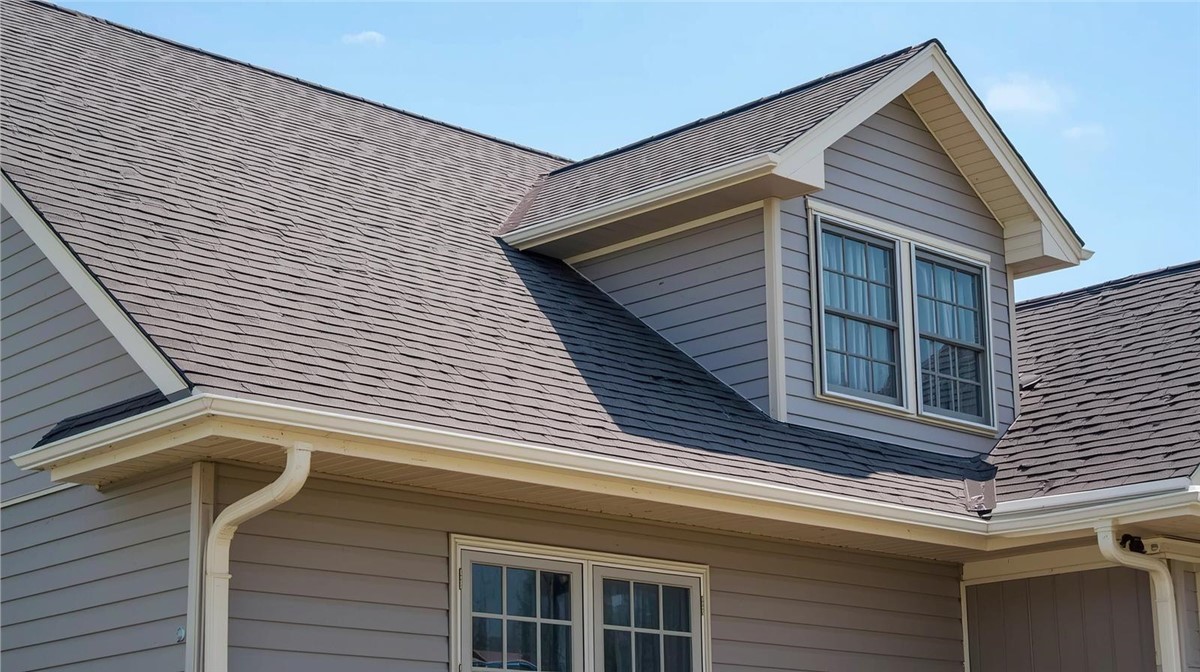
Homes in Wisconsin and Illinois face some of the toughest weather conditions in the country. Heavy snow, ice, spring storms, summer heat, and constant temperature swings all take a toll on exterior materials. While every home is different, understanding the lifespan of roofing, siding, windows, and gutters in the Midwest helps homeowners plan ahead, avoid surprise failures, and protect their property long-term.
Exterior systems don’t all wear out at the same pace, but they do work together. When one system starts to fail, it often affects the others. Knowing what to expect can help you budget wisely and schedule upgrades before small issues become major repairs.
Why Midwest Weather Shortens Exterior Lifespans
Compared to milder climates, homes in WI & IL deal with:
Freeze-thaw cycles that expand cracks and gaps
Heavy snow loads that stress roofing
Ice dams that force water under materials
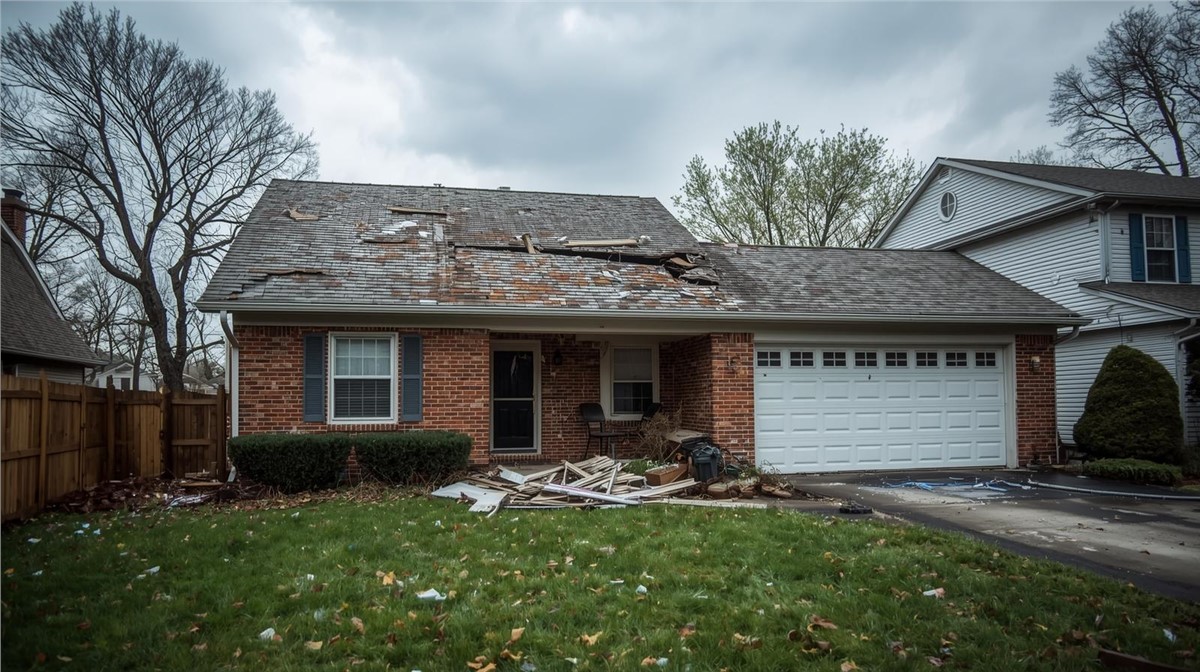
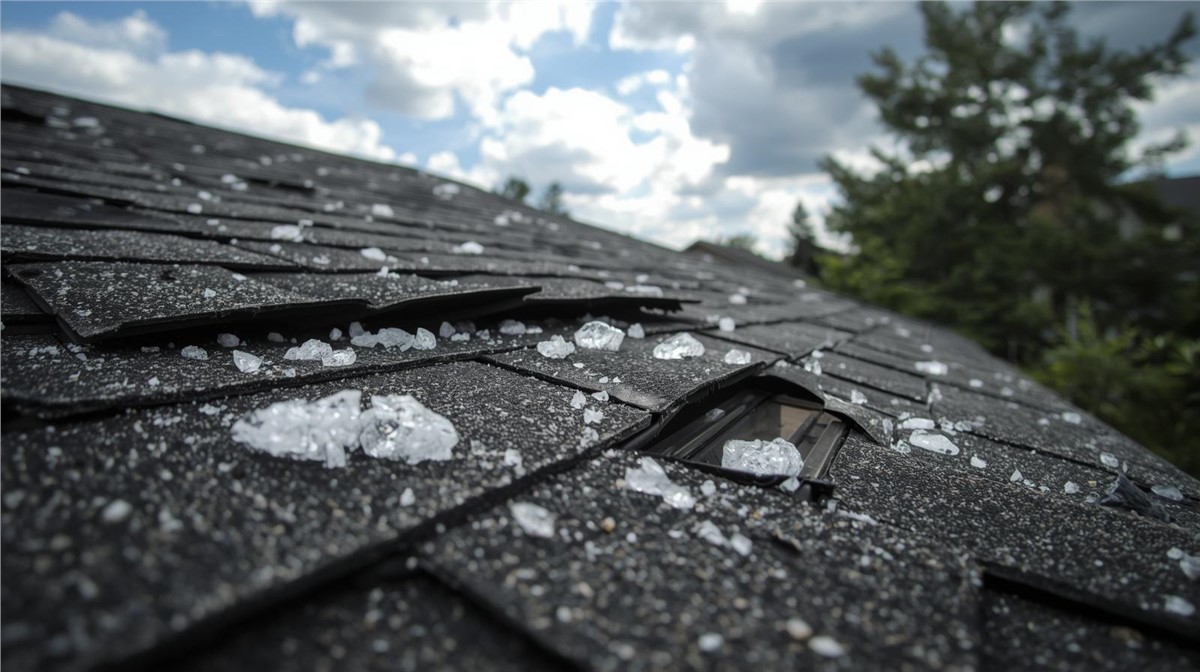
High winds and hail during storms
Humidity and heat that age sealants and finishes
These conditions accelerate wear on roofing, siding, windows, and gutters, making regular inspections especially important.
Roofing Lifespan in Wisconsin & Illinois
Your roof is the most exposed part of your home, and in the Midwest, it works year-round to handle snow, ice, rain, wind, and sun.
Asphalt Shingle Roofs
Typical lifespan: 15–30 years
Factors that influence lifespan:
Quality of shingles
Installation and ventilation
Storm and hail exposure
Ice dam frequency
In Wisconsin and northern Illinois, freeze-thaw cycles and ice dams often shorten the upper end of that range.
Metal Roofing
Typical lifespan: 40–70 years
Metal roofs hold up well in snowy climates because snow sheds more easily. They also resist wind and fire. However, proper installation and insulation are key to preventing condensation issues.
Warning Signs a Roof Is Nearing the End
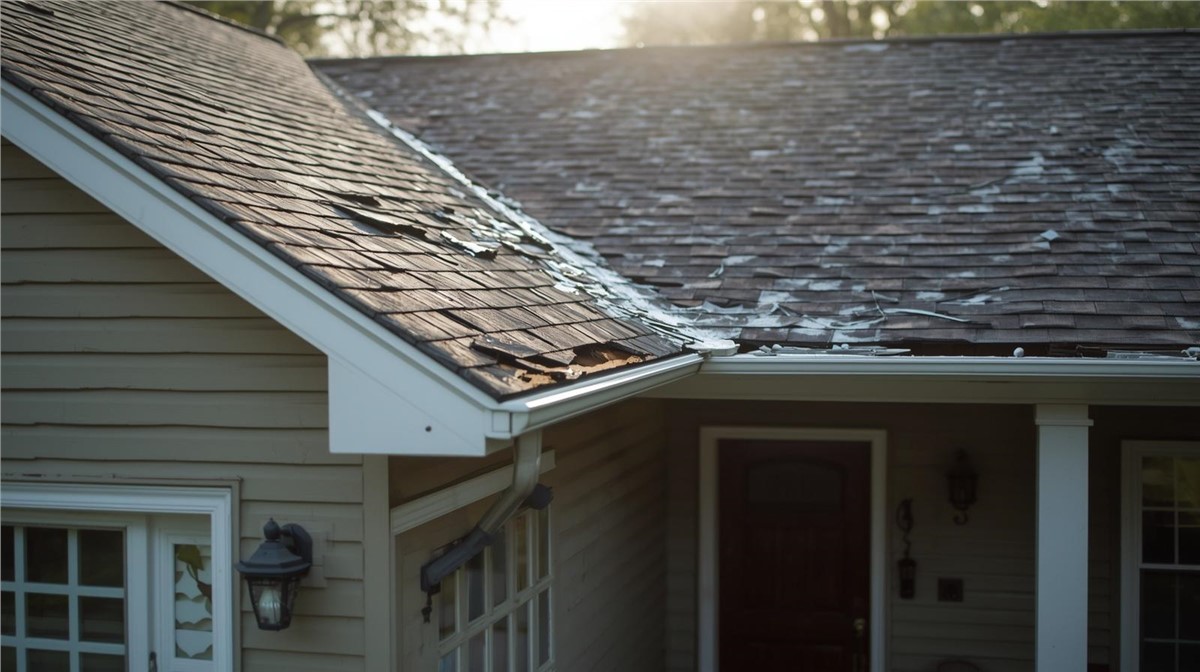
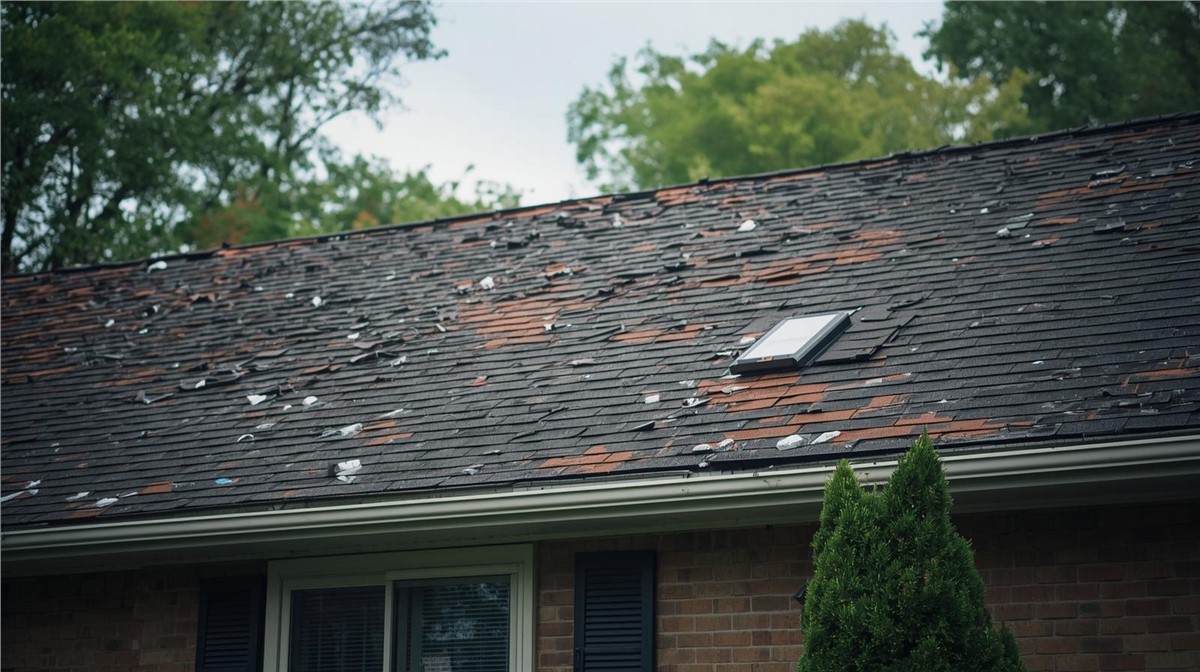
Curling or cracked shingles
Missing granules in gutters
Frequent leaks
Sagging roof lines
Regular inspections help catch wear before structural damage occurs.
Siding Lifespan in the Midwest
Siding protects your walls from moisture, wind, and temperature extremes. Lifespan varies widely by material.
Vinyl Siding
Typical lifespan: 20–40 years
Vinyl holds up well overall but can become brittle in extreme cold and may crack from impact or freeze-thaw stress.
Fiber Cement Siding
Typical lifespan: 30–50+ years
Fiber cement resists rot, insects, and moisture better than many materials. It performs well in Midwest climates but depends heavily on proper installation and sealing.
Wood Siding
Typical lifespan: 20–40 years with maintenance
Wood offers natural beauty but requires regular painting or staining. Moisture, snow buildup, and freeze-thaw cycles can shorten lifespan if not maintained.
Signs Siding May Be Failing
Warping or cracking
Peeling paint or fading
Mold or mildew growth
Soft spots near the foundation
When siding deteriorates, it can allow moisture into wall systems, affecting insulation and structural components.
Window Lifespan in Wisconsin & Illinois
Windows play a major role in comfort and energy efficiency, especially in climates with long heating seasons.
Vinyl Windows
Typical lifespan: 20–30 years
Vinyl windows resist moisture and require little maintenance, but seals and hardware can wear out over time.
Wood Windows
Typical lifespan: 20–30 years (with maintenance)
Wood frames require upkeep but provide strong insulation. Without maintenance, they are vulnerable to moisture damage.
Fiberglass Windows
Typical lifespan: 30–40+ years
Fiberglass frames are durable and stable in temperature extremes, making them well-suited for Midwest conditions.
Signs Windows Are Nearing Replacement
Drafts or cold spots
Condensation between panes
Difficulty opening or closing
Rising energy bills
Failing window seals reduce insulation performance and increase heating and cooling demands.
Gutter Lifespan in the Midwest
Gutters manage large volumes of water from rain and snowmelt. Their lifespan depends on material and maintenance.
Aluminum Gutters
Typical lifespan: 20–30 years
Aluminum is rust-resistant and lightweight but can dent from falling debris or ice buildup.
Steel Gutters
Typical lifespan: 20+ years
Steel is strong but may rust over time if coatings wear down.
Seamless vs. Sectional Gutters
Seamless gutters typically last longer because they have fewer joints where leaks can develop—an important advantage in regions with freeze-thaw cycles.
Signs Gutters Are Wearing Out
Sagging or pulling away from the house
Leaks at seams
Rust spots or holes
Water pooling near the foundation
Poorly functioning gutters can shorten the lifespan of roofing and siding by allowing water to overflow where it shouldn’t.
How Exterior Systems Affect Each Other
Exterior components don’t fail in isolation.
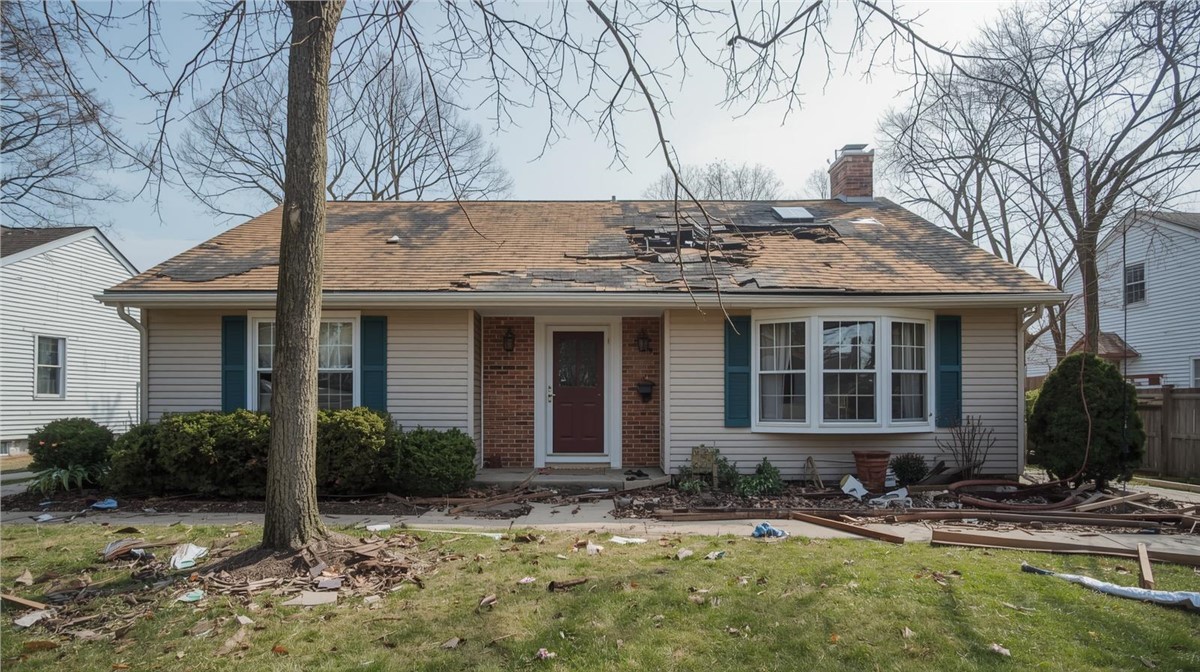
A failing roof can allow water into walls
Clogged gutters can damage siding and foundations
Poor siding performance can affect window seals
Drafty windows increase attic heat loss, contributing to ice dams
When planning replacements, it’s often helpful to evaluate multiple systems together.
How Maintenance Extends Lifespan
Routine care can add years to exterior materials.
Helpful Maintenance Steps
Annual roof inspections
Regular gutter cleaning
Checking and resealing window and door caulking
Inspecting siding for cracks or gaps
Keeping drainage directed away from the foundation
Preventive maintenance is especially important in Wisconsin and Illinois, where weather accelerates wear.
When It’s Time to Plan for Replacement
Even well-maintained systems eventually reach the end of their service life.
Consider planning for replacement if:
Materials are nearing typical lifespan ranges
Repairs are becoming frequent
Energy bills are rising
Visible deterioration is spreading
Proactive replacement often costs less than emergency repairs caused by sudden failure.
Budgeting for Lifespan Cycles
Because roofing, siding, windows, and gutters have different lifespans, many homeowners plan upgrades in phases.
For example:
Roof replacement first
Gutters next
Siding and windows later
This approach spreads out costs while maintaining full exterior protection.
Frequently Asked Questions
Does Midwest weather really shorten material lifespan?
Yes. Freeze-thaw cycles, snow, and storms accelerate wear compared to milder climates.
Can proper installation extend lifespan?
Absolutely. Quality installation and ventilation make a significant difference.
Should I replace everything at once?
Not always. Phasing projects can make budgeting easier while still protecting the home.
How often should I inspect exterior systems?
At least once a year, and after major storms.
Are longer-lasting materials worth the cost?
Often yes, especially in climates with harsh seasonal conditions.
Planning for the Future of Your Home
Understanding the lifespan of roofing, siding, windows, and gutters in the Midwest helps you make informed decisions about maintenance, budgeting, and upgrades. With proactive care and timely replacements, you can keep your home protected and comfortable through Wisconsin and Illinois’ demanding seasons.
Huskie Exteriors works with homeowners across WI & IL, bringing experience in roofing, siding, windows, and gutters designed for Midwest weather. A coordinated approach to exterior care helps ensure each system supports the others for long-term performance.
Subscribe to Huskie Exteriors's Blog





Comments