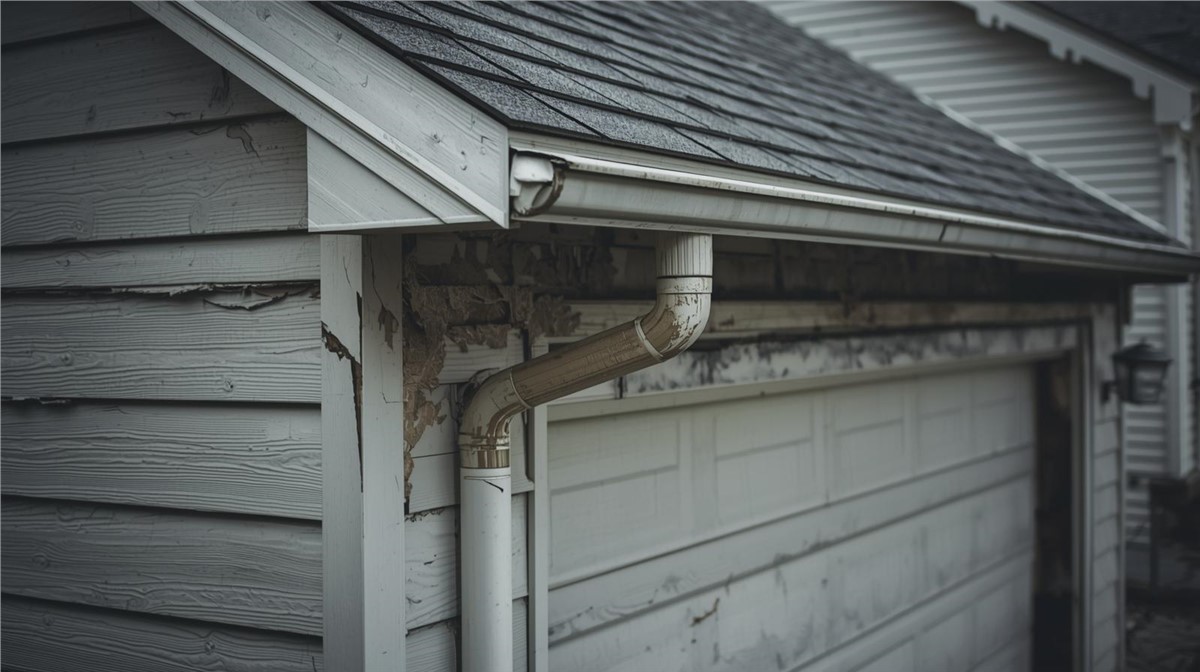
Your home’s exterior does more than create curb appeal—it protects everything inside from weather, moisture, and temperature extremes. In Wisconsin and Illinois, where homes endure snow, ice, heavy rain, wind, and summer heat, exterior materials work hard year-round. Over time, even well-built homes begin to show signs of wear.
Recognizing the warning signs your home exterior is failing can help you act early, avoid costly repairs, and protect your investment. Below are seven common red flags Midwest homeowners should never ignore.
1. Peeling Paint, Warped Siding, or Visible Cracks
Siding is your home’s protective shell. When it starts to deteriorate, moisture can enter wall systems.
What to Look For
Peeling or bubbling paint
Warped, loose, or cracked siding panels
Soft spots or discoloration near the base of walls
Why It Matters in WI & IL
Freeze-thaw cycles and wind-driven rain can force moisture into even small openings. Over time, this leads to rot, mold, and insulation damage hidden behind the siding.
2. Frequent Roof Leaks or Ceiling Stains
A leak is rarely “just a small issue.” It often signals aging roofing materials or flashing failure.
Signs of Trouble
Water stains on ceilings or upper walls
Peeling paint near rooflines
Musty smells in the attic
Midwest Impact
Ice dams, heavy snow, and storm-driven rain common in Wisconsin and Illinois can worsen small roof vulnerabilities quickly.
3. Sagging or Overflowing Gutters
Gutters protect your home by directing water away from the roof, siding, and foundation.
Warning Signs
Gutters pulling away from the house
Water spilling over edges during rain
Rust, cracks, or visible gaps
Why This Is Serious
Poor drainage can lead to roof edge rot, siding damage, and foundation moisture problems—especially during Midwest snowmelt and heavy spring rains.
4. Drafts and Rising Energy Bills
If your heating and cooling costs are climbing and rooms feel drafty, your exterior envelope may be compromised.
Possible Causes
Failed window seals
Gaps in siding or trim
Deteriorated caulking
Aging roofing ventilation issues
In Wisconsin and Illinois, where winters are long and summers humid, small air leaks can significantly affect comfort and energy efficiency.
5. Cracks in Foundation or Exterior Walls
Exterior issues often show up at the base of the home.
What to Watch For
Horizontal or stair-step cracks in foundation walls
Water pooling near the foundation
Damp basement walls or musty odors
Connection to the Exterior
Failing gutters, poor drainage, and siding issues can all contribute to excess moisture around the foundation, leading to structural stress.
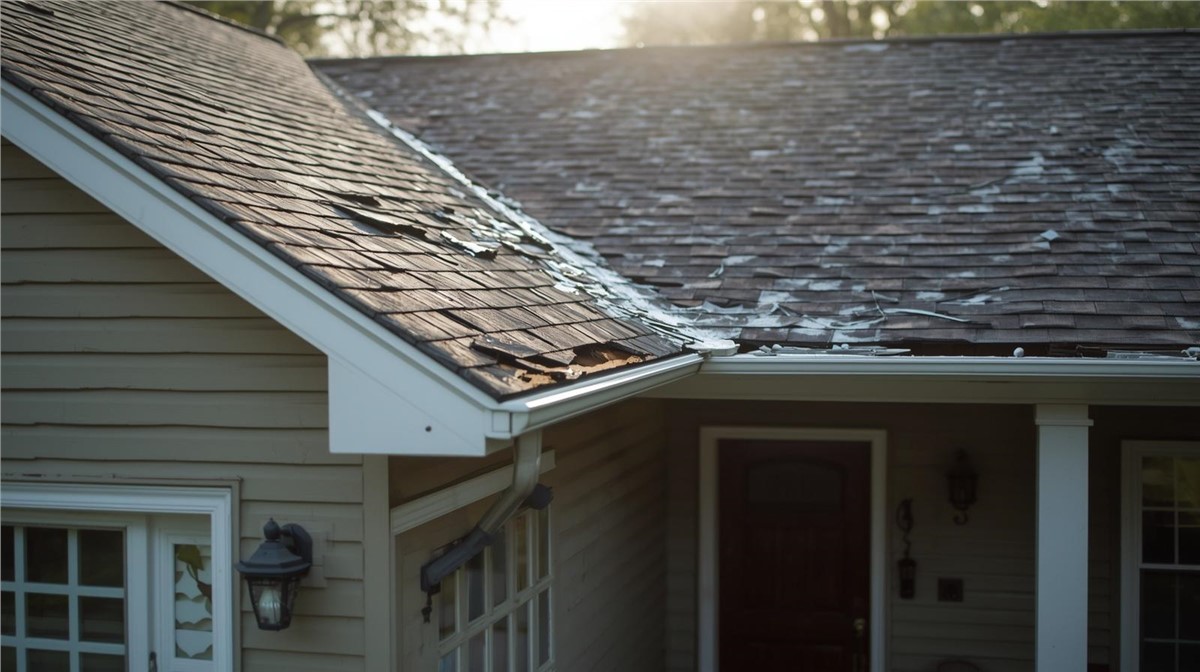
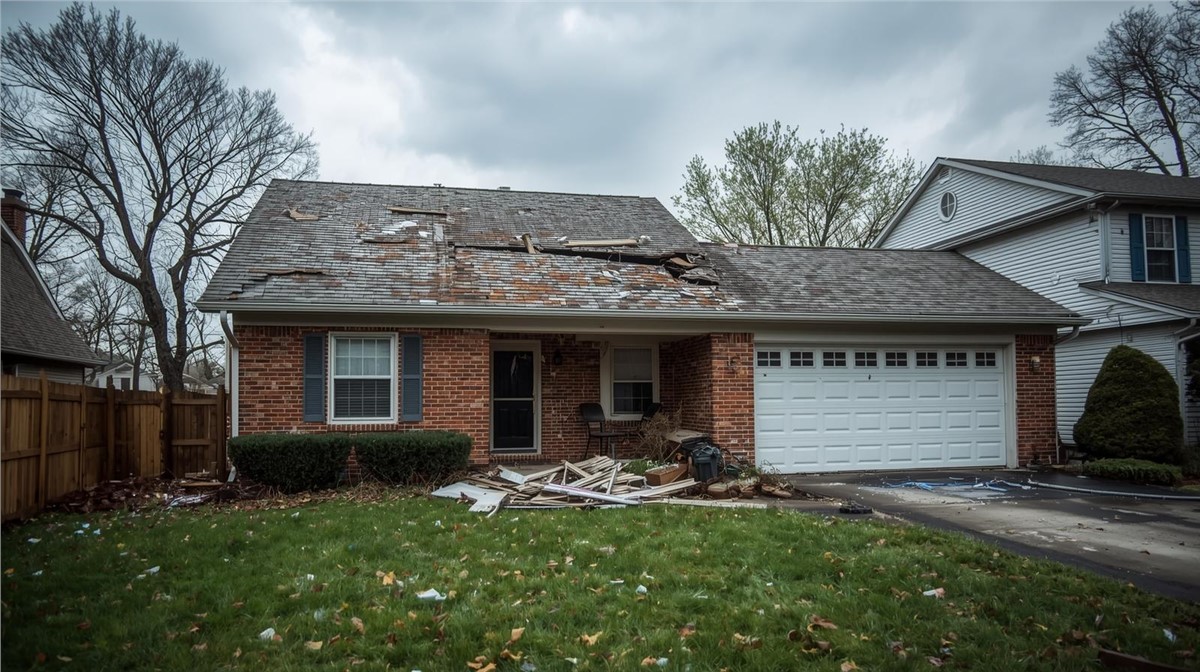
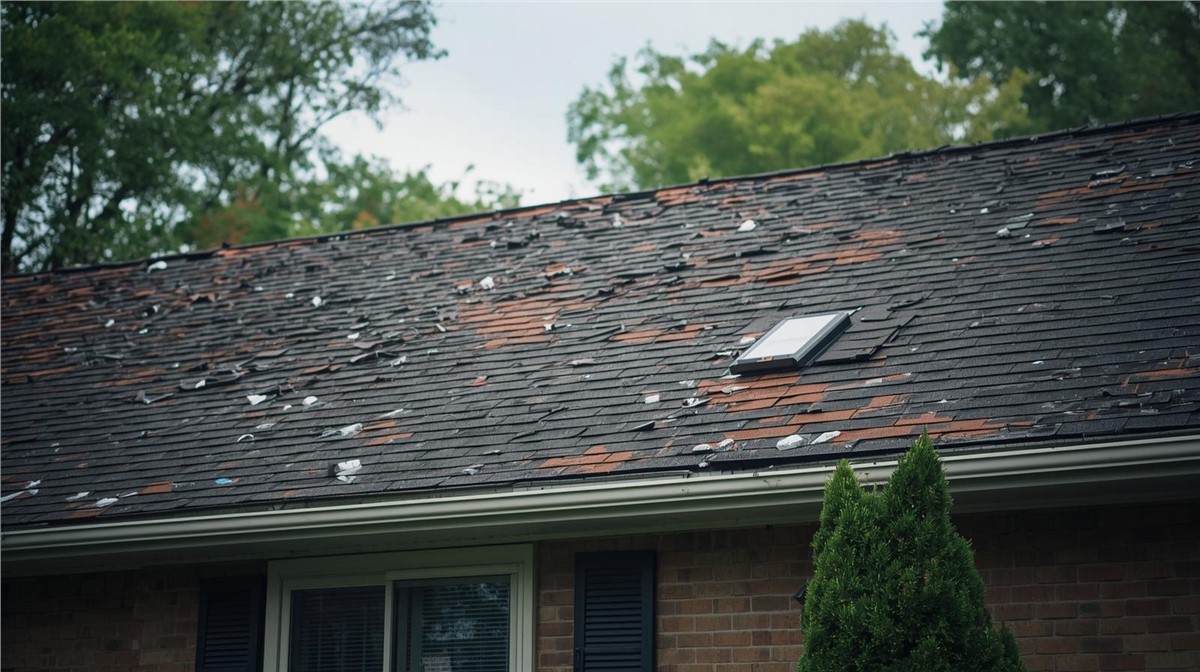
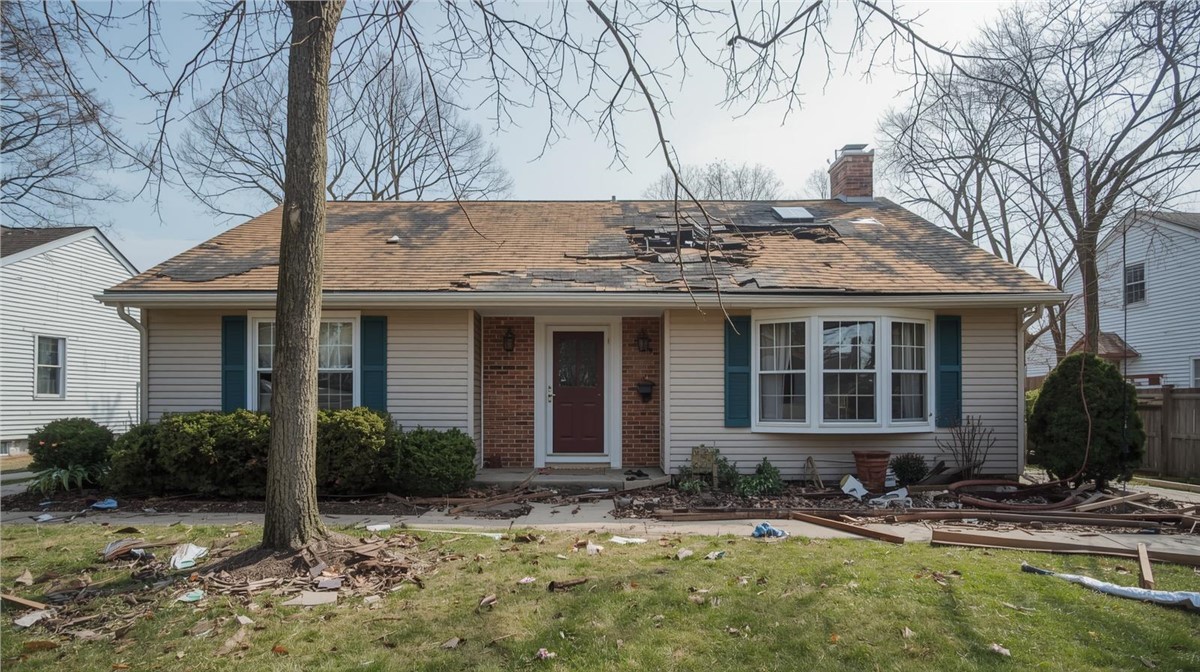
6. Loose, Missing, or Damaged Shingles
Roof damage isn’t always dramatic. Subtle wear often appears first.
Common Signs
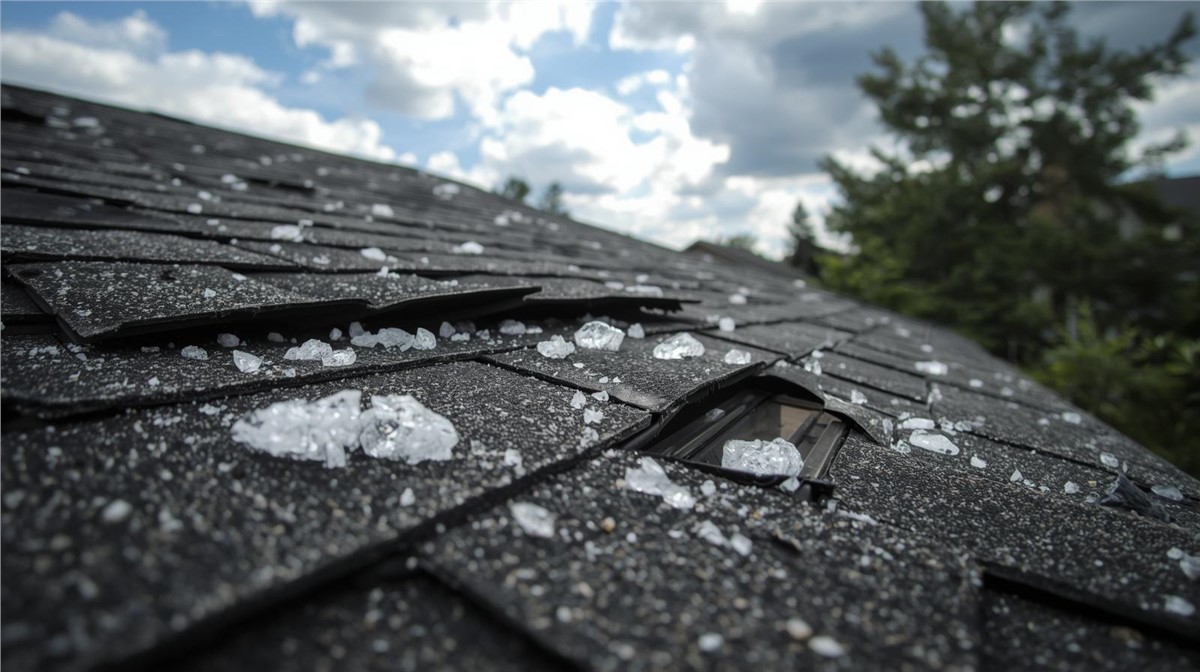
Curling or cracked shingles
Granules collecting in gutters
Shingles missing after storms
In Midwest climates, wind, hail, and freeze-thaw cycles accelerate roofing deterioration, increasing the risk of leaks.
7. Mold, Mildew, or Rot Around Trim and Windows
Moisture problems often show up in small details first.
Early Indicators
Dark staining on siding
Soft wood trim near windows or doors
Mold or mildew growth along seams
These signs often mean water is getting trapped behind exterior materials—especially after storms or prolonged snow exposure.
Why These Signs Shouldn’t Be Ignored
Exterior systems work together. A failing gutter can damage siding. Damaged siding can affect insulation. Roofing problems can lead to interior leaks and wall damage.
In Wisconsin and Illinois, where seasonal weather extremes are routine, minor exterior issues can escalate quickly. Addressing problems early helps:
Prevent structural damage
Maintain energy efficiency
Avoid costly emergency repairs
Protect long-term home value
When to Schedule an Exterior Inspection
Consider a professional inspection if:
Your home is 10–15 years old or older
You’ve experienced recent storms
You notice more than one of the signs above
Maintenance has been delayed for several years
Regular inspections help catch hidden issues before they worsen.
Frequently Asked Questions
Are small exterior cracks really a big deal?
Yes. Small cracks often allow moisture in, which leads to bigger problems over time.
Can exterior damage affect indoor air quality?
Yes. Moisture intrusion can lead to mold growth inside walls.
How often should I check my home’s exterior?
A visual check each season and a professional inspection annually is a good rule.
Do all homes eventually need exterior updates?
Yes. All materials age, especially in climates with harsh weather.
Can fixing one issue solve everything?
Not always. Exterior systems are connected, so a full evaluation often leads to better long-term results.
Protecting Your Home Starts With Awareness
Your home’s exterior won’t always fail dramatically—often it gives subtle warning signs first. Paying attention to changes in roofing, siding, gutters, windows, and drainage can help you address issues before they turn into major repairs.
Huskie Exteriors works with homeowners throughout Wisconsin and Illinois, bringing experience across roofing, siding, windows, and gutters designed for Midwest conditions. A proactive, whole-exterior approach helps keep your home protected, efficient, and ready for every season.
Subscribe to Huskie Exteriors's Blog




Comments