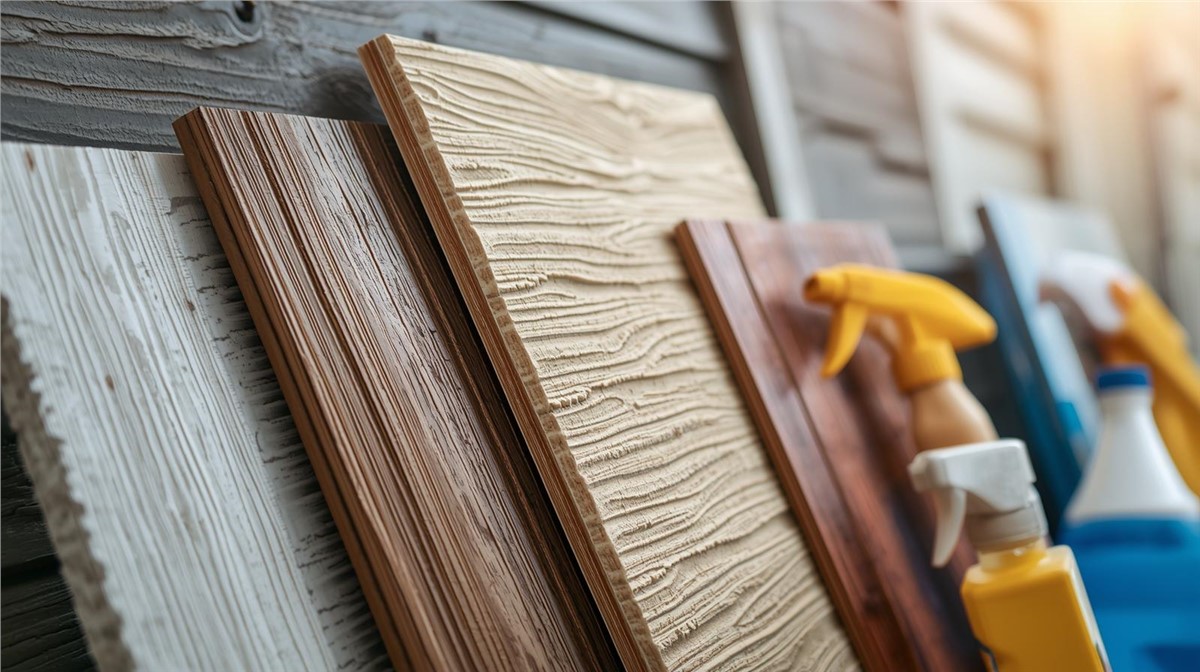
Vinyl siding is a popular choice for many homeowners due to its durability, versatility, and aesthetic appeal. However, like any exterior element, it requires regular maintenance and, occasionally, repairs. This article will guide you through the essentials of local vinyl siding repair and maintenance, ensuring your home remains attractive and protected.
Vinyl siding is made from polyvinyl chloride (PVC) resin, which makes it both lightweight and durable. It's designed to mimic the appearance of traditional wood siding, offering a variety of colors and styles to suit different architectural tastes.
Benefits of Vinyl Siding
Durability: Vinyl siding is resistant to common issues like rot and insect damage.
Low Maintenance: It requires minimal upkeep compared to other siding materials.
Cost-Effective: Generally more affordable than wood or brick.
Energy Efficiency: Insulated vinyl siding can help improve your home's energy efficiency.
Common Vinyl Siding Issues
Despite its many advantages, vinyl siding can face several issues over time:
Cracking and Warping
Extreme temperatures can cause vinyl siding to expand and contract, leading to cracking or warping. If you notice any deformations, it's essential to address them promptly to prevent further damage.
Fading and Discoloration
UV rays from the sun can cause the color of vinyl siding to fade over time. While this doesn't affect its functionality, it might necessitate a replacement to maintain your home's aesthetic appeal.
Moisture Damage
If water manages to seep behind the siding, it can lead to mold and mildew growth. Ensuring proper installation and maintenance can help mitigate this risk.
Finding Local Vinyl Siding Repair Services
When searching for "siding repair near me," it's crucial to choose a reputable service provider. Here's how to find the best local vinyl siding repair services:
Ask for Recommendations
Start by asking friends, family, or neighbors for recommendations. Personal referrals can provide insights into the quality and reliability of a service provider.
Check Online Reviews
Websites like Yelp or Google Reviews can offer a wealth of information about local repair services. Look for providers with high ratings and positive feedback.
Request Quotes
Contact several repair services to get quotes. This will help you compare prices and understand the scope of work needed for your siding repair.
Materials Used in Vinyl Siding Repair
Vinyl siding repairs typically require specific materials to ensure a seamless fix. Here are some common materials used in the process:
Replacement Panels
In cases of severe damage, entire panels may need replacing. It's essential to match the new panels with your existing siding to maintain uniformity.
Vinyl Caulk
Vinyl caulk is used to seal gaps and prevent moisture infiltration. This is crucial for preventing mold growth and preserving the siding's integrity.
Fasteners
Special fasteners are used to secure the siding panels. They must be installed correctly to allow for the natural expansion and contraction of the material.
DIY Vinyl Siding Repair Tips
For minor damage, you might consider a DIY approach. Here's a simple guide to help you get started:
Tools You'll Need
Utility knife
Zip tool
Hammer
Pry bar
Replacement vinyl pieces
Caulk and caulking gun
Steps for Minor Repairs
Inspect the Damage: Identify the extent of the damage and determine if a DIY fix is feasible.
Remove the Damaged Panel: Use a zip tool to unlock the siding panel from the one above it. Carefully remove nails with a pry bar.
Cut and Install Replacement Panel: Measure and cut a replacement panel to fit. Slide it into place and secure it with nails.
Seal the Edges: Apply vinyl caulk to seal the edges and prevent moisture from getting behind the siding.
When to Call a Professional
If the damage is extensive or if you’re unsure of your ability to make the repair, it's best to hire a professional. Improper repairs can lead to further issues, costing more in the long run.
Regular Maintenance for Vinyl Siding
To prolong the life of your vinyl siding, regular maintenance is key. Here are some tips to keep your siding in top shape:
Cleaning
Wash your siding at least once a year using a garden hose, soft brush, and mild detergent. Avoid using high-pressure washers as they can damage the siding.
Inspection
Regularly inspect your siding for signs of damage, especially after severe weather. Early detection can prevent minor issues from becoming major problems.
Seal Gaps
Check for any gaps or loose panels and seal them promptly with vinyl caulk to prevent moisture intrusion.
Conclusion
Vinyl siding is a robust and low-maintenance option for protecting your home. However, like all exterior materials, it requires occasional repairs and regular maintenance to ensure its longevity and aesthetic appeal. By understanding the basics of vinyl siding care and knowing when to call in local professionals, you can keep your home looking its best for years to come.
When searching for "local vinyl siding repair near me," prioritize quality and reliability to ensure your repairs are done right the first time.
Incorporating these practices will not only enhance your home's curb appeal but also safeguard it against the elements, ensuring comfort and protection for your family.
Subscribe to Huskie Exteriors's Blog




Comments