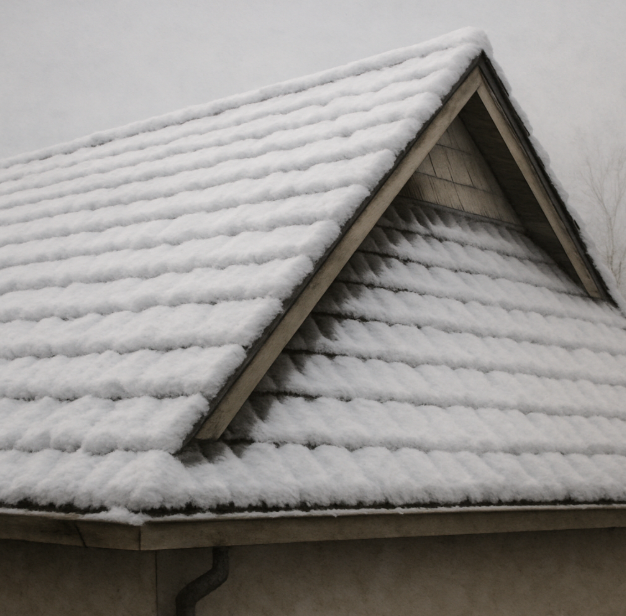
Illinois winters are notorious for their harsh conditions, with heavy snowfalls, ice, and freezing temperatures. For homeowners in this region, choosing the right roofing materials is crucial to protect their homes and ensure longevity. In this article, we’ll explore the best roofing materials that can withstand the severe winter weather in Illinois, providing you with the peace of mind you deserve.
Understanding the Challenges of Illinois Winters
Before diving into the best roofing materials, it's essential to understand the specific challenges posed by Illinois winters. The state experiences significant snowfall, ice accumulation, and temperature fluctuations, all of which can damage roofs. These conditions can lead to leaks, ice dams, and structural damage if the roofing material isn't up to the task.
The Impact of Snow and Ice
Snow and ice are two of the most significant factors to consider when choosing a roofing material. Heavy snow can add a substantial weight load to your roof, while ice can cause damage through the freeze-thaw cycle. Ice dams, in particular, can form when heat from your home melts snow on the roof, causing water to refreeze at the edges, potentially leading to leaks and damage.
Top Roofing Materials for Winter Proofing
Now that we understand the challenges, let's explore the best roofing materials suited for cold weather conditions in Illinois.
Asphalt Shingles
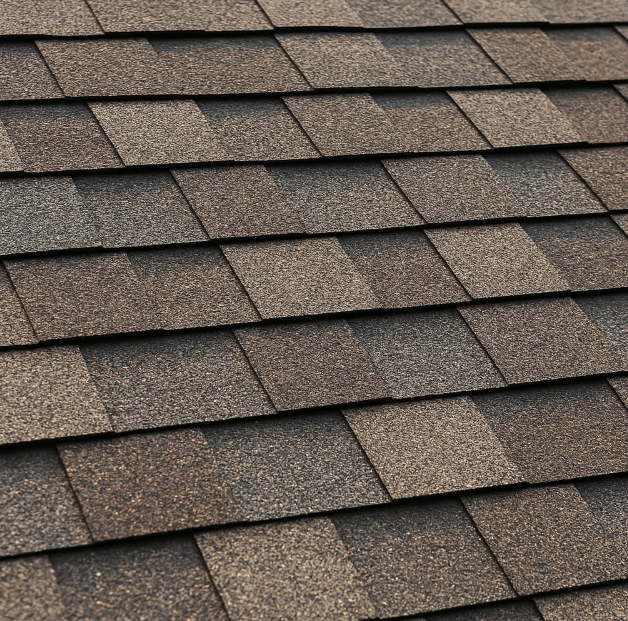
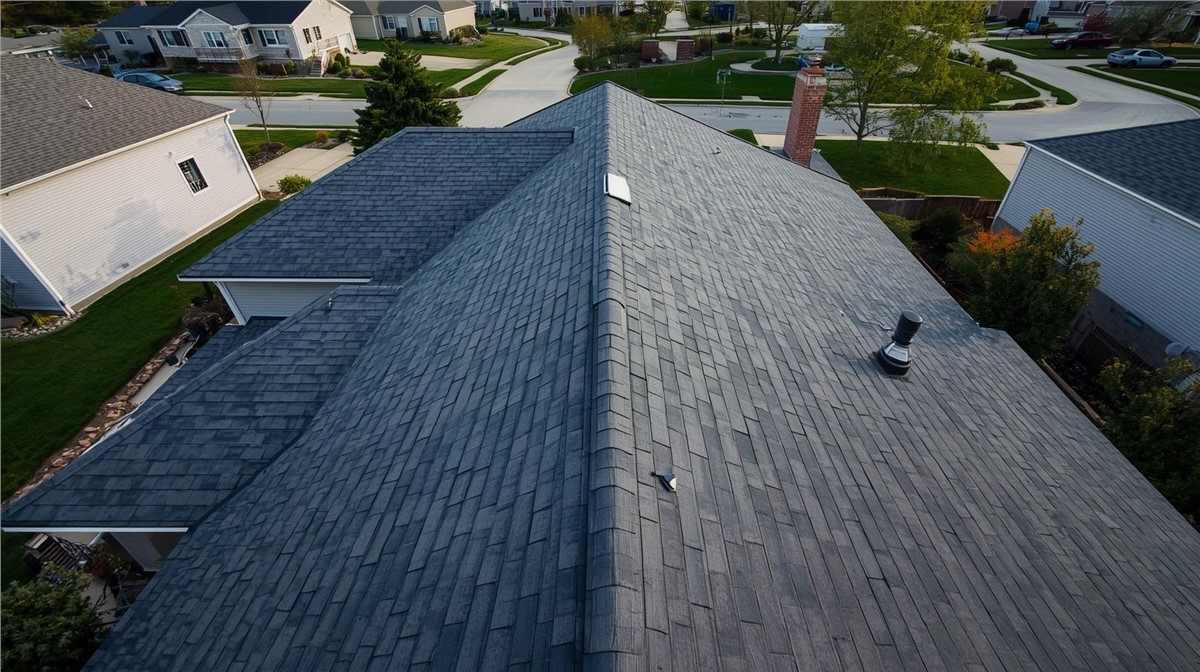
Asphalt shingles are a popular choice for many homeowners due to their affordability and versatility. They are made from a fiberglass or organic mat coated with asphalt and granules. Here’s why they are ideal for Illinois winters:
Durability: Asphalt shingles are designed to withstand harsh weather conditions, including heavy snow and ice. Look for shingles rated for cold climates.
Ease of Installation: They are relatively easy to install and repair, making them a convenient option for many homeowners.
Variety: Available in a wide range of colors and styles, asphalt shingles can complement any home design.
Metal Roofing
Metal roofing is becoming increasingly popular in areas with harsh winters, and for good reason. Here’s what makes metal roofing a top contender:
Longevity: Metal roofs can last 40 to 70 years, depending on the material. They are incredibly durable and resistant to extreme weather conditions.
Snow Shedding: The smooth surface of metal roofs allows snow and ice to slide off easily, reducing the risk of ice dams.
Energy Efficiency: Metal roofing reflects solar radiant heat, which can help reduce cooling costs in the summer, though insulation is key for winter efficiency.
Slate Roofing
Slate roofing is known for its beauty and durability. It's a premium option that offers excellent protection against winter elements:
Durability: Slate roofs can last over a century, withstanding all types of weather, including severe winters.
Low Maintenance: Slate requires minimal maintenance, making it an appealing choice for long-term homeowners.
Aesthetic Appeal: With its natural stone appearance, slate adds a touch of elegance to any home.
Essential Considerations for Cold Weather Roofing
Choosing the right roofing material is a significant part of winter-proofing your home, but other considerations can enhance your roof’s performance during harsh winters.
Insulation and Ventilation
Proper insulation and ventilation are critical in maintaining your roof’s integrity and energy efficiency during winter. Adequate insulation helps prevent heat loss, reducing the risk of ice dams by keeping your roof’s surface cold. Meanwhile, proper ventilation ensures that any warm, moist air is expelled from your attic, further preventing ice dam formation.
Regular Maintenance
Routine roof maintenance is essential to ensure your roof remains in top condition. This includes:
Regular Inspections: Schedule inspections before and after winter to identify and address potential issues.
Cleaning Gutters: Ensure gutters and downspouts are clear of debris to prevent water backup and ice dam formation.
Removing Snow: Safely remove excess snow from your roof to reduce weight load and potential damage.
Professional Installation
Hiring a professional roofing contractor with experience in winter-proof roofing is crucial. Proper installation ensures that your roofing materials perform optimally and last longer. Professionals can also provide valuable advice tailored to your home's specific needs.
Conclusion
Choosing the best roofing materials for harsh Illinois winters is essential for safeguarding your home against the elements. Asphalt shingles, metal roofing, and slate roofs offer excellent protection, durability, and aesthetic appeal for cold weather conditions. By ensuring proper insulation, regular maintenance, and professional installation, you can extend the lifespan of your roof and enjoy a winter-proof home for years to come.
Ultimately, investing in the right roofing materials and practices will provide you with peace of mind, knowing your home is well-protected against the challenges of Illinois winters. Whether you're building a new home or replacing an old roof, consider these options to keep your home warm and dry during the coldest months.
Subscribe to Huskie Exteriors's Blog



Comments