That waterfall cascading over your entryway on a rainy day isn't just annoying—it's your house sending an SOS. In Wisconsin, where we get everything from heavy snow to spring downpours, ignoring these small warnings can quickly turn a simple gutter issue into a major home headache.
Think of your gutters as your home's primary water management system. It's common knowledge among home inspectors that most chronic basement water issues begin with failing gutters. A little unrepaired gutter damage over time can lead to serious water damage to your home's foundation, a problem nobody wants to face.
The good news? You don’t need to be a contractor to spot trouble. Many of the most critical signs you need new gutters in Wisconsin are visible right from your lawn. We'll show you how to read the clues—from peeling paint to notorious ice dams—so you can catch problems before our state’s freeze-thaw cycles make them worse.
The "From the Yard" Checklist: Spotting Obvious Gutter Damage
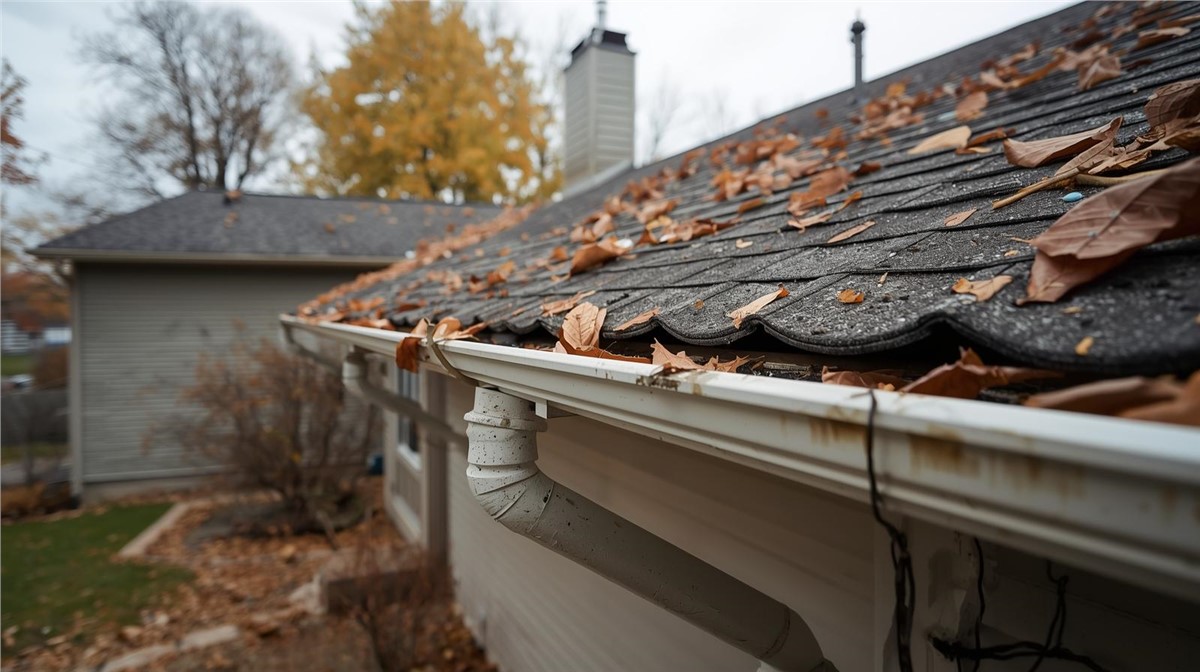
You don't need a ladder to spot some of the biggest gutter problems. From your yard, look up at your roofline. Are the long sections straight, or do they have a noticeable sag in the middle? This gutter sagging is a classic sign your gutters are holding too much weight from trapped water and debris, causing them to bend under the strain. A properly working gutter should look like a crisp, straight line against your home.
Next, check if the gutter is pulling away from the house. A visible gap means the fasteners—the nails or screws holding it up—are failing. This often happens when overflowing water soaks the wood they're anchored into, causing them to lose their grip. Also, scan for obvious cracks or holes, which defeat the purpose of the system entirely by letting water escape where it shouldn't.
Use this quick ground inspection checklist:
Shape: Look for sagging or bending in the middle.
Attachment: Check for gaps between the gutter and the house.
Surface: Scan for visible cracks, holes, or leaking seams.
Spotting these is a clear signal your gutters need attention. But sometimes, the first clues aren't on the gutter itself.
"Tiger Stripes" and Peeling Paint: Decoding Stains on Your Siding and Trim
Beyond big cracks and sags, some of the most telling signs are just stains. Have you ever noticed dark, vertical streaks running down the front of your gutters? These are often called “tiger stripes,” and they aren’t just dirt. They're a clear sign that water, full of shingle grit and grime, is consistently overflowing from a clog. Think of it like a dirty teapot that dribbles down its own side—the constant drip leaves a telltale mark.
This overflow doesn't just stain the outside; it can cause damage behind the scenes. Look closely at the wood board your gutter is attached to—that’s called the fascia. If you see paint bubbling, chipping, or peeling there, it’s a major red flag. This means water is sneaking behind the gutter and slowly rotting the wood from the inside out, which is a much bigger problem than a simple cleaning.
Ignoring these subtle stains can allow that fascia board to rot completely, potentially causing the entire gutter section to fall. These slow leaks are particularly troublesome here, creating the perfect setup for one of Wisconsin's most notorious winter problems.
The Wisconsin Winter Special: Why Ice Dams Are a Gutter System Red Flag
That notorious winter problem is the ice dam. If you’ve ever seen massive icicles hanging from your roof, you’ve likely seen one. Think of it as a frozen mini-dam that forms at your roof’s edge. Heat escaping from your attic melts the snow on the roof, but that water refreezes when it hits the frigid air in your gutters. This process builds a thick ridge of ice that traps all the melting snow behind it, creating a pool of standing water on your roof.
This trapped ice and water is a double threat. First, the sheer weight can be immense—we’re talking hundreds of pounds of solid ice. This is classic gutter damage from ice dams; it can bend your gutters out of shape, pull them away from the house, or even tear them down completely under the strain of heavy snow and ice. Your gutters are simply not designed to support that kind of load, which is a key reason gutters often need replacing in our climate.
More importantly, recurring ice dams signal that your roof, insulation, and gutter system aren't working together properly. The water trapped by the dam doesn't just sit there. It can push its way back up under your shingles and leak into your attic and walls. This is how a winter roof problem becomes a springtime water issue, as that moisture slowly works its way down toward your home’s base.
From Drip to Disaster: How Small Leaks Can Damage Your Foundation
After water overflows from a clogged gutter or ice dam, it doesn't just disappear. It lands in the worst possible spot: the soil directly against your home’s foundation. Over time, this area becomes completely waterlogged, like a giant, soaked sponge pressed against your basement walls. This constant saturation is the first step in a slow-moving but serious problem that starts at your roofline and ends in your basement.
This is where our famous Wisconsin clay soil comes into play. Unlike sandy soil that lets water pass through, clay holds onto moisture and expands, getting heavy and dense. All that water-logged soil then pushes relentlessly against your foundation walls. It’s a slow, powerful squeeze that puts immense stress on the concrete, creating a perfect scenario for water damage foundation. This invisible pressure is one of the most destructive forces a home can face.
Eventually, that pressure will find a way in, forcing water through tiny cracks and leading to that musty, damp basement. This is exactly what happens if you don't replace old gutters or fix improper gutter slope problems—a small issue on your roof becomes a massive, expensive problem underground. So, how do you know if your system needs a simple fix or a full replacement?
Repair or Replace? Choosing the Right Solution for Wisconsin Weather
Seeing the warning signs naturally leads to the big question: does this call for a simple fix or a total overhaul? The answer depends on whether you have a single problem or a system-wide failure. Making the right call now can save you a lot of money and headaches, especially when considering the potential cost to replace gutters in Wisconsin.
For isolated issues, a straightforward gutter repair is often the perfect solution. If you’re dealing with a single leaky seam, one cracked corner, or a section that a heavy ice chunk pulled loose, a professional can typically patch or re-secure it. Think of it like fixing a single pothole in a road—it’s an effective way to solve a localized problem without re-paving the entire street.
However, if your gutters are showing their age everywhere—with widespread rust, multiple cracks, or sagging along several sections—you're past the point of simple repairs. Patching one spot will only buy you a little time before the next weak point fails. At this stage, a full replacement is the more sensible and cost-effective long-term investment.
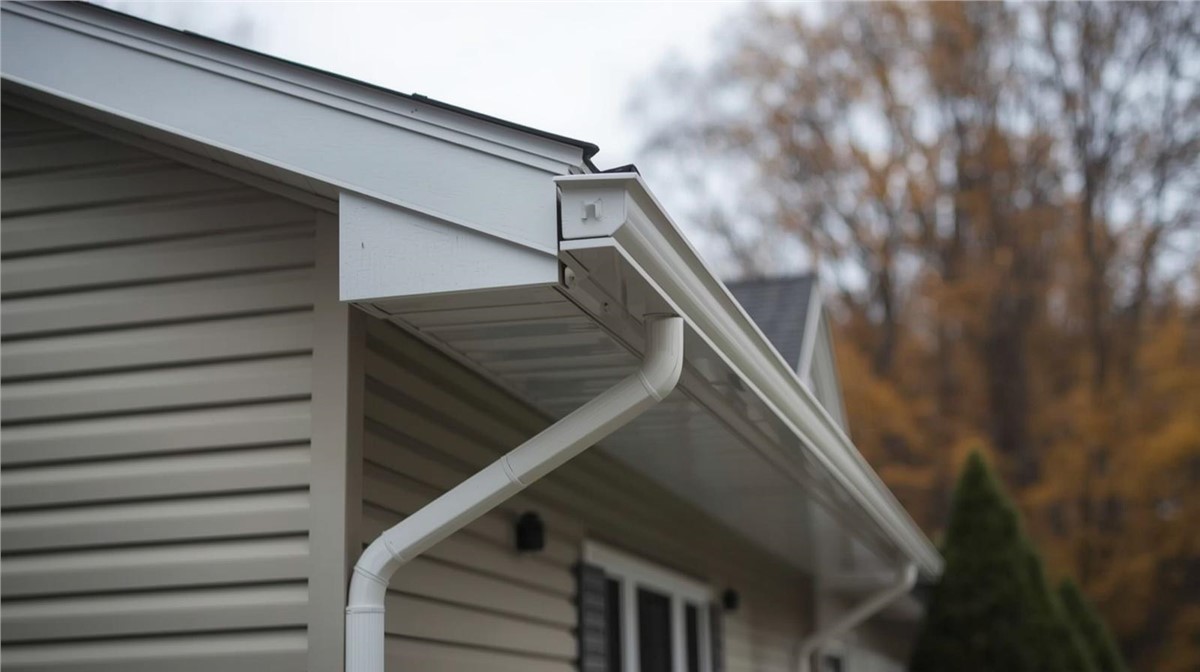
When you do replace your system, it’s worth looking into seamless gutters. Instead of being pieced together every 10 feet, these are formed from one continuous piece of aluminum, custom-fit to your home. This matters immensely in our climate, as it eliminates the seams that our brutal freeze-thaw cycles love to split open. This design makes seamless gutters a smart investment for Wisconsin weather, as they are far less likely to leak—a definitive answer to are seamless gutters better for Wisconsin weather?
Your Gutter Action Plan: Protect Your Home Before the Next Storm
You can now walk outside and read the story your house is telling through its sags, stains, and puddles. You recognize the critical signs you need new gutters, empowering you to spot problems most homeowners would miss.
This knowledge is your best defense against expensive, stressful repairs. Your first step is simple: take fifteen minutes for a quick gutter inspection from the ground. Walk the perimeter of your house and look for the trouble spots you now know how to identify.
If you spot several of these issues, it's a clear signal to call a trusted local expert. They can provide a definitive diagnosis and explain the long-term benefits of a professional gutter installation. You're no longer guessing—you're taking control and protecting your home's foundation and your peace of mind.
Subscribe to Huskie Exteriors's Blog






Comments