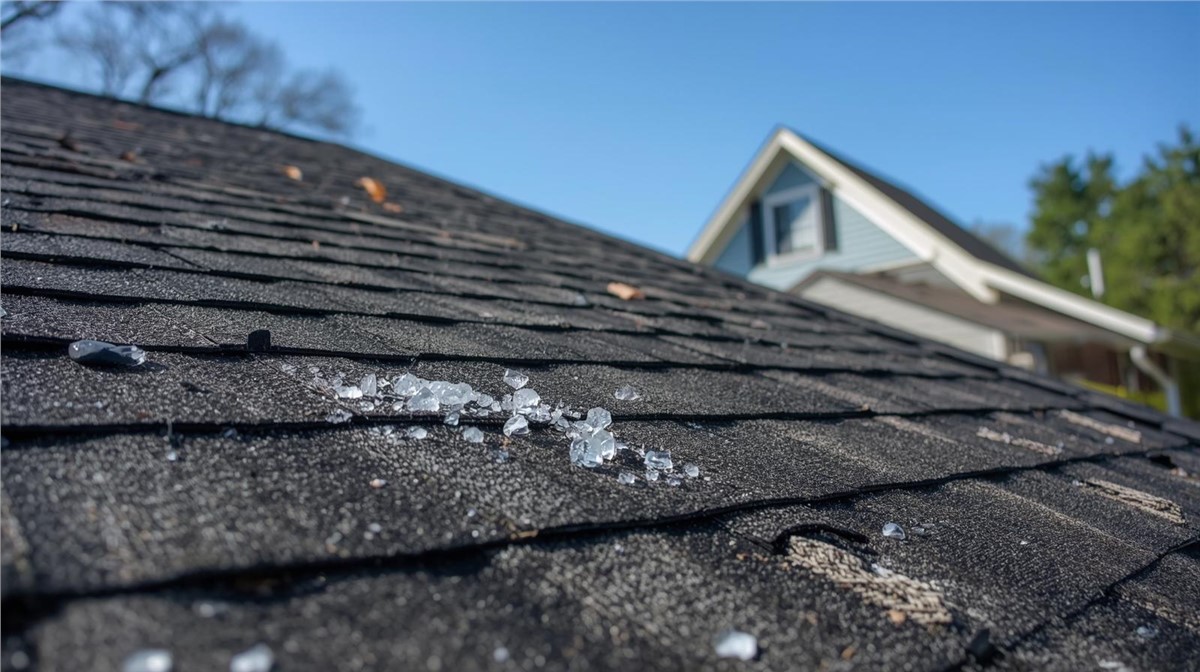
The sound of a major hailstorm hitting your Southern Wisconsin home is unmistakable. Once the storm passes and the quiet returns, the inevitable question comes: "What about the roof?" For many homeowners, a quick look from the ground doesn't reveal much, but the most significant damage is often invisible from a distance.
Those subtle dings and scrapes are what roofing professionals know can lead to serious issues. Think of it like a bruise on an apple—the surface might look okay, but the impact has weakened the structure underneath. After a hailstorm, this hidden damage can expose your roof to the elements, leading to slow leaks and costly problems months down the road.
Figuring out what to do next doesn't have to be overwhelming. This guide provides a clear roadmap for Southern Wisconsin homeowners on spotting warning signs, starting an insurance claim, and choosing a trustworthy local roofer to protect your home.
How to Spot Signs of Hail Damage From the Ground (No Ladder Needed)
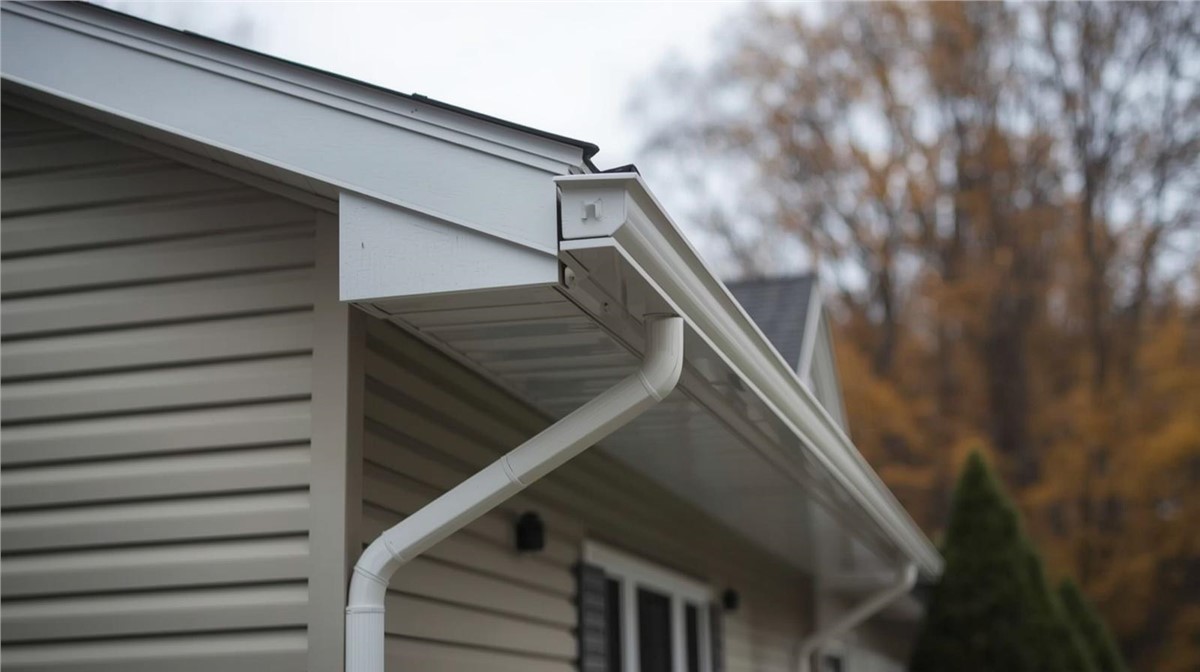
After a storm, you don’t need a ladder to find the first clues of roof damage. Start by checking the metal surfaces around your home—your gutters, downspouts, and even your air conditioning unit. If you see dents on these items, it’s a strong indicator that your shingles took a similar beating. This "collateral damage" is the most reliable sign of a significant hailstorm that you can spot safely from the ground.
Next, look for small, black, sand-like particles in your gutters or where your downspouts empty. These are the protective granules from your asphalt shingles. Hail impacts act like a pressure washer, knocking these granules loose. Think of them as the shingle’s sunscreen; without this layer, the shingle is exposed to UV rays, which will cause it to become brittle and crack far sooner than it should.
Finally, understand that the most serious damage isn’t always a visible hole. Hail often causes "shingle bruising," which fractures the shingle's underlying structure. This creates a soft spot that will eventually allow water to seep through.
The First 3 Steps to Take Within 48 Hours of a Storm
While your first impulse after a hailstorm may be to call your insurance agent, gathering your facts first will ensure a smoother process.
The most critical—and often counter-intuitive—step is to call a reputable, local roofer for an inspection first. Why? A professional can confirm the extent of the damage. Their expert assessment gives you leverage and helps you know if filing a claim is truly necessary, protecting your claims history from minor events.
With that in mind, here are the three immediate actions to take. Only perform step three if you can see water actively dripping inside your home.
Document: Jot down the storm's date and time. Take clear photos of the dented gutters, A/C unit, and any granules you found.
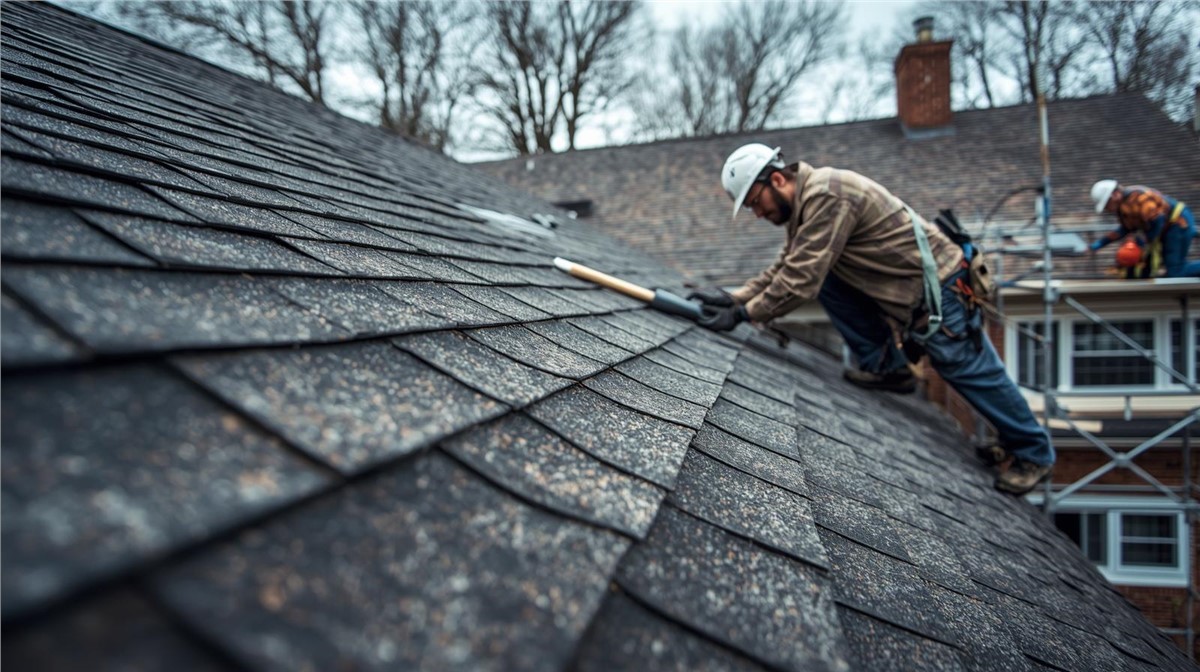
Inspect: Call a trusted local roofer to assess the roof and provide a report.
Protect: If you have an active leak, request emergency roof tarping for hail leaks to prevent catastrophic water damage.
How to File a Wisconsin Hail Damage Claim Without Getting Overwhelmed
With a professional damage assessment from your roofer, you’re ready to contact your insurance company. This call officially starts your claim. You'll be given a claim number to track your case and assigned an insurance adjuster—the person sent by the insurance company to inspect the damage and estimate the repair cost.
The process is more manageable when you know what to expect. Just follow these four steps:
Call your agent to state you have confirmed hail damage.
Write down your claim number for all future communications.
Schedule the adjuster’s visit for a time that works for you.
Arrange for your chosen roofer to be present at this meeting.
Having your roofer on-site is your single biggest advantage. They act as your advocate, pointing out subtle but significant damage the adjuster might otherwise miss. Once the claim is approved, your only out-of-pocket cost is your deductible. This is your pre-agreed portion of the repair bill; your insurance pays for the rest of the approved replacement.
Spotting 'Storm Chasers': 4 Red Flags When Hiring a Roofer in the Milwaukee Area
After a hailstorm, you’ll see an influx of roofing trucks. Be wary of “storm chasers”—out-of-state crews that perform shoddy repairs and then disappear, leaving you with no warranty. A truck with out-of-state plates is the first major warning sign.
A huge red flag is any offer to “cover” or “waive” your deductible. This is insurance fraud. To make up that money, the contractor will use inferior materials or submit a fake invoice, leaving you with a bad roof and potential legal trouble.
A reputable contractor will have a permanent, physical office nearby, not just a P.O. box. This proves they are invested in the community and will be accountable for their work long after the storm chasers have moved on.
Lastly, ask for proof of general liability and worker’s compensation insurance. Liability covers your property from damage, while worker’s comp prevents you from being sued if a roofer is injured. A professional will provide these documents readily.
Repair vs. Full Replacement: How Your Hail-Damaged Roof is Assessed
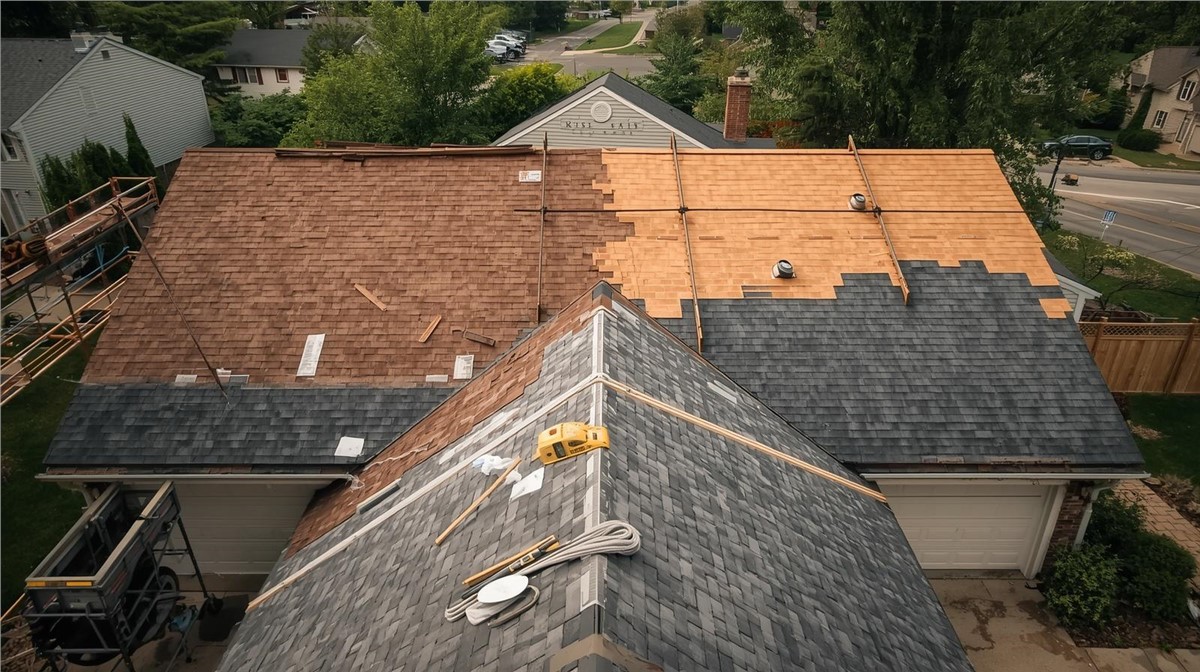
When an insurance adjuster inspects your roof, they’ll often perform a “test square” assessment. They mark off a 10x10 foot area and count the number of significant hail strikes. If they find a high number of impacts—even from hail the size of a quarter—it indicates the entire slope is compromised, making a full replacement the only viable solution.
Deciding between a roof repair vs. replacement after a hail storm isn't about cosmetics. Attempting to patch numerous spots is ineffective, as the impacts have likely weakened the surrounding shingles, too. This “checkerboard” repair creates multiple weak points across your roof and can’t guarantee a watertight seal for the whole system.
For your new roof, consider upgrading to impact-resistant (Class 4) shingles. These are specifically designed for harsh Wisconsin weather and can often earn you a discount on your homeowner's insurance. It’s a smart investment in your home’s long-term protection.
Your Hail Damage Action Plan: A 3-Step Summary
By empowering yourself with knowledge, you can turn anxiety into a confident plan of action. Your entire hail damage repair process in Southern Wisconsin can be simplified into one manageable sequence:
Inspect for collateral damage (dented gutters, AC units) from the ground.
Document everything and call a vetted, local roofer for a professional assessment.
Let your roofer guide you through the insurance claim process.
Your next move is to put a trusted expert on your side. Start by finding a reputable local roofer for an inspection, and rest easy knowing your home is in good hands.
Subscribe to Huskie Exteriors's Blog





Comments