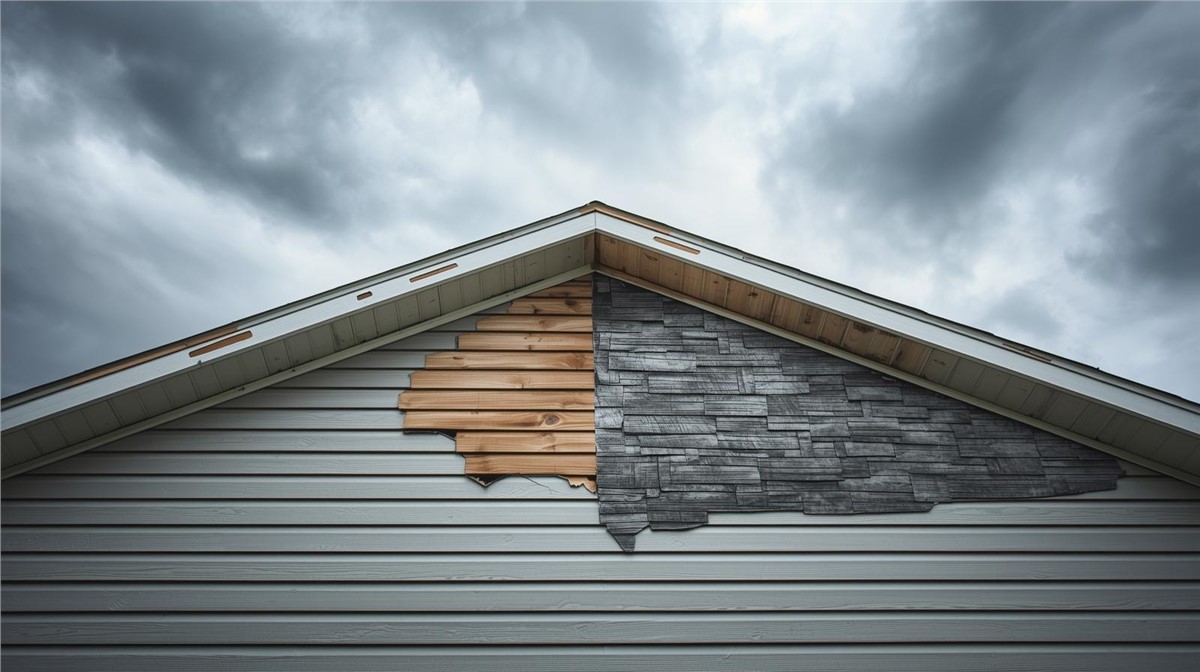
The sound of hail hitting siding is unmistakable. After a severe Northern Illinois thunderstorm passes, that silence is quickly replaced by a new worry: how bad is the siding damage? Staring at your house can feel overwhelming, especially when you don't know where to even begin your assessment.
This guide provides a clear plan to help you assess the situation with confidence. You'll learn how to check for damage safely, understand the next steps for professional storm damage siding repair in Northern Illinois, and see how to begin the insurance process, giving you a clear path from worry to resolution.
What to Do Right Now: Your 3-Step Safety and Documentation Plan
After the storm passes, your first instinct might be to clean up, but wait. Before you touch anything, grab your phone. Your most powerful tool is photo and video evidence for your insurance claim. Walk around your house and capture everything from different angles—wide shots to show the overall impact, and close-ups of every dent, crack, or hole you can find.
With your photos taken, perform a quick safety check from the ground. Look for immediate hazards, especially if siding is ripped off by wind and hanging loosely. Note its location, but do not try to pull it down or climb a ladder to inspect it yourself. It could be unstable or tangled with unseen wiring, creating a serious risk.
Finally, resist the urge to perform a quick fix yourself. If you have a large, exposed area, avoid creating a makeshift patch. The immediate priority is preventing water from getting in. A professional can assess the situation and, if needed, provide an emergency siding tarping service for your Northern IL home, protecting it until a permanent repair can be made.
How to Identify Hail and Wind Damage on Your Siding (A Visual Guide)
With your initial photos taken, it’s time to identify the type of damage. Hail and wind leave very different fingerprints on your home’s exterior, and learning to spot them is key to having an informed conversation with your insurance company and contractor.
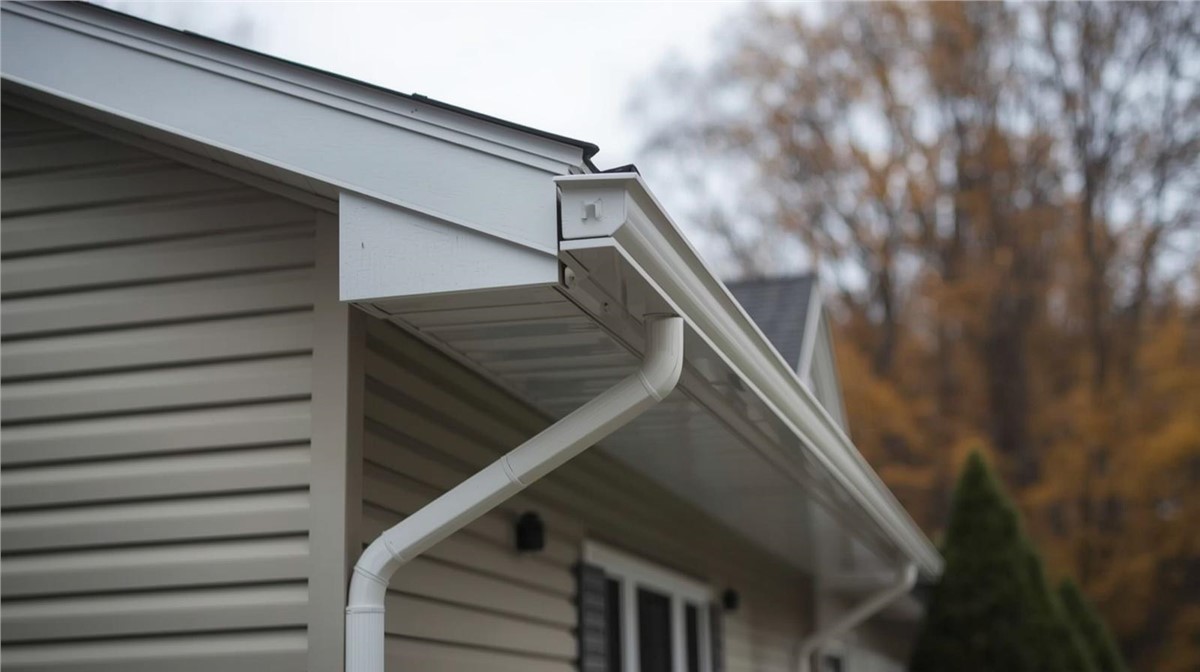
Hail damage typically shows up as small, circular dings or dents scattered across siding panels. On vinyl or aluminum, these impacts might look like someone tapped the surface with a ball-peen hammer. A great way to confirm your suspicions is to check other surfaces. If you see similar dents on your metal gutters, downspouts, or the trim around your windows, you almost certainly have hail damage on your siding.
Wind damage, on the other hand, is often more obvious and structural. Look for entire panels that are lifted, bowing out from the wall, or completely missing. You may also find horizontal cracks or creases where a panel has been bent by the force of the wind, often breaking the hidden nailing strip that holds it in place. This type of damage creates a direct entry point for rain.
Spotting these clues is crucial because a lifted panel is an open invitation for water to get in, which can lead to signs of water damage behind the siding. This distinction helps determine if you're looking at a simple fix or a more involved replacement.

Is It a Simple Fix? Siding Repair vs. Replacement After a Storm
After spotting damage, your first thought is likely about a quick patch. For an isolated issue, like a single cracked panel from flying debris, fixing just that spot can be a straightforward solution. This approach works best when the damage is minimal and contained to one or two boards, without affecting the layers underneath.
However, widespread storm damage often makes a simple repair impractical. If hail has left dozens of dings across an entire side of your house, patching each one isn’t a realistic option. Similarly, when high winds have lifted or torn multiple panels, it often indicates a systemic failure. In these cases, replacing the whole affected elevation is the only way to ensure your home is properly sealed and protected.
The biggest challenge with any siding repair is color matching. Siding fades over time from sun exposure, so a brand-new panel will almost never match the weathered ones around it. This can create a checkerboard look that hurts your home's curb appeal. For this reason, even damage to a few panels may lead to replacing a full section to ensure a uniform finish.
Your Step-by-Step Guide to the Siding Insurance Claim Process
Navigating a siding insurance claim can feel overwhelming. Following a proven process puts an expert on your side from the very beginning and helps ensure you get a fair assessment.
For the most effective siding insurance claim process, we recommend these four steps:
Get a professional inspection from a trusted local contractor. They will document all damage to create a detailed repair plan, often called a scope of work report.
File your claim with your insurance company using this initial assessment.
Schedule the adjuster's visit and make sure your contractor is present.
Review the adjuster’s final report with your contractor to ensure it aligns with the necessary repairs.
Following this order is strategic. An experienced contractor knows exactly what to look for, from subtle hail impacts to wind-lifted panels that an untrained eye might miss. They act as your advocate when the insurance adjuster—who works for the insurance company—arrives. Your contractor can point out specific damage and discuss proper methods for a lasting siding repair in Illinois, ensuring nothing is overlooked.
How to Hire a Reputable Northern IL Contractor (and Avoid 'Storm Chasers')
The days after a major storm often bring a flood of offers for quick repairs. Be wary of “storm chasers”—out-of-town crews who follow bad weather, perform low-quality work, and vanish before you notice problems. Choosing from local siding contractors for storm damage is your first line of defense.
A reputable professional will never use high-pressure tactics. Spot a potential scammer by looking for these red flags:
Demands for a large cash deposit or full payment upfront.
Aggressive sales tactics (“This price is only good for today!”).
Trucks with out-of-state plates and no permanent local office address.
A true local partner has a reputation to protect and understands area-specific requirements, like Illinois building codes for siding repair. Before signing anything, always ask for proof of licensing and insurance to ensure they are legitimate and that you are protected. A vetted local expert is the key to a lasting storm damage siding repair and your peace of mind.
Your Storm Damage Action Plan for a Secure Northern Illinois Home
Now that you know how to identify storm damage, your path forward is clear. The first steps are to document what you see, assess the severity, and then call a trusted local professional for an inspection.
Handling your storm damage siding repair promptly is crucial, as even small cracks can invite moisture and lead to bigger problems down the road. This isn't just about fixing a wall; it's about restoring your home’s protective shield and your own peace of mind. Taking these steps ensures your family remains safe and secure, no matter the weather.
Subscribe to Huskie Exteriors's Blog





Comments